


Cake—soft, sweet, and often associated with celebrations—uniquely captivates our senses. From the moment we see a beautifully frosted slice to the first bite of moist, sugary goodness, cake triggers a range of emotions and physical responses.
But have you ever wondered why we crave cake? What is it about this dessert that makes it so irresistible? Understanding cake cravings requires a deeper look into the psychology behind our sweet tooth.
The Science of Cravings: A Biological Perspective

Cravings for sweet foods, including cake, are rooted in biology. The human body is wired to seek out sugar because it is a quick and efficient energy source.
From an evolutionary standpoint, our ancestors would have craved sweet, high-calorie foods to sustain them during times of scarcity. Although modern society has changed significantly, our biological instincts remain the same.
When we consume cake or any sugary food, the brain releases dopamine, a neurotransmitter responsible for feelings of pleasure and reward.
This dopamine release reinforces the behavior, making us more likely to seek out cake again. In this way, cake cravings can become part of a feedback loop where the brain associates cake with comfort, pleasure, and even emotional satisfaction.
The Role of Emotions: Cake as Comfort Food
Cravings are not purely biological; they are often deeply tied to emotions. Cake, in particular, is commonly seen as a comfort food that people turn to in times of emotional distress or to enhance feelings of celebration and joy.
This emotional connection can explain why cake cravings are often most decisive during crucial life moments—birthdays, weddings, or even after a long, stressful day.
When we feel stressed or anxious, the body releases cortisol, a hormone associated with the body’s stress response. High levels of cortisol can lead to increased cravings for sugar and carbohydrates, like cake, to boost energy and temporarily relieve negative feelings.
In these moments, cake provides physical comfort and a psychological escape from the challenges we may be facing.
Social and Cultural Influences
Beyond biology and emotion, social and cultural factors also shape our cake cravings. Cake is deeply ingrained in many cultures as a symbol of celebration, togetherness, and indulgence.
From birthdays to weddings, cake often plays a central role in marking special occasions, and sharing cake with others can strengthen social bonds.
These associations with positive events create a mental link between cake and happiness. Over time, we may start to crave cake for its taste and the feelings of joy and connection it represents. This can explain why cake cravings might intensify around holidays or family gatherings, where cake is often a key feature.
The Psychology of Reward: Why Cake Feels Like a Treat

One of the reasons cake is so irresistible is its ability to serve as a reward. Whether consciously or subconsciously, many of us use food, particularly cake, to reward ourselves for big or small achievements.
The combination of sugar, fat, and carbohydrates in cake provides an indulgent and satisfying sensory experience, making it the perfect treat for a job well done.
The problem, however, is that this cycle of reward and indulgence can sometimes lead to overconsumption. When cake is regularly used as a reward, the brain starts associating even minor accomplishments with the need for a sweet treat. This can turn occasional indulgence into a habitual craving, which can contribute to weight gain and other health issues over time if not kept in check.
Managing Cake Cravings: Strategies for a Balanced Approach
Understanding the psychology behind cake cravings is the first step in managing them. Here are a few strategies to help maintain a balanced approach to indulging in sweets:
- Mindful Eating: Instead of mindlessly reaching for a slice of cake, take a moment to consider whether you’re starving or if you’re eating out of habit or emotion. Being mindful about when and why you eat can help curb unnecessary cravings.
- Healthy Substitutes: If you’re craving cake but want to avoid overindulging, consider more nutritious alternatives. Plenty of recipes for low-sugar or vegan cakes offer the same satisfaction with fewer calories.
- Portion Control: It’s about more than avoiding cake altogether. Enjoying smaller portions can satisfy your craving without leading to overconsumption. Sharing dessert with others or cutting smaller slices can help maintain moderation.
- Address Emotional Triggers: If you notice that your cake cravings tend to spike when you’re feeling stressed or down, exploring healthier ways to cope with emotions might be helpful. Exercise, meditation, or talking with friends are great alternatives to emotional eating.
- Balance in Diet: Ensuring that your diet is balanced with proteins, healthy fats, and fiber can help stabilize your blood sugar levels, which in turn can reduce sugar cravings. A stable blood sugar level makes you less likely to encounter sudden, intense cravings for cake.
How to Stop Cake Cravings with Journaling and Mindfulness

Cake cravings can be challenging to resist, but combining nutritional principles with mindful journaling can help you manage them effectively. Here’s hHere’surish Your Body First
Cravings often stem from blood sugar imbalances. To stabilize blood sugar and reduce cravings, focus on balanced meals with complex carbs, protein, and healthy fats.
Use Mindful Journaling
Before you eat, take a moment to journal. Ask yourself:
- Am I really hungry or just emotional?
- What triggered this craving?
Mindful journaling helps you become more aware of your eating habits, an essential technique in Cognitive Behavioral Therapy (CBT) for managing cravings.
Pause and Reflect
Write down your thoughts and set an intention before eating. This helps you make conscious choices rather than giving in to impulsive cravings.
Try the Eating Enlightenment App for additional support, which can help you track your cravings and practice mindful eating.
Conclusion: A Sweet Understanding
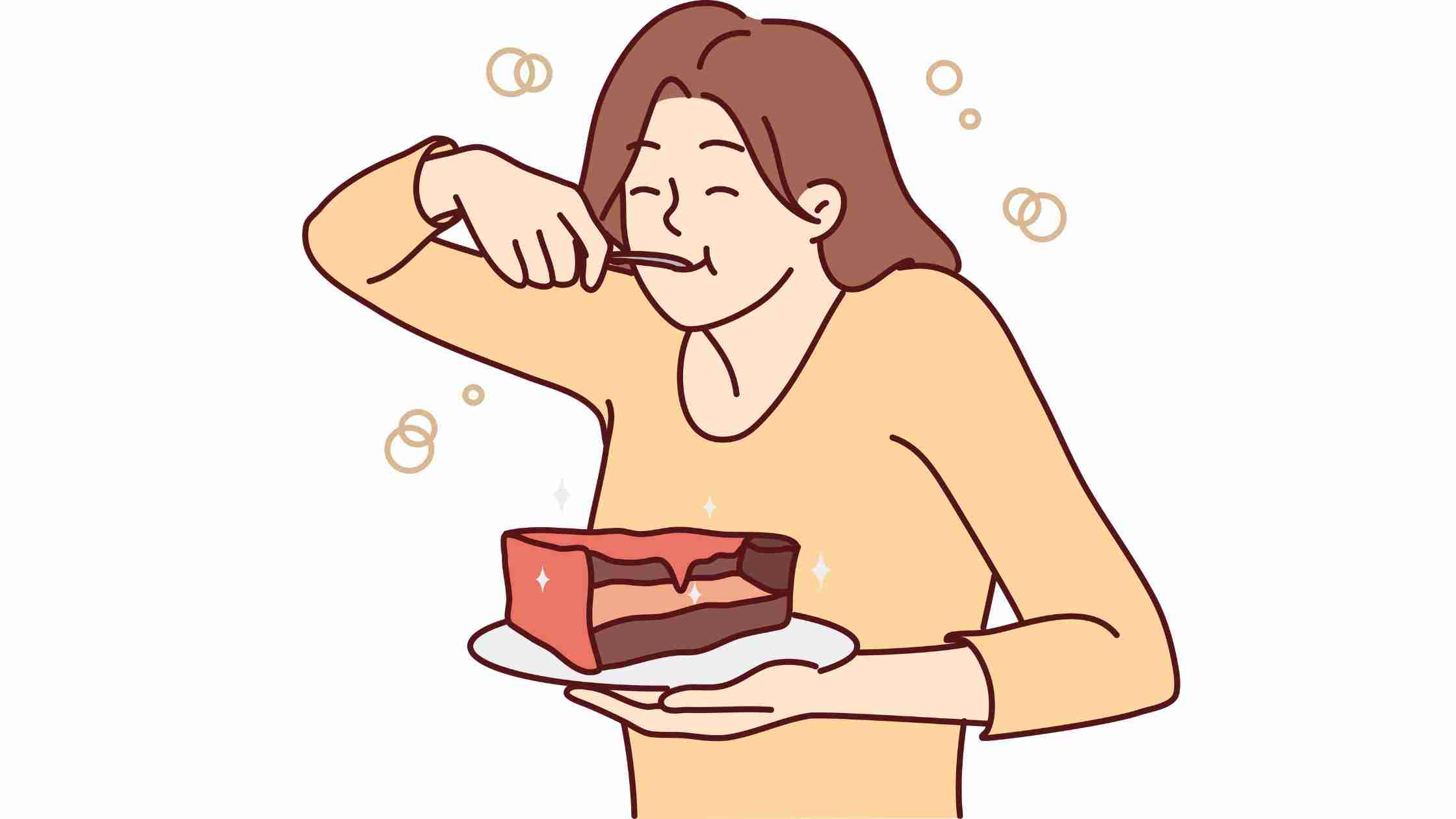
Cake cravings are a complex phenomenon shaped by biology, emotion, and culture. Whether it’s the amount of dopamine from the sugar or the emotional comfort we associate with a slice of cake, our cravings for this dessert go beyond simple hunger.
Understanding these cravings allows us to make more informed choices about when and why we indulge in cake. While there’s nothing wrong with enjoying a slice of cake occasionally, being mindful of our cravings and learning to manage them can lead to a healthier and more balanced relationship with sweets.

Why do I crave cake so often?
Psychological, emotional, and biological factors often drive cake cravings. Sugary foods like cake trigger the brain’s system, releasing feel-good hormones like dopamine, creating a desire for more. Stress, emotional eating, and nutritional imbalances, such as low blood sugar or lack of proper nutrients, can intensify cravings.
Is craving cake a sign of a nutrient deficiency?
Craving sugary foods like cake can sometimes indicate a blood sugar imbalance or a lack of certain nutrients, mainly if you need more protein, fiber, or healthy fats. These nutrients help stabilize blood sugar levels and curb cravings.
How do emotions affect cake cravings?
Emotions play a significant role in cravings. Stress, boredom, and sadness often lead to emotional eating, where people turn to comfort foods like cake. The brain associates sugar with feelings of pleasure and comfort, making it easy to crave when one is seeking emotional relief.
Can I stop cake cravings without cutting out sweets entirely?
Yes! The key is moderation and mindful eating. Instead of cutting out sweets completely, practice portion control and savor small amounts mindfully. Also, maintain a balanced diet with protein, fiber, and healthy fats to naturally reduce cravings.
How does mindfulness help with cake cravings?
Mindfulness encourages you to pause and assess your hunger and emotions before eating. By reflecting on your cravings, whether emotional or physical, you can make more conscious food choices. Mindful eating helps reduce impulsive cravings and improves your relationship with food.
Are cake cravings linked to sugar addiction?
While not everyone who craves cake is addicted to sugar, some individuals may develop a dependence on sugary foods. Over time, frequent sugar consumption can reinforce the brain’s rewabrain’sways, leading to more intense cravings. Moderation and mindfulness can help manage this.
What can I eat to prevent cake cravings?
To prevent cake cravings, focus on balanced meals rich in complex carbs, lean protein, fiber, and healthy fats. These nutrients stabilize blood sugar, keep you full longer, and reduce the likelihood of cravings. Hydration and regular meals are also crucial for managing hunger.
Can journaling help with cake cravings?
Yes, mindful journaling is a powerful tool for understanding and controlling cravings. By writing down your feelings before eating, you can identify emotional triggers and avoid impulsive snacking. Journaling helps break the cycle of emotional eating and is a critical component of Cognitive Behavioral Therapy (CBT) for managing food cravings.
How does stress influence cake cravings?
Stress triggers the release of cortisol, a hormone that increases your desire for sugary and high-carb foods like cake. To reduce stress-related cravings, practice stress management techniques like mindfulness, meditation, or regular exercise.
Can I indulge in cake occasionally without derailing my diet?
Absolutely! The goal is balance, not deprivation. Enjoying cake occasionally in moderation won’t harm you, especially if you’re mindful of your portions and maintain a balanced, nutrient-rich diet.