
There are moments when you catch your reflection — a glance in a window, a photo you weren’t prepared for — and it feels like your heart drops.
The image you see doesn’t match how you thought you looked. It’s confusing. Painful. Sometimes it feels unbearable.
If you’ve experienced this, you are not alone. Both anorexia nervosa and body dysmorphic disorder (BDD) touch deep, tender places in the human psyche — places shaped by fear, shame, survival, and longing to belong.
Understanding how anorexia relates to body dysmorphia isn’t about labeling yourself.
It’s about naming your suffering — and finding new pathways to healing.
Curious about your relationship with food and body image?
🌿 Our free quiz can offer some gentle insight, with no pressure. Take it here.
Let’s walk through this tender landscape together.
What Are Anorexia and Body Dysmorphia? A Gentle Introduction
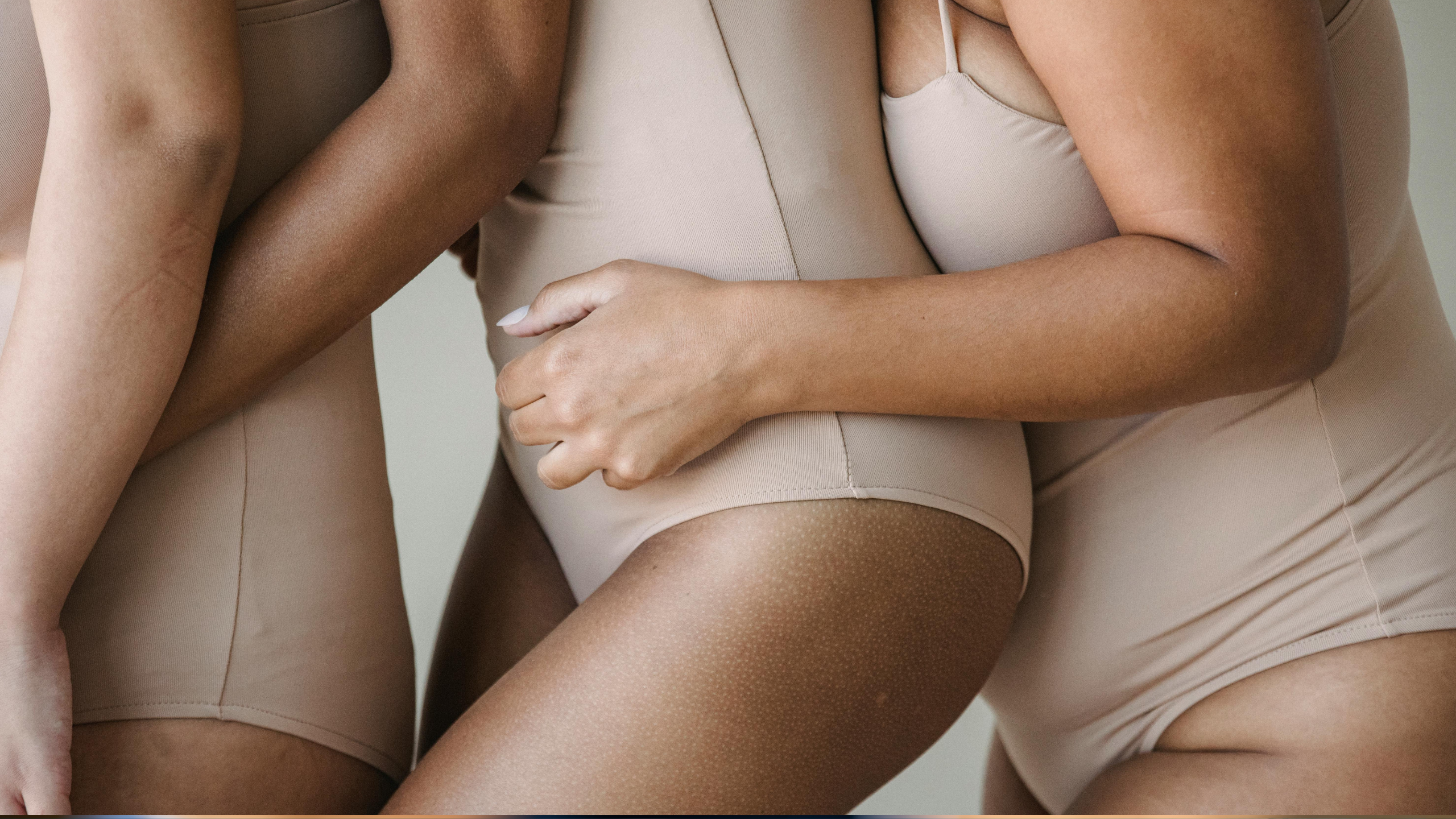
Anorexia nervosa is a complex mental health condition involving intense fear of gaining weight, distorted body image, and often, dangerous restriction of food.
Body dysmorphic disorder (BDD) involves obsessive focus on perceived flaws in physical appearance, often ones that others barely notice — or don’t see at all.
While anorexia centers heavily around weight and food, BDD can focus on any body part: skin, nose, hair, teeth, muscles.
Both conditions are rooted in deep emotional pain.
Both can make it incredibly difficult to see yourself clearly.
According to the Anxiety and Depression Association of America (ADAA), about 1.7% to 2.4% of the population experiences BDD at some point (Veale et al., 2016). Rates of anorexia are lower but have the highest mortality rate among psychiatric conditions.
Pain may look different on the outside — but on the inside, the emotional threads are deeply intertwined.
Shared Emotional Roots: Shame, Fear, and Perfectionism
If you live inside anorexia or BDD, it can feel like you’re constantly chasing an ever-moving target.
The belief hums underneath everything:
“If I could just fix this, maybe I’d finally be safe. Loved. Enough.”
These conditions often emerge from internal subjective patterns, including:
- Shame: Feeling fundamentally unworthy.
- Fear: Terrified of rejection, judgment, or loss of control.
- Perfectionism: Believing you must be flawless to deserve acceptance.
These are not random traits.
They are survival strategies — shaped by relational wounding, cultural messaging, and sometimes early nervous system dysregulation.
Many people with anorexia or BDD describe childhood environments where appearance was highly scrutinized or where emotional safety felt uncertain. Appearance became a proxy for worth.
It’s not your fault you learned to cope this way.
It’s how your heart tried to protect you.
Key Differences Between Anorexia and Body Dysmorphia
While there is overlap, several important differences matter for healing:
| Feature | Anorexia Nervosa | Body Dysmorphic Disorder |
|---|---|---|
| Core Focus | Weight, shape, eating | Specific body parts (not necessarily weight) |
| Primary Behavior | Food restriction, excessive exercise | Checking, grooming, seeking reassurance |
| Motivating Fear | Gaining weight, losing control | Being seen as defective or ugly |
| Medical Risk | Extremely high (malnutrition, organ damage) | Lower direct risk, but suicide risk is elevated |
| Insight into Distortion | Often low (denial common) | Often higher (may recognize irrationality) |
In real life, the lines blur.
Someone can experience both anorexia and BDD, either sequentially or simultaneously.
Healing begins with curiosity, not rigid labels.
How Body Dysmorphia Can Fuel Disordered Eating

Many people with BDD find that their concerns about specific body parts spiral into attempts to change their weight or shape — even when weight isn’t the original focus.
For example:
- Fixating on skin “imperfections” might lead to obsessive dietary restrictions.
- Fear of “looking bulky” might trigger intense exercise and caloric control.
Over time, these patterns can harden into disordered eating behaviors — even full anorexia.
It’s not just about wanting to look different.
It’s about desperately trying to feel safer in a body that feels like a threat.
When viewed through this compassionate lens, even extreme behaviors start to make a heartbreaking kind of sense.
If this feels familiar, know this: your suffering is real. And it’s understandable.
Healing is possible — and it does not require you to “earn” your worth first.
The Role of Nervous System Dysregulation in Body Image Disorders
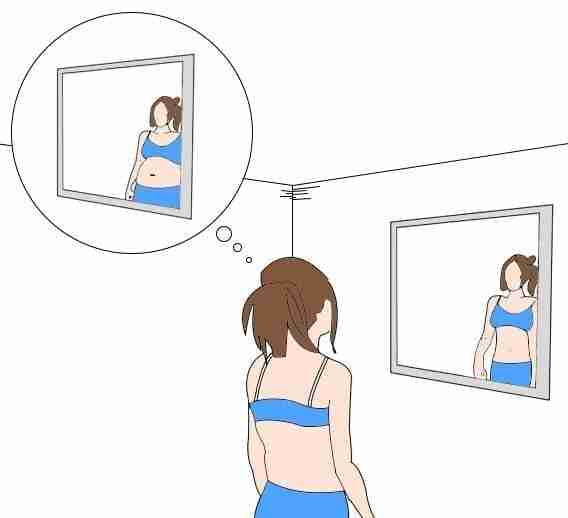
It’s not just thoughts that create body dysmorphia and anorexia.
It’s felt experience — deep in the body.
When the nervous system is overwhelmed by fear, shame, or helplessness, it can:
- Distort your sense of interoception (how you feel inside your body).
- Freeze your body image at a younger, traumatized developmental stage.
- Create chronic hypervigilance about appearance as a survival tactic.
In these states, your reflection isn’t just “wrong” — it can feel dangerous.
Healing often involves:
- Learning to regulate the nervous system gently (not forcing “positive thinking”).
- Rebuilding felt safety — through therapy, supportive community, mindfulness, or somatic practices.
- Allowing co-regulation — healing with and through safe others.
🌿 Gentle resource: Our Mindful Meal Journal & Scheduling App can help you reconnect with your body’s true hunger and fullness cues, at a pace that honors your safety. Learn more here.
Cultural and Systemic Influences: Why These Struggles Are Not Your Fault
It’s not just personal experiences that shape body image disorders.
Our culture is saturated with toxic messages:
- Thinness = goodness.
- Beauty = worthiness.
- Control = success.
Capitalism profits from your insecurity.
Social media algorithms thrive on your dissatisfaction.
These forces can condition even the most resilient minds to view their bodies as projects to fix, rather than homes to live in.
Recognizing these systemic factors isn’t about blaming society.
It’s about breaking free from shame.
You are not broken.
You are responding to impossible pressures in the most understandable ways.
Healing Paths: How Insight, Community, and Nervous System Safety Support Recovery
Healing from anorexia, body dysmorphia, or both is not a straight line.
It’s a spiraling journey of:
- Insight: Understanding that the body isn’t the enemy — survival patterns are.
- Community: Finding spaces where you feel seen beyond appearance.
- Safety: Rebuilding a felt sense of trust in your body and relationships.
Practical steps might include:
- Working with a therapist trained in body image and eating disorders.
- Using tools like somatic experiencing, gentle movement, or meditation.
- Exploring our Enlighten Eats Course, which dives deep into the roots of disordered eating with compassion and developmental wisdom. Discover more here.
Above all:
Healing honors your pace.
You are allowed to take as long as you need.
Resources for Support: Quiz, Journaling, Coaching, and More
If this article resonated, you might find these gentle next steps helpful:
- 🌿 Free Quiz: Understand your relationship with food and body image Take it here.
- 📓 Mindful Meal Journal & Scheduling App: Rebuild trust with your hunger and fullness Explore here.
- 🤝 Coaching: Personalized, trauma-informed support to guide your journey Learn more here.
You deserve support that sees your wholeness — not just your symptoms.
Conclusion: You Are Not Your Reflection
It can be terrifying to live in a body that feels unfamiliar, distorted, or unsafe.
But you are so much more than what the mirror shows.
Anorexia and body dysmorphia are painful, powerful attempts to survive in a world that taught you to distrust yourself.
They are not your fault.
And they do not define your future.
There is a path forward — one woven with compassion, insight, nervous system healing, and community.
🌿 Curious about your next step?
Our free quiz might offer a gentle place to start. Take it here.
You are worthy of love, clarity, and freedom — exactly as you are.