


Have you ever been hit by a sudden craving for something crispy, golden, and utterly irresistible? Maybe the thought of steaming hot fries, perfectly crunchy chicken, or that satisfying first bite of a fresh-out-of-the-fryer treat pulls you in. Trust me, you’re not alone.
Cravings for fried foods are so common, yet they can feel like a mystery—why do they strike out of nowhere and feel impossible to resist?
Here’s a little secret, though—those cravings aren’t random. They’re not just your taste buds calling for something crispy and delicious.
Behind the scenes, there’s often a deeper reason for why you crave fried foods. It might be your body trying to tell you it’s missing something it needs, like specific nutrients or energy. Or maybe it’s your emotions stepping in, using comfort foods to soothe a stressful day or a heavy heart.
The truth is fascinating—and empowering. What if your cravings could be clues guiding you toward understanding yourself better, both physically and emotionally? That’s what this post is here to explore.
Together, we’ll uncover 11 surprising reasons behind those fried food cravings. Some might seem straightforward, but others could surprise you, prompting fresh insights into your eating habits.
When you’re done reading, you’ll know why these cravings happen and feel more prepared to address them with curiosity and self-compassion. Because understanding your cravings isn’t about guilt or control—it’s about getting to know your body and mind just a little better. Intrigued? Let’s get started.
11 Reasons for Craving Fried Foods
Reason #1: Nutritional Deficiencies
Have you noticed that your cravings for fried foods often feel unstoppable, as though your body is asking for something it desperately needs? You’re not imagining things—sometimes, those cravings are your body’s way of signaling a nutritional gap.
Fried foods are high in fat, which can trick your body into thinking it’s receiving the nutrients it lacks. Deficiencies in essential fatty acids or fat-soluble vitamins like A, D, E, or K might be at play. These nutrients influence everything from energy production and brain function to immune health and hormonal balance.
When you’re not getting enough, your body might crave fats—and for many of us, fried foods seem like the quickest, most satisfying way to fix that.
Reason #2: Psychological Comfort
Cravings for fried foods often go beyond physical hunger—they can be deeply tied to our emotions. With their warm and crispy texture, Fried foods are the ultimate comfort during tough times.
They trigger a release of dopamine, the “feel-good” chemical, which temporarily lifts our mood. But here’s the thing—it’s not fried foods you genuinely need in those moments; it’s emotional comfort and connection.
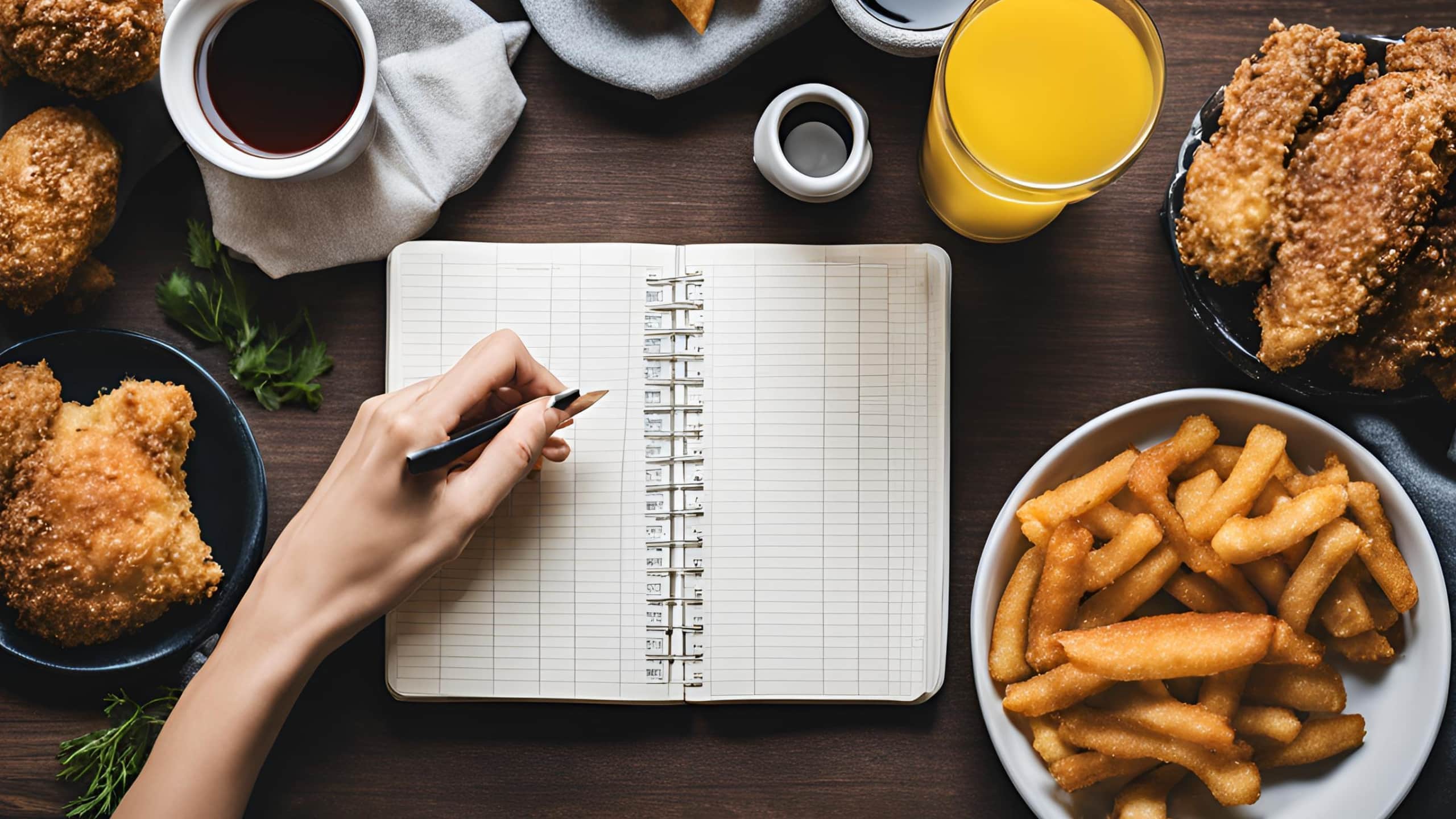
The next time you feel the pull of fried foods, pause and check in with yourself. What emotions are you experiencing? Are you stressed, lonely, or frustrated? Journaling can be an excellent way to peel back these layers. Write down how you feel and what you’re craving emotionally.
Then, brainstorm comforting alternatives—a phone call with a friend, a relaxing bath, or even journaling- can provide the reassurance you need without relying on food.
Reason #3: Habitual Eating Patterns
Sometimes, cravings aren’t about deficiency or emotion—they’re just habits. Perhaps fried foods are part of your Friday night routine or a comfort from childhood. Over time, these habits create neural pathways in your brain that equate certain times or situations with fried food cravings.
Breaking these patterns begins with awareness. Use your journal to track when and where you crave fried foods. Is it always after a busy day or during social events? Once you identify the habit, plan an alternative.
For example, if your after-work routine involves stopping for fries, keep a bowl of roasted chickpeas or a healthy snack ready at home. Replacing the habit with a similarly satisfying routine helps rewire your cravings over time.
Reason #4: Stress and Emotional Triggers
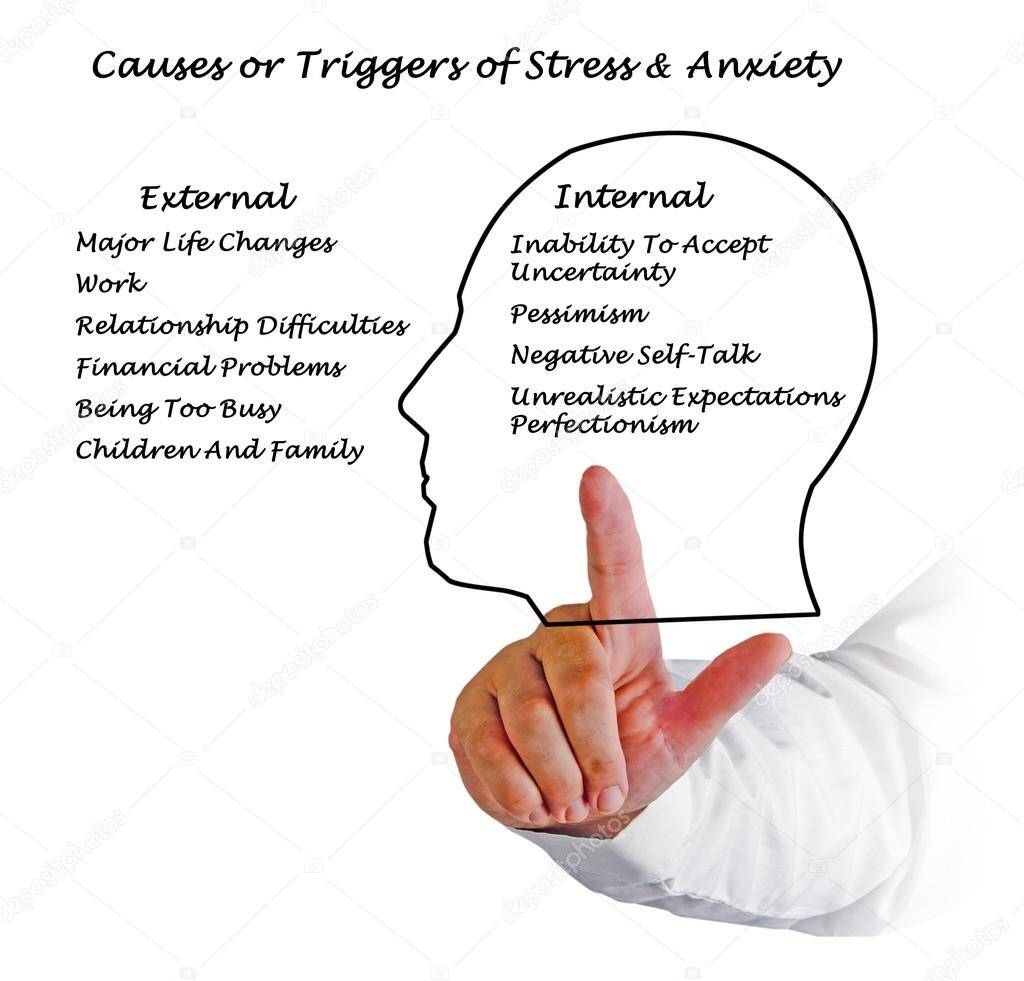
Stress can hijack your relationship with food, particularly when it comes to fried foods. The increase in cortisol causes your body to crave high-calorie, fatty foods for quick energy and comfort. It’s a survival mechanism, but it often leads to less healthy choices in modern life.
Combat this by addressing the stress directly. Journaling before reaching for food can help you decide whether it’s physical hunger or a need for emotional support.
Ask yourself, “What am I feeling right now, and how can I care for myself differently?” Try simple stress-relief practices, such as mindfulness exercises, yoga, or a 10-minute walk. These approaches tackle stress head-on while leaving the frying pan behind.
Reason #5: Social and Cultural Influences
Fried foods connect emotionally or culturally to celebrations, traditions, or social events. Whether it’s fried appetizers at a party or shared comfort foods, the craving might stem from a desire for belonging and connection rather than the food itself.
Prepare for these moments by bringing healthier alternatives to gatherings. Air-fried foods or baked options can capture the same social spirit without leaving you feeling sluggish.
Journaling beforehand can also set an intention to remain mindful, focusing on the experience and the people rather than fixating on the food.
Reason #6: Hormonal Changes
Hormonal fluctuations, such as those during periods, pregnancy, or even menopause, can heighten cravings for fried foods. These changes often increase our appetite and intensify emotions, making it harder to resist comfort foods.
Acknowledging this is the first step. Instead of fighting your body, focus on nourishing it with nutrient-rich foods that balance blood sugar, such as whole grains, leafy greens, and proteins.
Keep healthier treats on hand, such as roasted sweet potato wedges or dark chocolate, to satisfy cravings in a balanced way.
Reason #7: Lack of Sleep
Sleep deprivation can affect hormone levels, increasing ghrelin (the hunger hormone) and lowering leptin (the hormone that signals fullness). This can lead to a heightened craving for energy-dense foods, mainly fried ones, to combat fatigue.
The best defense is prioritizing sleep. Establish a nighttime routine that promotes restful sleep, and aim for 7-9 hours a night.
Journaling before bed can help alleviate racing thoughts that interfere with sleep. If you still have cravings during the day, reach for snacks high in fiber and protein to provide sustainable energy without fried fuel.
Reason #8: Dietary Restrictions

Are you on a restrictive diet or cutting out certain foods you enjoy? This can create a scarcity mindset, making you crave “forbidden” foods even more. Fried foods might symbolize indulgence or freedom when you’ve been limiting yourself.
Instead of restrictive diets, try adopting a more balanced, intuitive eating approach. Mindfully incorporate all food groups so no single type of food feels “off-limits.”
Journaling about your meals can also help shift your focus from deprivation to nourishment, recognizing the abundance in what your body is already receiving.
Reason #9: Palatability and Sensory Appeal
Fried foods are engineered for maximum sensory pleasure—the crunch, the salty coating, and the satisfying richness create a perfect storm of indulgence. Sometimes, your craving may stem from how appealing fried foods are on a sensory level.
Channel these cravings towards healthier versions that still deliver on taste and texture. Air-fried recipes, seasoned baked dishes, or crunchy roasted snacks can satisfy your senses without the unhealthy fats. Use journaling to note these discoveries and recognize how satisfying healthier tweaks can be.
Reason #10: Nutrient Density Misinterpretation
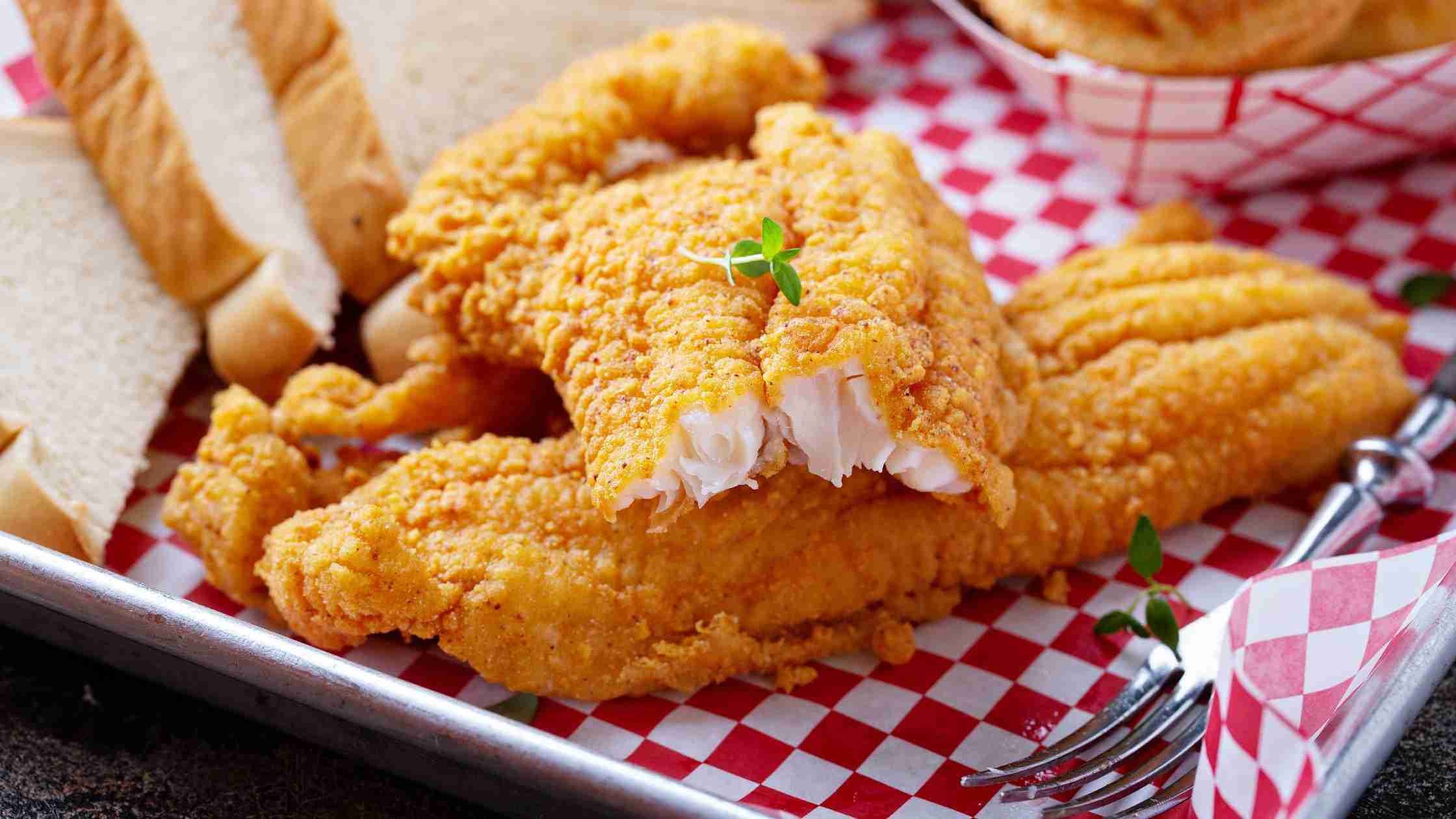
At times, the body’s craving cues can be misinterpreted. When the body needs more energy, vitamins, or minerals, it might signal a craving for calorie-rich fried foods, even if the need lies elsewhere.
Tune in to your body through reflection. Are you eating balanced meals with adequate carbs, protein, and fats? Use journaling prompts like “What did I eat today, and how did it make me feel?” to pinpoint gaps in your nutrition and address them with wholesome options.
Reason #11: Mindful Eating and Awareness
Sometimes, cravings are simply an opportunity to connect with our inner selves. A craving is a message—it can teach you what your mind or body is asking for when you approach it from a place of curiosity rather than judgment.
Adopt a practice of mindful eating. When you feel the craving, pause, breathe deeply, and ask, “What is my body telling me?” Use journaling to explore these moments and uncover patterns.
You may discover that you genuinely need comfort, energy, or simply a moment of joy, and these needs can be fulfilled in ways that nourish your whole self.
Cravings and Binge Eating Disorder

You’ve been there—a long day, a wave of exhaustion, and suddenly, an intense craving hits. Maybe it’s for something salty or sweet; before you know it, you’re searching for your favorite comfort food.
These cravings often feel random, but they can signal something more profound, like binge eating disorder (BED), a condition marked by repeated episodes of overeating with a sense of losing control. Understanding these cravings is key to breaking free from their grip.
The Binge Diet Cycle

Many cravings are fueled by the binge diet cycle, a frustrating loop that starts with restrictive dieting. Cutting out certain foods or calories creates a sense of deprivation, triggering intense cravings that feel impossible to ignore.
Emotional triggers like stress or loneliness magnify these cravings until they lead to binge eating, where you consume large amounts of food only to feel guilt or shame afterward. This often reinforces the cycle, making you return to dieting to fix the problem.
The cycle impacts your eating habits and drains your emotional and mental energy, leaving you stuck.
The Eating Enlightenment Approach
Breaking this cycle isn’t about having more willpower but building an intentional, compassionate framework. Eating Enlightenment provides a step-by-step guide to help you reclaim your relationship with food.
Step 1: Nutritional Journaling
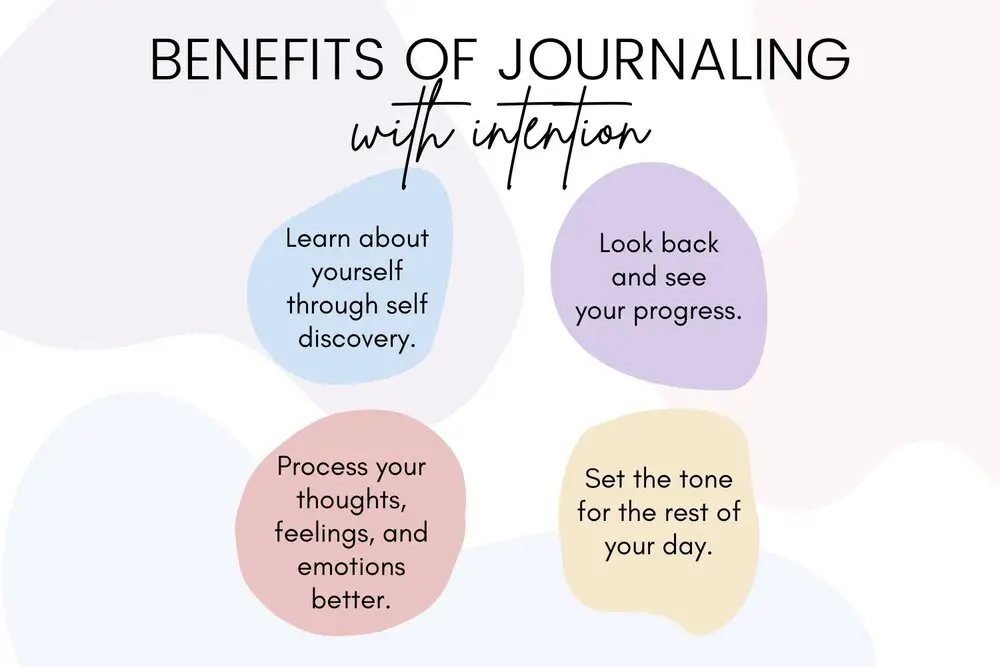
Start with consistent, balanced meals to stabilize hunger and energy levels. Use journaling to track what and when you eat, noticing gaps in nutrition or instances of deprivation. A solid nutrition foundation helps reduce those intense cravings caused by restriction.
Step 2: Mindfulness of Triggers
Your cravings are often tied to emotions like stress or sadness. Journaling can help you pause and reflect when they strike. Ask questions like, “What am I feeling right now?” or “Is this craving emotional or physical hunger?” Building this awareness allows you to respond thoughtfully instead of reacting impulsively.
Step 3: Healing Inner Parts
Cravings often carry emotional stories—wounds or patterns formed during childhood. Journaling helps you explore these hidden connections with curiosity. Look at past moments when food provided comfort or security, and use these insights to meet your deeper emotional needs in healthier ways.
Conclusion

Fried food cravings often stem from a blend of nutritional needs, emotional triggers, and habitual patterns. Whether your body is seeking healthy fats or turning to comfort food for emotional relief, recognizing the reasons behind your cravings is the first step to more nutritious choices.
You can manage cravings by adding more nutrient-rich foods to your meals, choosing baked over fried alternatives, and practicing mindfulness when cravings strike. Simple shifts like these can lead to lasting changes in your eating habits.
Take the next step by trying the free Eating Enlightenment Journal App. Track your cravings, uncover patterns, and build a healthier connection with food. Your body is constantly communicating—now is the time to start listening and taking action. Download the app today and begin your mindful eating journey!