


Cats are fascinating creatures, full of quirks and behaviors that leave us scratching our heads. One of the most curious of these habits is kneading.
If you’re a cat owner, you’ve probably experienced your feline friend rhythmically pressing their paws against your stomach or other soft surfaces.
But why do they do it? This blog post will explain why cats knead your stomach, an endearing yet puzzling behavior.
The Origins of Kneading
Instinctive Behavior from Kittenhood
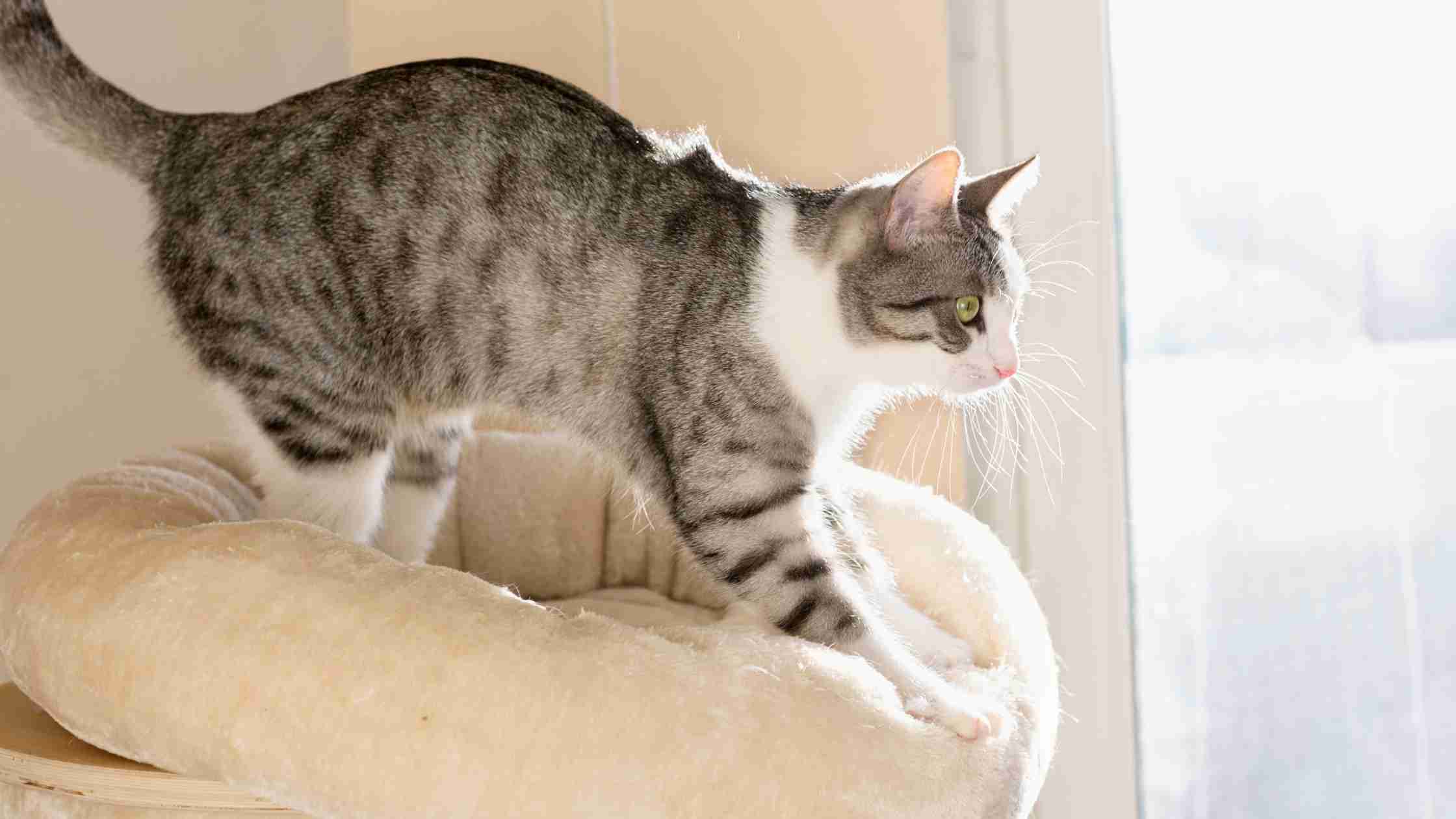
Kneading is a behavior that begins in kittenhood. When kittens nurse, they knead their mother’s belly to stimulate milk flow.
This action is comforting and nurturing, creating a bonding experience between mother and kitten. Even as cats grow into adults, their instinct to knead remains ingrained.
A Sign of Contentment
Kneading often happens when a cat feels exceptionally relaxed and content. If your cat kneads your stomach, it’s a sign that they feel safe and comfortable with you. This behavior manifests their affection, a non-verbal expression of trust and security.
Marking Territory
Cats have scent glands in their paws, and kneading helps them mark their territory. By pressing their paws against you, they leave their scent behind, signaling to other animals that you belong to them. This behavior is a natural part of their instinct to establish and maintain territory.
The Comfort Factor
Seeking Warmth
Cats are drawn to warm, soft places, and your stomach is ideal. Your body’s warmth provides a cozy environment for your cat, and kneading helps them create an even more comfortable nest. This behavior is reminiscent of their days as kittens, seeking the warmth and security of their mother’s mother’s belly.
Soft Textures
Cats are known for their love of soft, plush surfaces. Whether it’s a cozy blanket, a comfy pillow, or your stomach, these textures are irresistible to them. Kneading helps them soften the surface further, making it even more inviting. This behavior is a testament to their desire for comfort and luxury.
Relieving Stress
Just like humans, cats can experience stress and anxiety. Kneading is a self-soothing behavior that helps them relax and unwind. The repetitive motion and pressing against a soft surface can be incredibly calming for a stressed or anxious cat.
The Emotional Connection
Bonding with Their Human
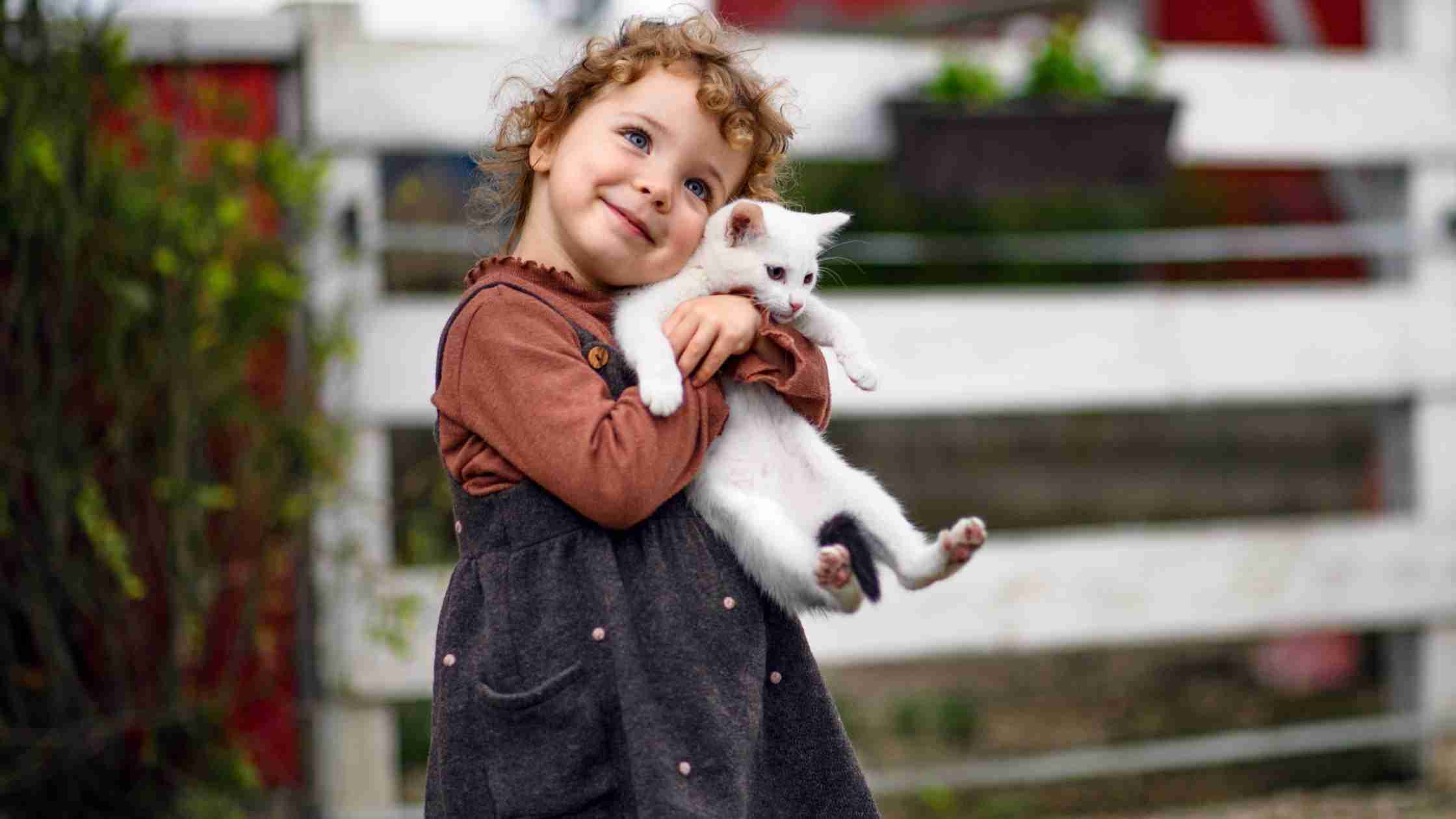
When your cat kneads your stomach, it’s their way of bonding with you. This behavior is not just about comfort but also about creating a deeper emotional connection. Kneading is a sign of trust and affection, a way for your cat to feel safe and secure in your presence.
Show of Affection
Kneading can be compared to a hug or a cuddle. It’s a physical expression of love and appreciation. When your cat kneads you, it tells you it cares about you and enjoys being close to you. This behavior strengthens the bond between you and your feline friend.
Trust and Security
A cat needs to feel completely at ease to knead on your stomach. This behavior indicates that the cat trusts you implicitly and feels secure in your company. It’s a sign that the cat considers you a part of their inner circle, a companion they can rely on.
Kneading and Your Cat’sCat’s Health
Physical Exercise
Kneading provides a form of physical exercise for your cat. The repetitive motion helps keep their muscles toned and flexible. It’s a low-impact activity that contributes to their overall physical well-being.
Mental Stimulation
The act of kneading stimulates your cat mentally. It’s an engaging activity that keeps their mind sharp and focused. This mental stimulation is essential for maintaining your cat’s cognitive health, especially as they ages.
Emotional Well-being
Kneading plays a crucial role in your cat’s emotional well-being. It helps them manage stress, feel content, and maintain a positive emotional state. This behavior is a natural way for them to cope with the ups and downs of their daily life.
Why Some Cats Knead More Than Others
Personality Traits
Just like humans, cats have unique personalities. Some cats are naturally more affectionate and expressive, leading them to knead more frequently. Others may be more reserved and less inclined to engage in this behavior. Understanding your cat’s personality can help you interpret their kneading habits.
Past Experiences
A cat’s past experiences can influence its kneading behavior. Well-socialized cats that positively interact with humans may be more likely to knead. Conversely, cats with less socialization or negative experiences may be more hesitant to engage in this behavior.
Environmental Factors
The environment in which your cat lives can also affect their kneading habits. A calm, stress-free environment encourages kneading, while a chaotic or stressful one may inhibit it. Providing a stable, nurturing environment can promote positive behaviors like kneading.
ALSO READ – Understanding a Hard Stomach: Causes and Solutions
Managing Kneading Behavior
Setting Boundaries
While kneading is a natural and affectionate behavior, it can be significantly uncomfortable if your cat extends their claws. Setting gentle boundaries can help manage this behavior. You can redirect their attention to a soft blanket or cushion, providing an alternative kneading surface.
Regular Nail Trimming
Keeping your cat’s nails trimmed can minimize discomfort during kneading. Regular nail trimming is essential to cat care, ensuring that their claws remain manageable and reducing the risk of injury to you and your cat.
Positive Reinforcement
Positive reinforcement can help guide your cat’s kneading behavior. Reward them with treats or affection when they knead on appropriate surfaces. This approach encourages them to continue the behavior in a manner that’s comfortable for both of you.
Conclusion
Understanding why cats knead your stomach can deepen your bond with your feline friend. This behavior is a blend of instinct, comfort, and affection, rooted in their earliest experiences as kittens.
By recognizing the reasons behind kneading, you can appreciate this endearing habit and ensure your cat’s well-being.
FAQs:
Is Kneading a Sign of Affection?
Yes, kneading is a sign of affection. It’s a behavior that indicates your cat feels safe, comfortable, and bonded with you. When your cat kneads your stomach, it expresses its love and trust.
Can Kneading Be a Sign of Health Issues?
While kneading is generally healthy, excessive or compulsive kneading could indicate underlying health issues. If your cat’s kneading becomes obsessive or is accompanied by other concerning behaviors, it’s best to consult your veterinarian.
How Can I Encourage Healthy Kneading?
Encouraging healthy kneading involves providing a comfortable and stress-free environment for your cat. Soft surfaces, regular playtime, and positive reinforcement can promote healthy kneading habits.