

Nuts are more than just a tasty treat. They pack a punch when it comes to nutrition and health benefits. Today, we’ll explore two of the most popular nuts – pistachios and almonds.
If you’re a health-conscious consumer, a nut lover, or a food blogger looking for new content ideas, this blog post is for you.
Pistachios and almonds have been cherished for centuries. Both nuts are known for their unique flavors and impressive nutritional profiles. But which one should you reach for during your next snack break?
In this post, we’ll explore the importance of these nuts in diet and culture, their nutritional benefits, culinary uses, and tips on growing, harvesting, buying, and storing.
By the end, you’ll better understand how to incorporate these nuts into your daily diet.
Nutritional Benefits
Both pistachios and almonds are nutritional powerhouses. But what makes them so unique?
Pistachios are rich in protein, fiber, and healthy fats. They also contain essential vitamins and minerals like Vitamin B6, thiamine, and copper. Almonds are packed with Vitamin E, magnesium, and manganese. They’re also a great source of antioxidants.
Regular consumption of these nuts can provide numerous health benefits. But what exactly are these benefits?
Overview of Key Nutrients
Pistachios
- Protein
- Fiber
- Healthy fats
- Vitamin B6
- Thiamine
- Copper
Almonds
- Vitamin E
- Magnesium
- Manganese
- Antioxidants
Health Benefits

Heart Health
Pistachios and almonds are great for heart health. They help reduce harmful cholesterol levels and improve good cholesterol, which can lower one’s risk of heart disease.
Regular consumption of these nuts can also improve blood vessel function. They help keep your arteries clear and reduce inflammation.
Weight Management
Are you trying to lose weight? Nuts can help. Despite being calorie-dense, pistachios and almonds can aid in weight management.
Their high protein and fiber content helps you feel full longer, which can prevent overeating and help with portion control.
Antioxidant Properties
Both nuts are rich in antioxidants, which help protect your cells from damage. Almonds, in particular, are high in Vitamin E, a powerful antioxidant.
Pistachios also contain lutein and zeaxanthin, which are suitable for eye health. Including these nuts in your diet can help fight inflammation and reduce the risk of chronic diseases.
Basic Information on Cultivation
Pistachios and almonds require specific growing conditions. They thrive in warm, dry climates.
Pistachio trees take about 5-7 years to produce nuts, while almond trees start producing after 3-4 years.
Main Growing Regions
Pistachios are primarily grown in Iran, the United States (California), and Turkey, while almonds are mainly produced in the United States (California), Spain, and Iran.
Buying and Storing
To get the best quality nuts, follow these tips.
Tips for Purchasing the Best Quality
- Look for nuts that are uniform in size and color.
- Avoid nuts with cracks, holes, or mold.
- opt for unsalted and unflavored varieties to avoid added sodium and sugars.
How to Store for Maximum Freshness
Store nuts in an airtight container. Keep them in a cool, dark place to maintain freshness.
For long-term storage, refrigerate or freeze them. This can extend their shelf life and prevent rancidity.
Fun Facts
Did you know?
- Pistachios are technically seeds, not nuts.
- Almonds are part of the peach family.
- Pistachios are often called the “smiling nut” in Iran.
- Almonds were one of the earliest cultivated foods.
Which is better for you, almonds or pistachios?
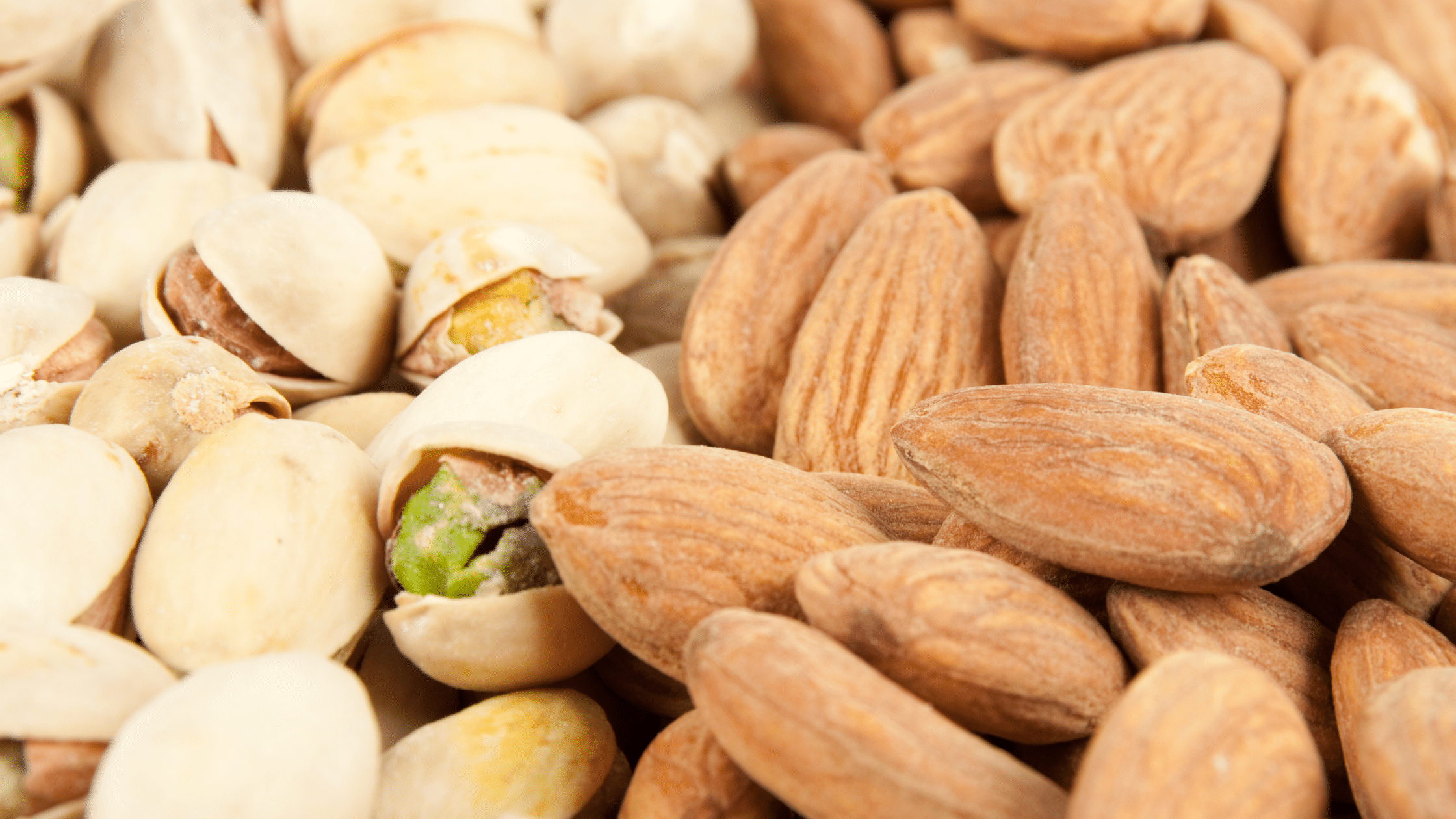
Choosing between almonds and pistachios can be a delightful challenge, as both nuts offer unique benefits that contribute to your overall well-being.
Almonds are rich in vitamin E, a powerful antioxidant that supports skin health and boosts your immune system. They contain healthy monounsaturated fats and fiber, which can help manage cholesterol levels and support heart health. Almonds also provide a good source of magnesium, essential for muscle function and energy production.
Conversely, Pistachios are packed with antioxidants like lutein and zeaxanthin, which promote eye health. They are slightly lower in calories than almonds and have a higher protein content per ounce, making them an excellent option for muscle repair and growth. Pistachios also contain significant potassium, which helps regulate fluid balance and muscle contractions.
Ultimately, the choice depends on your personal health goals and dietary preferences. Almonds might be the better choice if you’re looking for a boost in vitamin E and magnesium. Pistachios could be the way to go if you need more protein and potassium.
Incorporating both nuts into your diet can offer a balanced mix of nutrients, supporting your journey toward holistic wellness. Listen to your body’s needs and enjoy these nutritious snacks as part of a diverse and healthy diet.
What nut is superior to almonds?
In the wellness journey, it’s essential to recognize that no single nut can be deemed “superior” to almonds, as each type of nut offers its unique set of benefits. However, exploring other nutritious options can add variety and balance to your diet.
One such option is walnuts. Walnuts are celebrated for their high levels of omega-3 fatty acids, which are vital for brain health and reducing inflammation. To delve deeper into the benefits of incorporating walnuts.
Another noteworthy contender is Brazil nuts. These are mainly known for their rich selenium content, an essential mineral that supports thyroid function and boosts immunity.
While almonds offer exceptional nutritional value, integrating a variety of nuts like walnuts and Brazil nuts can provide a broader spectrum of nutrients. This approach supports your physical health and nurtures your overall well-being. Discover more tips on creating a balanced diet.
Your journey towards wellness is unique, and choosing a diverse range of nutritious foods can empower you to achieve holistic health.
Which is more costly, pistachios or almonds?
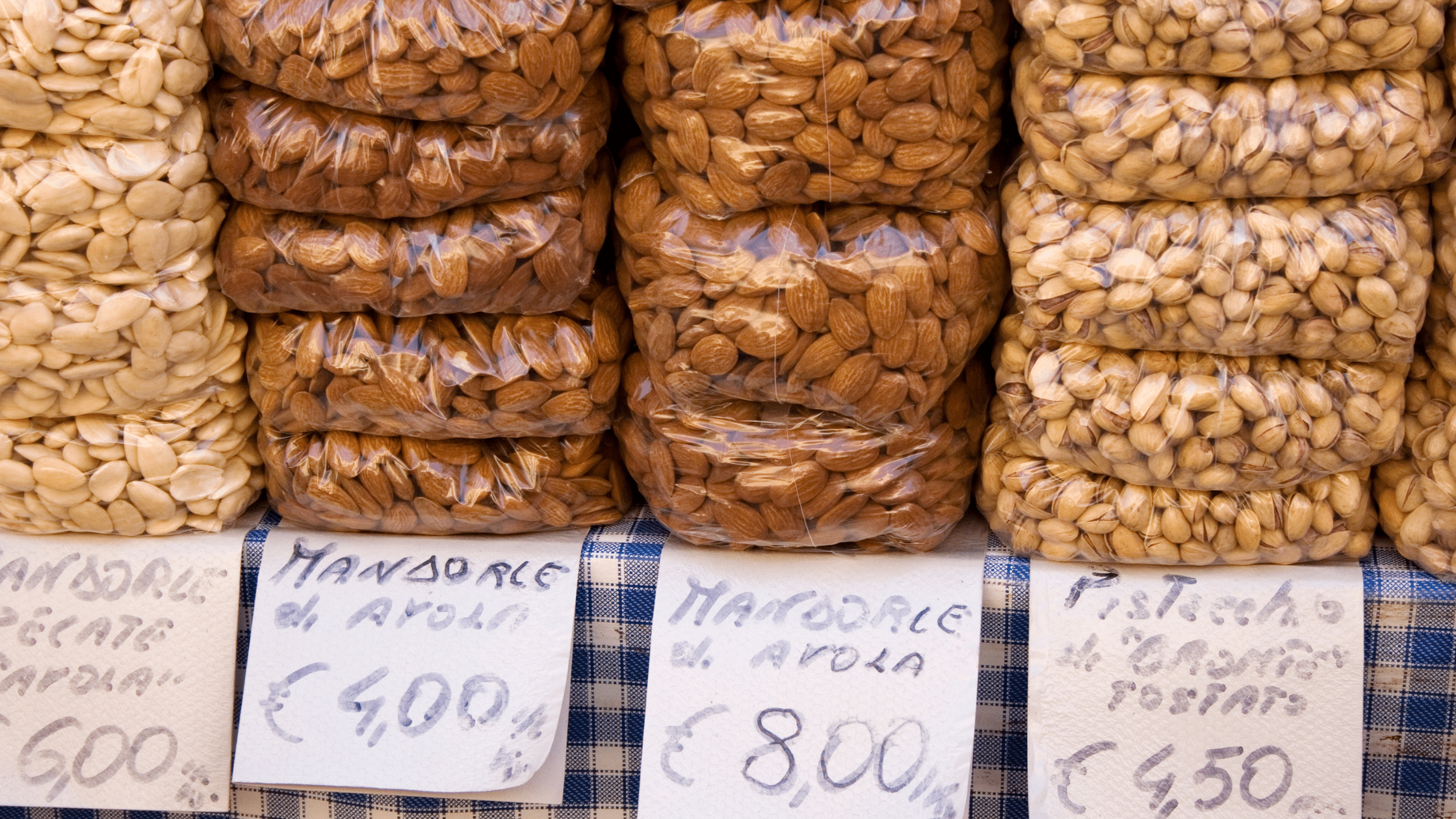
When considering the cost of pistachios and almonds, it’s essential to recognize that prices can vary based on location, brand, and whether the nuts are organic or conventionally grown.
Typically, pistachios are more expensive than almonds. This is partly due to the labor-intensive harvesting process, which involves shaking the trees and then carefully drying and processing the nuts. Additionally, pistachio trees take longer to mature and produce an entire crop than almond trees, contributing to higher costs.
Almonds, while still an investment in your health, are often more affordable. They are produced in larger quantities and have a more straightforward harvesting process, which helps keep prices lower in comparison.
Ultimately, both pistachios and almonds offer valuable nutritional benefits. Choosing between them might come down to your personal preferences and budget. Including various nuts in your diet can provide a balanced array of nutrients, supporting your journey towards holistic well-being.
Conclusion
Pistachios and almonds are more than just delicious snacks. They offer numerous health benefits and can be used in various culinary ways. From improving heart health to aiding in weight management, these nuts are valuable to any diet.
Consider incorporating pistachios and almonds into your daily routine to boost your health. Your body will thank you!
Ready to explore more? Check out our latest articles on healthy eating and wellness. And remember, every small step towards better health counts!