


Magnesium is one of the most essential minerals your body needs for proper functioning. It is necessary for maintaining a healthy heartbeat, regulating blood sugar levels, proper nerve function, and muscle contractions.
Unfortunately, many people suffer from severe magnesium deficiency alone, which can lead to a variety of health problems and complications.
In this blog post, we will explore the causes and symptoms of subclinical magnesium deficiency and some tips for getting enough of this crucial mineral in your diet.
Magnesium: Your Essential Mineral for a Healthy Body and Mind
Ensuring your body functions appropriately requires adequate magnesium intake, one of the most crucial minerals. From supporting a healthy heartbeat to regulating blood sugar and enabling proper nerve function and muscle contractions, magnesium is vital.
Regrettably, many individuals suffer from significant magnesium deficiency, which can lead to various health complications.
Let’s delve into the causes and symptoms of subclinical magnesium deficiency and discover tips for incorporating this essential mineral into your diet.
Causes of Magnesium Deficiency
A poor diet remains a primary cause of magnesium deficiency. While magnesium-rich foods like leafy greens, nuts, seeds, whole grains, and legumes exist, many people fail to consume them sufficiently.
Additional factors contributing to magnesium deficiency include alcoholism, kidney and cardiovascular disease, and certain medications such as diuretics and antibiotics.
Symptoms of Magnesium Deficiency
Symptoms of magnesium deficiency can vary depending on their severity. Common indicators include muscle cramps, fatigue, anxiety, and irregular heartbeat. Moreover, inadequate magnesium intake can increase the risk of osteoporosis, negatively impacting bone health.
If you’re experiencing any of these symptoms, it is crucial to consult your doctor and have your magnesium levels tested.
Getting Enough Magnesium in Your Diet
Preventing magnesium deficiency starts with a balanced and nutritious diet. Excellent sources of magnesium include spinach, almonds, avocado, and dark chocolate. In cases where dietary intake falls short, magnesium supplements may be considered after consulting with a medical professional to ensure safety.
The Significance of Magnesium for Your Health
Magnesium is vital in more than 300 essential chemical reactions in your body, making it crucial for your overall health and well-being. Its benefits range from regulating blood pressure and enhancing sleep quality to reducing anxiety and inflammation.
In addition, magnesium contributes to the prevention of heart disease and stroke. Thus, ensuring you obtain adequate amounts of this essential mineral can significantly improve your overall health.
Chronic magnesium deficiency can lead to other diseases

Are you wondering about the long-term effects of not having enough magnesium in your body? It’s a great question showing you’re committed to taking care of your health.
Magnesium is a bit like a backstage crew member at a concert. You may not see it, but it’s working hard behind the scenes. From turning food into energy and keeping our heartbeat steady to strengthening our bones and teeth, magnesium does it all!
But what happens when this backstage hero isn’t around as much as it should be? Over time, chronic low magnesium can lead to other health problems. This might sound scary, but knowing about it is the first step towards prevention.
Some people with long-term low magnesium might develop conditions like type 2 diabetes, heart disease, or even migraines. Others could face problems with their bone health. Isn’t it surprising how one little mineral can have such a big impact?
Now, imagine someone who regularly includes magnesium-rich foods in their diet, like spinach, nuts, and whole grains. They share, “I feel more energetic, my heart feels stronger, and I haven’t had a migraine in months!” Wouldn’t you want to experience that too?
Remember, you have the power to make healthy choices for your body. So why not start today? Add some magnesium-rich foods to your meals. Your body will thank you for it!
Daily Recommended Amounts of Magnesium for Adults
Magnesium, our silent hero, is constantly working behind the scenes. From transforming food into energy to ensuring our heartbeat stays steady, magnesium takes care of us.
But how much of this beautiful mineral do we need each day? For adult men, it’s recommended to have about 400-420 milligrams per day. And for adult women, it’s around 310-320 milligrams per day. Surprised? It’s not as much as you might think, right?
Imagine if you could quickly meet these daily requirements by choosing foods rich in magnesium. Foods like leafy greens, nuts, and whole grains are excellent sources. Picture yourself saying, “I feel more energetic, my heart feels stronger, and I’m taking care of my overall health!” Doesn’t that sound great?
Remember, you have the power to make mindful eating choices every single day. So, why not start now? Add some magnesium-rich foods to your meals. Your body will indeed thank you for it!
As always, if you have any concerns about your magnesium levels or diet, don’t hesitate to contact a healthcare professional. They can provide personalized advice based on your unique needs.
Can You Test for Low Magnesium on Your Own?
Are you wondering if you can properly test for low magnesium levels on your own at home? That’s an excellent question! It shows that you’re serious about taking control of your health, and we’re here to support you.
Yes, you can! There are simple at-home test kits available that can help you check your magnesium levels. These kits involve a small finger prick to collect a blood sample. This sample is then sent off to a lab where it is analyzed. It’s almost like having a mini science experiment in your home!
And guess what? The results from these tests can provide valuable information about your body’s magnesium toxicity levels. If the levels are too low, you’ll know it’s time to change your diet or lifestyle. Isn’t it amazing that you can take such significant steps towards better health alone?
But remember, while these at-home tests can be helpful, they don’t replace the advice and care of healthcare professionals. If your test results show low magnesium levels, it’s a good idea to reach out to your doctor or a registered dietitian. They can provide personalized advice based on your unique needs.
So, are you ready to become a health detective right from the comfort of your own home? Remember, every step you take toward understanding your body’s needs is toward better health.
(Sources: WebMD, MedlinePlus, Forth, Houston Methodist, Jigsaw Health, Vivoo, Healthline)
How is magnesium deficiency treated?

Magnesium is like a superhero in your body, doing many vital jobs. But sometimes, even superheroes need a little help. So, what can you do when your body’s magnesium levels are low?
Firstly, adding more magnesium-rich foods to your meals can significantly help. Imagine enjoying a handful of almonds, a bowl of whole-grain cereal, or a plate of spinach. You’re treating your taste buds to something delicious and giving your body the magnesium boost it needs!
Secondly, some people might need to take magnesium supplements. Picture yourself saying, “I’m taking control of my health by ensuring I get enough magnesium daily!” Feels empowering.
But remember, not all magnesium supplements are created equal. The body better absorbs some than others. That’s where your healthcare provider comes in. They can recommend the right type and dose of supplement for you.
Finally, addressing any underlying issues that might be causing your magnesium deficiency is essential. This could mean changing certain medications or treating other health conditions.
Can you imagine how good it will feel knowing you’re doing everything possible to support your body’s health? Your body will indeed thank you for it!
Is there a magnesium deficiency test?

Yes, there is a test that can check your body’s deficiency of magnesium causes your levels. This test is called a magnesium blood test. Picture it as a mini detective looking for clues about the amount of magnesium in your blood.
Here’s how it works: A healthcare provider takes a small sample of your blood. This sample is then sent off to a lab where it’s analyzed. It’s like sending off a letter, but instead of words, it contains information about your health!
And guess what? This test can tell whether your serum magnesium levels are normal, low, or even high. Amazing. You can get so much information from just a small sample of blood.
Moreover, you can even get a magnesium deficiency test without waiting or paying for a doctor’s appointment. You can purchase a magnesium lab test online. It’s like shopping for health!
But remember, while this test is a great tool, it doesn’t replace the advice of healthcare professionals. If your test results show low magnesium levels, it’s a good idea to reach out to your doctor. They can provide personalized advice based on your unique needs.
Low Magnesium May Be a Sign of Preeclampsia in Pregnant People

Preeclampsia is a condition that can happen during pregnancy. It causes high blood pressure and can lead to serious problems if not treated. Imagine magnesium as a superhero that helps the body in many ways, including keeping our blood pressure at normal levels.
Research suggests that people with preeclampsia often have lower levels of magnesium than those without this condition. So, low magnesium could indeed be a sign of preeclampsia. Isn’t it fascinating how one element can tell us so much about our health?
Additionally, magnesium has another superpower! It can also help treat preeclampsia. Medical professionals sometimes use a type of magnesium therapy to prevent seizures, a possible complication of preeclampsia. It’s like having a secret weapon to protect both the pregnant person and their baby!
But remember, while these findings are significant, they don’t replace the advice of healthcare professionals. If you’re pregnant and worried about preeclampsia or your magnesium levels, it’s a good idea to reach out to your doctor. They can provide personalized advice based on your unique needs.
Will magnesium supplements help me?
Are you pondering whether magnesium supplements could be your ticket to better health? That’s a fantastic question! It shows you’re committed to pursuing a healthier lifestyle. Let’s explore this together, shall we?
Magnesium is like a superhero that your body needs. It helps with many essential things, like keeping your heart healthy and your muscles working right and even ensuring your brain functions the best it can. It’s pretty amazing!
Now, imagine yourself taking a magnesium supplement each day. Could this simple act boost your health? The answer is: it might! For some people, taking a magnesium supplement can help them meet their body’s daily need for this vital mineral.
Think about it: if your diet isn’t supplying enough magnesium, a supplement could fill in the gap. How empowering is it to know that you have the power to support your body’s needs?
And guess what? Some people have shared their experiences of how magnesium supplements helped them. They’ve reported benefits like better sleep, less muscle cramps, and reduced stress. Picture yourself experiencing these positive changes. Feels good.
But remember, while magnesium absorption supplements can be helpful, they’re not suitable for everyone. That’s why talking to your healthcare provider before starting any new supplement routine is essential. They can guide you on how to get the right amount of magnesium for your unique needs.
So, are you ready to take the next step on your journey to better health? Remember, every step you take is closer to feeling your best. And as always, we’re here to support you along the way!
(Sources: National Institutes of Health, Mayo Clinic, Healthline)
Magnesium, Potassium, Vitamin D, and Calcium
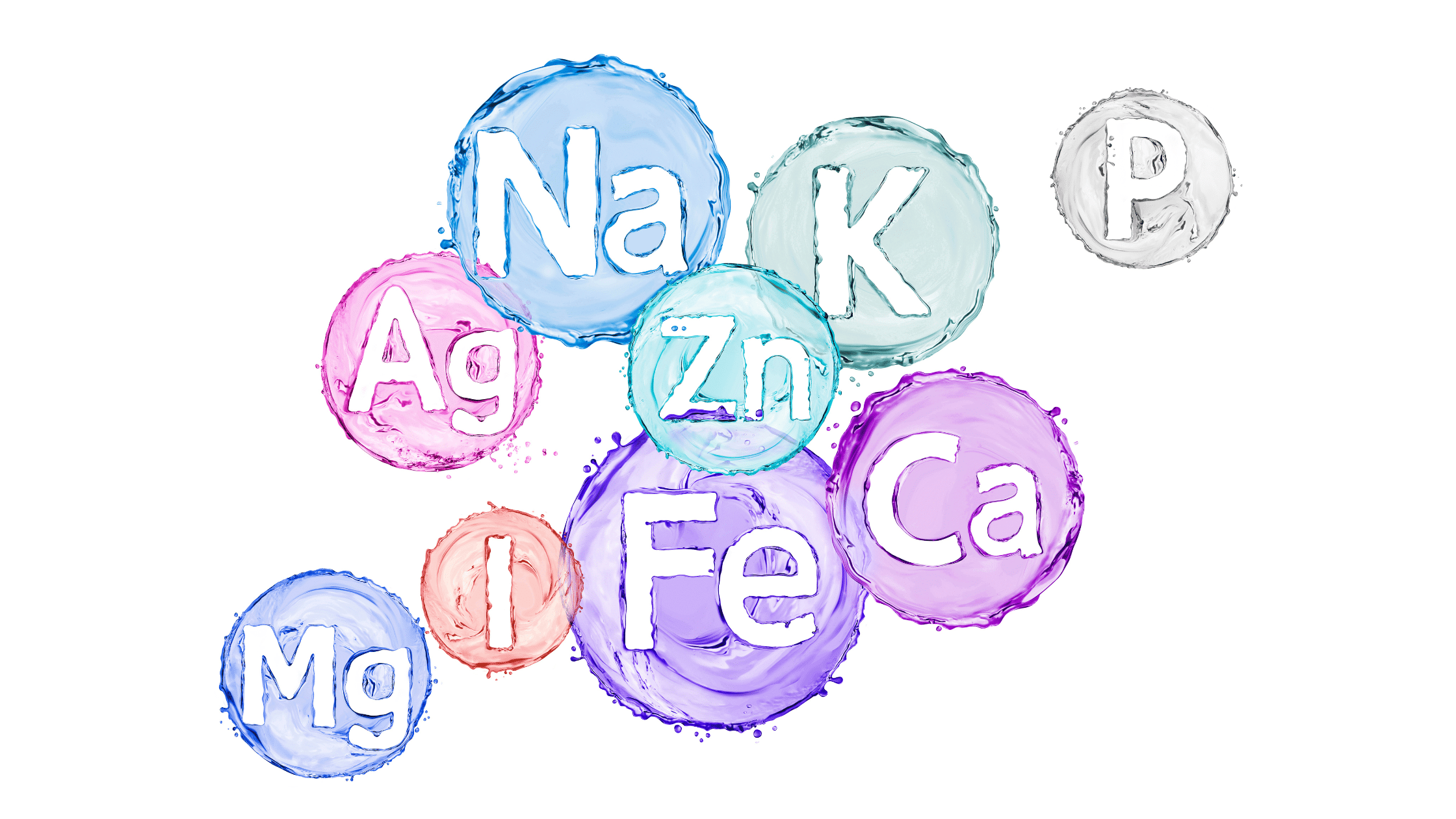
Are you curious about the role of magnesium, potassium, vitamin D, and calcium in your body? That’s amazing! It shows you’re dedicated to understanding your body’s needs for a healthier and more mindful lifestyle. So, let’s uncover these health secrets together, shall we?
Imagine each of these nutrients as superheroes, each with its unique powers to help your body function at its best. Pretty cool, right?
First up, we have Magnesium. Like a mighty helper, it supports muscle and nerve function, keeps your heart beating steadily, and even helps build strong bones. Picture it as the all-rounder of your body’s team!
Next, meet Potassium. This superhero helps regulate fluid balance, muscle contractions, and nerve signals. It’s like the peacekeeper, ensuring everything is working in harmony!
Then we have Vitamin D, the sunshine vitamin. It’s superpower? It helps your body absorb calcium, which is vital for healthy bones and teeth. You could say it’s the best friend calcium needs!
And last but not least, there’s Calcium. This hero is famous for building strong bones and teeth. But did you know it also helps your heart, nerves, and muscles work correctly? It’s quite the multitasker!
Now, imagine your life with enough of these superheroes in your body. You might experience better overall health, stronger bones, and a happier heart. Sounds fantastic.
But remember, while these nutrients are essential, getting the right amount for your unique needs is vital. Too much or too little might not be suitable for your body. That’s why it’s always a great idea to talk to a healthcare provider before making any significant changes to your diet or supplement routine.
Health Risks from Excessive Magnesium
Are you curious whether having too much magnesium could harm your health? That’s an excellent question! It shows that you’re focused on getting enough nutrients and ensuring you don’t get too much. So, let’s dive into this topic together.
Magnesium, as we’ve mentioned before, is a bit like a superhero for your body. But what happens if this superhero shows up in more significant numbers than needed? Well, it can cause some problems.
When you get too much magnesium, it’s like throwing a wrench into the gears of your body’s finely tuned machine. This could lead to issues such as stomach upset, diarrhea, nausea, and even more severe medical conditions, like irregular heartbeat and cardiac arrest. Imagine feeling unwell or having your heart not beat as smoothly as it should – not a pleasant thought, right?
Now, picture this: you’re taking control of your magnesium intake, ensuring you’re getting just the right amount. You’re avoiding the discomfort and potential dangers of excessive magnesium supplementation. Feels empowering.
But here’s the good news: most people don’t get too much excess magnesium just from their diet alone. It’s usually from supplements that people tend to overdo it. So, if you eat a balanced diet and follow the guidelines for any supplements you take, you’re on the right track.
Remember, while magnesium is essential for your health, balance is critical. And when it comes to supplements, it’s always a wise idea to consult with your healthcare provider first. They can provide personalized advice based on your unique needs.
So, are you ready to continue your journey towards mindful and balanced nutrition? Remember, every step you take brings you closer to optimal health. And we’re here to support you along the way!
(Sources: National Institutes of Health, Mayo Clinic)
Conclusion
In conclusion, magnesium deficiency is a common problem that can severely affect your health and well-being. If you are already experiencing symptoms or signs of magnesium deficiency, talk to your doctor about getting your levels tested and developing a plan to increase your magnesium intake.
Eating a healthy diet and ensuring you are getting enough magnesium can improve your overall health and reduce your risk of developing chronic health issues. So, start incorporating magnesium-rich foods into your diet today and feel the difference for yourself!
Eating a healthy diet and ensuring you are getting enough magnesium can improve your overall health and reduce your risk of developing chronic health issues. So, start incorporating magnesium-rich foods into your diet today and feel the difference!