


Do you crave hugs? If so, why do you think that is?
An intense craving for hugs is more than just a longing for comfort; it’s a fundamental human need tied to our emotional and mental well-being.
In this post, “Hug Cravings: Touch and Mental Health Benefits,” we’ll explore why physical touch is vital for our happiness and how it can significantly impact our overall mental health. At times, these cravings can be linked to emotional eating and binges.
The Eating Enlightenment, Food Journal App, can be a valuable tool for understanding these patterns and managing cravings holistically.
The app supports a balanced and mindful approach to your dietary choices and emotional needs by tracking your emotional triggers and eating habits.
1 – Physical Touch Is Your Love Language

Have you ever been sitting in a room and someone walks up to you, wraps their arms around your waist, and leans their head on your shoulder?
If so, what did that feel like for you?
It probably felt good. It might have made you feel better about yourself or the situation. You may even have had an urge to hug them back. That’s because hugs are one of the most common ways people show love for each other.
Hugs can be short or long. They can be bear hugs or gentle embraces. But no matter how different they can be from person to person, all hugs serve the same purpose:
Making two people closer to each other than before.
Hugs are also the universal sign of love. They convey a range of emotions, from deep caring to intense grief, and they can last for just a second, 30 seconds, or more, depending on the type of hug.
The power of hugs is that you can’t fake them, and you can’t fake physical touch. This makes hugs important in any relationship where two people communicate their feelings without words.
Hugs are one of five types of love language: quality time, acts of service, gifts, words of affirmation, and physical touch.
All five types must be represented in your relationships because if you only use one type but not the others, you’ll have trouble communicating with each other about your deepest emotional needs.
2 – You Need Human Touch To Survive (As A Baby)
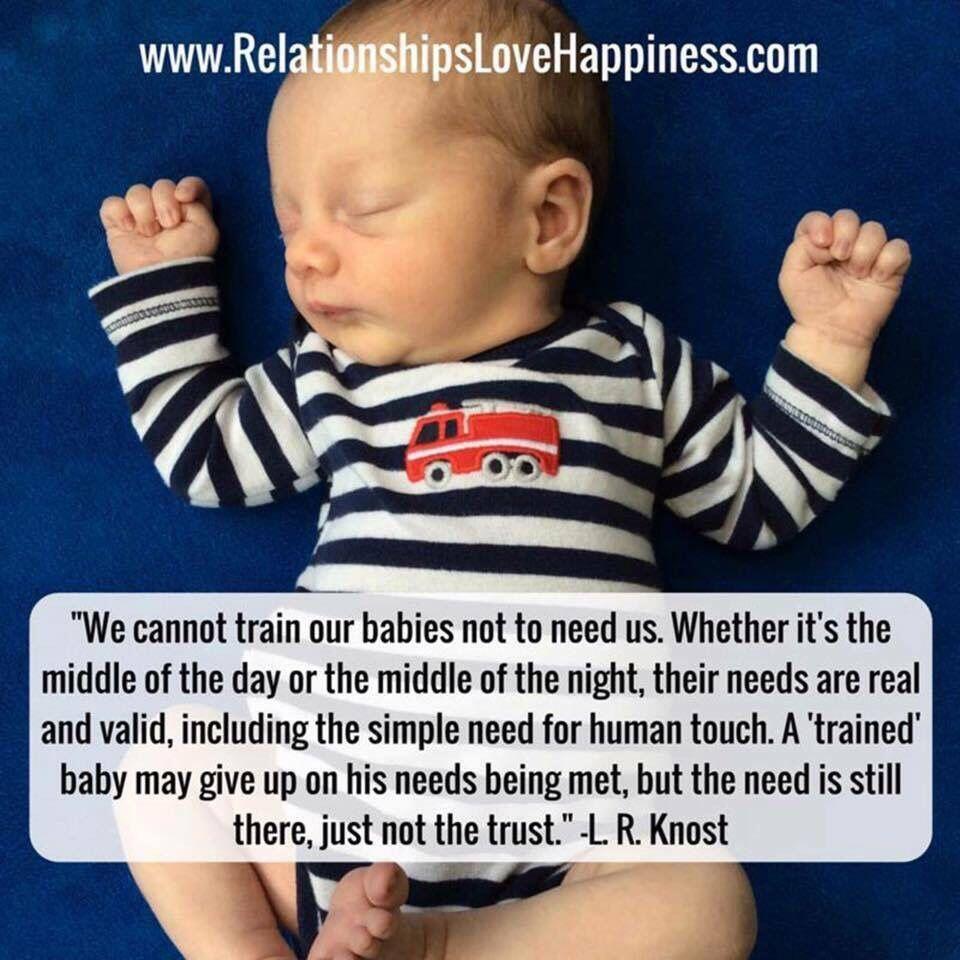
It’s not just human adults who crave hugs. Human babies also need them to survive.
Babies are born with an instinctive drive to connect with people. They get satisfaction from touch, especially skin-to-skin contact that mimics the womb experience.
In fact, without enough of these skin-to-skin touches and other loving gestures during their first weeks of life, some newborns can die.
There is a famous story about an ancient king who wanted to learn Europe’s ‘original’ language. He instructed nurses to raise three babies without speaking a single word or touching these babies.
The nurses were only to feed the babies using dairy milk (not breastfeeding, to prevent human contact) and never to speak to the babies.
The king thought the babies would all grow up and speak German, English, or French. Then, the king would know the original language of Europe.
But the babies all died. Without human touch, even though they had enough nutrition, the babies stopped breathing.
While humans may not technically need hugs to live as adults, you get the point. Hugs are essential and help us stay alive.
Fortunately, humans have developed a strong sense of survival since the beginning. This means our brains naturally know how important it is for new babies to receive love and affection to thrive.
This is why we naturally hug babies unless prevented in doing so by an evil king!
Is It Normal To Crave A Hug?
Yes! Craving hugs is regular.
Many people in many different countries and cultures want to give and receive hugs.
And why wouldn’t they? There are so many reasons why we want hugs!
- Hugs make us feel good because they release endorphins.
- Hugs can also be a way to show love for someone else or express affection.
- Or maybe you’re sad and need physical contact (we all have our ‘down’ moments).
- Maybe something exciting happened, and you want someone close to share that excitement.
- Maybe it has just been too long since you hugged your best friend!
Whatever the reason, though, the point is simple: There are many reasons to want hugs, and so wanting hugs is customary.
3 – Hugs & Physical Contact Are Healthy
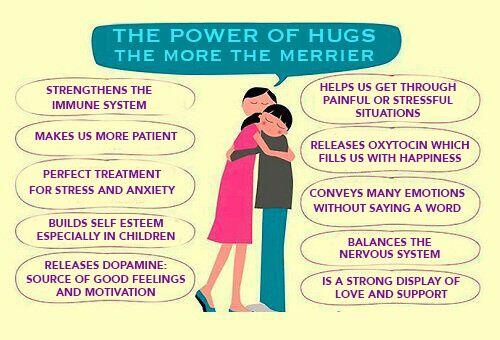
Did you know hugs are good for your health?
Hugs are a natural way to release endorphins, making you feel good and lowering your blood pressure.
Endorphins are also the’ feel-good’ chemicals released into your body and brain during and after exercise!
Endorphins are also linked to better sleep, improved moods, and reduced stress levels.
One study has shown that men who hugged more had fewer cold symptoms than those who didn’t hug as often! Other health benefits include reducing heart disease, boosting immune systems, and relieving pain from arthritis.
Another cool thing about hugs? They help regulate our body’s internal clock. So they could be why we crave them in the morning after waking up.
4 – Human Affection
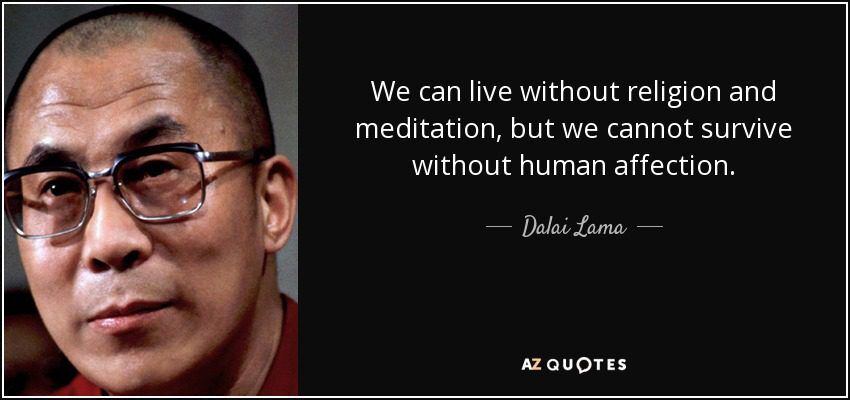
As a society, we have learned to be more and more self-reliant.
We think we are independent people who don’t need anyone else for anything.
But that’s not true. We do need people, which is why it’s so hard when someone in our lives passes away or leaves us. We feel like we can no longer count on them for anything. And even worse, if that person was the only one in our lives who provided love and affection to us!
This is often felt as abandonment by those left behind. It feels like they are not worth any love anymore now that their loved one has gone from this earth.
But even if someone doesn’t feel worthy of love, all humans need love and affection from others around them (even if they’re busy doing something).
Affection from others makes us feel good like we belong!
- You feel like you belong to a community when others show affection for you
- Being ignored or not noticed can lead to feelings of abandonment, isolation, and depression
- When someone shows their love for us, we feel more confident in ourselves
Is It Normal To Crave Physical Affection
Physical affection is normal and healthy. It’s often a sign of love and bonding with other people– even if you’ve never met them.
But what physical touch means varies from person to person, depending on their culture or background. For example, in some cultures, patting someone on the shoulder might be seen as an insult, while it would not be strange in others.
But whatever culture you are from, I guarantee a straightforward thing: there are gestures of physical affection!
For example, in many families worldwide, parents hug their children when they get home from school. Why? Because they’re happy to see them again!
This isn’t seen as weird or inappropriate behavior. This hugging is called “affection,” and there’s nothing wrong with that!
Don’t Feel Guilty About Wanting To Meet Your Emotional Needs
Many people feel guilty about wanting a hug.
It’s often because they’ve been taught that physical affection is only for the young. Or that hugs should be saved for special occasions like birthdays and holidays.
But when you think about it logically, who doesn’t crave hugs? Some of our fondest memories are of sitting on grandpa’s lap and feeling his big warm arms around us or snuggling up to momma with her arms around us while we watch TV together.
Everybody needs love and affection from others! And hugging is one way to show your love for other people in your life.
There’s nothing wrong with meeting your emotional needs by getting a hug.
When Your Physical Needs Become A Burden
Overall, hugs are good for you. It’s natural and normal to want hugs.
However, sometimes, people become too desperate to get hugs. They may ask you at inappropriate moments for a hug. This is why sometimes people search Google, ‘Why do I crave hugs?’
This is when the hug becomes a burden. When this happens it’s important not to give in because you’re only enabling their bad behavior.
The best thing to do is offer support without hugging. They can hopefully move on from this stage of life and learn how to keep healthy boundaries with their friends and acquaintances.
Hugs Can Be Tricky (But Still Overall Very Good!)
If you give people hugs too much, then read this …
Hugs can be tricky because an introductory hug goes a long way in helping to comfort another. One hug can instantly make a family member (or even a random stranger) feel like they matter and are not alone with whatever difficulties life throws them.
Yet despite the physical boundaries we maintain, it’s often difficult for people to say “no” to an urge from their body or mind.
Acknowledge your emotional hunger to hug someone across the room and tell them “No.” This won’t happen overnight, but resisting urges when tempting situations arise is essential.
You can also find other ways to meet your relationship needs through healthy boundaries.
For example, You can hug someone you’re comfortable with and know is acceptable.
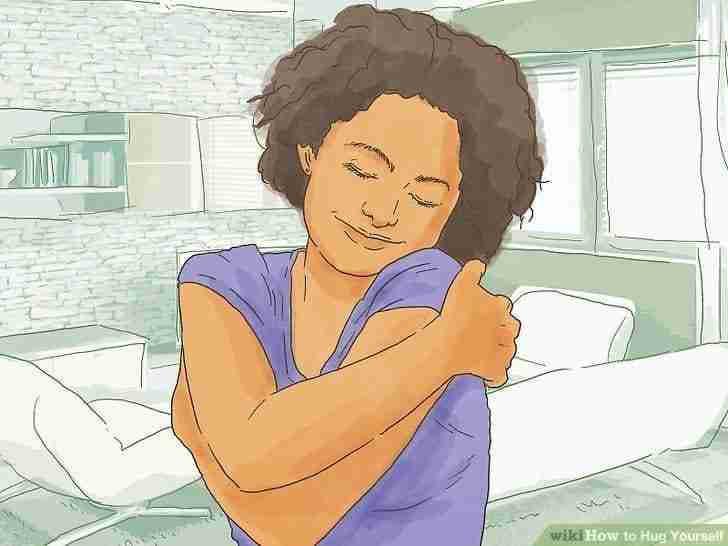
This could mean hugging your spouse when they get home from work or occasionally patting yourself on the back.
If you still crave hugs despite these steps, consider finding a professional counselor near you. It’s important not to intrude on people’s personal space to ‘give them a hug’ because you can come off like a creep!
Final “Why Do I Crave Hugs” Thoughts
The reasons why we crave hugs can be complex, but one thing is for sure – human touch is essential.
It’s a basic need that babies have from the beginning. This need doesn’t go away when you grow up, either. Studies show that adults are healthier when they interact more with others.
Hugs release oxytocin into the bloodstream, which helps to reduce stress hormones like cortisol and adrenaline. Hugs also release dopamine, which makes us feel happy!
So if you’re feeling down or stressed, reach out to hug somebody (or two).
For more info about meeting food deficiencies causing emotional eating, please read my other blog post here!