

You told yourself it wouldn’t happen again.
But there you were—standing in front of the fridge, wrappers on the counter, heart racing, stomach tight. A quiet wave of shame rolling in.
If you’ve been there, you know how disorienting it can feel.
How the binge isn’t just about the food. It’s about something deeper: the longing for control, the fear of losing it, the ache of disconnection.
This article isn’t a list of tips to suppress your cravings. It’s an invitation back into your body.
Through mindful eating exercises, you can begin to rebuild something sacred: trust. Not control, not discipline—trust.
1. The 5-5-5 Breath & Bite Practice
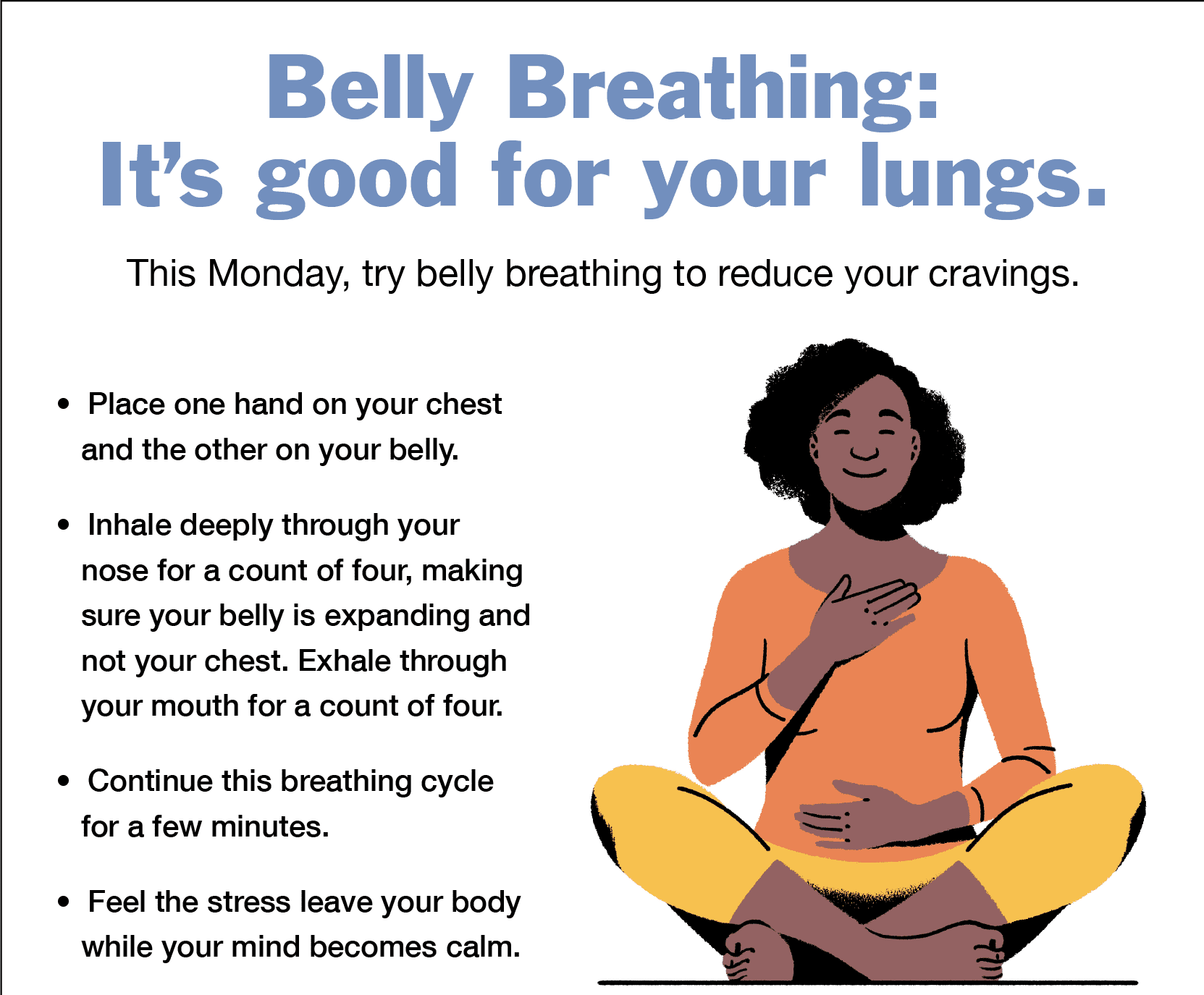
Before the bite—comes the breath.
This exercise begins by helping you re-enter your body before eating. Especially during moments when you feel triggered.
Try this:
- Sit down. Place your feet flat on the ground.
- Take 5 deep breaths. Inhale for 5 seconds, hold for 5, exhale for 5.
- Now, choose your first bite. Smell it. Look at it. Notice the texture.
- Slowly take one bite. Chew fully.
- Let yourself experience—not just the taste—but your body’s reaction.
The point isn’t perfection. It’s presence. Even if you binge afterward, you practiced returning to your body. That matters.
✨ “When we interrupt automaticity with awareness, even for 30 seconds, we open a door to healing.”
Research shows that mindfulness can significantly reduce binge eating behaviors by promoting interoceptive awareness—your ability to feel hunger, fullness, and emotion (Kristeller & Wolever, 2011).
2. The Halfway Pause Check-In
Many people who binge feel like once they start, they can’t stop.
But that’s not entirely true. You can practice pausing—even mid-binge.
It’s not about stopping the binge. It’s about weaving in choice.
The practice:
- Halfway through your plate or snack, place your food down.
- Put your hand over your belly. Take a breath.
- Ask gently: “What am I needing right now?”
Don’t answer from your head—feel into your body. Is it comfort? Rest? Maybe you still want the food. That’s okay.
Every pause is a neural retraining—teaching your system that safety and choice can exist within an urge, not only after it passes.
3. The Hunger–Fullness Body Scan

Many of us were never taught how to feel safe in our bodies.
So when hunger or fullness cues arise, they feel confusing. Or invisible.
This exercise retrains your awareness:
- Before eating, close your eyes. Scan from head to toe.
- On a scale of 0 (empty) to 10 (stuffed), where are you?
- Name any physical sensations: hollow? tight? fluttery?
Do the same thing after eating. Track it over time using our Mindful Meal Journal App.
This practice builds interoceptive trust—your body’s inner GPS for nourishment.
🌿 Nervous system note: If you feel numb or blank during the scan, that’s not failure. It’s information. It means your body may still be in survival mode (shutdown or freeze). Keep practicing. Compassion is the key.
4. The Emotion Naming Ritual
Behind every binge is often a feeling too big to hold.
Mindfulness helps you name the emotion—without needing it to go away.
Before or during eating, ask yourself:
- What am I really feeling right now?
- Can I give that feeling a name?
- Can I sit with it for 60 seconds, even while I eat?
Examples:
- “This is sadness.”
- “This is loneliness.”
- “This is overwhelm in my chest.”
A UCLA study found that naming emotions calms brain activity in the amygdala, helping reduce impulsivity (Lieberman et al., 2007). In simple terms: name it to tame it.
You might still eat. But you’ll begin to experience yourself as a safe place to feel—rather than needing food to hold it all.
5. The “Last Bite of Love” Technique

This one’s subtle—but powerful.
Toward the end of your meal, pause before the final bite.
Ask:
- “What would make this feel complete?”
- “Can I slow down and let this bite land with gratitude?”
This isn’t about restriction. It’s about ritual. About closing a meal with care rather than compulsion.
When we end with mindfulness, we tell our body: “You were fed. You were held. You are safe.”
Over time, this softens the need to overeat—because your nervous system learns that enoughness is not punishment. It’s peace.
Conclusion: You’re Not Broken — You’re Becoming Aware

These mindful eating exercises are not meant to be perfect routines.
They’re invitations. To slow down. To notice. To feel. Even when it’s messy.
If you binge after trying one, that doesn’t mean you failed.
It means you’re practicing. And practice is what rewires the brain.
Bingeing isn’t the problem—it’s the body’s attempt to soothe something deeper.
And that something can be healed. Not by fighting food, but by befriending your body.
Take our free quiz to get clarity on your food relationship.
Try our Mindful Meal App to track your hunger, triggers, and triumphs without judgment.
Explore the Enlighten Eats Course if you’re ready to go deeper.
You’re not alone. You’re not too far gone.
You’re in a process of remembering yourself—bite by bite.