
Picture this—you’ve had a whirlwind of a day. Maybe the pressure at work didn’t ease, and your to-do list only seemed to grow, and now, as you finally sink into your favorite spot on the couch, that familiar thought creeps in: I need a glass of wine.
It feels almost automatic, like an old friend showing up when you need comfort the most. But then comes the question you might have brushed aside before—why do I crave this so often?
If that thought has crossed your mind, you’re not alone. Wine cravings can feel incredibly personal, yet they’re something many of us share.
Whether driven by the stress of the day, a habitual routine, or something more profound, there’s usually more to these cravings than meets the eye. Understanding why you reach for that glass can help you develop a healthier, more mindful relationship with wine—without guilt, without shame.
In this post, we’ll explore some of the most common causes of cravings. From emotional comfort to physiological responses, social habits, and even nutritional factors, each reason sheds light on what your body and mind might be telling you.
Together, we can uncover the “why” behind those cravings—and perhaps rethink how you nourish yourself emotionally and physically. Get comfy—this is going to be eye-opening!
Reason #1. Emotional Triggers
Have you ever noticed wine cravings strike hardest after a particularly stressful or emotional day? Stress, sadness, anxiety, or even boredom can inspire a desire to open a bottle—often as a form of self-soothing. For many, wine is an emotional escape, providing comfort or relief after challenging moments.
When we experience emotional distress, our brains may seek out dopamine, a chemical messenger associated with pleasure and reward. With its calming effects and relaxing rituals, wine can seem like an easy solution. However, relying too heavily on wine to cope can develop into a pattern that does more harm than good.
Practical Tip: Next time you’re tempted to pour a glass, pause and reflect. Are you looking for wine to escape an emotion?
Journaling Prompt: What emotions are you feeling right now? Write them down, and note if a pattern connects certain emotions to your craving for wine. Reflect on other ways you might meet the same emotional need without alcohol.
Reason #2. Nutritional Deficiencies
Believe it or not, your wine cravings might indicate that your body is trying to tell you something. Nutrient deficiencies—particularly in magnesium, zinc, or even sugar—can sometimes lead to alcohol cravings. The sweet notes in wine can become particularly appealing if your body is craving glucose, while deficiencies in magnesium or amino acids may amplify the urge.
Studies have suggested that alcohol consumption can interfere with your body’s absorption of essential nutrients, which only perpetuates this cycle. For instance, habitual drinking may increase cravings as the body adjusts to nutrient imbalances.
Practical Tip: Assess your daily diet. Are you including enough whole foods rich in essential nutrients, such as leafy greens, nuts, or proteins?
Journaling Prompt: Keep a food diary for a week. Track your intake, and jot down instances when wine cravings surface. Look for patterns between certain meals—or skips—and cravings.
Reason #3. Social Influences
A glass of wine often signifies celebration, connection, or relaxation in social settings. From weekend brunches with friends to holiday dinners, wine’s presence can feel almost unavoidable. The normalcy of these social rituals can accidentally make wine consumption habitual, even when it’s not intentional.
Social settings can amplify cravings further through peer pressure or the simple comfort of familiarity. If you find yourself craving wine, it’s worth asking how often social cues and shared experiences play a role.
Practical Tip: Try attending social events without defaulting to wine. Experiment with non-alcoholic options, like sparkling water, to keep cravings in check.
Journaling Prompt: Reflect on your social habits. Does wine enhance the moment, or do you drink more to belong? Write about your last few social outings and their connection to wine.
Reason #4. Habit Formation
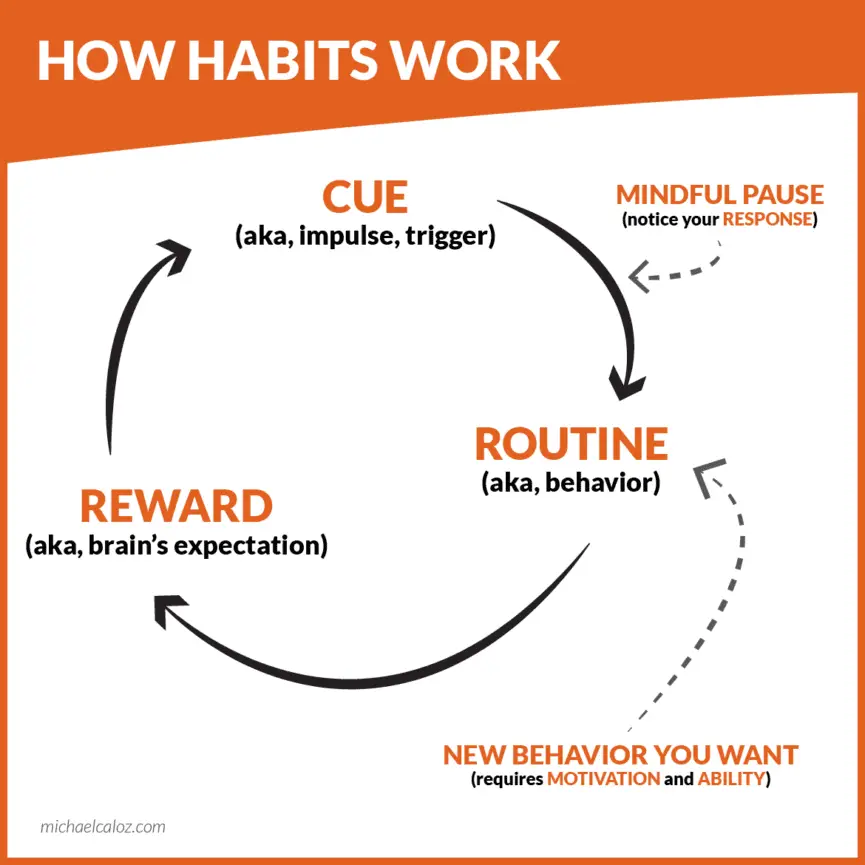
One of the most straightforward explanations for a wine craving is habit. If you’ve developed a routine of reaching for a glass after work or pouring a drink during dinner prep, your brain will naturally anticipate that pattern. Habits are powerful—they thrive on external triggers, like time of day or setting, and can turn once-conscious choices into automatic behaviors.
The good news? While habits can be hard to break, they’re not impossible to change. By interrupting these routines with new actions, you can begin to undo the cycle.
Practical Tip: Introduce a substitute behavior when craving strikes. For instance, try making tea or taking a quick evening walk when you’d usually pour a glass of wine.
Journaling Prompt: Take inventory of your daily routines. When does wine typically fit into your schedule? How might you replace or disrupt those moments with alternative rituals?
Reason #5. Physiological Responses
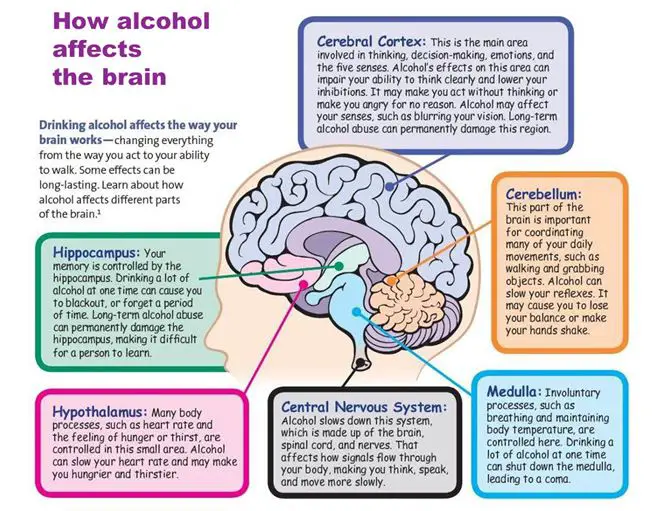
The physiological side of wine cravings is rooted in how alcohol impacts your brain chemistry. Wine, like other alcohol, triggers a release of dopamine and serotonin, two chemicals that promote feelings of pleasure and relaxation. The first sip can quickly signal your brain to associate wine with a reward—a built-in reinforcement loop.
Over time, this response becomes more ingrained, especially after repeated exposure. Even without a dependency, the brain may crave that brief reward, particularly during mental or physical fatigue.
Practical Tip: Break the response by practicing mindfulness about wine consumption. Take note of the sensations you feel when drinking or resisting.
Journaling Prompt: Write about how your body physically feels when wine cravings arise. Are you tense? Tired? Hungry? Journaling these experiences helps you better understand the cravings’ roots.
Understanding Cravings and Binge Eating Disorder

Persistent cravings can sometimes signal Binge Eating Disorder (BED), a condition involving recurring episodes of eating large amounts of food paired with a loss of control.
A typical pattern in BED is the binge-diet cycle—a dynamic where restrictive dieting leads to heightened cravings, followed by binge episodes, and then feelings of guilt or shame, perpetuating the cycle.
Precisely, cravings for wine may reflect several dynamics also seen in BED:
- Emotional Triggers: Wine, like binge eating, can be used as a coping mechanism during times of stress, sadness, or tension. It offers a quick escape or comfort, reinforcing its appeal during emotionally charged moments.
- Restrictive Patterns: Avoiding pleasures—whether food or alcohol—can amplify the desire for them. Over time, these all-or-nothing restrictions create the perfect storm for cravings, particularly for items that symbolize indulgence or relaxation, like wine.
- Brain Response: Consuming food and wine during a binge can stimulate dopamine release, giving the brain a temporary “reward.” This can lead to repeated cravings for the same substance as the brain seeks out that pleasurable sensation again.
Understanding how these cravings align with BED behaviors is key to managing them effectively. If wine cravings feel uncontrollable or tied to emotions, it can be helpful to explore triggers and patterns through techniques like journaling.
The first step is to identify the root cause—whether it be stress, loneliness, or restrictive habits. A compassionate, non-judgmental approach while addressing emotional needs can help disrupt this cycle and develop healthier coping strategies, ultimately fostering more balance with food and drink.
The Eating Enlightenment approach
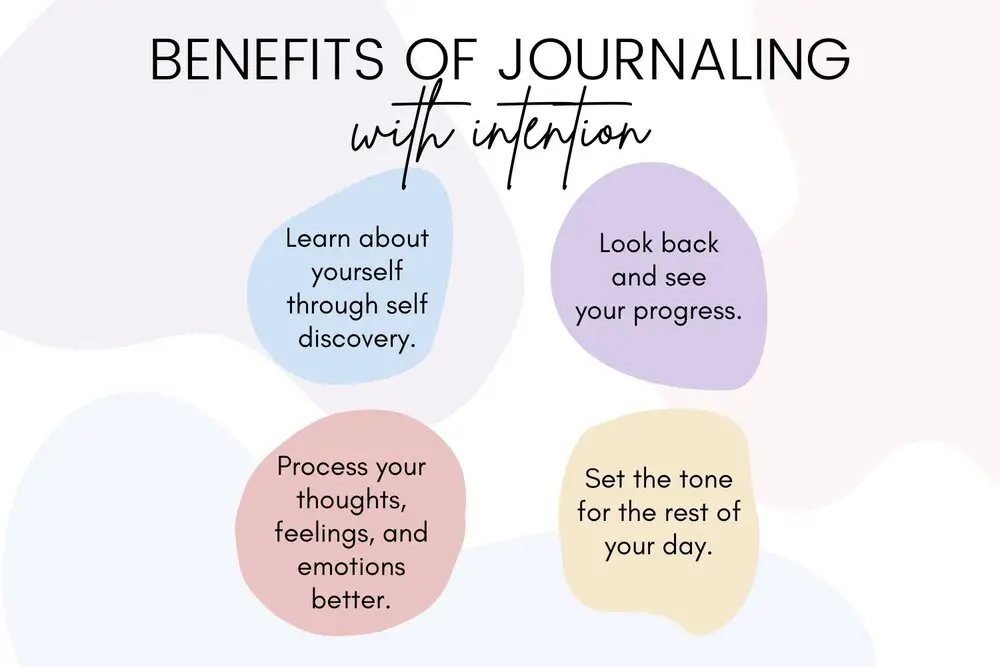
- Nutritional Journaling – Track what and when you eat to identify gaps and address your body’s needs.
- Mindfulness of Triggers – Journal emotional and psychological triggers behind cravings to build awareness.
- Inner Awareness – Use deeper journaling to explore and heal past traumas or emotional wounds.
This approach helps you form a healthier, more balanced relationship with food and your body by understanding and addressing the root causes of cravings.
Conclusion:
Craving wine isn’t just about the drink itself—it often reflects deeper signals from your body and emotions. Recognizing these moments as opportunities for discovery rather than judgment is key to managing them effectively.
Start by practicing mindfulness when cravings arise. Pause, take a deep breath, and reflect on your feelings. Ask yourself if you might be tired, stressed, or seeking comfort. This moment of awareness can create space to choose a response instead of reacting automatically.
Journaling is another powerful tool. By noting your cravings, the emotions preceding them, and the choices you make, you’ll begin to uncover patterns and better understand what drives your urges. It’s a small but meaningful step toward gaining control and transforming your relationship with food and drink.
Take the first step today with the Eating Enlightenment Journal App. This free, intuitive tool is designed to help you track your cravings, explore your emotions, and stay grounded in mindful eating practices.
You deserve to feel empowered and at peace with your choices—why not start now? Download the Eating Enlightenment Journal App and create your path toward balance and self-awareness.