

Why does the thought of lobster suddenly have you daydreaming about its rich, buttery taste and tender meat? Maybe it’s the memory of cracking open a claw at a cozy seaside dinner or just the sheer luxury that lobster represents.
Whatever the reason, there’s no denying that this craving can feel all-consuming, almost like the ocean itself is calling your name. But have you wondered why you’re craving lobster so intensely?
Cravings like these often hold clues, whispered messages from your body, emotions, or past experiences. They might signify a nutritional gap, such as the need for more protein or certain minerals.
Or perhaps it’s tied to a deeper emotional or cultural association—lobster’s reputation as the ultimate comfort or celebration food is hard to ignore. We’re here to unravel the mystery behind these cravings.
Get ready to explore the 13 most intriguing reasons that might explain your yearning for this culinary treasure. You will uncover more about what drives these cravings and learn how to use journaling to connect with your body and mind on a deeper level.
After all, understanding your cravings is the first step in nurturing a healthier, more insightful relationship with food.
#2. Nutritional Deficiencies
- Reason: Lobster is rich in omega-3 fatty acids, zinc, and vitamin B12. A deficiency in these nutrients may spark cravings.
- Example: Omega-3 deficiency is common in people with fewer fish or seafood.
- Journaling Prompt: “What nutrients did I consume today? Have I been meeting my need for healthy fats or zinc recently?”
#3. Protein Needs
- Reason: Your body may crave lobster’s high-protein content when you’re not getting enough protein.
- Example: After intense exercise, your body may signal the need for protein-rich foods.
- Journaling Prompt: “What are my primary protein sources? How do I feel after eating them?”
#4. Emotional Eating
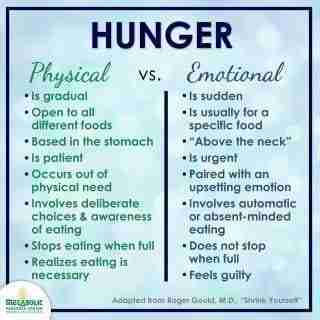
- Reason: Stress or celebratory emotions may make you crave lobster as a comforting or indulgent food.
- Example: Stress at work might make you desire a fine dining experience or a lobster indulgence to unwind.
- Journaling Prompt: “What emotions am I feeling right now? How are these emotions influencing my food choices?”
#5. Cultural Influences
- Reason: Lobster’s association with luxury, special occasions, and fine dining can shape your cravings.
- Example: Watching a romantic dinner scene in a movie featuring lobster might evoke a craving.
- Journaling Prompt: “What memories or cultural values do I associate with lobster?”
#6. Social Settings

- Reason: Eating lobster with friends or family may strengthen its desirability due to the positive associations and social bonding.
- Example: Lobster featured at a festive or holiday feast may trigger nostalgia-driven cravings.
- Journaling Prompt: “Did any recent social event involve lobster? How did that influence my craving?”
#7. Sensory Appeal
- Reason: The rich flavor, unique texture, and satisfying experience of eating lobster make it particularly alluring.
- Example: The memory of dipping lobster meat in melted butter might make your mouth water.
- Journaling Prompt: “What sensory elements of lobster appeal to me most? How do these memories influence my cravings?”
#8. Seasonal Availability

- Reason: Cravings can be heightened during lobster’s peak season, often associated with fresh, local catches.
- Example: Warm summer evenings at the beach might evoke anticipation for fresh lobster.
- Journaling Prompt: “What seasons or times of year make me crave lobster? What feelings do these seasonal connections evoke in me?”
#9. Past Experiences
- Reason: Fond memories of meals featuring lobster may intensify cravings due to the positive emotions linked to the food.
- Example: Recalling a seaside vacation where you enjoyed fresh lobster might contribute to your desire for it now.
- Journaling Prompt: “What past lobster experiences come to mind? How do these memories shape my current craving?”
#10. Advertising and Media
- Reason: An alluring lobster ad or food imagery on TV and social media can amplify cravings.
- Example: Seeing a glamorous restaurant advertisement featuring a lobster dinner might plant the idea in your mind.
- Journaling Prompt: “What recent media or advertising might have influenced my cravings? How did it affect my food choices?”
#11. Hormonal Changes
- Reason: Hormonal fluctuations during pregnancy or menopause, for example, can heighten cravings for specific nutrients like those found in lobster.
- Example: Pregnancy often increases omega-3 cravings due to the body’s increased demand for it.
- Journaling Prompt: “Have there been changes in my hormones or body that might explain this craving?”
#12. Habitual Eating Patterns
- Reason: Regularly consuming indulgent foods like lobster can establish habitual cravings over time.
- Example: Weekly lobster dinners might turn into a conditioned craving.
- Journaling Prompt: “How often do I eat lobster or other similar foods? Are my cravings tied to familiar patterns or rituals?”
#13. Curiosity and Novelty
- Reason: If you’ve never had lobster or rarely eat it, you may crave it as part of a desire for new culinary experiences.
- Example: Watching a cooking show where lobster is prepared might make you curious to try it yourself.
- Journaling Prompt: “Am I craving lobster because it feels adventurous? What other new flavors or foods have piqued my interest recently?”
Cravings and Binge Eating Disorder (BED)
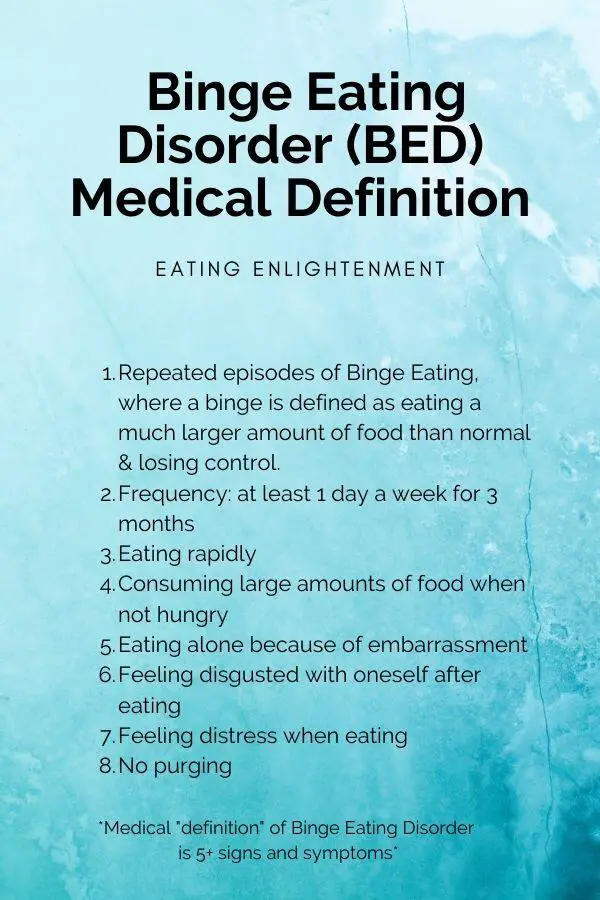
Occasionally, cravings move beyond physical or emotional needs and into patterns like the binge diet cycle, where restriction, intense cravings, indulgence, and subsequent guilt reinforce each other. If this feels familiar, gently ask yourself, “Am I in the cycle of restriction and bingeing? “How can I approach food with more balance and understanding?”
Transforming Cravings Through the Eating Enlightenment Approach
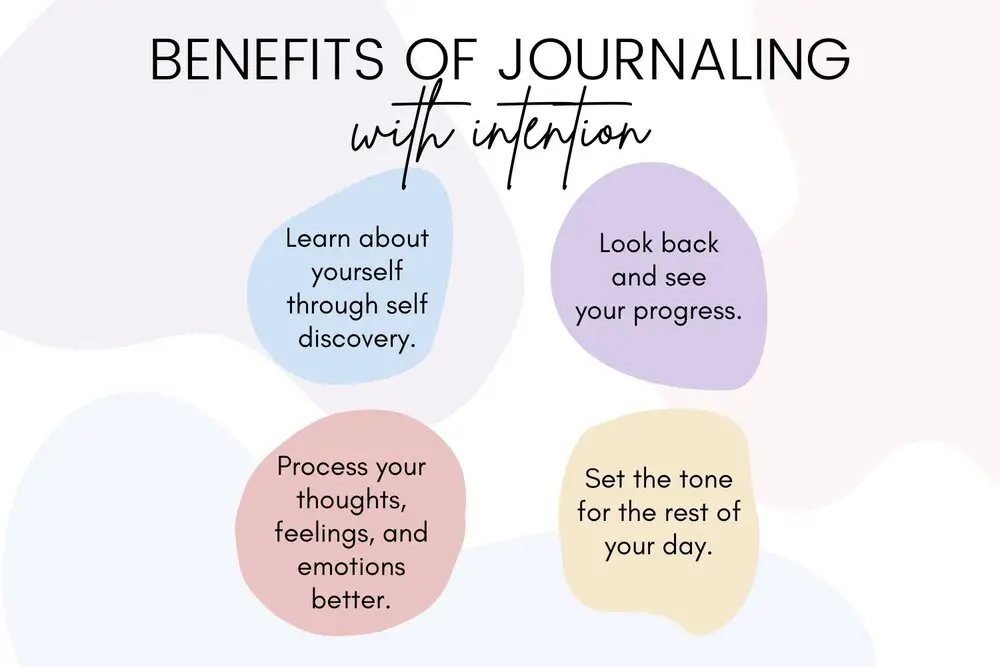
- Nutritional Journaling: Record your meals and reflect daily on whether your body is getting what it needs. Use prompts like, “How did my food choices today support my energy and mood?”
- Mindfulness of Triggers: Pause when cravings arise and observe your environment, thoughts, and feelings. Try, “What happened before my craving began? Was an emotion driving this?”
- Healing Inner Parts: Explore unresolved emotions or memories tied to your cravings. Write about, “What inner voice or past moment does this craving connect to, and how can I nurture myself instead?”
Healthy Tips to Satisfy or Redirect Cravings

- Enjoy Moderation: If you can access lobster, savor it mindfully in a balanced meal.
- Explore Alternatives: Try shrimp, crab, or other seafood if lobster isn’t available.
- Recreate the Feeling: Choose foods or experiences that satisfy similar sensory or emotional desires, such as a warm bubble bath or a song that lifts your spirit.
Cravings are complex—often multi-layered with nutritional and emotional messages. They’re not hurdles to overcome but opportunities to explore yourself more deeply. Whether it’s lobster or something else, every bite can be a chance to connect with what you truly need.
Wrapping Up
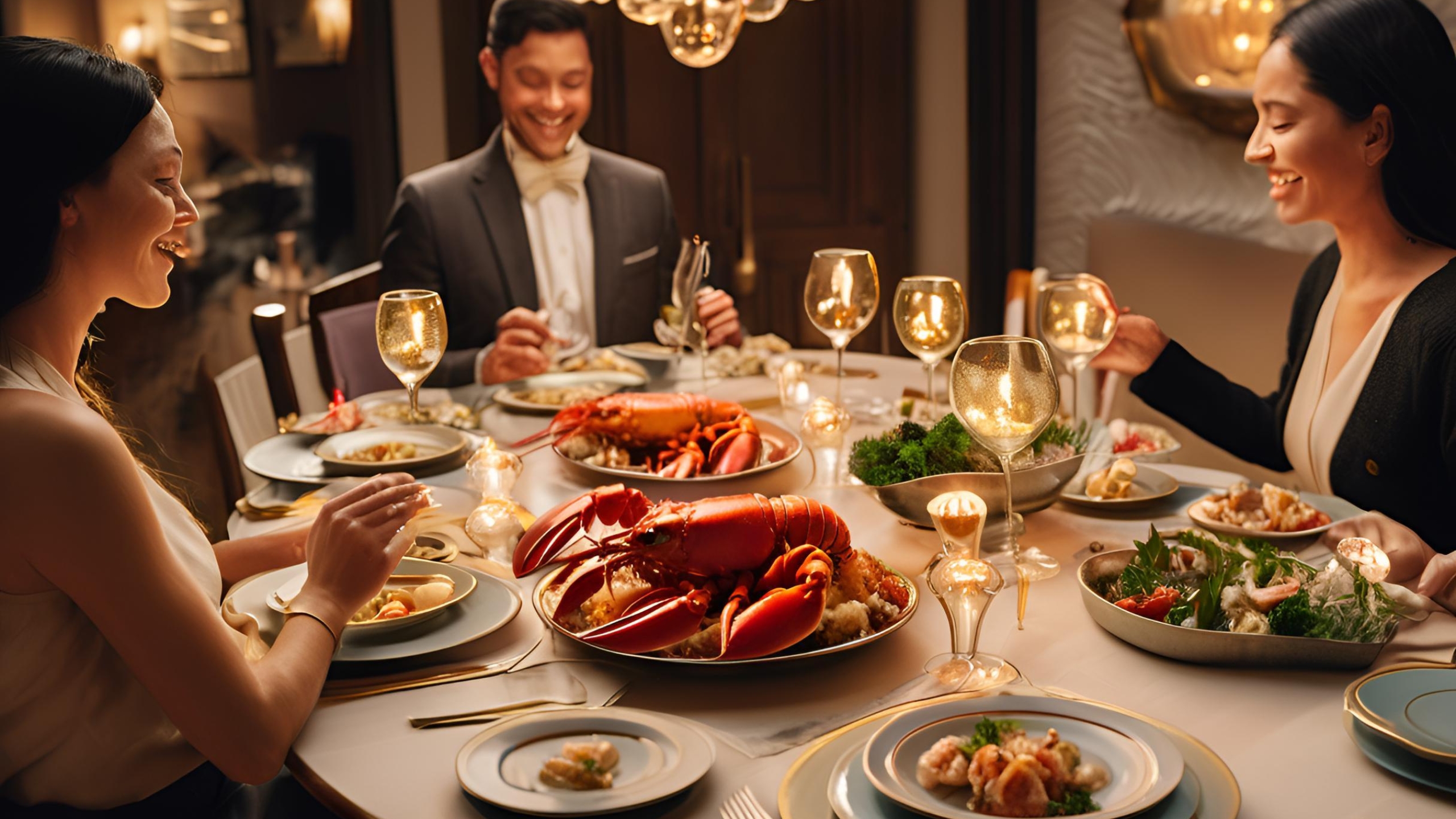
Craving lobster isn’t just about a delicious seafood dish. As we’ve explored, these cravings may stem from various factors—your body’s nutritional needs, emotional associations, or even sensory memories of shared experiences. Whether it’s a need for omega-3s or a desire for comfort, every craving carries a valuable message about your physical and emotional well-being.
Remember, cravings are a natural part of life and can act as a window into understanding your deeper needs. They aren’t something to fear or dismiss but an opportunity to reflect. You can start uncovering these hidden messages with tools like the Eating Enlightenment Journal App.
Journaling helps you connect the dots in your eating habits, whether you’re tracking your nutrient intake, noting triggers, or exploring personal emotions.
Take control of your health by downloading the Eating Enlightenment Journal App today. Begin your mindful eating journey, one entry at a time, and make more informed choices that align with your body’s and mind’s needs.

Subsequently, lobster cravings strike. Pause, journal, and unlock the fascinating story your craving is trying to tell—about your nutrition, emotions, and life!
For added support, nourish your curiosity with nutrient comparison charts, start with our easy-to-use journaling templates, or find inspiration in images of serene oceans and lobster-inspired dishes. Your self-discovery begins now!