


Sleep is essential for our well-being, yet many struggle to get a good night’s rest due to anxiety for those grappling with sleeplessness caused by stress.
This blog post is your guide to understanding the symptoms, implications, and solutions.
What Is Anxiety?
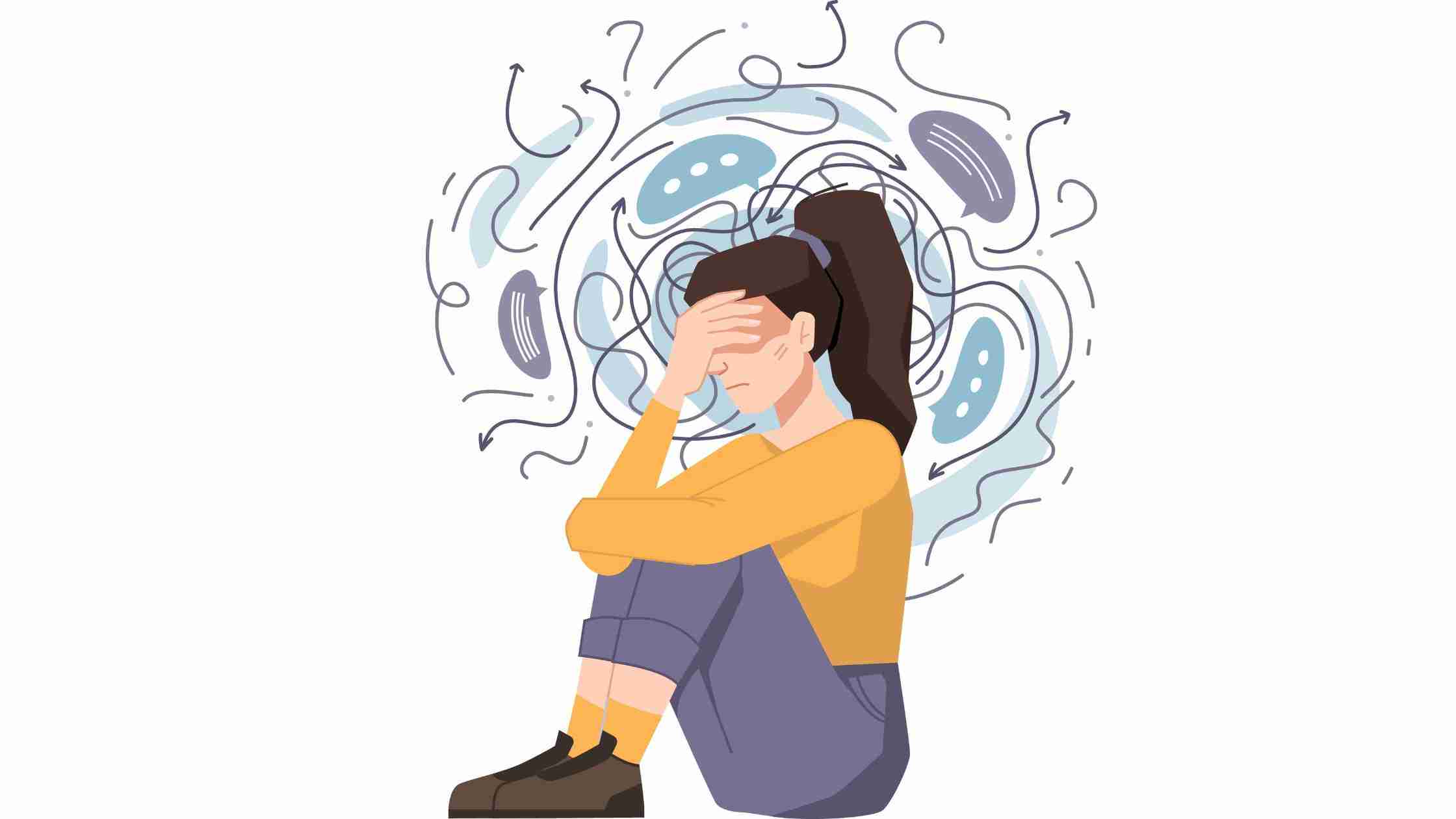
Anxiety is a natural stress response characterized by feelings of worry, nervousness, or fear. While occasional anxiety is normal, chronic anxiety can interfere with daily life, including your sleep patterns.
Symptoms of Anxiety
Common anxiety symptoms include:
- Excessive worrying
- Restlessness
- Irritability
- Difficulty concentrating
The Connection Between Anxiety and Sleep
Anxiety and sleep are intricately linked. Anxiety can make falling asleep difficult, while lack of sleep can worsen anxiety symptoms. Understanding this connection is crucial for managing both.
How Anxiety Affects Sleep
The way anxiety affects sleep varies from person to person. Some may struggle to fall asleep, while others wake up frequently at night. Here are some specific ways anxiety impacts sleep:
Difficulty Falling Asleep
Relaxing enough to fall asleep can be challenging when your mind is racing with worries. This is often referred to as “sleep-onset insomnia.”
Frequent Night Waking
Anxiety can cause you to wake up multiple times during the night, disrupting your sleep cycle and leaving you feeling exhausted the next day.
Poor Sleep Quality
Even if you manage to sleep through the night, anxiety can affect the quality of your sleep, making it less vital.
Physical Symptoms of Anxiety Affecting Sleep

Anxiety doesn’t just affect your mind; it can also manifest physically. These physical symptoms can further disrupt your sleep.
Increased Heart Rate
When you’re anxious, your heart rate can increase, making it difficult to relax and fall asleep.
Muscle Tension
Anxiety often causes muscle tension, which can make finding a comfortable sleeping position challenging.
Night Sweats
Night sweats are another common physical symptom of anxiety that can wake you up and make it hard to fall back asleep.
Emotional Symptoms of Anxiety Affecting Sleep
In addition to physical symptoms, anxiety can also cause emotional disturbances that impact your sleep.
Intrusive Thoughts
Anxiety can lead to intrusive thoughts that keep you awake, replaying worries and fears over and over.
Nightmares
People with anxiety are more likely to experience nightmares, which can wake them up and make it hard to fall back asleep.
Fear of Sleeping
Some people with anxiety may develop a fear of sleeping due to past experiences of insomnia or nightmares, creating a vicious cycle.
The Impact of Poor Sleep on Health

Lack of sleep doesn’t just make you tired; it can have severe implications for your overall health.
Cognitive Impairment
Poor sleep can impair your cognitive functions, making concentrating, thinking, and deciding difficult.
Mood Disorders
Chronic sleep deprivation can lead to mood disorders such as depression and increased anxiety, creating a vicious cycle.
Physical Health Problems
Long-term sleep deprivation has been linked to various physical health issues, including heart disease, diabetes, and weakened immune function.
Tips for Managing Anxiety to Improve Sleep
Fortunately, there are several strategies you can employ to manage anxiety and improve your sleep.
Create a Relaxing Bedtime Routine
Establishing a calming routine before bed can signal to your body that it’s time to wind down, making it easier to fall asleep.
Practice Mindfulness and Meditation
Mindfulness and meditation techniques can help calm your mind and reduce anxiety, making sleeping easier.
Limit Screen Time Before Bed
Screens emit blue light, which can interfere with sleep. Try to avoid screens for at least an hour before bedtime.
ALSO READ – How Weighted Blankets Can Help With Insomnia, Anxiety, And Sensory Processing Disorders?
How can I get rid of my sleep worries?
To ease your sleep worries, start by creating a calming bedtime environment. Ensure your bedroom is a peaceful retreat with soft lighting and comfortable bedding.
Develop a consistent pre-sleep routine, such as reading or a warm bath, to signal your body that it’s time to rest.
Practice mindfulness techniques like deep breathing or gentle yoga to soothe your mind. Journaling can also help you write down your thoughts to release anxious feelings.
To support your natural sleep cycle, maintain a regular sleep schedule and avoid screens for at least an hour before bed.
Consider speaking with a healthcare professional for additional support if your worries persist. Finding what works best for you may take time, but compassionate self-care can guide you towards a more restful sleep.
Professional Help for Anxiety and Sleep Issues
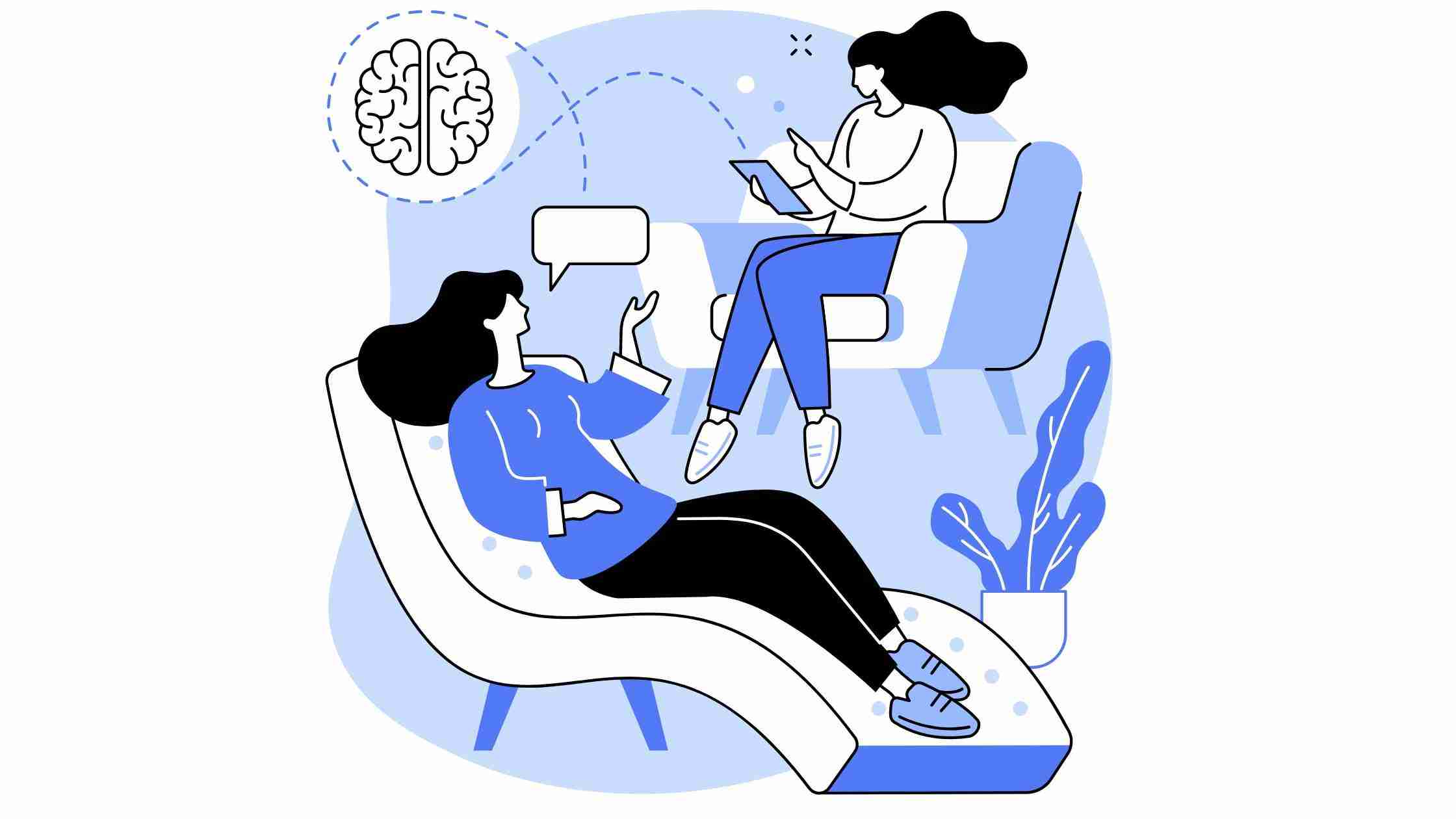
If self-help strategies aren’t enough, don’t hesitate to seek professional help.
Cognitive Behavioral Therapy
Cognitive Behavioral Therapy (CBT) is highly effective for treating both anxiety and insomnia. A therapist can help you identify and change thought patterns that contribute to anxiety and sleep problems.
Medication
In some cases, medication may be necessary to manage anxiety and improve sleep. Always consult with a healthcare provider for guidance.
Support Groups
Joining a support group can provide you with a sense of community and additional coping strategies for managing anxiety and sleep issues.
Can anxiety and panic episodes result from sleep deprivation?
Anxiety and panic episodes can result from sleep deprivation. Lack of sleep disrupts the balance of chemicals in your brain, leading to increased stress and heightened emotional responses.
This can make it harder to manage anxiety and can trigger panic episodes. Ensuring adequate sleep is essential for emotional well-being and mental health.
Natural Remedies for Anxiety and Better Sleep
If you prefer natural remedies, there are several options to consider.
Herbal Supplements
Herbal supplements like valerian root, chamomile, and lavender can promote relaxation and improve sleep quality.
Essential Oils
Aromatherapy with essential oils such as lavender and bergamot can help reduce anxiety and promote better sleep.
Exercise
Regular exercise can help reduce anxiety and improve sleep quality. Aim for at least 30 minutes of moderate exercise most days of the week.
The Role of Diet in Anxiety and Sleep

What you eat can also impact your anxiety levels and sleep quality.
Avoid Caffeine and Sugar
Caffeine and sugar can exacerbate anxiety and interfere with sleep. Try to avoid these, especially in the hours leading up to bedtime.
Eat Balanced Meals
Eating balanced meals with plenty of fruits, vegetables, and whole grains can help stabilize your mood and improve sleep.
Stay Hydrated
Dehydration can cause anxiety and disrupt sleep. Make sure you’re drinking enough water throughout the day.
Creating the Ideal Sleep Environment
Your sleep environment plays a significant role in how well you sleep.
Keep Your Bedroom Cool
A cool room temperature is conducive to better sleep. Aim for a temperature between 60-67°F (15 and 19°C).
Reduce Noise and Light
Use blackout curtains and earplugs to minimize disruptions from noise and light.
Invest in a Comfortable Mattress and Pillows
A comfortable mattress and pillows can make a world of difference in the quality of your sleep.
Conclusion
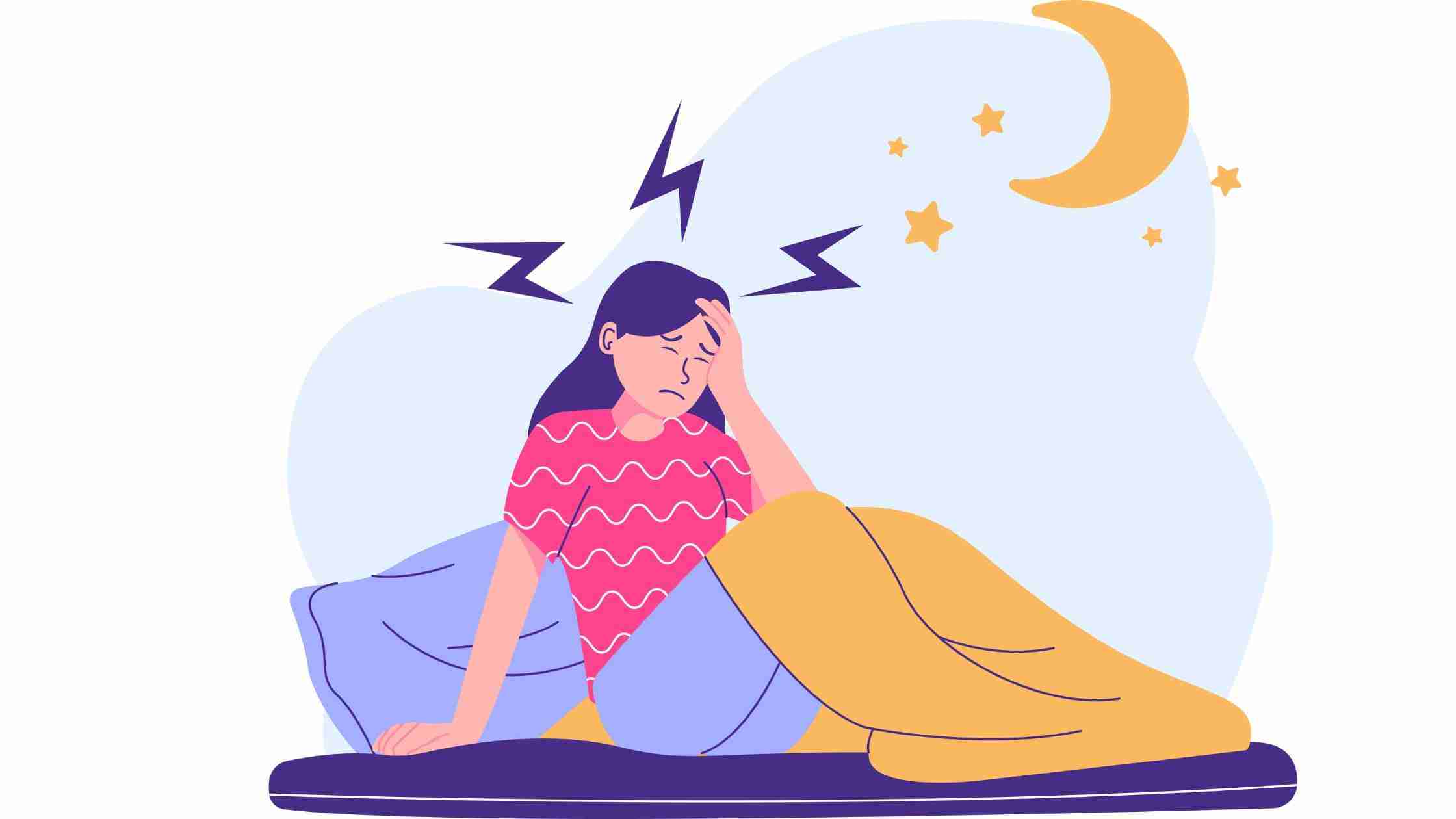
Anxiety and sleep are deeply interconnected, but understanding this relationship can help you take steps to improve both.
From creating a relaxing bedtime routine to seeking professional help, there are numerous strategies you can employ to manage anxiety and get the restful sleep you deserve. By making these changes, you’ll be well on your way to better mental and physical health.
Consider booking a session with one of our experts for personalized guidance on managing anxiety and sleep. We can create a plan tailored to your needs and help you achieve a more restful, anxiety-free life.
FAQ:
How can I get rid of my sleep worries?
Create a calming bedtime routine with activities like gentle yoga or reading. Practice mindfulness and deep breathing to ease your mind. Maintain a serene sleep environment to support relaxation.
Why can’t I sleep at night because of anxiety?
Anxiety can disrupt your sleep by causing racing thoughts and heightened alertness. This makes it hard for your mind and body to relax. Addressing anxiety through calming routines and mindfulness can support better rest.
How do you fall asleep during an anxiety attack?
Focus on deep, slow breathing to calm your mind and body. Practice progressive muscle relaxation to release tension. Create a comforting environment with soft lighting and soothing sounds to help ease into sleep.