

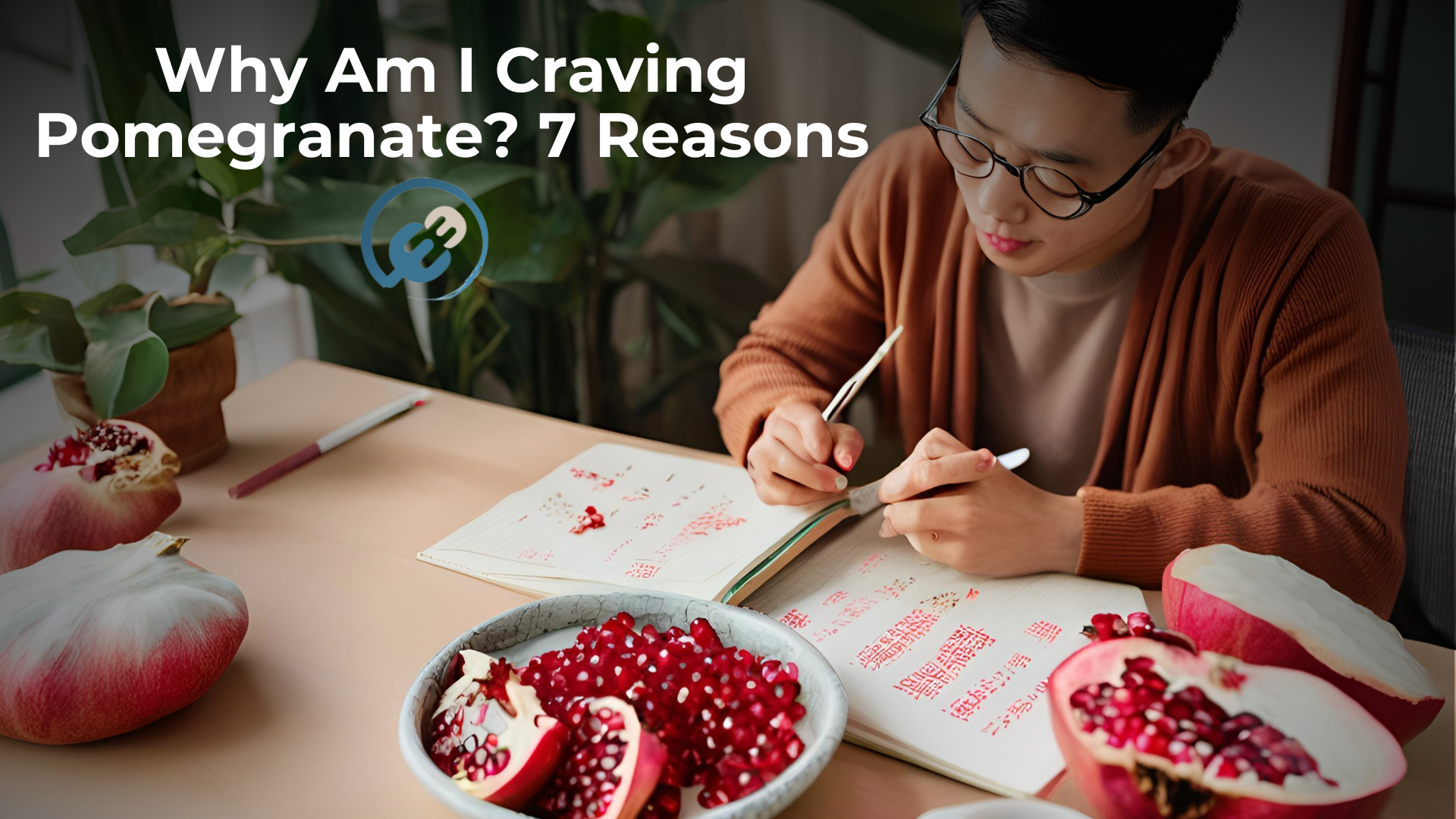
Have you been dreaming about the juicy burst of flavor that only a pomegranate can provide? Maybe you walk past them in the store—their deep ruby color catching your eye—and suddenly every cell in your body whispers, “Yes, please!” If this sounds familiar, you’re not alone. Food cravings, especially for something as unique as pomegranates, are often more than just a fleeting whim—they may carry hidden messages about your nutritional needs, emotions, or seasonal change.
Cravings are fascinating. They make us pause and wonder, “Why this and why now?” Pomegranates, with their exotic allure, rich sweetness, and vibrant seeds, are more than just fruit—they symbolize abundance, nourishment, and vitality. But why are they suddenly on your mind? Is it your body nudging you towards its powerful antioxidants? Or could it be the comfort you seek during colder months when the fruit is in season? And what about the emotional or psychological connections we might not even realize we’re making?
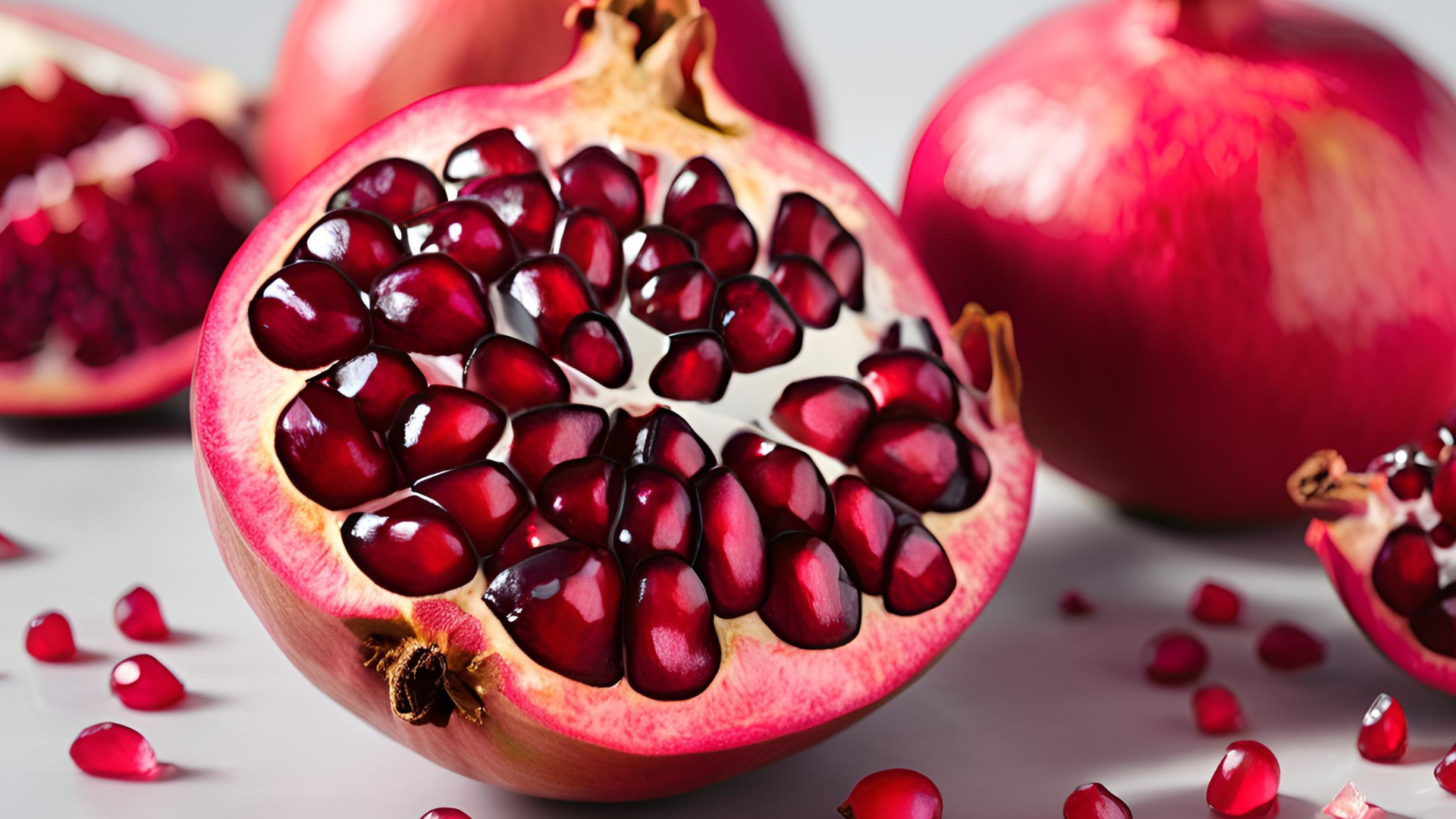
Whether you’ve been indulging in pomegranates or suppressing the urge to buy one more, this craving deserves a closer look. Together, we’ll explore seven revealing reasons behind those pomegranate pangs. Along the way, you’ll gain tools to understand your craving and see it as an invitation—an opportunity to connect with your body in an empowering and kind way.
Are you curious to decode what your craving might mean? Stick around as we peel back the layers like a pomegranate to uncover the delicious truth about these ruby-red gems and their role in your health, emotions, and life.
7 Reasons You Might Be Craving Pomegranate
1. You Might Need a Boost of Antioxidants
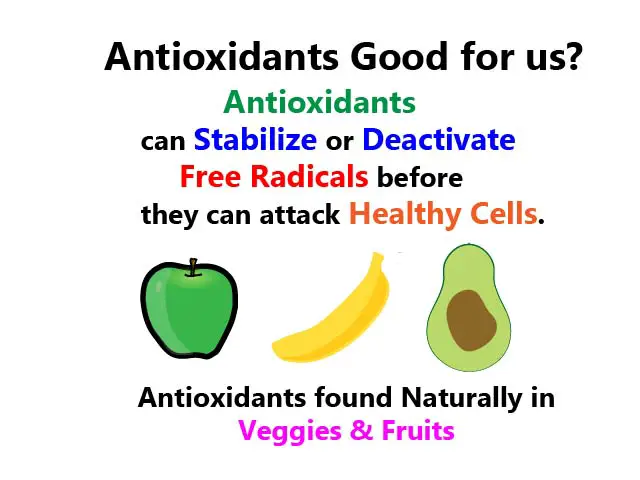
Your body could crave pomegranates because they contain antioxidants like vitamin C and polyphenols. These compounds help fight free radicals, harmful molecules created by stress, pollution, or poor sleep. Antioxidants reduce inflammation, support your immune system, and promote cellular repair. This is especially useful if you’ve been feeling run-down or have had a particularly stressful week.
Think about what your recent days have looked like—have you felt frazzled, tired, or overexposed to environmental toxins like cigarette smoke or smog? Your pomegranate craving could be your body gently encouraging you to detox and refresh through nutrient-rich food.
Journal Prompt: How has my week been regarding stress, pollution, or overall wellness? Could my body be asking for a detox through nutrient-packed foods?
2. You’re Lacking Vital Nutrients

Pomegranates are brimming with potassium, fiber, and vitamin K—nutrients many of us might not consistently get enough of in our diets. Potassium is essential for heart health and maintaining regular blood pressure, while fiber supports digestion and keeps you feeling full longer. Vitamin K plays a crucial role in both bone health and blood clotting.
If you’ve been skipping fruits and veggies or relying on processed snacks, your body may crave pomegranates to help rebalance your nutrient intake. These cravings aren’t random—they are your body’s gentle nudge toward repletion.
Nutrition Tip: Pair pomegranate seeds with a handful of nuts or Greek yogurt to optimize nutrient absorption and make your snack more satiating. This balance also prevents rebounds into unhealthy choices later.
3. You’re Dehydrated
The juiciness of pomegranates could be irresistible if you’re not drinking enough water. These moisture-rich seeds quench thirst and provide natural electrolytes like potassium to keep your hydration levels balanced.
Dehydration can be sneaky—it’s not just about thirst. It might show up as fatigue, headaches, or even food cravings. If you’ve been skipping your usual water intake, the refreshing allure of pomegranate seeds could be your body seeking hydration in disguise.
Pro Tip: Start your morning by infusing water with pomegranate seeds for a hydrating, flavorful boost free of artificial sweeteners.
4. Seasonal and Environmental Factors

Pomegranates often peak during fall and winter, so your cravings could align with their seasonal availability. Eating seasonally is not just better for the environment; it’s an intuitive way to meet your body’s nutritional and emotional needs. When we eat what’s fresh and in season, the nutrients in those foods tend to align with the seasonal challenges our bodies face—like needing more antioxidants in colder months.
This seasonal rhythm might be your body’s natural way of syncing with nature. It’s a beautiful reminder to pause and honor how we’re biologically tied to our environment.
Mindfulness Practice: Reflect on the last time you enjoyed fruit in season. How did it feel to eat food close to its harvest time? Practice staying present as you savor each bite.
5. Psychological Comfort and Memory
Cravings don’t just stop at the physical—they’re often deeply emotional. Pomegranates, for instance, might remind you of festive times, cultural traditions, or even childhood treats. Their vibrant appearance and small, jewel-like seeds often symbolize abundance, joy, and nostalgia in various cultures.
If life has been challenging you, your craving might not just be for the fruit but for the comfort and happiness it represents. A craving for pomegranate could be your mind seeking a moment of emotional grounding.
Journal Prompt: What comes to mind when I think of pomegranates? Is there an emotional connection or memory tied to this fruit?
6. Desire for Sweetness Without the Guilt

If you’re cutting back on processed sugary treats, pomegranates might appeal as a naturally sweet substitute. Their juicy, satisfying flavor can satisfy your sweet tooth without causing a blood sugar spike like refined sugar. Pomegranates have a low glycemic load, making them ideal for maintaining steady energy levels throughout the day.
Processed sweets often come with guilt, yet pomegranates offer the pleasure of sweetness alongside nourishment. This choice empowers you to enjoy food without turning to extremes in restriction or indulgence.
Nutrition Fact: Add pomegranate seeds to oatmeal or sprinkle them over desserts to add a natural sweetness packed with health benefits instead of empty calories.
7. Craving Connection or Meaningful Eating

Pomegranates are often celebrated for their cultural and symbolic significance, representing fertility, abundance, and joy. Craving them could signify a more profound desire to reconnect—with yourself and your culture or even an appreciation for life’s small moments. If daily routines have left you feeling uninspired, engaging meaningfully with a beautiful and symbolic fruit like a pomegranate might remind you to slow down and savor life.
Peeling a pomegranate is also meditative. Opening the fruit and carefully removing the seeds can ground you in the present moment, shifting your focus inward and offering a chance to be simple.
Mindful Eating Tip: Use de-seeding a pomegranate as a mindfulness practice. Notice the texture, the aroma, and the satisfying pop of each seed bursting as you eat it.
10 Intriguing Fun Facts About Cravings for Pomegranates

- A Natural Antioxidant Boost
Pomegranates contain antioxidants like vitamin C and polyphenols, which help fight free radicals and reduce inflammation. Craving them might signal that your body needs some extra detox power or immune support. - The Hydration Connection
The juicy arils (seeds) of pomegranates comprise nearly 80% water. If you’ve been skimping on hydration, your craving for this hydrating fruit could be your body asking for more fluids. - A Sweet Tooth’s Healthy Alternative
Pomegranates offer a naturally sweet taste with a low glycemic load, making them an excellent option for satisfying your sweet cravings without causing a blood sugar spike. Your craving might be a natural switch to healthier sweets! - Rich in Nutritional Goodness
Craving pomegranates could mean you’re low on essential nutrients like potassium, vitamin K, or fiber. These nutrients are key in maintaining heart health, strong bones, and smooth digestion. - A Fruit of Fertility and Abundance
Across many cultures, the pomegranate symbolizes fertility, abundance, and good fortune. If you’ve been dreaming of this fruit, it might also carry cultural or spiritual significance tied to prosperity. - Seasonal Cravings
Pomegranates peak in freshness during fall and winter, which could explain why people crave them more during these months. Their bodies might naturally sync with the seasonal rhythm, seeking fresh, nutrient-packed foods. - An Ancient Superfood
Pomegranates have been cherished for millennia. Ancient Egyptians buried their dead with this fruit, believing it symbolized eternal life. Perhaps your craving connects to its storied history of vitality and renewal. - Cravings Rooted in Nostalgia
Pomegranates might transport you to comforting childhood memories, like eating them during family gatherings or festivals. Your craving could be as much about emotion as nutrition. - A Mythological Marvel
According to Greek mythology, pomegranates were central to the story of Persephone and Hades. Eating its seeds tied Persephone to the underworld, symbolizing transformation and seasonal cycles. A craving for pomegranates might resonate with new beginnings or personal growth. - A Symbol of Unity
With its countless seeds encased in one fruit, pomegranates are also seen as symbols of unity and community. Your craving could reflect a subconscious desire for togetherness and connection.
Find these fun facts relatable. Drop a comment below and share if you’ve experienced similar cravings—or how pomegranates connect to your life!
How to Incorporate Pomegranates into Your Diet
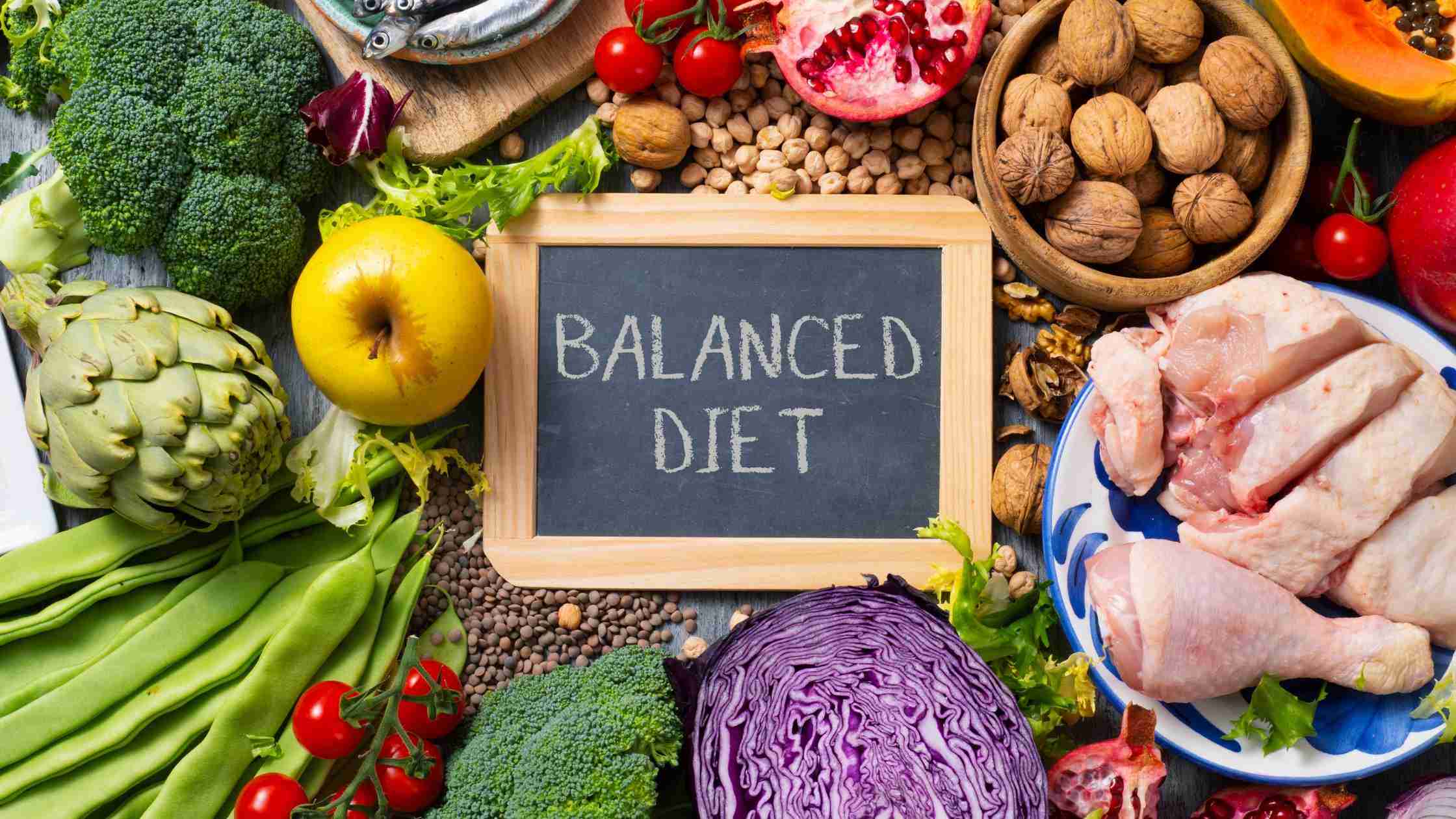
Pomegranates aren’t just a seasonal indulgence—they’re a flavorful and nutritious addition that can transform your meals. Whether you’re drawn to their vibrant seeds or looking for creative ways to enjoy them, these ideas strike the perfect balance between nutrition and deliciousness.
Sprinkle pomegranate seeds on salads for a burst of color and crunch. Picture a mix of spinach, arugula, and walnuts, brightened by the jewel-like seeds. Add them to oatmeal or yogurt for breakfast, where their sweetness and texture can elevate your morning routine. Blend them into a smoothie with banana or Greek yogurt for an antioxidant-rich drink. Feeling adventurous? Extract their juice and mix it with olive oil and a drizzle of honey to create a tangy salad dressing.
While pomegranates are packed with nutrients, moderation is key. Pair them with protein—or fiber-rich foods like nuts or whole grains to create satisfying and balanced meals. This approach allows you to enjoy their health benefits without overindulging.
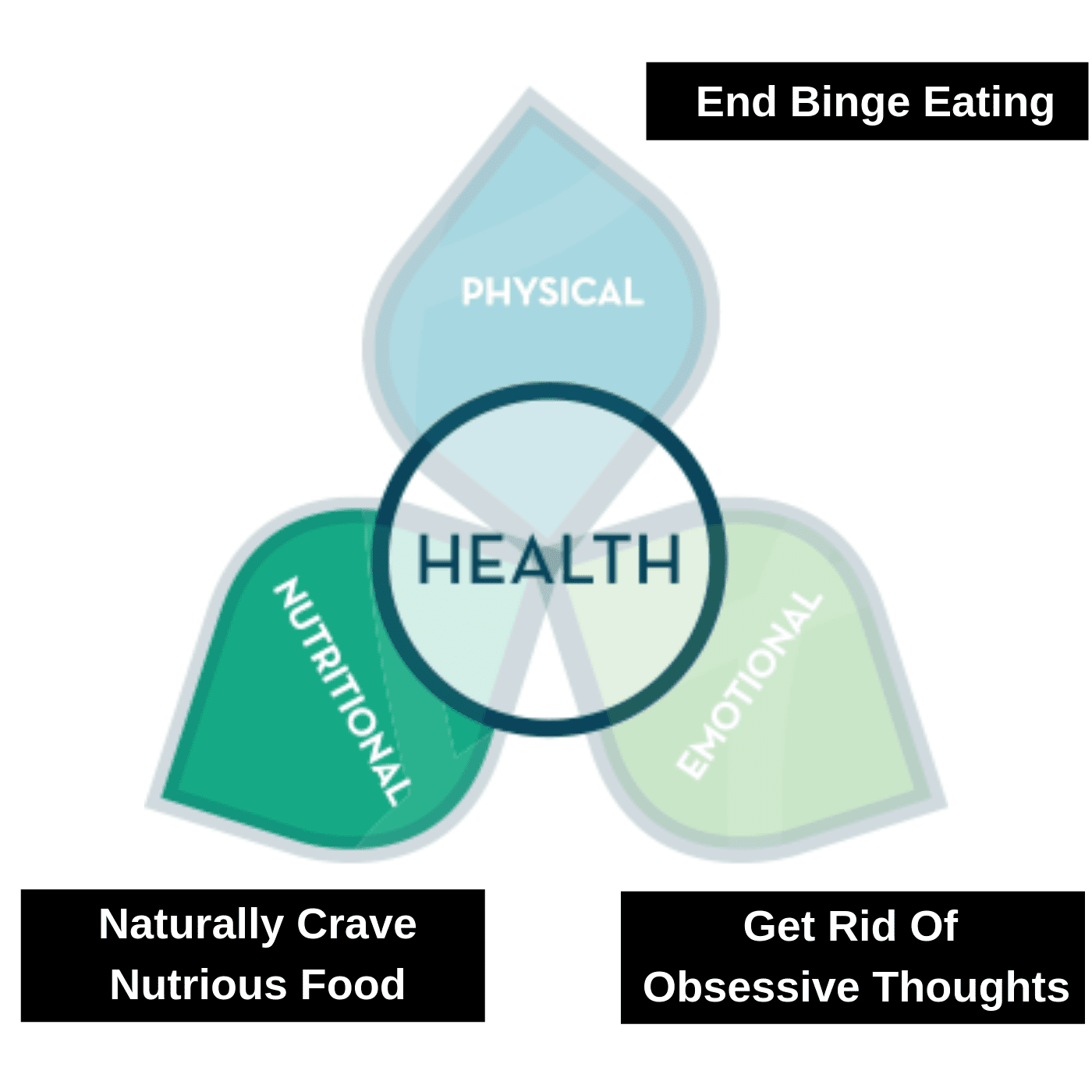
Cravings for pomegranates—or any food—might sometimes signal more than a flavor preference. Intense or recurrent cravings can point to emotional or nutritional gaps, occasionally tied to the binge-diet cycle. Restrictive dieting often triggers heightened cravings, leading to loss of control and guilt. If you relate to this, viewing cravings through a compassionate lens is essential, understanding rather than judging your patterns.
Eating Enlightenment’s Approach
The Eating Enlightenment method offers a simple framework to deepen your understanding of cravings:
- Nutritional Journaling
Document what you eat and how you feel to see if cravings stem from unmet nutrient needs, like potassium or vitamin C.
Prompt: What foods have I eaten today, and did they feel satisfying? - Mindful Trigger Awareness
Explore underlying emotions or situations triggering cravings, such as stress or nostalgia.
Prompt: What emotions led to my craving for pomegranates today? - Healing Inner Parts
Reflect on the more profound stories behind cravings. For instance, craving pomegranates might symbolize a need for connection or comfort from memories of family gatherings.
Prompt: What does this craving reveal about unmet needs?
This method transforms cravings into opportunities for growth, focusing on balance and self-compassion over restriction.
Closing Thoughts
Craving pomegranates might feel like a simple desire. Still, as we’ve explored, it can hold deeper meaning—whether your body is asking for key nutrients like antioxidants and potassium or your mind is seeking comfort, connection, or seasonal flavors. These cravings are whispers from within, inviting you to understand your physical and emotional needs better.
By reflecting on these signals, you can transform cravings into opportunities for growth and balance. Pomegranates, with their rich health benefits and cultural significance, are a gorgeous reminder of how food can nourish the body and the soul. Understanding your cravings allows you to create a more mindful relationship with food and build a diet that supports your overall well-being.
Ready to take the next step? Discover personalized insights into your eating habits with the free Eating Enlightenment Journal App. This easy-to-use tool helps you track your dietary patterns, identify triggers, and decode cravings like never before. With the power of journaling, you’ll uncover what your body truly needs and gain greater clarity and control over your nutrition.
Download the Eating Enlightenment Journal App today and start your journey to a more mindful, balanced diet. Your body deserves the care and attention it craves!