

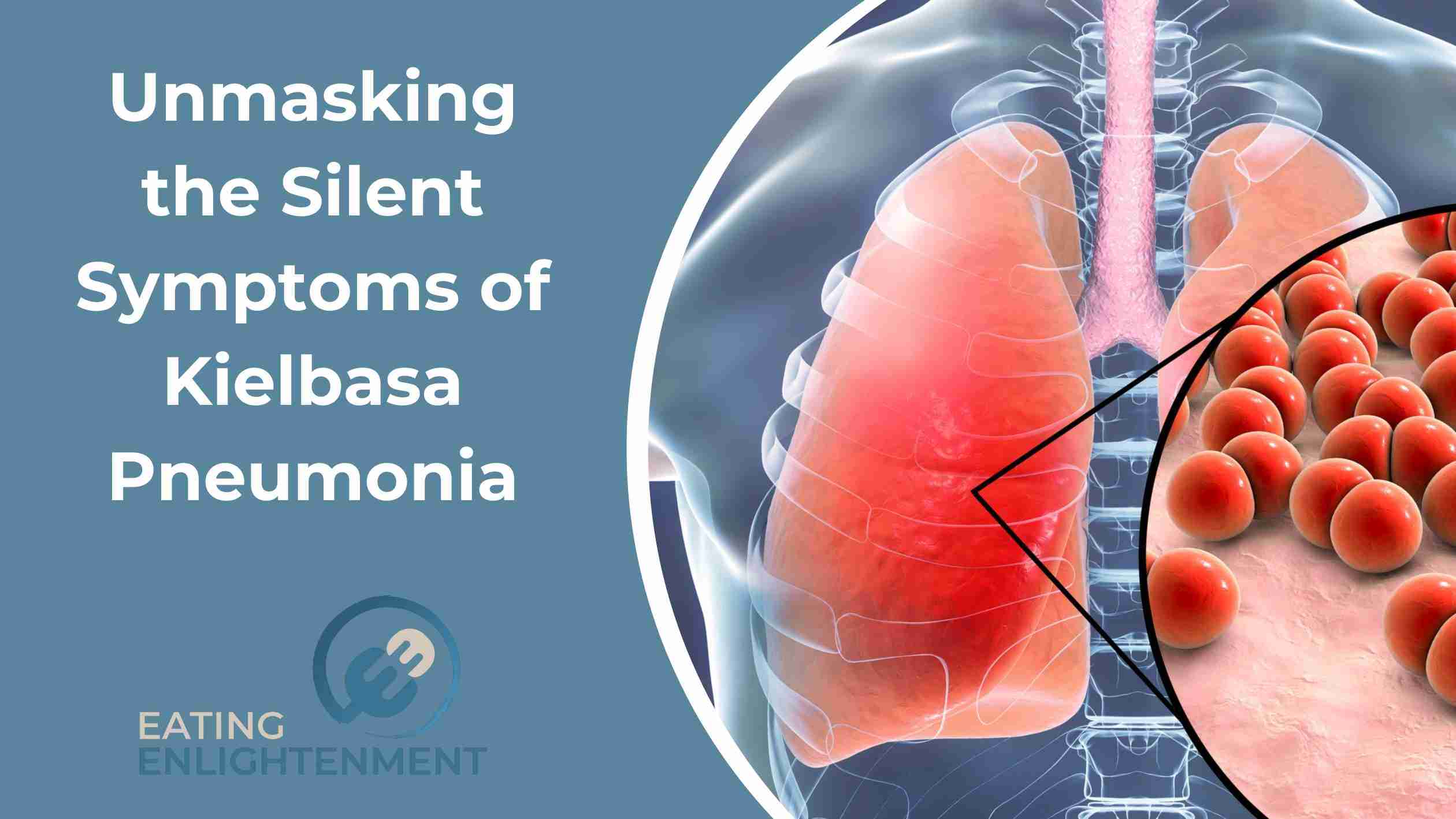
Imagine enjoying your favorite meal and suddenly experiencing unsettling symptoms you can’t quite explain.
If you’ve recently indulged in Kielbasa and feel under the weather, you might be dealing with an unexpected culprit—Kielbasa Pneumonia. Often misunderstood and overlooked, this condition can cause discomfort and confusion.
In this blog post, we will explore the symptoms of Kielbasa Pneumonia, its causes, and how you can take proactive steps to ensure your wellness. Let’s uncover the subtle signs and empower you with the knowledge to take charge of your health.
Understanding Kielbasa Pneumonia
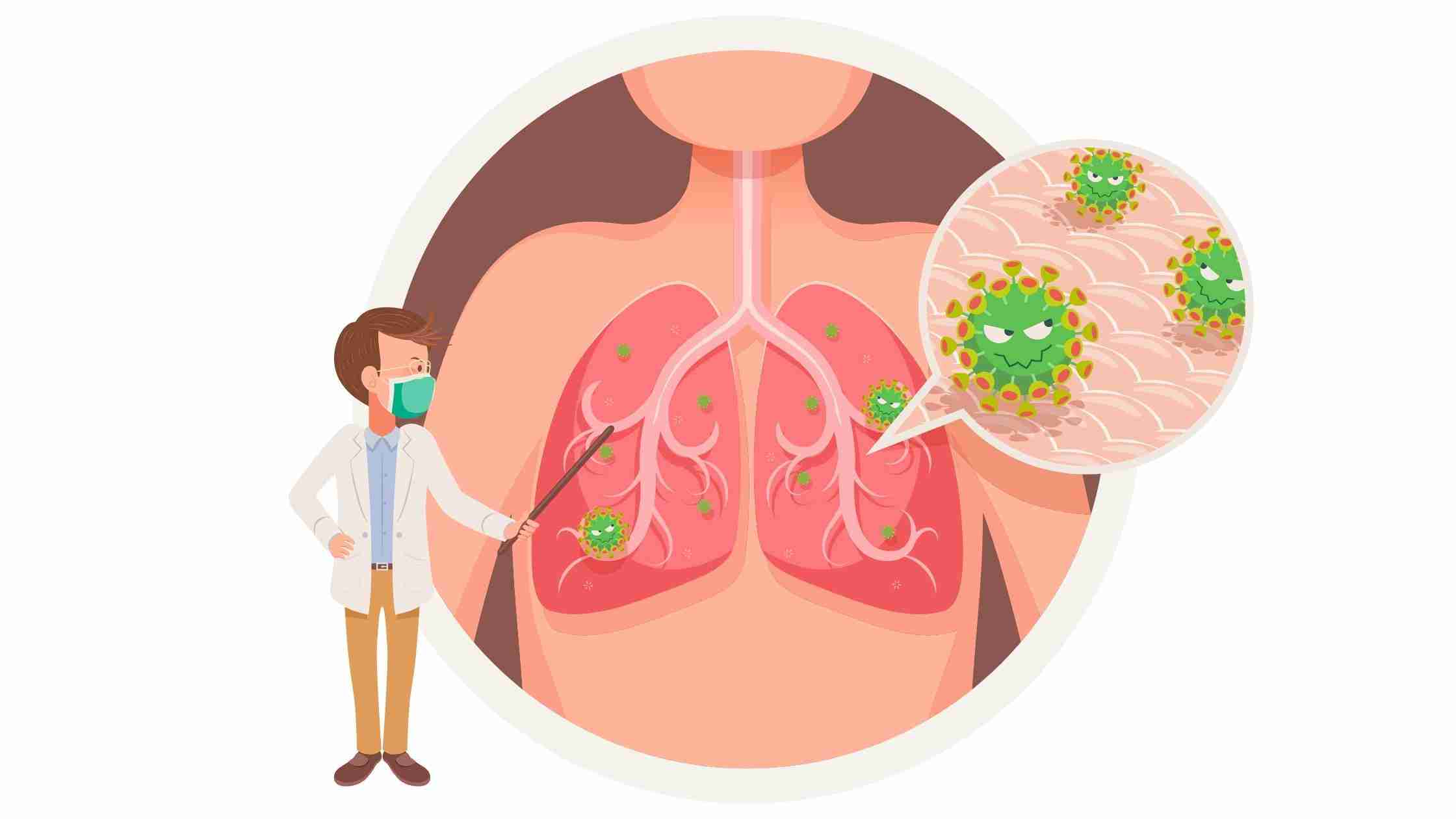
Kielbasa Pneumonia may sound unusual, but it essentially refers to a form of pneumonia triggered by certain factors associated with kielbasa consumption.
Pneumonia is an infection that inflames the air sacs in one or both lungs. These sacs can fill with fluid or pus, causing symptoms like coughing, fever, and difficulty breathing. When specific elements related to Kielbasa contribute to this condition, it becomes crucial to recognize and address it.
Pneumonia can occur for various reasons, including bacterial infections, irritant exposure, and allergic reactions.
Kielbasa, a type of sausage, can sometimes harbor bacteria or cause sensitivities in specific individuals, leading to respiratory issues. Recognizing these symptoms early can significantly improve your recovery and overall well-being.
Common Symptoms to Watch For
Persistent Cough
A persistent cough is often the first sign that something might be wrong. This cough can be dry or produce phlegm and may worsen over time. It’s your body trying to clear the airways and lungs of irritants or infections. Please pay attention to the nature of your cough and how long it lasts.
Fever and Chills
Fever and chills are another common symptom associated with pneumonia. Your body’s immune response to an infection often results in an elevated temperature as it tries to fight off the invading pathogens. Chills may accompany a fever, making you feel cold even when your body temperature is high.
Shortness of Breath
Shortness of breath can be alarming and is a crucial symptom of pneumonia. If you find it difficult to breathe deeply or feel breathless during minimal activity, it could indicate that your lungs are not functioning optimally. This symptom requires immediate attention to prevent complications.
Less Obvious Symptoms
Chest Pain
Chest pain, especially when coughing or taking deep breaths, is another indicator of pneumonia. This pain can range from mild discomfort to sharp, stabbing sensations. Monitoring the nature and severity of chest pain is essential for assessing the condition’s progression.
Fatigue and Weakness
Feeling unusually tired and weak can be a subtle sign of pneumonia. The body’s effort to combat infection can drain your energy levels, exhausting daily tasks. Rest and hydration are crucial to support your body’s healing process.
Appetite Loss
A noticeable decrease in appetite or an aversion to food can also be linked to pneumonia. The body’s focus on fighting infection can suppress hunger signals, leading to unintended weight loss and nutritional deficiencies.
The Role of Kielbasa in Symptoms
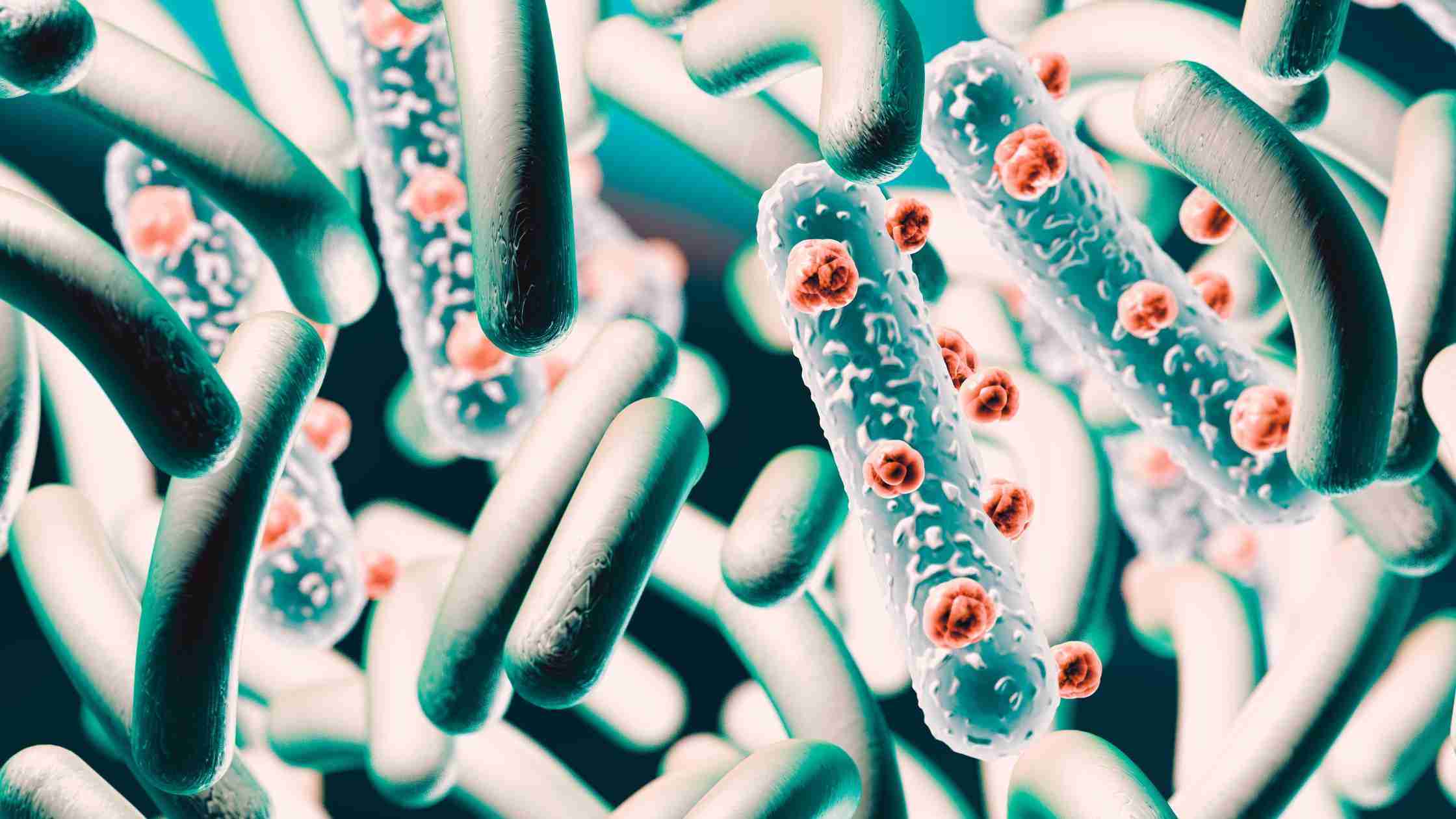
Bacterial Contamination
Like processed meat, kielbasa risks bacterial contamination if not handled or cooked correctly. Bacteria such as Listeria and Salmonella can cause infections that may lead to pneumonia. Ensuring your Kielbasa is thoroughly cooked and stored correctly prevents these issues.
Allergic Reactions
Certain ingredients in Kielbasa, such as preservatives and additives, can trigger allergic reactions in some individuals. These reactions may manifest as respiratory symptoms, including coughing, wheezing, and shortness of breath. Identifying and avoiding known allergens can help manage these symptoms effectively.
Gastroesophageal Reflux Disease (GERD)
GERD, a condition in which stomach acid frequently flows back into the esophagus, can be exacerbated by consuming fatty or spicy foods like Kielbasa. If stomach contents enter the lungs, this reflux can sometimes lead to aspiration pneumonia. Managing GERD through dietary changes and medications can reduce the risk of pneumonia.
Preventing Kielbasa Pneumonia
Proper Food Handling
To minimize the risk of bacterial contamination, always handle Kielbasa with care. Ensure it is stored at the correct temperature, cooked thoroughly, and consumed before expiration. Good hygiene, such as washing hands and utensils, is equally important.
Identifying Allergies
If you suspect you are allergic to certain ingredients in Kielbasa, getting tested and identifying the specific allergens is essential. Avoiding foods containing these allergens and reading labels carefully can prevent allergic reactions and associated respiratory issues.
Managing GERD
For those with GERD, modifying your diet to avoid trigger foods, such as fatty and spicy items, can help. Eating smaller meals, not lying down immediately after eating, and using medications as prescribed by your doctor are effective strategies to manage GERD and reduce the risk of aspiration pneumonia.
When to Seek Medical Help

Persistent Symptoms
If you experience persistent symptoms such as a severe cough, high fever, or difficulty breathing, seeking medical attention is crucial. Early intervention can prevent complications and promote faster recovery.
Worsening Condition
If your symptoms worsen despite home care or develop new symptoms such as confusion or a bluish tint to the lips or fingertips, seek emergency medical care. These signs indicate that the infection may be progressing and require immediate attention.
Underlying Health Conditions
Individuals with underlying health conditions, such as chronic respiratory diseases or weakened immune systems, should be especially vigilant about pneumonia symptoms. Regular check-ups and prompt medical care can help manage these conditions effectively.
Empowering Wellness Through Knowledge
Stay Informed
Knowledge is power when it comes to managing your health. Stay informed about the latest research and guidelines regarding pneumonia and other respiratory illnesses. Being proactive can make a significant difference in your overall well-being.
Support Networks
Joining support groups or connecting with others who have experienced similar health issues can provide valuable insights and emotional support. Sharing experiences and advice can help you feel less isolated and more empowered to manage your health.
Holistic Approach
Taking a holistic approach to wellness involves considering all aspects of your health—physical, emotional, and mental. Incorporating mindfulness, regular exercise, and a balanced diet can strengthen your immune system and improve your quality of life.
Conclusion
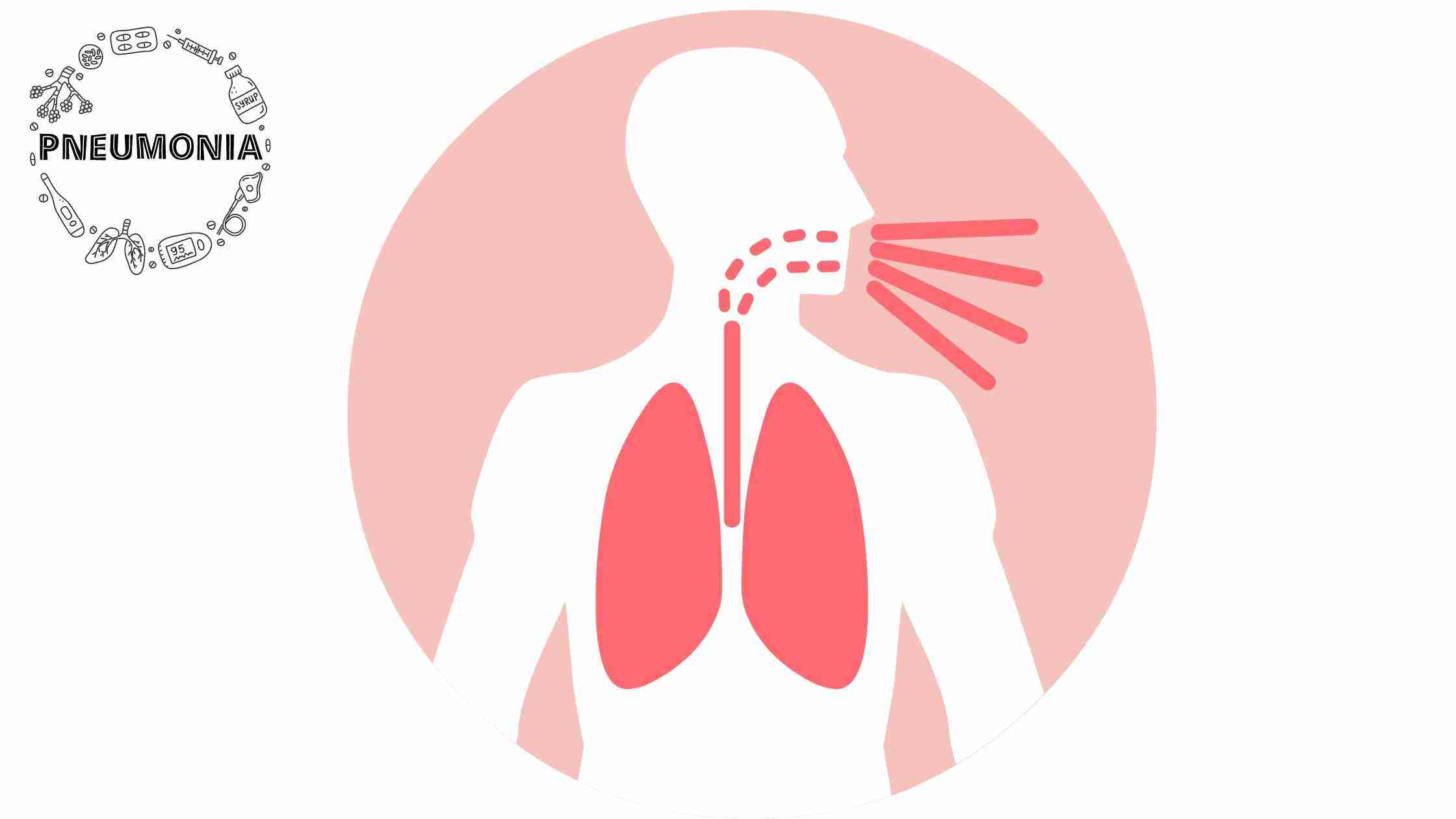
Understanding the symptoms and causes of Kielbasa Pneumonia is the first step toward safeguarding your health.
You can effectively manage and prevent this condition by recognizing the signs early, taking preventive measures, and seeking medical attention when necessary. Remember, your well-being is a priority, and being informed empowers you to make the best choices for your health.
If you suspect you have symptoms of Kielbasa Pneumonia or are concerned about your respiratory health, don’t hesitate to consult a healthcare professional. Together, we can promote a healthier, more informed community.
Visit our blog and connect with our community to learn about respiratory health and wellness. Your health is our priority, and we’re here to support you every step of the way.
FAQs:
I have Klebsiella pneumonia. How did I obtain it?
Klebsiella pneumonia is often acquired through direct contact with contaminated environments or tools, especially in healthcare settings. It can also spread via person-to-person contact, particularly among those with weakened immune systems. Ensuring good hygiene and using protective measures can help prevent its transmission.
Which organs are impacted by pneumonia caused by Klebsiella?
Pneumonia caused by Klebsiella primarily impacts the lungs, leading to severe inflammation and infection. If untreated, it can also affect the bloodstream, resulting in sepsis. In rare cases, it may spread to the liver or other organs.
Is there a cure for Klebsiella pneumonia?
Yes, there are treatments available for Klebsiella pneumonia, primarily involving antibiotics. Early diagnosis and appropriate medical care are crucial for adequate recovery. Ensuring a supportive environment can aid in the healing process.
How long does it take to recover from Klebsiella pneumoniae?
Recovery from Klebsiella pneumoniae can vary, often taking several weeks with proper medical care. Rest and a supportive environment are crucial to healing. Each person’s journey is unique, so patience is essential.