

There’s a moment—maybe you’ve felt it—when the room tilts slightly. Your hands tremble. Your heart races. You feel cold, dizzy, maybe scared. But instead of reaching for food, you freeze.
This isn’t just physical. It’s emotional. Because for many living with anorexia, even thinking about food feels unsafe.
Hypoglycemia, or dangerously low blood sugar, is one of the body’s most urgent distress signals. And in the context of anorexia, it’s more than a symptom—it’s a message. A whisper from your body saying, I’m trying to protect you. But I need your help.
This article is here to gently explain how anorexia can cause hypoglycemia, what it feels like, and—most importantly—how healing can begin.
What Is Hypoglycemia, and Why Is It So Dangerous?
Hypoglycemia occurs when blood sugar (glucose) drops below normal levels. Glucose is the brain’s primary fuel, and when it’s too low, the body responds with alarm.
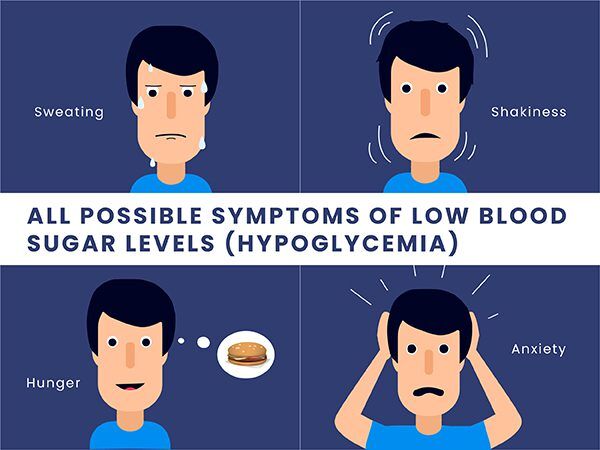
Symptoms include:
- Dizziness or fainting
- Shakiness or tremors
- Sweating
- Rapid heartbeat
- Confusion or foggy thinking
- Irritability or panic
- Blurred vision
- Seizures (in severe cases)
Most people respond to hypoglycemia by eating. But for someone with anorexia, eating might feel terrifying, shameful, or “weak.”
This creates a vicious cycle: the body sends signals of distress, but the mind—trapped in perfectionism or fear—blocks the response.
As blood sugar stays low, the nervous system becomes increasingly dysregulated. You may enter freeze mode, feeling detached, numb, or emotionally shut down.
And yet, your body is still trying. Every symptom is a call for help—not punishment.
How Does Anorexia Cause Hypoglycemia?
When you’re not eating enough, your body runs out of glucose—the basic energy source it gets from food.
Here’s what happens:
- Glycogen Depletion: The liver normally stores glucose in a form called glycogen. In anorexia, these stores quickly run out.
- Impaired Gluconeogenesis: The body tries to make glucose from proteins and fats—but without adequate nutrition, this system breaks down.
- Insulin Irregularities: Chronic undernourishment affects insulin response, making the body more prone to extreme blood sugar fluctuations.
In simple terms: your body can no longer keep your blood sugar stable on its own.
This doesn’t mean you’re broken. It means your body has been running on empty for too long—and now, it’s asking for care.
According to a review in the Journal of Eating Disorders, individuals with anorexia may present with persistent hypoglycemia during both restriction and early refeeding phases (Maguire et al., 2019). It’s not rare. But it’s deeply under-acknowledged.
What Does Hypoglycemia Feel Like in Daily Life?

Not all signs of hypoglycemia are dramatic.
For many, it starts subtly:
- A mild headache before lunch
- Feeling inexplicably anxious after skipping breakfast
- Snapping at a loved one, then feeling confused why
- Getting lightheaded walking up stairs
Because these symptoms overlap with anxiety or fatigue, they’re often dismissed. Especially by those who already live in a state of hypervigilance or emotional shutdown.
But what if these aren’t character flaws… but biological cries for nourishment?
Imagine someone like Ellie, who hasn’t eaten a full meal in days. She’s cold, panicked, and ashamed. Her blood sugar is dangerously low, but she’s convinced eating will “ruin” her progress. She doesn’t know that what she’s feeling is partly physical—and fully valid.
The Emotional Cost of Ignoring Low Blood Sugar
When your body is starving, your brain becomes foggy. Your emotions swing wildly. You might feel “crazy” or out of control.
And this emotional chaos feeds the eating disorder:
- “I can’t think clearly—what’s wrong with me?”
- “Why am I so moody?”
- “I feel awful, so I must need more control.”
But the truth is simpler—and kinder.
You don’t need more control. You need safety. Stability. Nourishment.
And yes, those things are hard to receive when your nervous system is dysregulated. When your past taught you food equals shame. When culture told you thin equals worthy.
But underneath all that messaging… is a body that wants to live.
Treating Hypoglycemia in the Context of Anorexia

Healing from hypoglycemia means restoring blood sugar balance—slowly, gently, consistently.
Here’s what that often includes:
- Frequent small meals (every 2–3 hours) to stabilize glucose
- Complex carbohydrates like oats, sweet potatoes, and legumes for sustained energy
- Pairing proteins and fats with carbs to slow digestion
- Electrolyte support for fluid balance
- Medical monitoring to prevent refeeding complications
Equally important? Emotional support.
Because eating consistently isn’t just a behavior—it’s an act of relational healing. It says, “My needs matter. I am allowed to feel full. I am allowed to exist.”
Our Mindful Meal Journal App is designed to support you in this process. It offers a compassionate, private space to log meals, track emotions, and reconnect with your body—without shame.
A Nervous System Perspective: Why It’s So Hard to Eat
When food feels unsafe, your body may be in a freeze response.
You might feel:
- Numb
- Overwhelmed
- Out of touch with hunger
- Resistant to care
This isn’t weakness. It’s adaptation.
Your nervous system learned that eating is risky—maybe from trauma, or medical gaslighting, or years of judgment. So now, it tries to protect you by shutting down appetite cues.
Healing begins by co-regulating—connecting with someone safe. This might be a therapist, coach, or even a journal. The point isn’t to force yourself to eat. It’s to build enough safety in your system to allow eating.
Coaching can be a gentle space to explore this. Learn more here.
When to Seek Medical Help

Hypoglycemia can be life-threatening. If you or someone you love experiences:
- Confusion that worsens
- Loss of consciousness
- Seizures
- Inability to eat or drink
Please seek emergency care.
Ongoing hypoglycemia during recovery also requires medical supervision to avoid refeeding syndrome and support stable healing. Don’t do this alone. You deserve support that treats your body and your humanity.
Conclusion: Your Body Isn’t Broken—It’s Asking for Help

If your hands are shaking… if your mind feels foggy… if food feels impossible—
Pause.
Breathe.
This isn’t your fault.
Your body isn’t betraying you. It’s doing everything it can to survive. Hypoglycemia is not a failure—it’s a message. One that says: Please feed me. Please stay. Please come home.
Healing will take time. But it’s possible. And you don’t have to do it perfectly.
Take our free quiz to explore your relationship with food—and begin your healing journey with clarity and compassion.