

Have you ever found yourself craving something as specific—and maybe surprising—as zucchini? It might seem puzzling initially, but what if I told you that your body could be trying to tell you something important? Cravings like these aren’t random; they hold clues about your physical, emotional, and mental well-being. Listening to these signals is key to truly understanding what your body needs.
Even a healthy food like zucchini can be more than just a fleeting desire—it might be your body’s way of addressing deeper needs. Cravings could indicate a nutritional gap, reflect emotional triggers, or align with lifestyle shifts or seasonal changes. While they can feel frustrating, they’re an incredible opportunity to pause and reconnect with yourself.
At Eating Enlightenment, we see food cravings as a gentle nudge toward self-discovery. Rather than battling against them or feeling shame, these moments invite us to practice mindfulness and curiosity. Together,
we’ll explore what a craving for zucchini might mean, peeling back layers from nutritional to emotional and uncovering practical ways to nourish yourself fully. Through this process, you’ll satisfy your cravings in a healthy, meaningful way and deepen your awareness of your body’s innate wisdom.
#1 Nutrient Deficiencies
One reason you might crave zucchini is its impressive nutritional profile. Zucchini is rich in several key nutrients, including magnesium, vitamin C, and potassium—all vital in keeping your body healthy and energized. If you’re not getting enough of these nutrients in your daily meals, your body might nudge you towards zucchini as a quick remedy. For example, potassium helps regulate hydration and muscle function, making it all the more critical if you’ve been feeling sluggish or fatigued.
Track your meals over the past week. Are they nutritionally balanced? A food journal can help you recognize patterns or deficiencies you might not have noticed. Consider making a list: “Am I eating enough magnesium-rich foods like nuts or whole grains, or could zucchini fill that gap?” Use this craving to get curious rather than critical about your diet.
Keep It Simple: Add zucchini to your dinner plate tonight. Slice it into rounds, drizzle with olive oil, sprinkle with salt, and roast until golden for a nutrient-rich side dish. Or spiralize it into zoodles for a fresh pasta alternative.
#2 Hydration Needs

Did you know that zucchini is composed of more than 90% water? It may just be nature’s refreshing answer to dehydration. If you’ve been skimping on your water intake or indulging in coffee and other diuretics, your body might steer you toward foods that can rehydrate you naturally. Beyond quenching your thirst, zucchini’s high water content supports smooth digestion and optimal energy levels.
Reflect on your hydration habits throughout the day. What’s your water routine like? Have you been feeling thirstier than usual but haven’t been hydrating correctly? Keep a log in your journal, noting times when you feel low on energy. This mindfulness practice can help you detect patterns where adding hydrating foods like zucchini could make a difference.
Quick Tip: Add zucchini slices to your favorite green salad for a crunch, or blend raw zucchini into a smoothie. It’s subtle enough to blend in with the other flavors while keeping you feeling refreshed.
#3 Desire for Light Comfort Foods
Cravings can often reflect your body’s intuitive needs, and craving zucchini might signal a desire for lighter, gentle nourishment. If you’ve been enjoying heavier meals lately or powering through work and stress, zucchini’s mild, digestible nature might be calling to restore balance.
There’s also a psychological comfort at play here. With its clean, understated flavor, zucchini symbolizes simplicity—a sharp contrast to more indulgent, calorie-dense comfort foods. It’s the ideal “feel-good vegetable” that leaves you content without weigh-you-down meals following it.
Take a moment to journal about how your meals have made you feel lately. Have they left you bloated and sluggish or light and vibrant? If necessary, use this craving to inspire calming meal shifts.
Cozy Creation: Try a warm bowl of zucchini soup. Simmer zucchini with vegetable broth, onions, and garlic; then blend until creamy. It’s easy, nourishing, and perfect after a long day.
#4 Emotional Triggers
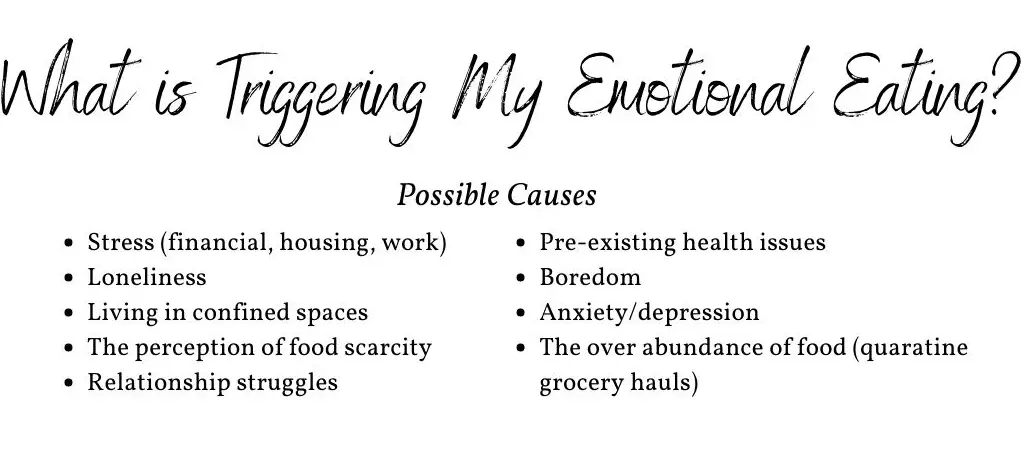
Stress or emotional discomfort can often trigger cravings, and zucchini might provide a subconscious sense of calm and lightness. Its bland and soothing nature may subconsciously appeal to you when you are overwhelmed and need something uncomplicated and non-triggering.
Ask yourself, “What emotion or circumstance might fuel this craving?” Journaling is a powerful way to unpack these experiences. Reflect on what’s happening internally and write about what this craving evokes for you. Is it linked to a memory, a safe experience, or a longing to simplify the chaos around you?
Mindful Practice: Pair emotional journaling with mindful cooking. Slice zucchini slowly, noticing the patterns of its texture and enjoying the gentle, grounding scent it releases during cooking. This dual practice can help ease stress and bring clarity to your emotions.
#5 Gut Health and Digestion

Healthy digestion can make or break how your body feels day to day. With its fiber content and hydrating properties, zucchini might be your body’s way of calling for a digestive reset. Its mild nature supports your gut health, especially if you feel bloated or sluggish after meals.
Take a digestive check-in today. Are there specific meals after which you feel discomfort? Journaling your digestion and meals can reveal food sensitivities or clues about what your gut might love more. Focus on how adding zucchini could improve digestion and overall comfort.
Creative Fiber Fix: If you want something sweet, try grating zucchini into a muffin or quick bread recipe. This sneaky step adds fiber to your diet while keeping your baked goods ultra-moist.
#6 External Influences
Finally, sometimes cravings are less about what your body needs and more about what catches your eye. Zucchini has skyrocketed in modern food trends—from Instagram-worthy zoodles to innovative zucchini fries—and it’s easy for your mind to wander in that direction after seeing an appealing post or cooking show.
Ask yourself whether external inspiration could be shaping your craving. This is especially true if you’re looking through food blogs, browsing magazines, or chatting with a friend about healthy eating. Write a quick reflection in your journal, asking, “Where did this idea start today? Was it an external cue?”
Fun Twist: Use this craving as a chance to experiment in the kitchen. Try making crispy zucchini chips with a breadcrumb and parmesan crust for a snack that hits the spot just right.
Decoding Food Cravings and Binge Eating Disorders
Cravings for a specific food, like zucchini, can be more than just a passing thought—they might hold more profound meaning for individuals dealing with binge eating disorder (BED). BED involves episodes of overeating, often resulting in guilt. Cravings are shaped by emotional needs, physical imbalances, and behavior patterns, offering clues to understand better eating habits and emotions.
Why Do We Crave Specific Foods?
Cravings often come from emotions. For example, someone craving zucchini may be seeking the comfort of control or simplicity during stressful periods. Zucchini—the quintessential diet-friendly, “safe” food—may symbolize discipline. However, emotional triggers like sadness or anxiety can intensify these cravings.
Cravings can also signal physical needs. Zucchini is packed with nutrients like potassium and magnesium. If your body is low on these or you’re dehydrated, the craving could be your body’s way of asking for balance. Restrictive dieting often disrupts hunger cues, making these cravings even more substantial.
How Cravings Affect Mental Health

For someone with BED, cravings may feel overwhelming. Restricting and focusing on “safe” foods like zucchini often backfire, leading to binges on other foods. This cycle of craving, restriction, and guilt can damage confidence and reinforce feelings of failure.
Managing Cravings
Here are some simple strategies to manage and understand cravings:
- Track Your Habits
Journaling what you eat and how you feel can show patterns.
Ask: “Does skipping meals make my cravings stronger?” - Pause and Reflect
Before acting on a craving, take a moment. Is it emotional or physical?
Ask: “Could this craving be about something other than food?” - Seek Support
Therapy can uncover what’s fueling your cravings and help you manage them. - Eat Intuitively
Listen to your body’s natural hunger, pairing foods like zucchini with proteins or healthy carbs. - Be Kind to Yourself
View cravings as insights, not mistakes.
Ask: “What is this craving teaching me about my needs right now?”
Cravings Tell a Story
One teacher who craved zucchini during work stress realized, through journaling and therapy, that she associated zucchini with calm and order. By addressing her stress and eating more intuitively, she transformed her cravings into a tool for care and balance.
From Cravings to Growth
Cravings aren’t obstacles—they’re opportunities to understand one’s needs better. Decoding them with curiosity and compassion can lead to healthier habits, self-awareness, and freedom.
Beyond the Cravings: Understanding Deeper Signals

Craving zucchini might seem harmless or healthy, but it can sometimes point to deeper imbalances. For some, food cravings mask emotional struggles or entrenched eating patterns, such as binge eating disorder (BED).
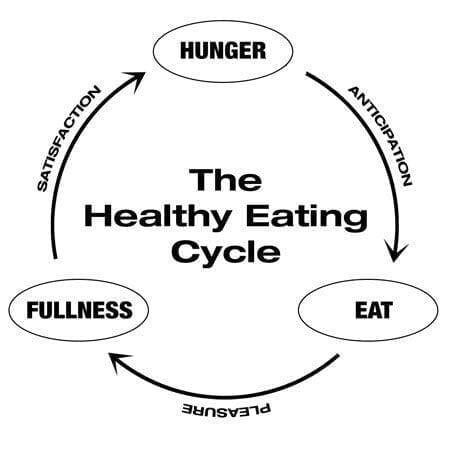
Understanding the binge-diet cycle, which begins with restrictive dieting, is central to the Eating Enlightenment philosophy. Limiting food intake amplifies cravings for “safe” options like zucchini. This deprivation often leads to binge eating, followed by feelings of guilt that restart the cycle. Recognizing when a craving stems from this pattern is crucial in shifting from reaction to awareness.
How Eating Enlightenment Would Address Zucchini Cravings
The Eating Enlightenment approach combines mindfulness, emotional exploration, and balanced nourishment to process cravings holistically.
Step 1: Nutritional Journaling
Cravings for zucchini may indicate missing nutrients like magnesium, vitamin C, or hydration. Tracking your meals can reveal gaps in your diet and pinpoint energy slumps. Journaling lets you recognize whether your body seeks balance.
Prompt: “What meals energize me, and which leave me feeling low?”
Step 2: Mindfulness of Emotional Triggers
Cravings often reflect emotional discomfort, such as stress or boredom. Before acting on a craving, journaling your feelings and experiences helps identify underlying triggers.
Prompt: “What was I feeling or thinking before this craving? What do I truly need?”
Step 3: Exploring Inner Parts
Cravings can symbolize unmet emotional needs or old patterns. Zucchini might represent simplicity, health, or comfort tied to past experiences. Journaling lets you explore these profound influences and break free from automatic behaviors.
Prompt: “What inner part of me craves zucchini, and what does it need?”
Rediscovering the Joy of Zucchini
Zucchini is nutrient-rich and easy to add to meals. Packed with vitamin C, potassium, and antioxidants, it supports your immune system, fights inflammation, and promotes hydration. Its versatility makes it an excellent balance for any diet.
Recipe Ideas:
- Zucchini Noodles with Pesto for a low-carb, satisfying meal.
- Spicy Stir-Fry with Zucchini, garlic, and chili flakes.
- Zucchini Muffins for a subtly sweet, fiber-packed snack.
When explored with curiosity, cravings can strengthen your relationship with food. By journaling and honoring your cravings using the Eating Enlightenment framework, you connect with what your body, heart, and mind truly need. Trust your instincts and enjoy the nourishing comfort of zucchini.
Encouragement and Closing

Cravings, even for something as healthy as zucchini, offer important clues about your body’s needs. Whether it’s signaling a nutritional gap, emotional trigger, or dietary habit, understanding these cravings can help you strengthen your connection with your body. Packed with nutrients like potassium, vitamin C, and fiber, zucchini is a powerhouse food that supports hydration, immunity, and a balanced diet. It’s versatile, too, making it a delightful addition to stir-fries, pasta, or even muffins for a healthy snack.
However, cravings go deeper than food. They remind us to pause, reflect, and explore the reasons behind our food choices. Tuning into these signals isn’t about ignoring or mindlessly giving in—it’s about uncovering the “why” and compassionately supporting our body and mind.
Try the free Eating Enlightenment Journal App if you’re ready to take charge of your cravings and grow through your food experiences. This simple tool makes tracking your food, emotions, and cravings easy. It helps you decode your body’s messages and make mindful eating choices. By journaling, you’ll gain clarity about your eating habits and feel empowered to move toward a more balanced and fulfilling relationship with food.
Remember, cravings aren’t your enemy; they guide your body. Curiosity, care, and the right tools can transform your thoughts about food and your health. Give the Eating Enlightenment Journal App a try today, and take a meaningful step toward improved well-being and self-discovery.