


In today’s health-conscious world, protein is a buzzword everyone discusses. It’s vital for muscle repair, immune function, and hormone production. While many people turn to meat, fish, or dairy for their protein fix, there’s a growing interest in plant-based proteins among health enthusiasts.
But did you know that tomatoes, those vibrant red fruits often tossed into salads or turned into sauces, also contain protein? Yes, you read that right! This blog will help you uncover the hidden protein content in tomatoes and why you should consider adding them to your diet.
Tomatoes Nutritional Profile
Tomatoes are more than just a colorful addition to your plate. They are packed with essential nutrients, making them a powerhouse of health benefits. First, tomatoes are an excellent source of vitamins like Vitamin C and Vitamin K. They also contain important minerals like potassium and folate. These nutrients boost your immune system, strengthen your bones, and keep your heart healthy.
Beyond the standard vitamins and minerals, tomatoes also offer good fiber. Fiber is crucial for digestion and helps keep you full, making it easier to manage your weight. But what many people overlook is that tomatoes contain protein as well. While the protein content may not be as high as in beans or nuts, it’s still a noteworthy addition to their nutritional profile.
Lastly, tomatoes are rich in antioxidants like lycopene, which has been linked to reduced risk of chronic diseases such as heart disease and cancer. Combining these antioxidants with their protein content makes tomatoes a fantastic choice for anyone looking to improve their health.
Protein in Tomatoes
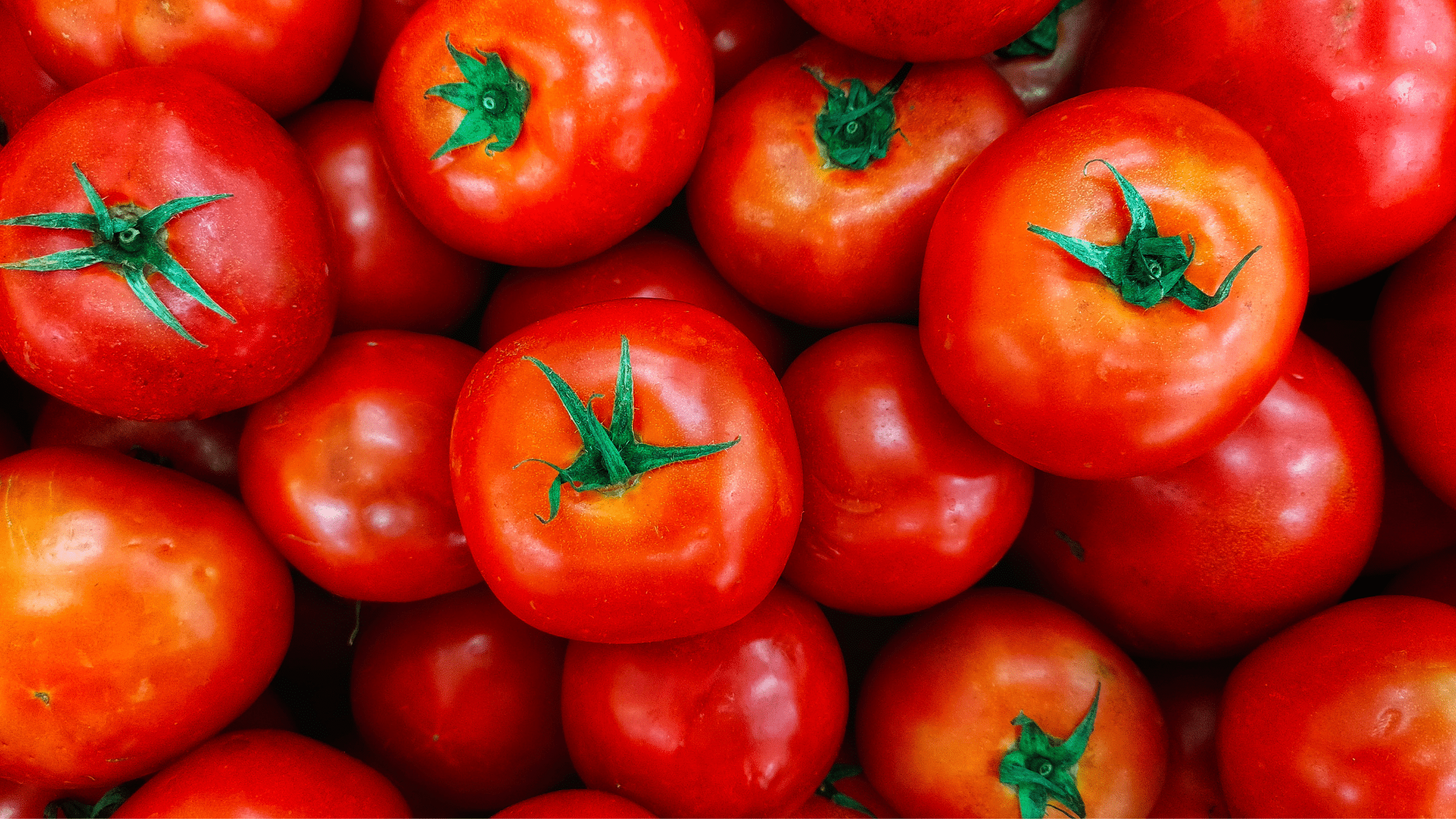
You might wonder how much protein a tomato contains. Surprisingly, a medium-sized tomato contains about 1 gram of protein. That might not sound like much, but it can add up, especially if you’re incorporating tomatoes into various meals throughout the day.
Tomatoes might seem modest compared to other familiar sources of protein. For instance, a cup of lentils contains about 18 grams of protein, and a chicken breast has approximately 31 grams. However, tomatoes’ advantage is that they can easily be added to almost any dish without drastically changing flavor or texture. This makes them a versatile ingredient complementing other protein sources in your diet.
It’s also worth mentioning that tomatoes’ protein is plant-based, making them an excellent option for vegetarians and vegans. Plant-based proteins are often easier to digest and offer additional health benefits like fiber and antioxidants.
Health Benefits of Including Tomatoes in Your Diet
Why should you consider adding more tomatoes to your diet? The health benefits are extensive. For starters, the antioxidants in tomatoes, particularly lycopene, are known for their heart-healthy properties. Lycopene can help lower harmful cholesterol levels, reduce inflammation, and improve blood vessel function.
Tomatoes are also linked to cancer prevention. Studies suggest that the antioxidants found in tomatoes can help protect cells from damage, reducing the risk of certain types of cancer, including prostate and breast cancer. While the protein content in tomatoes may not be the primary factor in this benefit, it certainly contributes to the overall nutritional profile that makes tomatoes so beneficial.
Weight management is another area where tomatoes can shine. Thanks to their high water and fiber content, they can help keep you feeling full longer, reducing the likelihood of overeating. The protein in tomatoes also plays a role here, as it contributes to muscle repair and growth, essential components of an effective weight management plan.
How to Incorporate More Tomatoes into Your Diet

Adding more tomatoes to your diet is easier than you might think. Here are some practical tips:
- Salads: Fresh tomatoes can be chopped and added to salads for flavor and nutrition. Combine them with leafy greens, cucumbers, and a light vinaigrette for a refreshing meal.
- Snacks: Tomatoes make a great snack. Try slicing them and sprinkling a little salt and pepper or pairing them with some cheese for a delicious treat.
- Cooking: Use tomatoes in your cooking! Add them to soups, stews, and pasta sauces. They can also be roasted, grilled, or even turned into a tasty tomato salsa.
For those who love experimenting in the kitchen, here are some creative recipe ideas featuring tomatoes:
- Tomato and Basil Bruschetta: Toast some bread, rub it with garlic, and top with chopped tomatoes, fresh basil, and a drizzle of olive oil.
- Stuffed Tomatoes: Hollow out large tomatoes and stuff them with a mixture of quinoa, herbs, and cheese. Bake until tender, and enjoy a protein-packed meal.
- Tomato Smoothie: Yes, you read that right! Blend tomatoes with watermelon, a squeeze of lime, and some ice for a refreshing and nutritious drink.
Are tomatoes an excellent way to get protein?
While tomatoes are a nutritious addition to your diet, they are not an excellent source of protein. They offer numerous health benefits, being rich in vitamins A and C, antioxidants, and dietary fiber, which contribute to overall well-being. However, they contain only a tiny amount of protein compared to other foods.
For those looking to boost their protein intake, including legumes, nuts, seeds, lean meats, tofu, or dairy products in their diet is beneficial. These options provide more protein, which is essential for muscle repair, immune function, and overall health.
Incorporating various nutrient-dense foods into your meals can support a holistic approach to wellness. It ensures you receive a balance of vitamins, minerals, and macronutrients necessary for personal growth and physical health.
What is the protein content of fresh tomatoes?

While fresh tomatoes are rich in many nutrients, they have a relatively low protein content. On average, a medium-sized tomato contains about 1 gram of protein. Though this amount is modest, tomatoes offer many other health benefits contributing to overall well-being.
Tomatoes are an excellent source of vitamins A and C, essential antioxidants, and dietary fiber. These nutrients support your immune system, promote healthy skin and aid digestion. Including tomatoes in a balanced diet can enhance your nutritional intake and support your journey towards holistic wellness.
For those seeking to increase their protein intake, consider complementing tomatoes with other protein-rich foods such as beans, nuts, seeds, lean meats, or plant-based alternatives. By embracing various nutrient-dense foods, you can nurture your body and mind, fostering a healthier, more fulfilling lifestyle.
Tomatoes include which three nutrients?
| Nutrient | Benefits |
|---|---|
| Vitamin C | Boosts immune function, supports skin health, and aids healing. |
| Lycopene | A powerful antioxidant that helps protect cells from damage. |
| Potassium | Regulates blood pressure and supports heart health. |
Including tomatoes in your daily meals can contribute to your overall well-being. They offer essential nutrients that support your journey towards a healthier, more balanced life.
Conclusion
Protein is an essential part of a healthy diet, and while tomatoes may not be the first food that comes to mind, they offer a surprising amount of this vital nutrient. Alongside their rich array of vitamins, minerals, and antioxidants, the protein in tomatoes can contribute to various health benefits, from heart health to weight management.
Health enthusiasts should consider making tomatoes a staple in their diet. Not only do they add vibrant color and flavor to meals, but they also pack a nutritional punch that supports overall well-being. Whether adding them to salads, cooking them into dishes, or snacking them raw, tomatoes are a versatile and valuable addition to your diet.
Ready to make the most of this flavorful, nutritious fruit? Share this post with your friends and on social media, and let’s spread the word about tomatoes’ hidden protein power.