


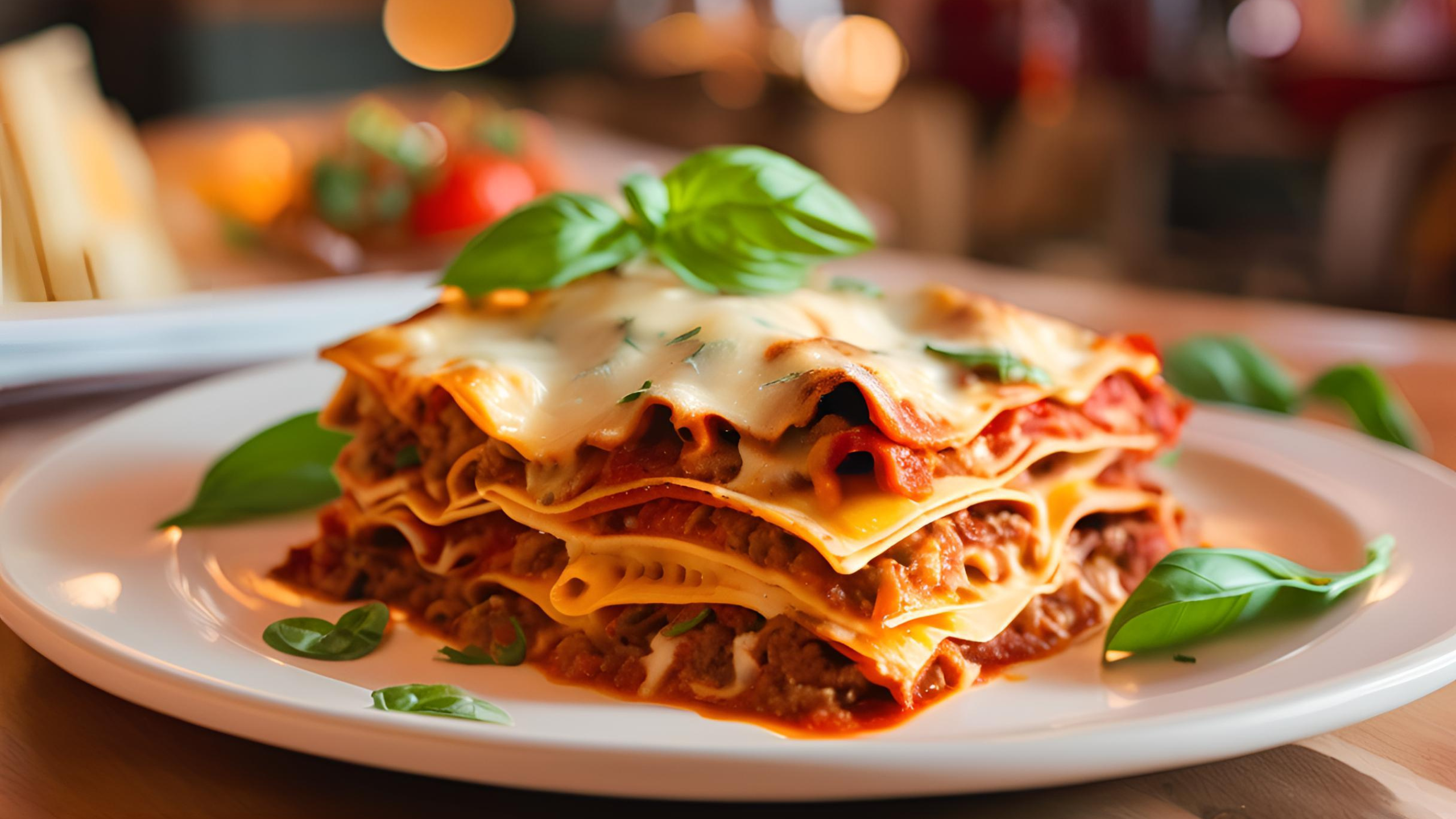
There it is again—that pull. You can almost smell the layers of rich marinara sauce, the melty cheese bubbling on top, and the perfectly tender sheets of pasta stacked in harmony. If you close your eyes, you might even imagine the satisfying sound of your fork sinking into that first warm bite. Lasagna. Few dishes have the power to comfort like this Italian classic, wrapping us in a culinary hug that whispers, everything will be okay.
But why does lasagna have such a magnetic hold over you? Maybe you’ve been trying to shake off this craving, wondering if your body is secretly conspiring against you, but the thought refuses to leave. You’re not alone—and your craving isn’t as random as it might feel.
Lasagna cravings contain fascinating clues about your body, emotions, and past experiences. Whether you’re longing for its cozy familiarity or trying to decode what your taste buds are asking for, this article holds the answers. Together, we’ll uncover seven delicious reasons behind your lasagna cravings—and how each has more to do with you than you might think.
Dive in; perhaps by the end, you’ll understand your craving better and feel more at peace with it, too. Because sometimes, beneath the layers of béchamel and ricotta, lies a story about you waiting to be discovered.
Reason# 1: You’re Low on Energy and Need Carbs
If you’re feeling drained, low on energy, or skipped a meal, a craving for carbohydrate-loaded lasagna makes perfect sense. Your body is cleverly asking for quick, energy-packed fuel to restore your balance. The pasta sheets in lasagna deliver carbs, while the layers of cheese and meat provide fats and proteins—a powerful combination to replenish depleted stores.
Think back to your last hectic day that had you running on empty. Lasagna isn’t just appealing in taste; it’s a nutrient-dense beacon of refueling energy. Your body, in its wisdom, knows exactly what it needs. When these cravings hit, try journaling about the timing.
Were you too busy to eat earlier, or maybe you’ve had long gaps between meals? Writing it down helps you spot patterns to keep your energy steady. And if lasagna isn’t in the picture for tonight, a quick, balanced meal with whole grains and proteins, like a quinoa bowl, can help smooth things over.
Reason# 2: You’re Craving Comfort and Nostalgia

Few dishes carry emotional weight quite like lasagna. It might remind you of a cozy family dinner, the smell of your grandmother’s kitchen, or a laughter-filled table with friends. Lasagna has memories in its layers, making it a heartwarming food that provides emotional comfort when life is chaotic.
These cravings often emerge when you’re craving connection or security. Take a moment to reflect—do you feel stressed, nostalgic, or even lonely? Maybe it’s been a while since you’ve had quality time with loved ones. Use journaling to explore this tenderness. Jot down a memory of lasagna that feels meaningful to you, and notice how it shapes your desire for the dish. Sometimes, even writing about those feelings can offer comfort. You can also honor this craving by creating a meal that brings you joy, like a lighter version of lasagna or another nostalgic dish.
Reason# 3: Your Body Needs Iron or Protein

Cravings aren’t always about emotions. Physically, your body could signal a need for iron or protein—nutrients found abundantly in the hearty layers of lasagna, especially if it’s packed with meat, spinach, or cheese. When you’re low in these vitamins and minerals, energy can drop, and cravings for rich, nutrient-filled foods often follow.
Have you been feeling unusually tired or weak? Track what you’ve been eating over the last day or two. Maybe you’re missing meals with protein or haven’t had iron-rich foods like leafy greens, beans, or beef. Craving lasagna can be your body’s clever (and delicious!) way of returning these nutrients to balance. If your body is calling for strength, consider enjoying beef and ricotta-stuffed lasagna or making vegetable-forward variations loaded with spinach.
Reason# 4: You’re Seeking a Rich Flavor Experience
Lasagna is a symphony for the senses—the tang of tomatoes, the creaminess of cheese, the umami depth of sautéed meat, and the aromatic herbs. If your meals lately have been bland or uninspired, this craving could be your taste buds asking for excitement.
Food isn’t just fuel; it’s an experience. The craving for something decadent like lasagna can arise when your current food routine feels repetitive, or you’ve missed out on variety. Pay attention to how richly layered meals bring you joy—and be curious about what else in your life might need a refresh. Journaling can help here, too. Write down what meals or flavors satisfy you and see if you can introduce more curiosity and creativity into your cooking. And for those flavor-hunting taste buds, why not experiment with modern lasagna twists, like roasted vegetable or pesto-based version?
Reason# 5 Cultural or Social Influences
Cravings can also be fueled by what we see, hear, or smell. Maybe you walked by an Italian restaurant, and its scent filled the air, or you saw a glowing Instagram post of the cheesiest slice of lasagna imaginable. Food cravings rooted in social or cultural exposure tend to mimic the need to connect with the community or celebrate.
If this resonates, consider the power of food to bring people together. Write down any recent social moments involving food or even pictures. Have you been influenced by who or what’s around you? Even if the craving is driven socially, there’s no harm in leaning into it. Recreate the lasagna at home as a shared experience, or turn to similar crowd favorites like baked ziti or stuffed shells.
Reason# 6: You Might Be Stress-Eating

When stress begins to press down, we often turn to indulgent and hearty foods for soothing relief. There’s something almost therapeutic about a bubbling tray of lasagna coming out of the oven. If your day has been overwhelming, lasagna’s heaviness might feel like a tangible form of support.
Stress cravings are usual because hormonal changes—like increased cortisol—make us yearn for calorie-dense comfort foods. This learned behavior helps momentarily counteract stress but may not be sustainable in the long term. The next time you feel this tug, pause and journal where your stress lives. Can deep breathing, yoga, or stepping away from the task meet that need instead? If lasagna still feels right, prepare a small, mindful portion and enjoy it without guilt.
Reason# 7 Underlying Binge-Diet Cycle
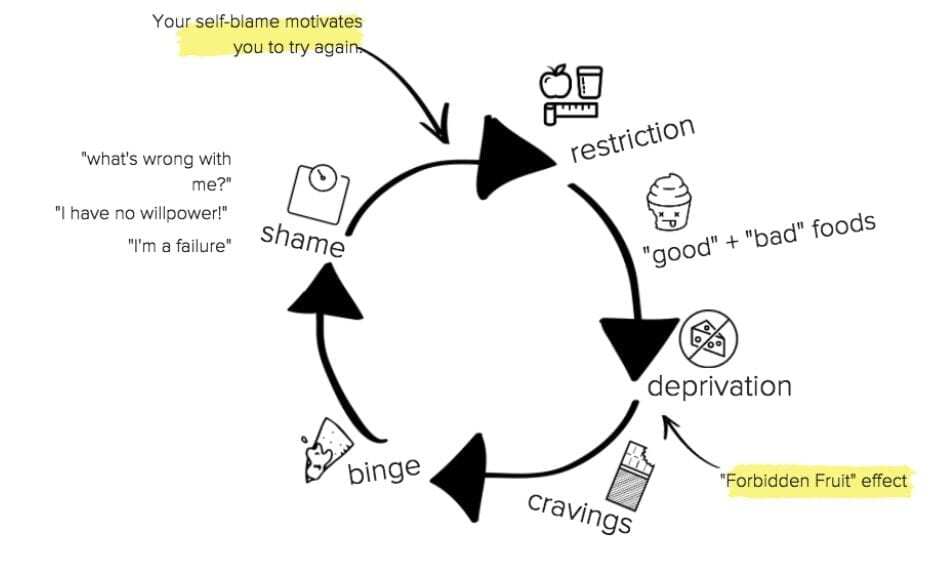
Sometimes, cravings reveal a deeper pattern. If you’ve been restricting yourself from foods you love, lasagna might feel like the ultimate forbidden delight. However, restriction often backfires, creating an inner tug-of-war that leads to intense cravings and potential guilt.
Dieting and binge cycles thrive on denying yourself satisfaction, only to swing back to indulgence. Ask yourself: Is lasagna really “off-limits,” or does it belong in a balanced, joyful way of eating? Journaling about these questions can help you uncover whether you’re over-restricting and what you genuinely need to feel whole.
An approach like Eating Enlightenment encourages you to explore these cravings through awareness-based food practices. Remember, no food is inherently “bad,” and even rich dishes like lasagna can have a nourishing role in your life.
Cravings and Binge Eating Disorder

Picture this—you’re in the middle of a busy day, but your mind keeps returning to one irresistible thought. Lasagna. The bubbling cheese, layers of pasta, and rich marinara sauce seem to call to you like a siren song.
Writing this off as a simple craving everyone experiences occasionally would be easy. And while that can certainly be true, what if cravings like these become persistent and overwhelming? What if they begin to feel less like a whim and more like a compulsion?
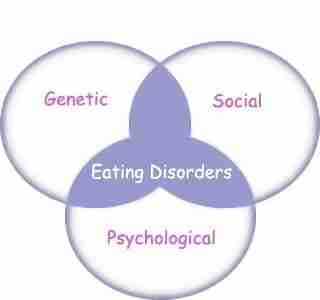
For many, food cravings are more than just a passing indulgence—they can highlight more profound struggles with eating patterns or emotional health. Particularly, comfort foods like lasagna often become central to cycles of restriction, overindulgence, and shame. Binge eating disorder (BED) is one condition where these patterns may appear.
It involves recurring episodes of eating large amounts of food, feeling a loss of control during these binges, and grappling with a heavy sense of guilt afterward. Often, this cycle is fueled by deprivation—whether from too-strict dieting, unmet emotional needs, or unresolved stressors.
If any of this resonates with your experience, know that you’re not alone, and there’s no judgment here. At Eating Enlightenment, we believe cravings aren’t enemies to fight or problems to fix but instead messages from the body and mind that deserve attention and care. By understanding their origins and responding compassionately, you can begin to transform your relationship with food—and find the peace you deserve.
The Eating Enlightenment Approach to Cravings

Instead of problematizing cravings, the Eating Enlightenment approach reframes them as opportunities to learn about your body’s needs—nourishment, emotional connection, or healing from past wounds. We’ve developed a three-step method grounded in mindfulness and self-discovery that empowers you to respond to cravings with balance and insight rather than resistance or guilt.
Step 1 – Build a Nutritional Foundation
Cravings are often our body’s way of sounding the alarm for unmet needs, particularly energy. When you skip meals, restrict food groups, or go long without eating, your biological hunger intensifies cravings for carb-heavy dishes like lasagna. We begin with a strong foundation of regular, balanced meals.
Start by keeping a simple food journal to track what and when you eat throughout the day. Aim for consistency, ensuring your meals include fuel (like carbohydrates) and sustenance (like proteins and fats) to keep your energy stable.
For example, a breakfast of whole-grain toast with avocado and eggs can nourish your body and set a stable tone for the day. Journaling can also help you pinpoint patterns—perhaps you realize your lasagna craving always hits on hectic afternoons when you’ve had too little to eat earlier in the day. With this awareness, you can address the root cause rather than get stuck in the craving.
Step 2 – Cultivate Mindfulness Towards Triggers
Once your physical needs are well-supported, it’s time to explore the emotions and behaviors surrounding your cravings. Why lasagna? Is it just about the food, or does it carry deeper emotional ties? Perhaps it comforts you after a stressful day or reminds you of warm family gatherings you wish to relive.
To unpack this, we recommend journaling as a personal mindfulness tool. The next time a craving arises, take a moment to reflect and write. What emotions were present before the craving appeared—stress, loneliness, or something else?
Are there external triggers, like the smell of Italian food wafting through town or a social media photo of someone’s lasagna dinner? Write freely without judgment and allow patterns to emerge. This practice helps you create a pause between the craving and the action, giving you time to make conscious choices tailored to what you truly need.
Step 3 – Heal Inner Parts Through Journaling

Sometimes, cravings are driven by inner voices or “parts” of ourselves shaped by past experiences. For instance, feelings of deprivation tied to a history of restrictive diets can make foods like lasagna seem “forbidden.” This sense of denial heightens desire and can lead to all-or-nothing thinking—either you eat the lasagna and feel guilty or force yourself to avoid it altogether.
Digging into these inner patterns through journaling can be deeply healing. Reflect on where you’ve felt deprived, whether it’s nutritionally, emotionally, or even socially.
Perhaps your inner perfectionist pushes the narrative that indulgence means failure or an inner child part of you associates lasagna with safety and comfort. By acknowledging these inner voices without shame, you can address their needs constructively rather than through bingeing or restrictive behaviors.
A Practical Tip for Mindful Lasagna
After exploring the layers of your cravings, you may still find that lasagna is calling to you—and that’s okay! Rather than feeling guilt or avoidance, aim to enjoy it mindfully and intentionally. Serve yourself a single portion, sit down without distractions,
and savor the textures and flavors with each bite. Better yet, consider experimenting with lighter versions, like zucchini-noodle lasagna or whole-grain pasta alternatives, which balance indulgence with nourishment.
Remember, your cravings are not betrayals of your progress but signals guiding you back to yourself. With mindfulness and compassion,
you can reshape your relationship with food into one free of guilt and full of peace. Listen to your body, honor your needs, and know that every small step toward this balance is worth celebrating.
Final Thoughts

Craving lasagna might initially seem simple—a love of cheesy, carb-filled comfort food. But as we’ve explored, there’s often much more beneath the surface.
Whether it’s a call for emotional connection, a reflection of nutritional gaps, or a response to external triggers, each craving tells a story. By taking the time to understand these cravings, you can make healthier choices and gain insight into your personal needs and habits.
Mindful journaling is a powerful tool to help you in this process, and the Eating Enlightenment Journal App makes it easier than ever. By tracking your cravings, meals, and emotions, you’ll start to see connections you might have missed and uncover the root causes of your eating patterns. With this knowledge, you can bring curiosity and compassion to your relationship with food—letting go of guilt and creating space for nourishment and joy.
Take the first step towards mindful eating and self-discovery today. Download the free Eating Enlightenment Journal App and unravel the story behind your cravings. It’s the perfect companion for your unique health and wellness journey.