


Do you ever catch yourself reaching for a piece of white chocolate, almost like it’s second nature, and wonder, “Where did that craving come from?” Maybe it strikes just as you’re wrapping up a long, stressful day or unexpectedly during a quiet moment late at night. And no matter how much you try to brush it off, that sweet, creamy taste keeps calling your name. Sound familiar?
Let’s take a breath here—it’s essential to know that cravings like these aren’t random or a sign of weakness. Cravings are your body’s way of trying to communicate something important. They can whisper clues about your nutritional needs, emotional state, or even subtle environmental changes. While they might feel frustrating or puzzling, these cravings can teach us a lot if we take the time to listen and reflect.
That’s precisely what this post is all about—unlocking the reasons behind those white chocolate cravings. Together, we’ll explore eight possible causes, from nutrient deficiencies and mood shifts to seasonal habits. Along the way, you’ll discover how to gently approach these cravings without judgment, using tools like journaling to uncover what your body and mind are asking for.
And here’s the exciting part—understanding cravings is not just about resisting or replacing them. It’s about transforming your feelings about food and yourself, building a deeper connection to what nourishes you physically and emotionally. By the end of this post, you’ll have a clearer picture of your cravings, practical tips to manage them, and maybe even some surprising insights about your relationship with food.
Are you ready to investigate what your white chocolate cravings might be signaling? Let’s get curious together!
> 1. Nutritional Deficiencies
When your body is low on essential nutrients like magnesium, calcium, or even carbohydrates, cravings for white chocolate can be your body’s way of asking for a quick energy boost. White chocolate’s combination of fats and sugar provides an instant, short-lived burst of energy that can feel irresistible when running on empty.
Are you skipping meals or relying on snacks that don’t leave you feeling satisfied? Nutrient-deficient meals or long gaps between eating could trigger your body to demand something high-calorie and fast.
Instead of responding impulsively, try using a food journal to track your eating patterns. Writing down what and when you eat can help you identify areas for improvement, like adding more protein, fiber, or healthy fats to your meals. Foods like nuts, seeds, and dark leafy greens are excellent natural sources of magnesium, while dairy products or fortified alternatives can help with calcium. Journaling Prompt: “What was my eating pattern today before the craving? Was my body running low on energy or nutrients?”
> 2. Emotional Eating

That silky, sweet bite of white chocolate can feel like a warm hug during stressful, lonely, or sad moments. Emotional eating often connects food with comfort, using sweetness to ease discomfort temporarily. After all, white chocolate activates dopamine in your brain, bringing a short-term “feel good” effect.
If you notice these cravings strike during emotionally heavy times—like conflicts at work, boredom, or a bad day—it might be worth pausing before indulging. Take a moment to write down your emotions. Are you stressed, sad, or just looking for a way to feel better?
Finding alternative ways to cope with your emotions can help bring clarity and relief. Walking, talking to a friend, or journaling feelings can shift the craving. Journaling Prompt: “What emotions am I feeling right now? How do I think white chocolate will make me feel?”
> 3. Stress and Cortisol Triggers
Chronic stress causes your brain to crave quick fixes, such as sugary foods, including white chocolate. When stress strikes, your body releases cortisol, a hormone that enhances your appetite and sends you looking for energy-packed snacks.
Start to notice if your cravings follow overwhelming work tasks, family responsibilities, or a hectic schedule. These aren’t moments of weakness—they’re your mind searching for relief.
Instead of immediately reaching for white chocolate, practice relaxation techniques. Some simple deep breaths, stretching, or stepping outside can reduce cortisol levels and bring you back to baseline. Journaling can also help uncover patterns and remind you of healthier alternatives when stress strikes. Journaling Prompt: “What’s the source of my stress? Is this craving my way of escaping it?”
> 4. Hormonal Changes
During menstruation, pregnancy, or menopause, your body’s fluctuating hormones often magnify cravings for high-fat or sweet foods. If you’re dealing with hormonal changes, white chocolate may call your name as your body seeks comfort and stability.
Reflect for a moment—are these cravings consistent with certain times of your cycle? Hormonal cravings aren’t bad or wrong, but addressing them mindfully can help. During these phases, try nourishing your body with nutrient-rich foods like whole grains, healthy fats, and lean proteins.
Keeping a journal to track your hormonal patterns and related cravings can help you prepare for these moments. Journaling Prompt: “Where am I in my cycle? How has my energy and mood felt today?”
> 5. Habitual or Conditioned Cravings
Is white chocolate your after-dinner ritual or something you reach for while binging your favorite show? Over time, your brain associates white chocolate with relaxation or reward, creating a powerful automatic craving.
Take a moment to notice the environments that trigger these cravings. Does the sight of a cozy evening automatically make you think of chocolate? Breaking these habits requires small, intentional steps. While maintaining that sense of comfort, swap white chocolate for something more nourishing, like herbal tea or a handful of nuts.
Journaling can help identify patterns. Journaling Prompt: “What is the emotional or environmental trigger for this craving? Does it happen in the same setting?”
> 6. Lack of Sleep

Cravings for high-energy foods like white chocolate can often stem from poor sleep. When you’re tired, your body produces more ghrelin (the “hunger hormone”) and less leptin (the hormone that signals fullness), leaving you more prone to sugar cravings.
If you’re noticing these cravings after a night of tossing and turning, it’s your body’s way of asking for energy to combat fatigue. Prioritizing a consistent sleep schedule of 7-8 hours can help curb them.
Use a journal to observe how your sleep impacts your cravings. Writing down patterns can make it easier to pinpoint and improve habits. Journaling prompt: “How many hours did I sleep last night? How is my energy affecting my craving?”
> 7. Dehydration
Did you know that thirst can disguise itself as hunger? It’s easy to mistake dehydration for a craving, especially for something hydrating (and sweet) like white chocolate.
Before indulging, ask yourself if you’ve had enough water. Drinking a glass and waiting 20 minutes can often satisfy what you thought was hunger. Carrying a water bottle with you throughout the day is a small but impactful way to stay hydrated.
Journaling Prompt: “How much water have I had today? Could this craving be a sign of dehydration?”
> 8. The Reward Factor
Do you treat yourself to white chocolate as a reward after a long day? It’s normal to use food to celebrate wins or bring some special indulgence into your routine. However, these cravings can become overly rewarding if they become your only go-to treat.
Reflect on your habits—are there other ways to celebrate or emotionally recharge? Perhaps it’s journaling about your gratitude, taking a relaxing bath, or indulging in a favorite hobby. If white chocolate remains part of your ritual, eat it mindfully, savoring every bite.
Journaling Prompt: “Am I using white chocolate as a reward? What other ways can I celebrate myself?”
10 Fun Facts About Cravings for White Chocolate

1. White Chocolate Isn’t Technically Chocolate!
Did you know white chocolate doesn’t contain cocoa solids—the main ingredient in traditional chocolate? It’s made from cocoa butter, sugar, and milk, giving it that creamy, buttery flavor we love.
2. It Was Invented By Accident
White chocolate was first created in the 1930s by Nestlé, initially as a way to use up excess cocoa butter. What started as a practical solution turned into an iconic treat!
3. Your Brain Is Wired for Sweetness
Craving white chocolate? It could be your brain seeking dopamine! [Fun Fact] Sweet foods trigger feel-good chemicals that boost your mood (though temporary).
4. It’s a Comfort Food Superstar
White chocolate’s smooth and creamy texture makes it a favorite comfort food, especially during stress, sadness, or boredom.
5. White Chocolate Bars Were a Luxury
When white chocolate first hit the shelves, it was considered a luxury item. Its appeal? The decadently smooth texture and unique flavor are not in dark or milk chocolate.
6. Cravings Could Indicate Nutritional Deficiencies
Cravings for white chocolate might signal your body needs magnesium or energy. [Fun Fact] Your body knows that white chocolate is calorie-dense and instantly satisfying—perfect for a quick fix.
7. Vanilla Makes It Irresistibly Rich
Most white chocolate includes vanilla, adding depth and complexity to its flavor, making cravings even harder to resist!
8. Linked to Childhood Memories
White chocolate cravings are often tied to nostalgia. That creamy sweetness might remind you of carefree childhood treats or holiday desserts.
9. It’s Liked Best in the Winter
Studies suggest we may crave white chocolate more in colder months. [Fun Fact] It’s likely your body is seeking the warmth and indulgence of comforting, sugary treats during winter.
10. White Chocolate Pairs Well With Savory Foods
White chocolate isn’t just for desserts! Pairing it with salty or savory snacks like pretzels or cheese creates a delightful contrast that elevates both flavors.
White chocolate isn’t just a treat—it’s a sweet story, a mood booster, and even a glimpse into your body and mind’s workings. Which of these fun facts resonates most with your white chocolate cravings?
Cravings and Binge Eating Disorder
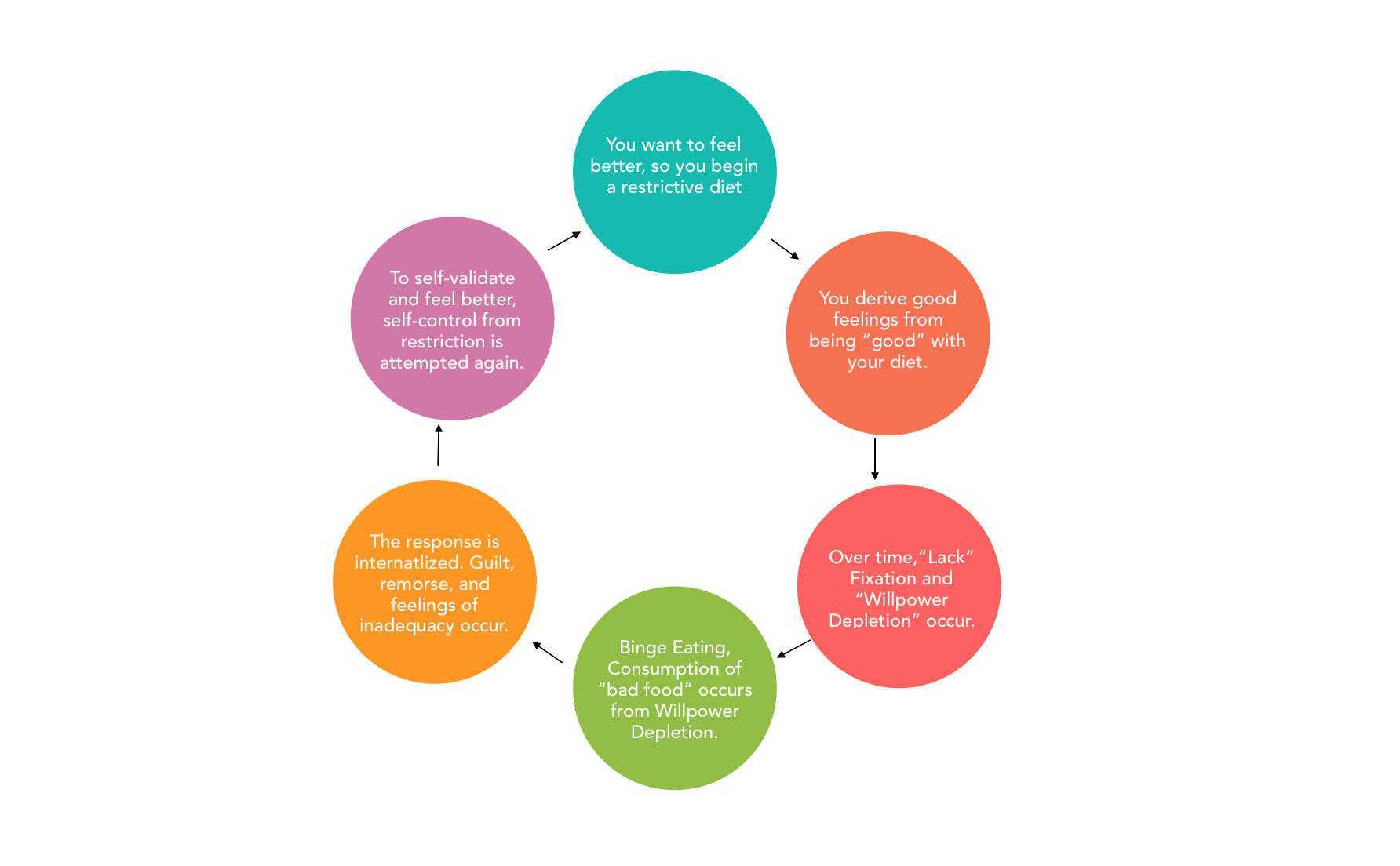
Cravings for white chocolate can feel relentless, but they often reveal deeper patterns. Persistent cravings might hint at the Binge-Diet Cycle—a pattern starting with food restriction (like skipping meals or avoiding certain foods), which builds tension and triggers intense cravings. Giving in to these cravings can lead to a binge, followed by guilt and a renewed vow to restrict, perpetuating the cycle.
Reflect on your cravings. Do they seem tied to periods of strict dieting or emotional stress? If so, understanding these patterns is the first step to breaking free.
The Eating Enlightenment Approach
At Eating Enlightenment, cravings are seen as signals, not shortcomings. We focus on curiosity and care to heal cycles of restriction and bingeing, starting with three key steps.
Step 1 – Nutritional Journaling
Unmet physical needs can amplify cravings. If your body isn’t receiving consistent nourishment, it will demand quick energy from foods like white chocolate; by journaling what and when you eat, you can spot gaps and ensure balanced meals with proteins, healthy fats, and carbs. This consistency reduces hunger-driven cravings.
Step 2 – Mindfulness of Triggers
Cravings often arise from emotional or situational triggers. White chocolate may represent comfort, distraction, or escape. Pause and reflect—what emotions or moments lead to your craving? Journaling builds awareness, helping you separate emotions from food and find healthier coping strategies.
Step 3 – Healing Inner Parts through Journaling
Cravings can stem from unprocessed emotions or unmet needs. For instance, an “inner comforter” might lean on white chocolate to soothe buried feelings. Journaling helps identify and listen to these voices, offering kindness and finding non-food ways to meet their needs, turning cravings into opportunities for healing.
Understanding Cravings Is the Key to Transformation
Cravings aren’t a sign of weakness but rather an invitation to better understand your body, emotions, and habits. Throughout this article, we’ve explored how cravings—whether for white chocolate or another indulgence—are intertwined with physical and emotional well-being. From nutritional gaps to emotional comfort, each craving tells a unique story about what you might truly need.
By reflecting on these urges with gentleness and curiosity, you empower yourself to make choices that nurture both body and mind. Journaling, in particular, is a powerful way to uncover patterns and gain insight into cravings. It allows you to connect the dots between what you eat, how you feel, and why you crave certain foods.
Take a moment to consider what your cravings are trying to teach you. Could they guide you toward something you’ve overlooked, like rest, comfort, or better nourishment? Understanding these messages and responding with mindful, compassionate choices is key to moving beyond reactive eating and building a healthier relationship with food.
To further explore this exploration, download the free Eating Enlightenment Journal App. This easy-to-use tool can help you track cravings, spot patterns, and practice mindful eating. Log your snacks, meals, and emotions to see the bigger picture of your eating habits unfold.
Start your journaling practice today by visiting EatingEnlightenment.com or searching for the app in your favorite app store. Consistent use gives you the clarity and confidence to respond to cravings in ways that truly support your well-being.
Understanding your cravings is the first step to transforming them—because with awareness comes freedom. Choose curiosity. Choose self-compassion. Your food journey—one rooted in balance and insight—starts now.