


Have you found yourself longing for your vape, even when you told yourself you wouldn’t hit it again? Perhaps there’s this moment where the craving takes over, leaving you grappling with the question, “Why can’t I control this?” If this sounds familiar, know that you’re not alone. Vape cravings can feel overwhelming, frustrating, and sometimes even mystifying. It’s as though your mind and body are searching for something, but you can’t quite figure out what or why.
This post is here to help you uncover those answers. Cravings, whether for nicotine or anything else, are rarely random. They often hold clues to what’s happening in your body, your emotions, and your daily habits. You might be surprised to learn that vape cravings can stem from stress, social cues, or even something as basic as dehydration. Understanding these triggers isn’t just insightful—it’s empowering.
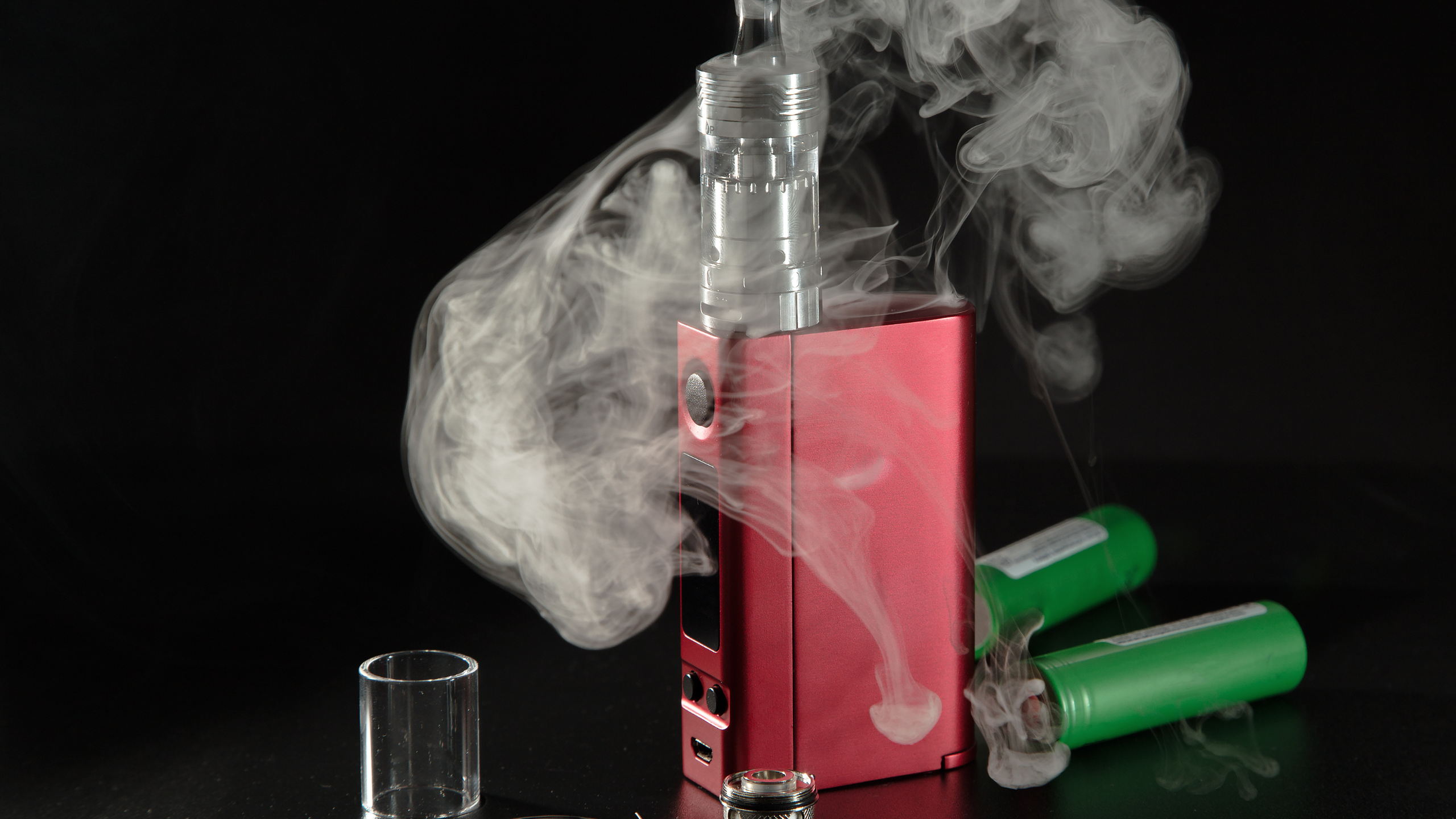
Together, we’ll explore 14 common reasons you might be craving your vape and how each impacts you. But this isn’t just about listing causes. It’s about helping you connect the dots in your unique experience. That’s where the power of journaling comes in. By tracking and reflecting on your cravings, you can notice patterns and gain clarity on what’s beneath them. Journaling offers a chance to slow down and figure out what you truly need, rather than relying on the temporary fix vaping might seem to provide.
By the end of this post, you’ll understand why these cravings arise and walk away with practical tools rooted in self-discovery. You’ll see how paying attention to your body, emotions, and thoughts can help you break free from the cycle of vaping and shift toward more fulfilling, healthier habits because you deserve that kind of clarity and peace.
#1 Nicotine Dependency and Habitual Triggers
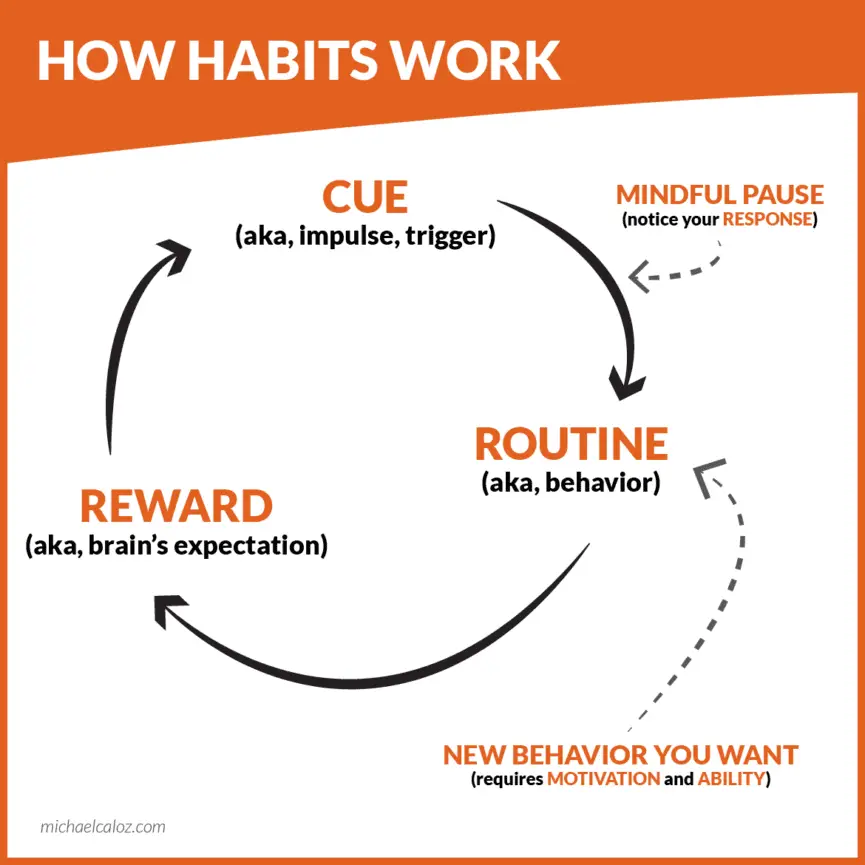
If you’ve noticed that your cravings for a vape feel almost like second nature, there’s a reason for that. Nicotine is highly addictive and works on your brain to create a constant need for more. Over time, your brain has been rewired to expect nicotine, especially during specific moments like after a meal or while you’re unwinding. These habits cement a cycle where vaping becomes a solution to your body’s call for nicotine or a default response to specific triggers.
To start breaking this cycle, try journaling about those triggering moments. For example, ask yourself, “What time of day or activities trigger my cravings the most? Can I identify the emotions or situation surrounding these moments?” You can make small changes by identifying patterns, like replacing vaping with healthier habits tailored to those triggers.
#2 Stress-Triggered Emotional Cravings

When life feels overwhelming, grabbing your vape might seem the quickest way to take the edge off. It’s no wonder that nicotine triggers dopamine release, momentarily making you feel relaxed. But this sense of calm doesn’t last, and you might find yourself vaping more as your stress builds.
Journaling can offer a stress outlet instead of letting stress control your cravings. Reflect by writing, “What emotions do I feel when I reach for my vape? Can I explore healthier ways to cope with this stress?” Consider alternatives like deep breathing, yoga, or a quick walk to calm your mind and body. These can provide a more sustainable form of relief.
#3 Seeking Comfort or Emotional Escape
Vaping might feel like a bit of comfort in challenging moments. Often, it provides an emotional blanket, distracting you from discomfort, sadness, or complicated feelings you’d rather not face. The vape becomes a way to escape momentarily, but it doesn’t truly heal those emotions.
By journaling, you can begin to connect with these underlying feelings. Start with, “Am I avoiding something difficult emotionally? What emotions or situations prompt my cravings most often?” Opening your journal and letting those feelings spill out is a better way to process discomfort than reaching for your vape.
#4 Nutritional Deficiencies
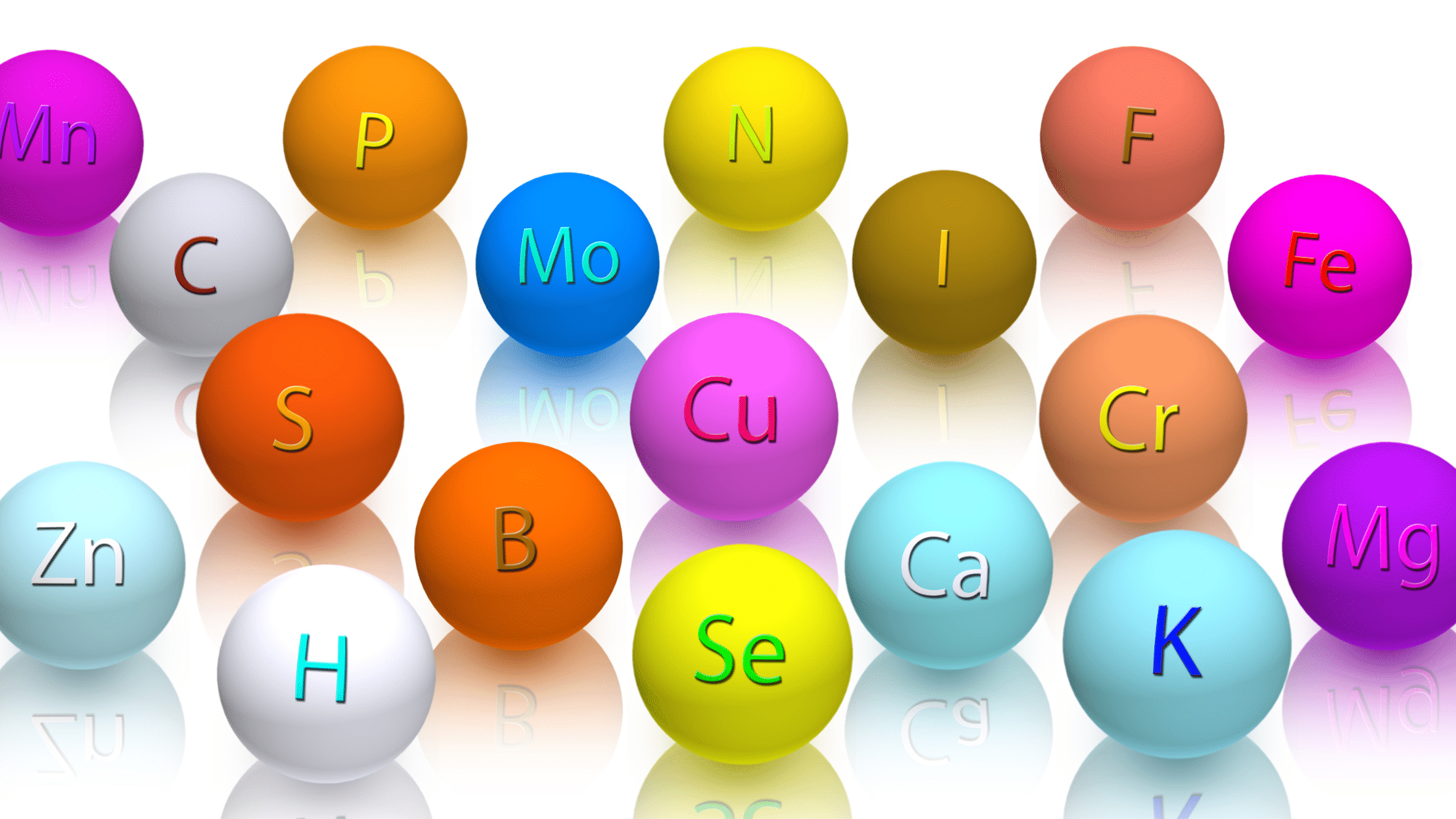
Believe it or not, your body’s cravings for nicotine could be a cry for something else, like nutrients. Low levels of vitamins like B or minerals like magnesium can leave you feeling depleted, which might pave the way for vape urges to creep in.
Try using a food log to track your eating patterns and energy levels. Ask yourself, “Have I eaten nourishing meals today? Could I use a food log to track my energy levels and nutrition?” Balanced meals with plenty of whole foods can help stabilize your body and reduce nicotine cravings over time.
#5 Association with Social Situations
Have you felt that pull to vape just because you’re at a party or with friends who vape? Social settings can normalize behaviors like vaping, making it harder to say no. Being around others who vape might make you crave it, even if the habit doesn’t align with what you want for yourself.
Use your journal to note this down. Reflect on, “What social interactions or environments make me want to vape? How do I feel in these moments?” By identifying social triggers, you can prepare tools like a drink or fidget toy to keep your hands busy instead of reaching for a vape.
#6 Habitual Oral Fixation
Sometimes, the urge to vape is less about nicotine and more about the act itself. You might notice you reach for your vape when you’re deep in thought or bored. This need for oral fixation can create a hard-to-break habit.
Consider healthier alternatives to satisfy these moments. Journaling can help illuminate solutions. Write, “What non-vaping alternatives could soothe my need for oral fixation?” Trying gum, sipping tea, or using a straw can offer the same tactile comfort without nicotine.
#7 Fatigue or Low Energy Levels

Your vape might feel like a quick pick-me-up on sluggish afternoons or sleepless nights. Nicotine stimulation creates a sense of heightened focus or energy, making it tempting when you feel drained. However, those energy crashes afterward only keep you stuck in a cycle.
Take a moment each day to reflect on your energy levels. Jot down, “Am I getting enough rest and maintaining consistent energy through balanced meals?” Small shifts like eating energy-boosting foods or scheduling breaks can keep you alert without relying on vaping.
#8 Memories of Initial Pleasure
Do you remember the first time you vaped? That rush or relaxation might still linger in your mind, fueling cravings even if vaping doesn’t bring you the same joy anymore. Sometimes, we chase past feelings instead of recognizing our current reality.
Journaling can help you understand this push and pull. Ask yourself, “What did vaping originally mean to me, and does that still feel true today?” This reflection can be powerful in recognizing how your relationship with vaping has changed and why it might be time to move forward.
#9 Mindless Habit or Boredom
When boredom strikes, your vape might feel like an easy way to fill the silence. Without conscious thought, it becomes a default action, something to do as time passes.
Journaling your thoughts can help you shift this unconscious habit into mindfulness. Ask yourself, “Am I vaping out of boredom? What other activities might engage me meaningfully instead?” Creative hobbies, exercising, or calling a friend can offer fulfilling ways to spend your time.
#10 Psychological Association with Focus or Productivity
For some, vaping becomes associated with staying sharp or getting through work. It might feel like a tool that helps you stay focused, especially in routines tied to productivity, like studying or brainstorming.
Challenge this narrative with journaling prompts like, “Are there healthier rituals I can incorporate to improve my focus without vaping?” Alternatives like stretching breaks, chewing mint gum, or using essential oils can signal your brain to stay alert in healthier ways.
#11 Fear of Withdrawal Symptoms
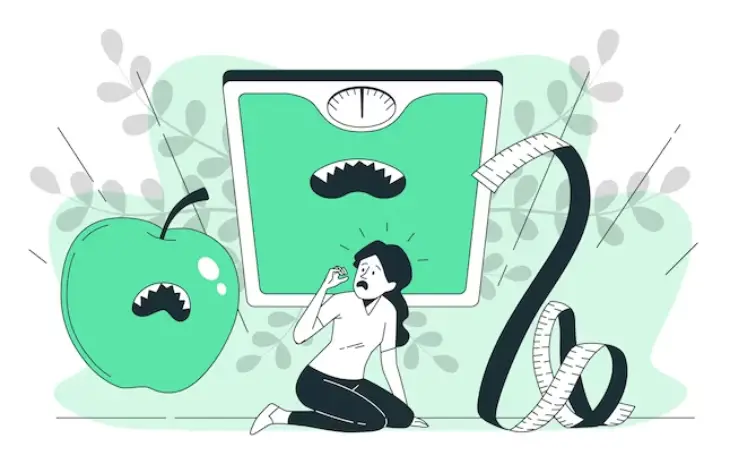
Fears of withdrawal might spark cravings before they even begin. Concerns about irritability, restlessness, or anxiety can create a cycle where you preemptively vape to avoid feeling uncomfortable.
Prepare yourself by reflecting in your journal, “What withdrawal symptoms worry me the most? How can I plan for these challenges in kinder ways?” Whether it’s having a support network or practicing calming techniques, reassurance can prevent withdrawal from controlling you.
#12 Physical Addiction to Dopamine Spikes
Nicotine manipulates your brain chemistry, creating a dependency on those short-lived dopamine bursts. Each time you vape, your brain craves that reward, keeping the cycle alive.
Instead of reaching for nicotine, explore healthier dopamine-boosting activities. Reflect in your journal, “What other healthy dopamine-releasing activities can I explore (like exercise, hobbies, music, or creativity)?” Joy-filled activities can provide a natural boost, helping you break free from nicotine’s grip.
#13 Influence of External Marketing or Peer Pressure
The power of external influences, from flashy ads to seeing peers vape, can be enough to pull you back in. Marketing often emphasizes convenience or “coolness,” making it easy to justify cravings.
Resist external pressures by using journaling to reconnect with yourself. Ask, “When do I feel most influenced to vape because of my environment or others around me?” Awareness of these moments can help you choose healthier responses.
#14 Dehydration or Confusion with Physical Hunger
Sometimes, vape cravings might not be what they seem. Your body’s signals for thirst or hunger can overlap with other cravings, making it challenging to pinpoint the real need.
Next time the craving hits, reflect by asking, “Am I properly hydrated? When was the last time I ate a satisfying meal?” Keeping a water bottle nearby and nourishing your body can meet your needs while reducing misinterpreted cravings.
Linking Vape Cravings with Binge Eating Disorder
Have you noticed vape cravings popping up unexpectedly, demanding your attention? These cravings, though tied to nicotine, often reveal deeper behavioral and emotional patterns. Similar to binge eating disorder (BED), vape cravings can signal unmet needs, emotional triggers, or ingrained habits. Understanding this connection brings insight and enables the effective management of these urges.
Take the binge diet cycle as an example. For someone dealing with BED, the cycle begins with restrictive behaviors, such as denying a craving. This often intensifies physical and emotional desires, escalating into a craving phase where the urge feels overwhelming. When acted upon, it leads to temporary relief, yet guilt quickly follows, resetting the cycle. Similarly, avoiding vaping outright might amplify cravings, creating emotional strain and a sense of failure when you give in. Recognizing this pattern is essential for change. Vape cravings are not just about willpower; they reflect deeper needs that deserve attention.
How the Eating Enlightenment Approach Helps Manage Vape Cravings
At Eating Enlightenment, we approach cravings with curiosity and compassion. Instead of suppressing them, we explore their cause through a three-step process grounded in awareness and healing.
Step 1: Nutritional Journaling
Cravings often align with depleted energy or skipped meals. Your body might seek nicotine to counter low blood sugar or mental fog. Journaling your meals, snacks, and energy levels for a week can help identify patterns. Balanced meals with protein, fiber, and healthy fats stabilize blood sugar, making mid-afternoon crashes—and related cravings—less frequent.
Step 2: Mindfulness of Triggers
Cravings often connect to emotional or situational triggers like stress or social settings. Journaling can spotlight these patterns. Write about your cravings, asking questions like, “What triggered this craving? What emotions or thoughts surfaced?” Being mindful allows you to prepare responses, such as deep breathing when stressed or using a soothing ritual to refocus.
Step 3: Healing Inner Parts
Cravings can reflect unresolved emotional needs. Vaping may substitute for self-soothing during painful moments. Journaling helps you explore these cravings with compassion. Ask questions like, “What does this craving reveal about where I feel unfulfilled?” Addressing those emotional layers may reduce cravings over time, finding healthier ways to nurture yourself.
Practical Tips and Resources
Replace vaping with new habits that address underlying needs. Stressed? Practice deep breathing or creative hobbies to soothe yourself. Journal your progress to celebrate even small victories, like making it through one craving-free day.
Use tools like the Eating Enlightenment app for journaling prompts or find support through communities like Quit Now. You’re not alone on this path; every small step is progress toward lasting change.
Wrapping Up
Understanding why you crave vaping is a decisive step toward taking control of those urges. As we’ve explored, cravings are not just about nicotine; they often reflect deeper patterns tied to emotions, habits, or even physical needs. By identifying these triggers with curiosity and compassion, you can start making choices that support your well-being.
Self-awareness and mindfulness are your most potent tools in this process. Through journaling, you can uncover patterns in your cravings, pinpoint the emotional or situational triggers, and replace impulsive reactions with thoughtful responses. Tools like the Eating Enlightenment Journal App are designed to make this process easier and more effective. This free app empowers you to track your cravings, identify recurring patterns, and connect the dots between your daily choices and overall health. It’s a practical, supportive way to nurture change at your own pace.
Why wait? Download the Eating Enlightenment Journal App today and take that first small yet meaningful step toward understanding and managing your cravings. Remember, each entry you make is an act of self-care, bringing you closer to clarity and inner balance.
Cravings may be challenging, even overwhelming, at times, but they are not invincible. Every moment you spend reflecting, journaling, or choosing a healthier alternative strengthens your resolve. You can shape a future free from dependency, one step at a time. Go easy on yourself in this process, and know your efforts are paving the way for a more empowered, fulfilling life. You’ve got this!