


Have you found yourself yearning for a cigarette, even though you’ve never held one between your fingers? It might have happened while walking past someone smoking or during a particularly stressful moment. That sudden urge can leave you feeling puzzled, even a bit uneasy—after all, where could this craving come from?
First, know this: cravings, even the unexpected, are not random. They’re your body’s way of waving a flag, signaling that it might need a nutrient, a routine shift, or a stress release. These messages aren’t always obvious; decoding them takes curiosity and reflection.
Here’s where journaling is a powerful tool. You can start unraveling the mystery of these cravings by pausing to jot down what you’re feeling and noticing. Were you feeling tense or emotional when the thought of smoking popped into your mind?
Have you been eating irregularly or missing out on key nutrients? Or maybe there’s a subconscious association tied to an environment or memory. Journaling with compassion and openness creates a safe space to explore these signals without judgment.
Exploring cravings is part of the Eating Enlightenment philosophy, which embodies offering yourself understanding and grace. Together, we’ll consider all the puzzle pieces—stress, environment, diet, and even the symbols our cravings represent—to help you better understand your body’s needs and how to ease them.

By the end of this exploration, you may find that these cigarette cravings have less to do with the cigarette itself and more to do with unfulfilled needs or triggers in your daily life. And through gentle self-awareness, you’ll be closer to uncovering what your body is trying to tell you. Let’s journey together to make sense of it all.
#1. Nutritional Deficiencies
Believe it or not, your body may interpret specific nutritional imbalances as cigarette cravings. Deficiencies in magnesium, vitamin B, or other essential nutrients can cause your body to seek substances it associates with relief—sometimes leading to peculiar non-food cravings.
For example, magnesium plays a role in maintaining your nervous system. Low levels could leave you feeling tense or anxious, indirectly sparking a craving for something calming, like a cigarette. Similarly, vitamin B deficiencies might hinder energy production, leaving you searching for anything that seems stimulating.
You can start addressing this by closely examining your daily diet. Ask yourself if your meals have been balanced and nourishing, with adequate servings of vegetables, whole grains, lean proteins, and healthy fats. To explore this further, try journaling with this prompt: “
What have I been eating lately, and is there a chance my body is missing something? What physical sensations accompany this craving?” Mindful journaling is a core part of the Eating Enlightenment process, helping you uncover patterns and recognize gaps in your nutritional foundation.
#2. Psychological Associations
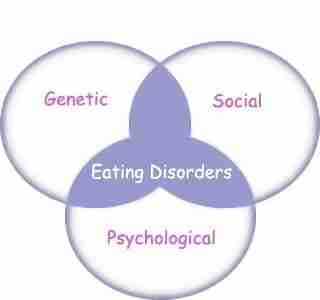
Subtle psychological cues can often trigger cravings. Think about this: have you recently watched a movie where characters smoked during pivotal moments?
Or have you seen someone light a cigarette while enjoying a deep conversation? The subconscious association between cigarettes and a particular lifestyle, mood, or experience can generate cravings even if you’ve never smoked.
This is where mindful journaling becomes invaluable. Take a moment to reflect and write about your most recent craving. “When did I first notice this craving? Was someone smoking nearby or an environmental factor that might have triggered this thought?”
Observing these triggers without judgment allows you to lean into curiosity and detach yourself from the impulse. By practicing mindfulness, a key tenet of Eating Enlightenment, you’ll learn to create space between your thoughts and actions, helping you manage these triggers calmly.
#3. Stress or Emotional Coping

Life’s chaotic and stressful moments may leave you searching for relief, even in unexpected forms—like craving something you’ve never tried, such as a cigarette. The mind often seeks familiar symbols of “calm” or “release,” and culturally, cigarettes have been linked to stress relief.
Rather than dismissing this craving, use it as an opportunity for introspection. Sit down with your journal and ask yourself, “What am I feeling right now? Am I stressed, anxious, or overwhelmed? What would truly comfort me in this moment?”
This line of inquiry gives the craving a voice and allows you to identify its root cause. Eating Enlightenment’s second step focuses on building embodied awareness of these triggers through mindfulness, which can help soothe emotional turbulence.
#4. Underlying Health Conditions

Certain health conditions, such as adrenal fatigue, dopamine irregularities, or thyroid imbalances, can manifest in unusual cravings. For instance, an overtaxed adrenal system could make you crave an “energy boost,” and your mind might mistakenly associate that with the stimulant effects of nicotine. Similarly, low dopamine—a brain chemical linked to motivation and reward—can fuel the desire for substances that spark a sense of quick gratification.
If this resonates with you, journaling can help you start the discovery process. Try this prompt: “Have I felt physically off lately? Have I been overly fatigued, foggy, or low energy? What is my body telling me?” Be gentle as you reflect and consider consulting a healthcare professional to explore potential underlying conditions further.
#5. Unmet Oral Fixations
The simple desire to engage your mouth with chewing, biting, or even holding something might translate into a craving for a cigarette. This could be especially relevant if you find comfort in oral sensations, such as chewing gum or sipping on a warm drink.
To decode this craving, journal with the prompt, “How do I feel about textures and oral sensations right now? Could I replace this craving with chewing gum or sipping tea?” Drinking herbal teas, munching on crunchy vegetables, or keeping a toothpick nearby can provide alternative sensory satisfaction. You can create habits that healthily meet your oral-sensory needs through mindful experimentation.
#6. Environmental Conditioning
Have you noticed that certain places or social settings trigger your cigarette cravings? This might happen if you frequently see others smoking during shared activities—such as pre-meeting coffee breaks or outdoor social gatherings. Our environments can leave lasting imprints on our subconscious, influencing behavior in ways we might not immediately notice.
When you experience these cravings, pause momentarily and write about your surroundings. The journaling prompt, “What patterns am I noticing about where and when these cravings hit? What external factors could be contributing?” can illuminate unconscious conditioning. Building awareness around this helps loosen the grip of environmental triggers over time.
7. Symbolic or Emotional Meaning
Sometimes, cravings have little to do with the substance itself, instead representing deeper needs. Cigarettes might symbolize rebellion, freedom, or even calm, depending on personal or cultural associations. If you’re craving cigarettes, this could highlight unmet desires for self-expression, a need for grounding, or a wish for change in your life.
Dive into this idea by journaling, asking, “What emotional or symbolic associations do I have with cigarettes or smoking? What need might I be reaching for symbolically?” Compassionately exploring these thoughts might uncover new insights about yourself and your life’s direction. These “a-ha” moments, pivotal in Eating Enlightenment’s third phase, guide you toward healthier emotional release and fulfillment.
#8. Hormonal Imbalances

Fluctuating hormones, whether due to PMS, menopause, or stress-related cortisol spikes, can create unusual cravings. During hormonal imbalance, your body may send confusing signals, seeking comfort or order amidst the internal storm.
To better understand this, consider journaling, “What hormonal changes might I be experiencing right now? Have I noticed patterns in cravings during certain phases?” Paying attention to your body’s rhythms while ensuring a stable diet and sleep routine can help ease the intensity of these cravings. Discussing symptoms with a healthcare provider can offer clarity and solutions if necessary.
Myths and Facts About Craving Cigarettes

- [Myth] Craving cigarettes means you’re addicted.
[Fact] Non-smokers can experience cravings triggered by stress, environmental cues, or emotional associations, not addiction. - [Myth] Only smokers crave cigarettes.
[Fact] Cultural symbols or psychology can lead to cravings even in non-smokers, linking cigarettes to rebellion, calm, or social belonging. - [Myth] Cravings are purely physical.
[Fact] Cravings often reflect emotional needs or stress—not just physiological responses. - [Myth] Cravings indicate a desire to start smoking.
[Fact] Unusual cravings may signal unmet emotional needs, not a genuine desire to smoke. - [Myth] You can’t control cigarette cravings.
[Fact] Mindfulness techniques, like journaling, can often help identify triggers and reduce the intensity of cravings. - [Myth] Cravings for cigarettes mean something is wrong with you.
[Fact] Cravings are natural signals from your body or mind asking for attention, not moral or physical failure. - [Myth] It’s impossible to stop cravings once they start.
[Fact] Pausing and reflecting with tools like journaling can help redirect or reframe cravings into actionable insights. - [Myth] Cravings always have a simple explanation.
[Fact] Cravings are complex and can be influenced by emotional, environmental, and physical factors.
When Cravings Might Signal an Underlying Issue

Cravings, especially unusual ones like cigarettes, can extend beyond surface desires and hint at more profound issues such as disordered eating or emotional distress. These urges often intersect with behaviors like binge eating disorder, where they act as coping mechanisms to escape stress or unmet needs.
The binge-diet cycle explains this pattern, starting with unmet needs or deprivation. This sparks sudden urges, which escalate into overindulgence, guilt, and self-blame. Many restrict again to “fix” the situation, triggering the loop.
The Binge-Diet Cycle Simplified:
- Deprivation: Emotional or physical needs go unmet.
- Urges: The body or mind signals an intense craving.
- Overindulgence: An impulsive attempt at relief.
- Guilt: Feelings of failure or shame take over.
- Restriction: A renewed focus on withholding and restarting the cycle.
Breaking this pattern requires addressing cravings with compassion rather than blame. Journaling is particularly powerful here, offering a way to slow down, reflect, and uncover the real messages behind your cravings.
The Eating Enlightenment Approach to Cravings

To break the cycle, Eating Enlightenment focuses on three compassionate steps.
Step 1: Nutritional Foundations through Journaling
Cravings can often emerge when the body’s basic needs are unfulfilled. Address this by ensuring a consistent baseline of nourishment. Balanced meals with protein, fiber, and healthy fats can stabilize your body and reduce confusing signals. Journaling helps track these choices without judgment. Use this prompt to begin: “Am I eating enough? Are my meals balanced?”
Step 2: Mindfulness and Trigger Awareness through Journaling
Once physical needs are stabilized, begin reflecting on emotional and situational triggers. Cravings often emerge as clues to unmet emotional needs or stress. Mindful journaling can highlight patterns you might otherwise miss. Pause and write about your feelings and environment with this prompt: “What emotions or situations precede my cravings? What am I truly looking for?”
Step 3: Healing Emotional Roots through Journaling Inner Voices
Explore the emotional stories driving persistent cravings rooted in more profound pain. Whether it’s unresolved trauma or unmet inner needs, journaling helps you connect with and care for the parts of yourself asking for attention. Use this prompt to deepen your understanding: “What might this craving be trying to tell me about my past or unmet needs? How can I nurture myself differently?”
Finding Clarity in Cravings
Unexplained cigarette cravings may be puzzling, but they are often rooted in psychological, emotional, or physiological triggers. From stress and nutritional needs to environmental cues and emotional associations, your cravings are your body and heart expressing a need for attention.
You can better understand these signals and respond in healthier, more fulfilling ways by reflecting.
Practical Advice for Addressing Unusual Cravings
- Start Journaling Daily to explore your cravings thoughtfully and uncover patterns or triggers.
- Experiment with Alternatives like chewing gum, sipping warm beverages, or engaging in self-soothing activities.
- Practice Self-Compassion to interrupt cycles of guilt or self-criticism and foster understanding.
- Consider Professional Support if cravings feel overwhelming, persistent, or tied to more profound emotional challenges.
Final Reminder
“You are not alone in navigating these feelings. Cravings, even puzzling ones, are your body and heart communicating a need. By slowing down and journaling your way into clarity, you can uncover the reason behind the craving and learn to care for yourself in ways that bring genuine peace. Remember, there’s always a path forward—and you have what it takes to walk it.”
If you’re ready to take the next step toward understanding your cravings and improving your well-being, try the free Eating Enlightenment Journal App.This simple yet effective tool can help you track your cravings, identify triggers, and gain meaningful insights into your habits and emotions. By journaling, you can set yourself up for greater self-awareness and a healthier, more balanced lifestyle. Start your journey today!