


Have you ever wondered why specific food cravings strike you out of the blue? Understanding these cravings can be a key to understanding your body’s nutritional needs.
This post will dive into a basic chart that links common food cravings to potential deficiencies.
By recognizing these signals, you can make more informed choices that support your overall health. The Eating Enlightenment Food Journal App is a valuable tool in this journey, helping you track cravings, manage emotional eating, and break free from binge patterns.
Let’s explore how understanding your cravings can lead to a healthier, more balanced life.
- First, you’ll see the more common food cravings in a Food Craving Meanings Chart, which you can see below. Like chocolate! These surface layer cravings for food are related to nutritional deficiencies.
- Second, beneath the chart, we’ll explore the common food patterns behind these cravings. In this section, we’ll also explore the deeper layer behind the food cravings, which relate to emotions like stress and boredom.
Food Craving Definition
There are two essential food cravings definitions:
- Food cravings are based on genuine physical hunger. In other words, your body is hungry and needs fuel!
- Food cravings are based on emotions, boredom, rebelliousness, triggers, etc. In other words, emotional eating.
So, what do your food cravings mean? If you suddenly, intensely crave a particular food, it’s probably emotional.
On the other hand, if you gradually become more hungry throughout the day and your cravings build up slowly, it’s probably physical hunger.
When you look at the chart below, the assumption is that you’re genuinely hungry (we’ll talk about the emotional stuff after!).
The Most Common Meaning of Craving Food

Is That You’re Hungry!
When you have a craving, your body tells you it needs something. Usually, that something is food.
The most common reason people crave food is that they are hungry. When you’re hungry, your stomach feels empty and may even growl to let you know it needs to be filled.
There are other reasons why you might crave food even when you’re not hungry. If you’re stressed, tired, or emotional, you may want to eat even if your stomach isn’t growling. We’ll talk about these reasons further down below.
So, if you’re wondering what my food cravings mean, the most likely answer is that you’re hungry.
Food Craving Meanings Chart
This chart lists:
- The most common food cravings
- The most likely nutritional deficiency
- Some ideas on foods to eat to reduce nutritional deficiency

What Food Cravings Mean Chart
This chart reflects the most obvious fact about food cravings.
When we are deficient in nutrients, we crave those nutrients.
Here are just a few examples:
- Water – when lacking water you get thirst cravings or signals to drink more water
- Salt – when your body is lacking in salt, you will crave salty foods
- Sugar – when needing a quick energy hit or craving something sweet
- Fat – when wanting to feel more satiated
- Protein – when needing to repair muscles or tissues
- Carbs – when needing a quick source of energy
The food craving meaning chart reflects the simple idea that if you’re craving a particular food, most likely you’re lacking the nutrients that food contains.
For example, just this past weekend, I craved milk. I bought whole milk at the store and drank a half gallon over the weekend!
I must have had a calcium deficiency because that milk tasted delicious!
A few days later, my milk craving has gone away. My calcium deficiency has been nutritionally satisfied!
The easiest way to know if your cravings are a sign of nutritional deficiency is that after you eat the food you crave, your cravings go away!
If you crave sweets at night, this is the most likely reason!
Using The Food Cravings Meaning Chart
The Food Cravings Chart provides some ideas about the nutritional deficiencies you could be experiencing if you’re craving the eight foods listed on the chart.
Here are each of the eight most common food cravings listed in more detail and what they most likely mean from a nutritional standpoint:
Chocolate Craving Meaning
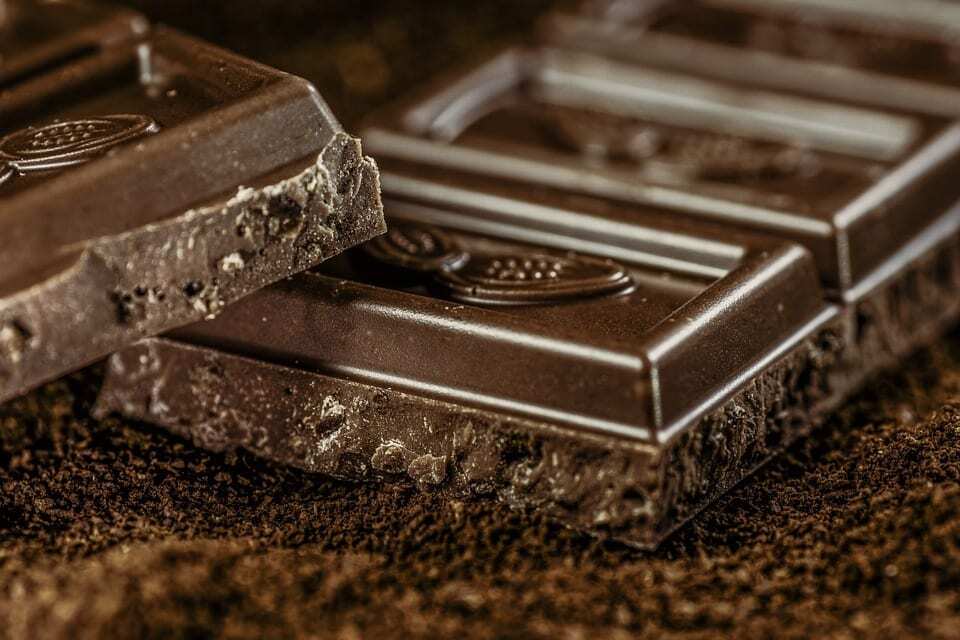
Of course, chocolate cravings can be emotional. However, from a nutritional perspective, chocolate cravings also make sense.
Chocolate contains magnesium, a mineral that helps with relaxation and cognitive function. It also contains tryptophan, which helps the body produce serotonin, known as the “happy chemical.”
And what about craving chocolate when you’re PMS-ing?
Well, chocolate cravings during PMS may be because female bodies crave more magnesium when they are menstruating.
This is because during our period, women lose a lot of magnesium through blood loss. Since chocolate is a good source of magnesium, it makes sense that women would want to eat more of it when PMS-ing.
So, if you’re craving chocolate, it could be your body’s way of telling you that you need more magnesium. You can get magnesium from other foods like dark leafy greens, nuts, and seeds. But sometimes, nothing hits the spot like a big piece of chocolate!
Sugar Craving Meaning
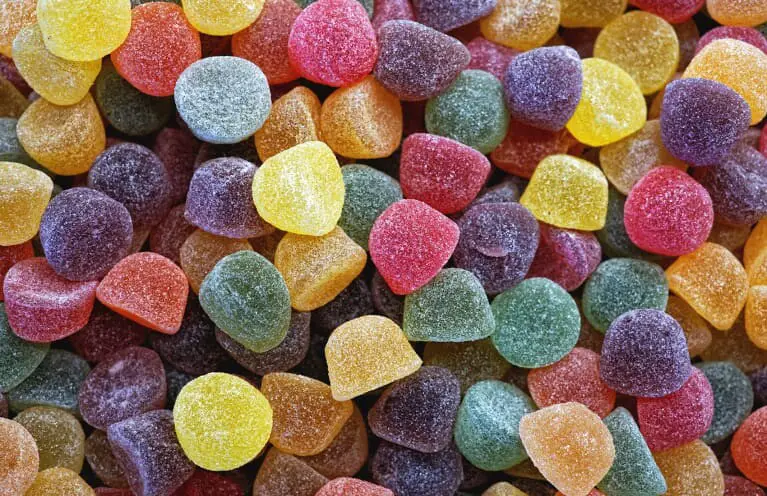
If you’re craving sugary sweets, from a nutritional perspective, your body needs more fuel.
You may lack energy due to not eating enough calories or need more nutrients like carbohydrates or simple sugars. Your body is telling you that it needs more fundamental building blocks for energy.
There could be an emotional reason for your sugar craving as well. Maybe you’re feeling stressed, anxious, or even depressed and are using food as a way to cope. Or, perhaps you’re bored and are looking for something to do. Sugar can give you a quick burst of energy and pleasure, but it’s not a long-term solution to any problem.
We’ll discuss emotional eating more below, but if you find yourself constantly craving sugary foods, it’s important to examine your overall diet and lifestyle.
Are you eating enough nutrient-rich foods? When you eat, do you feel satisfied afterwards?
Salty Foods Craving Meaning
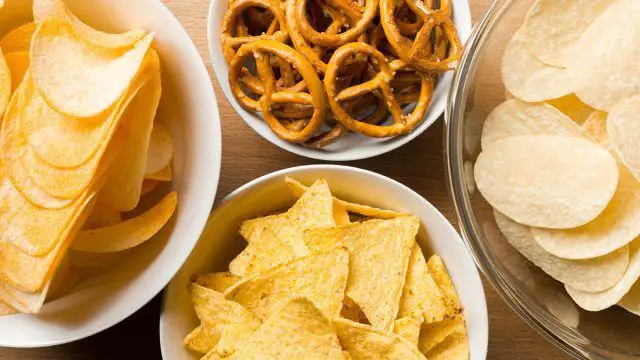
If you are craving salty foods, most likely you are lacking sodium!
At the eating disorder center where I work, clients oftentimes are given salt tablets to add sea salt to meals.
The clients simply aren’t getting enough salt in their diet!
In addition to sodium deficiency, it’s also possible that your body is lacking chloride.
If chloride is deficient, you can try getting more fish, tomatoes, lettuce, or olives.
Of course, your body is likely also needing more fuel! Salty foods like chips, fries, and the like contain lots of calories.
So if you’re hungry and low on sodium and chloride it would make a lot of sense to start craving salty foods.
Oily Foods Craving Meaning
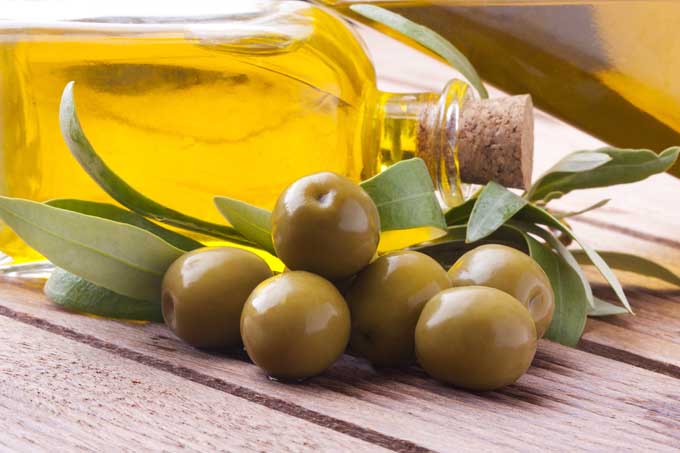
If you are craving oily foods, it could be because you’re lacking the nutrient of calcium.
Try eating spinach, milk, broccoli, figs, or plums to get more calcium.
Of course, let’s not forget that if you’re hungry, oily foods contain lots of healthy fats that keep you full and satisfied.
Plus, if your diet is low in healthy fats, you’ll start to crave fats.
If you’re low in fats and calcium and hungry, then it makes perfect sense why you crave oily foods containing fats.
Coffee Food Craving Meaning

If you are craving coffee, the most likely nutrient deficiency is phosphorus.
Of course, you may be sleepy or addicted to caffeine – but we’re just talking about nutritional deficiencies right now!
If you’re missing phosphorus, eat more vegetables and nuts.
Several other nutrients could also be lacking, which could explain your coffee food cravings.
- Sulfur (try cranberries, broccoli)
- Salt (try salt, seaweed)
- Iron (try nuts, figs, spinach, plums, figs, broccoli, kale)
Soda Cravings Meaning

We all know that feeling. You’re thirsty, staring at the soda machine for hours, and your mouth is watering just thinking about that sweet, carbonated goodness.
But why do we crave soda so much? What is it about this seemingly innocuous beverage that has us coming back for more, even when we know it’s not good for us?
Admittedly, your craving for soda is probably an emotional eating issue instead of a nutritional deficiency.
There are many emotional reasons people crave soda:
There are a few reasons why soda cravings are so hard to resist. For one, soda is loaded with sugar, and our brains love sugar. Sugar lights up our brain’s reward center, giving us that little hit of pleasure we crave.
What’s more, when we drink soda, we get a double whammy of sugar and caffeine, which can be even more addictive.
But it’s not just the physical properties of soda that make us crave it. There are also emotional reasons why we turn to soda when we’re feeling down or stressed out.
For many of us, soda is a comfort food. It reminds us of childhood or a simpler time when we didn’t have to worry about calories or sugar intake. Drinking soda can also be a way of self-soothing when we’re feeling anxious or overwhelmed.
So, if you find yourself craving soda, step back and figure out what’s happening. Are you thirsty? Bored? Stressed? Once you know the root cause of your craving, you can find a healthier way to cope.
However from a nutritional perspective, soda can suck calcium from your bones. If you lack calcium, try getting more milk, plums, kale, figs or broccoli.
Bread Cravings Meaning
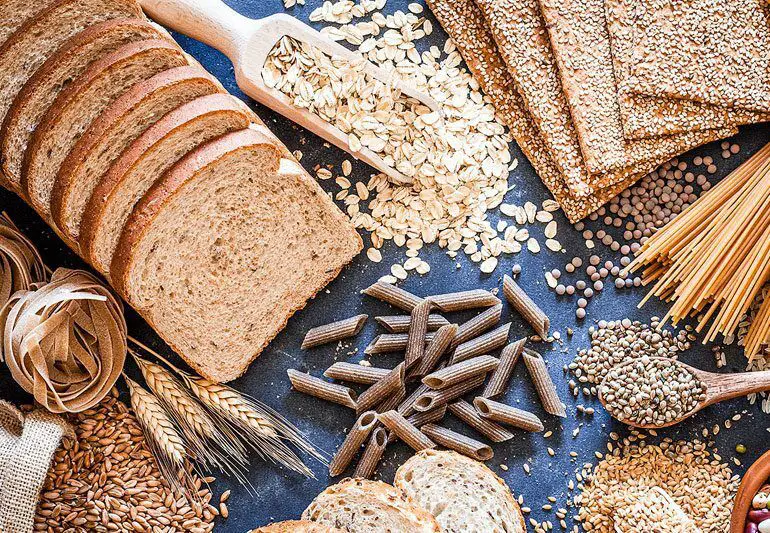
Similar to soda, if you’re craving bread or similar items like croissants, muffins, etc …
Then you’re most likely in an emotional eating situation, more so than a nutrient deficiency.
However, your food craving for bread may be caused by insufficient nitrogen.
To get more nitrogen try getting more nuts, seeds, or dark leafy greens.
There are many emotional reasons people crave bread.
Like the emotional reasons people crave chocolate or sugary treats, if you’re bored, stressed, or tired, you may start to crave bread for:
- Boredom – When we’re bored, we often turn to food for entertainment. We may not even be hungry, but eating something can help pass the time.
- Stress – Like boredom, stress is another common trigger for emotional eating. When we’re stressed, our bodies produce the hormone cortisol. This hormone can increase our appetite, and make us crave foods that are high in fat and sugar.
- Tiredness – Tiredness can also lead to emotional eating. When tired, we may not have the energy to cook or prepare a healthy meal. We may also be more likely to make poor food choices when we’re exhausted.
These are just a few of the emotional reasons people may crave bread. If you find yourself reaching for a slice of toast or a bagel more often than usual, try to take a moment to identify what might be driving your craving.
Once you know what’s behind your craving, you can work on finding other ways to cope.
Pre-Menstrual Cravings Meaning
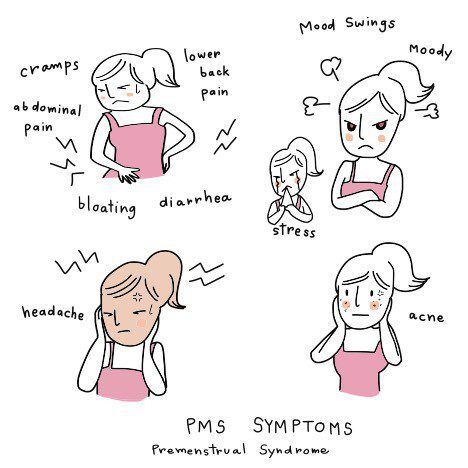
Zinc is a vital component of blood, so if you’re getting cravings right before your period, then insufficient zinc may be responsible.
Next time, try eating more leafy vegetables, such as broccoli, kale, or root vegetables.
However, not all cravings are created equal.
It could be a sign of an underlying issue if you constantly crave unhealthy foods despite eating a balanced diet.
This is especially true if you’re struggling with weight gain or other health issues.
Now that we’ve discussed nutritional deficiencies let’s talk about the emotional reasons behind food cravings.
(If you want more info about nutritional deficiencies, read this CDC report here.)
Do I have a nutrient deficiency or an emotional deficiency?
Step 1) If You have a craving, then use the food craving meanings chart and information above.
Example hypothesis: I am craving chocolate so that I may lack the nutrient magnesium.
Step 2) Try foods that may replenish your hypothesized missing nutrient. Note whether the nutrient helps or not.
For example, if you hypothesize you are missing magnesium, try fruits or nuts and see if your craving disappears.
You are good to go if the craving disappears after you fulfill the nutrient requirement!
But what if the craving is still there?
Let’s say you’re craving chocolate, so you eat some nuts that contain magnesium (see food cravings, meaning chart above!).
Then, you even eat a chocolate bar to ensure you’re getting magnesium.
But you will still think about chocolate soon after you finish the chocolate bar! What then?
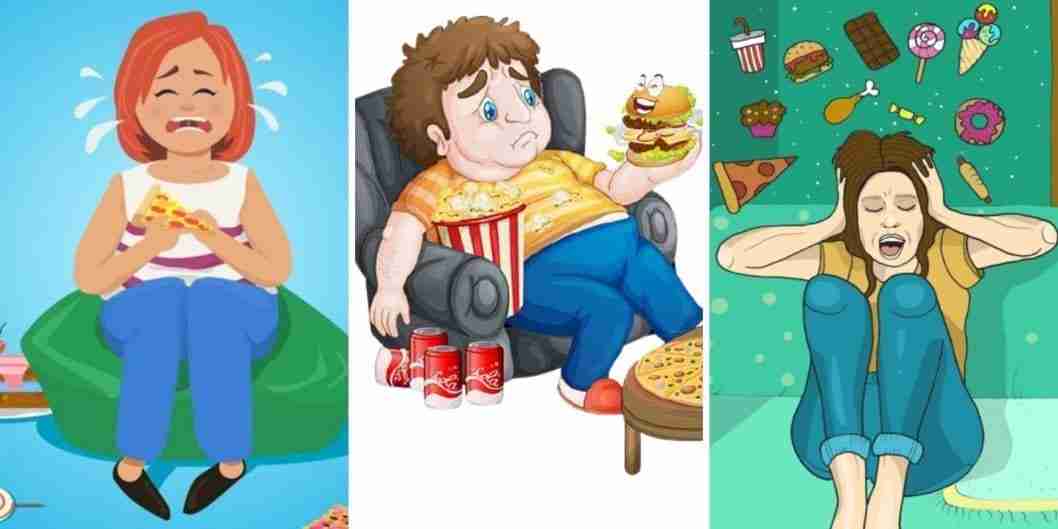
When you still have cravings even after getting the nutrients, you have a case of emotional eating.
How to tell the difference between nutritional deficiency and emotional eating
Emotional hunger is easily confused with nutrient deficiency because both make you crave specific foods!
However, there are differences between the signs of nutrient deficiency versus the food cravings of actual emotional eating.

1 – Gradual Hunger Versus Sudden Hunger
For starters, you can notice if your hunger comes on suddenly or gradually.
If you lack a nutrient, you may be hungry for food, but your hunger will not be sudden.
But if you are emotionally hungry, you will only want a particular food, which you will want right now!
When you lack a nutrient, hunger or the urge to eat will come on gradually. Emotional hunger, on the other hand, is sudden and irritating!
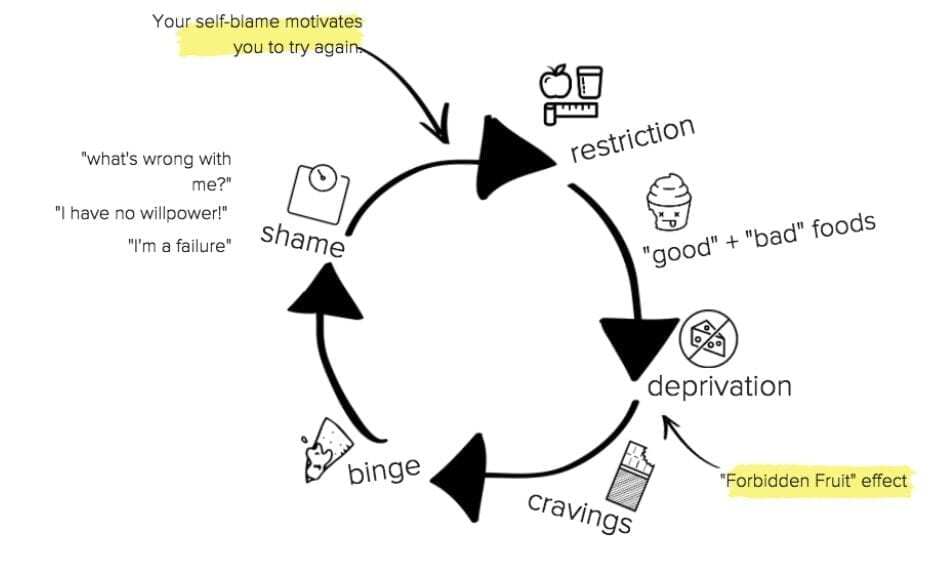
2 – Do you feel guilty after eating?
This is the classic sign of emotional eating.
It’s simple. Do you feel guilty after you eat?
While it’s possible guilt and genuine hunger get mixed up, in general, if you feel guilty after eating, you know you ate for emotional reasons instead of physical ones.
3 – Specific Food Cravings Versus General Food Cravings
The most significant indicator of emotional eating is that you ONLY want one particular food, such as:
- A specific fast-food restaurant dish
- One particular type of flavor
One client I met recognized his specific cravings for Philly Cheesesteaks, which were emotional because that’s all he wanted, and he felt nothing else could satisfy him!
Likewise, you might be unable to stop thinking about a particular food.
Even if you ate a hearty meal that made you feel comfortably full, you would still want to keep eating!
This happens many times. People try to eat healthy, but even after they eat healthy, they still desire something ‘unhealthy’!
This is the most significant sign of emotional eating. For more info on binge and emotional eating, read my 101 guide here.
Emotional Food Cravings Meaning
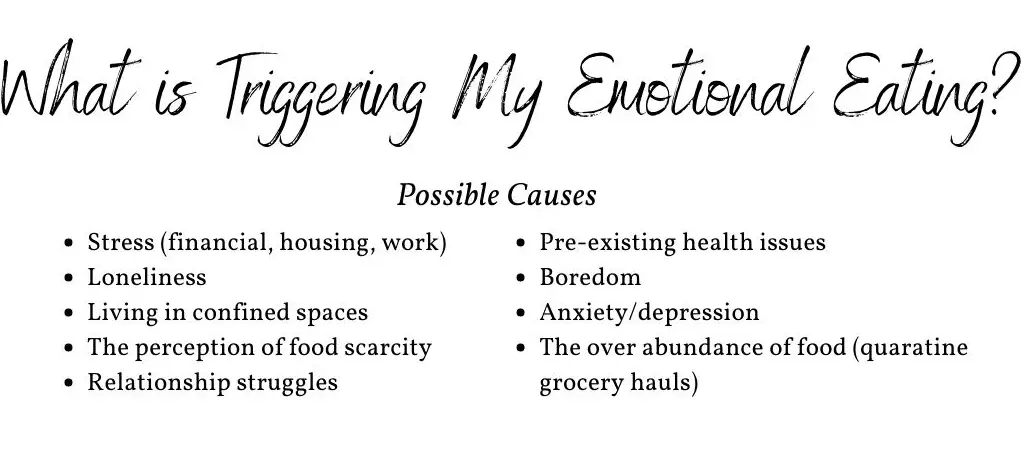
As you can see from this emotional food craving meaning chart, there are many reasons why people might eat emotionally.
Some people do it because they’re bored, others because they’re stressed or anxious. Some people turn to food for comfort when feeling lonely or sad.
There are many more reasons for emotional eating:
- Exhausted from a long day of work
- Hormonal changes
- Anxious or stressed
- Boredom or loneliness
- Angry or resentful
- Depressed or sad
- Reward yourself
- Recovering from an eating disorder
Whatever the reason, emotional eating can be a destructive habit. It can lead to weight gain and other health problems like high blood pressure and cholesterol.
If you find yourself emotionally eating, it’s essential to try to figure out what’s driving your behavior. Once you know what’s behind your cravings, you can start to address the problem and break the cycle.
If you’re not sure what’s causing your emotional eating, here are some questions to ask yourself:
- Do I turn to certain foods when I’m feeling stressed or down?
- Do I eat until I’m stuffed, even if I’m not enjoying the food?
- Am I eating when I’m not hungry?
- Do I eat more around other people, even when hungry?
If you answered yes to these questions, emotional eating may be problematic.
But don’t despair – there are ways to overcome it.
With a little effort, you can break the cycle of emotional eating and start living a healthier, happier life.
Food Craving Meanings – Conclusion

So, what’s the deal with food cravings? There are two main reasons behind them. The first and most common are your usual food cravings.
When deficient in certain minerals and nutrients, you’re expected to crave foods that provide those nutrients. For example, you might start craving oysters or other zinc-rich foods if you don’t get enough zinc in your diet.
However, the second common reason people crave food is for emotional reasons. Emotional eating can be triggered by stress, boredom, anger, sadness, or any other emotion.
If you’re not sure why you’re constantly reaching for snacks, try taking a step back and evaluating what’s going on emotionally that might be causing you to eat more than usual.
Ok, what other questions or comments do you have?
In the comments below, let us know your thoughts about our Food Craving Meanings Chart.