


Have you ever reached for a glass of unsweetened tea and paused to wonder why? Cravings often seem random but can hold meaningful clues about your physical and emotional well-being. They are worth exploring whether they relate to hydration, habits, or something more profound.
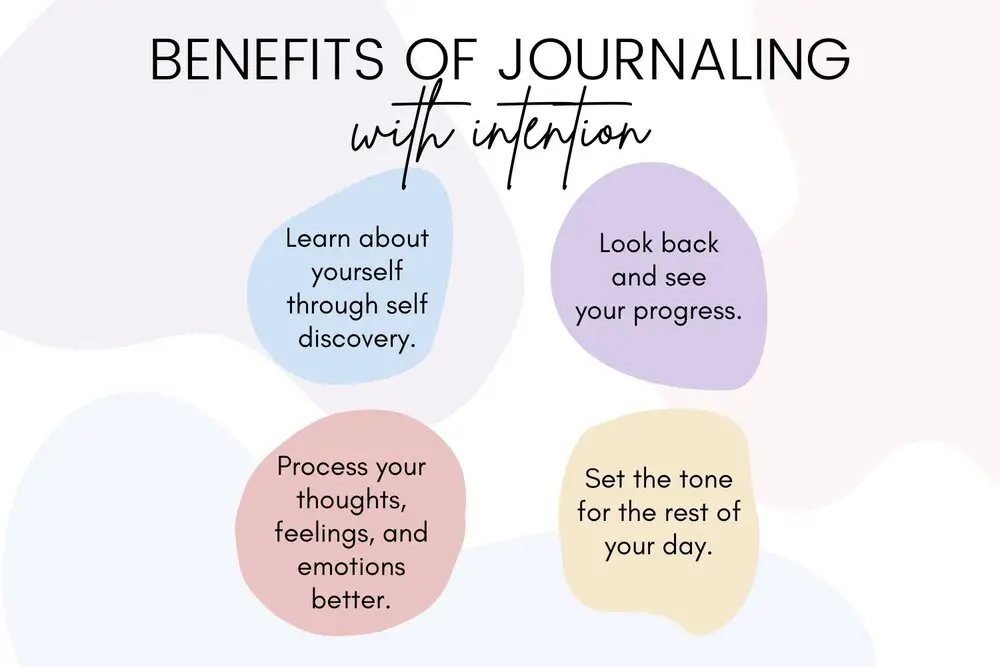
Through the approach embraced by Eating Enlightenment, cravings become opportunities for self-discovery. Journaling is one of the best tools for this.
By journaling about your food and mood, you can uncover what your body and mind are trying to tell you, one sip at a time.
Let’s explore six reasons you might be craving unsweetened tea and how to use these insights to grow.
6 Reasons You Might Be Craving Unsweet Tea

Reason #1. Hydration Needs
Sometimes, the simplest explanation is the most accurate. Your craving for unsweet tea might stem from your body’s hydration needs. Tea is primarily water, making it an excellent choice to quench thirst.
How to Explore This in Your Journal:
- Write down how much water and other beverages you consume during the day.
- Reflect on whether you’ve felt thirsty or lightheaded recently.
- Consider this prompt: “Am I craving tea because I need hydration, or is there another reason I turn to it instead of plain water?”
Reason #2. Nutritional Benefits

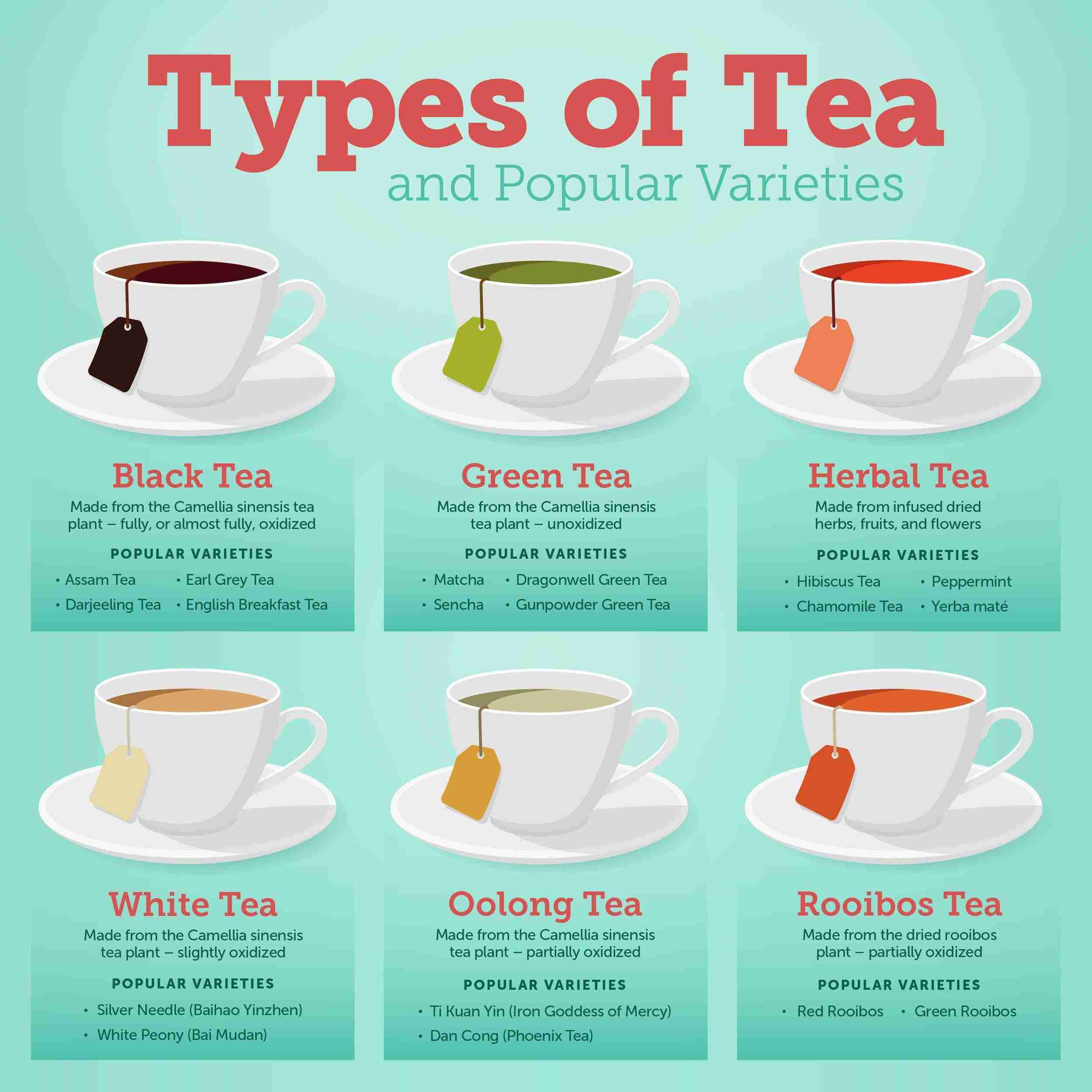
Tea, especially green or black tea, contains antioxidants that promote health and protect your cells. If your body craves these nutrients, it might know what it’s doing.
How to Explore This in Your Journal:
- Track the types of food and drink you’re consuming. Are you getting enough vitamins and antioxidants from other sources?
- Use this prompt to dig deeper: “Is my body craving the specific benefits of tea, or am I drawn to its calming or energizing qualities?”
Reason #3. A Gentle Boost of Caffeine

Unsweet tea delivers enough caffeine for an energy lift without the jitters or sugar crash. If you’re craving tea mid-afternoon, your body might ask for this gentle pick-me-up.
How to Explore This in Your Journal:
- Track when you tend to reach for tea. Is it during slumps in your energy levels?
- Journal your physical state daily with this question: “Am I relying on tea for energy because I’m not sleeping well or skipping meals?”
Reason #4. Cultural or Habitual Influences
Maybe you grew up in a household where unsweetened tea was the drink of choice at family dinners. Or perhaps it’s the go-to beverage in your region or social circles. Cravings can also stem from your associations with routines and comforting cultural practices.
How to Explore This in Your Journal:
- Reflect on your earliest memories of tea. Was it linked to comfort, family time, or specific routines?
- Consider this prompt: “When and where did this craving for unsweet tea start? How do I feel when I drink it?”
Reason #5. Preference for Subtle Flavors

You might prefer natural, understated flavors. Perhaps overly sugary drinks have never appealed to you, and unsweet tea offers a soothing, clean option.
How to Explore This in Your Journal:
- Keep track of other foods or drinks you gravitate toward. Are they typically less sweet or more natural?
- Use this journal prompt to unpack your preferences further: “What does the flavor of unsweet tea satisfy me emotionally or physically?”
Reason #6. Psychological Associations
For some, unsweet tea might symbolize calm, clarity, or mental space. Maybe you enjoy it as part of a daily ritual that helps you unwind, or perhaps it reminds you of joyous moments.
How to Explore This in Your Journal:
- Write about how you feel mentally and emotionally when sipping tea. Does it ground you or give you a sense of control over your day?
- Try this prompt: “What emotions or memories arise when I drink unsweet tea? Do these feelings point to deeper needs?”
6 Fun Facts About Cravings and Unsweet Tea
- Your Thirst is Calling – Sometimes, cravings aren’t for food. That urge for unsweet tea? It might just be your body’s saying, “Hydrate me!”
- Brain Loves Antioxidants – Craving tea could mean your brain is nudging you towards a dose of antioxidants, nature’s little cell protectors hiding in every sip.
- Caffeine, but Make it Gentle—Unsweet tea provides just enough caffeine for a pick-me-up without overloading your system. Your body may love that balance!
- Tastebuds Go Natural – Unsweet tea’s subtle flavors can retrain your taste buds to crave less sugar. Hello, healthier cravings!
- Memory in a Mug—That unsweet tea craving might be nostalgia in disguise, harkening back to comforting cultural rituals or warm memories at the table.
- Mood in a Glass—Tea is a calming powerhouse. If stressed, your mind might seek a liquid zen moment with unsweetened tea.
Cravings and Binge Eating Disorder

While craving for unsweet tea is often harmless, cravings for specific foods or drinks can sometimes signal underlying concerns like binge eating disorder (BED).
With BED, cravings often arise as part of the binge-diet cycle. This cycle includes restrictive eating, intense cravings, binge episodes, and feelings of guilt, creating a pattern that’s hard to break.
Understanding your cravings can be a vital first step. For example, if you often crave tea to avoid eating or to cope with stress, this might be worth exploring further.
How Eating Enlightenment Handles Cravings
The Eating Enlightenment approach transforms cravings into opportunities for holistic understanding and healing. Here’s how we’d help you work through cravings for unsweet tea (or anything else):
Step 1: Nutritional Journaling
Start by logging your food and drink intake and paying attention to your body’s signals. What nutrients are you getting? When and why do your cravings occur? This step helps ensure you’re meeting your basic nutritional needs.
Sample Journaling Prompt:
- “What does my body feel like before, during, and after drinking tea? What sensations am I noticing?”
Step 2: Mindfulness of Triggers
Once your diet is stable, use journaling to explore the emotional and psychological triggers for your cravings. Are you stressed, tired, or seeking comfort? By identifying patterns, you can build embodied awareness of your cravings.
Sample Journaling Prompt:
- “If this craving isn’t just physical, what might I feel emotionally or psychologically right now?”
Step 3: Healing Inner Parts
Finally, you can use your journal to connect with internal “parts” of yourself, like the inner child seeking comfort or the perfectionist demanding control. This step dives deep, addressing traumas or unresolved experiences causing these cravings.
Sample Journaling Prompt:
- “What is the craving telling me about myself? Is there a part of me that needs attention or healing?”
Conclusion:

Like any craving, unsweet tea is an invitation to look inward. Maybe your body needs hydration or antioxidants, or you seek emotional comfort or energy without the crash.
By journaling and staying curious, you can discover these answers and use your cravings as a doorway to deeper self-understanding.
If you’d like to explore your cravings further, take a step today. Start a food and mood journal, try the Eating Enlightenment app, or reach out for support. Cravings aren’t challenges to overcome; they’re messages waiting for you to listen.