

Have you been daydreaming about the sweet burst of juicy red grapes lately? If so, you’re not alone! Food cravings can sneak up on us most unexpectedly, leaving us wondering why we suddenly feel pulled toward one specific food. While they might seem random, cravings often carry deeper meanings, offering clues about what your body or mind might need.
Red grapes, with their refreshing sweetness and vibrant color, are no exception. Craving them could hint at anything from a nutritional gap in your diet to emotional and seasonal triggers. Food cravings aren’t just about hunger; they’re your body’s way of sending signals, a language worth learning to understand.
At Eating Enlightenment, we believe that cravings are windows into a conversation with yourself. Journaling can be a powerful tool to explore the “why” behind what you’re experiencing. When you pause to uncover your cravings’ emotional, nutritional, or even psychological layers, you create space for mindful choices and deeper self-care.
Journaling Prompt: “When did you last feel a strong craving for a specific food? What was happening in your life at that moment?”
Stick around as we explore six reasons red grapes are calling your name. You might uncover something surprising about yourself along the way!
The 6 Reasons You May Be Craving Red Grapes
A. Nutritional Deficiency
Craving red grapes might point to a nutritional gap your body is trying to fill. These vibrant little fruits are packed with essential nutrients like vitamin C, which aids immune function, and [potassium], which helps regulate blood pressure. Red grapes are also rich in resveratrol, a powerful antioxidant that supports heart health and reduces inflammation.
When your body lacks these key nutrients, it might nudge you toward red grapes as a natural remedy. This is particularly true if you’ve been following a restrictive diet or skipping meals, which can leave you nutritionally depleted without realizing it. Journaling your meals for a few days may reveal patterns that affect your nutrition. For example, are you eating a variety of fruits and vegetables?
Journaling Prompt: “Have I been eating a balanced diet lately? Could my body be asking for more nutrients in specific areas?”
B. Hydration Needs

Red grapes are about 80% water, making them a hydrating choice when thirsty. If you’ve been experiencing signs of dehydration like fatigue, dry skin, headaches, or mild dizziness, your craving may be your body’s quiet call for more fluids. Many of us rush through our busy days, forgetting to drink enough water until we feel sluggish or foggy.
While red grapes are undoubtedly hydrating, you should consistently nourish your body with water-rich foods and beverages, such as cucumber, watermelon, or herbal teas. Creating a hydration habit, like keeping a water bottle nearby, can also work wonders.
Journaling Prompt: “Am I drinking enough water throughout the day? How do I feel physically after eating hydrating foods?”
C. Sugar Cravings and Energy Lows
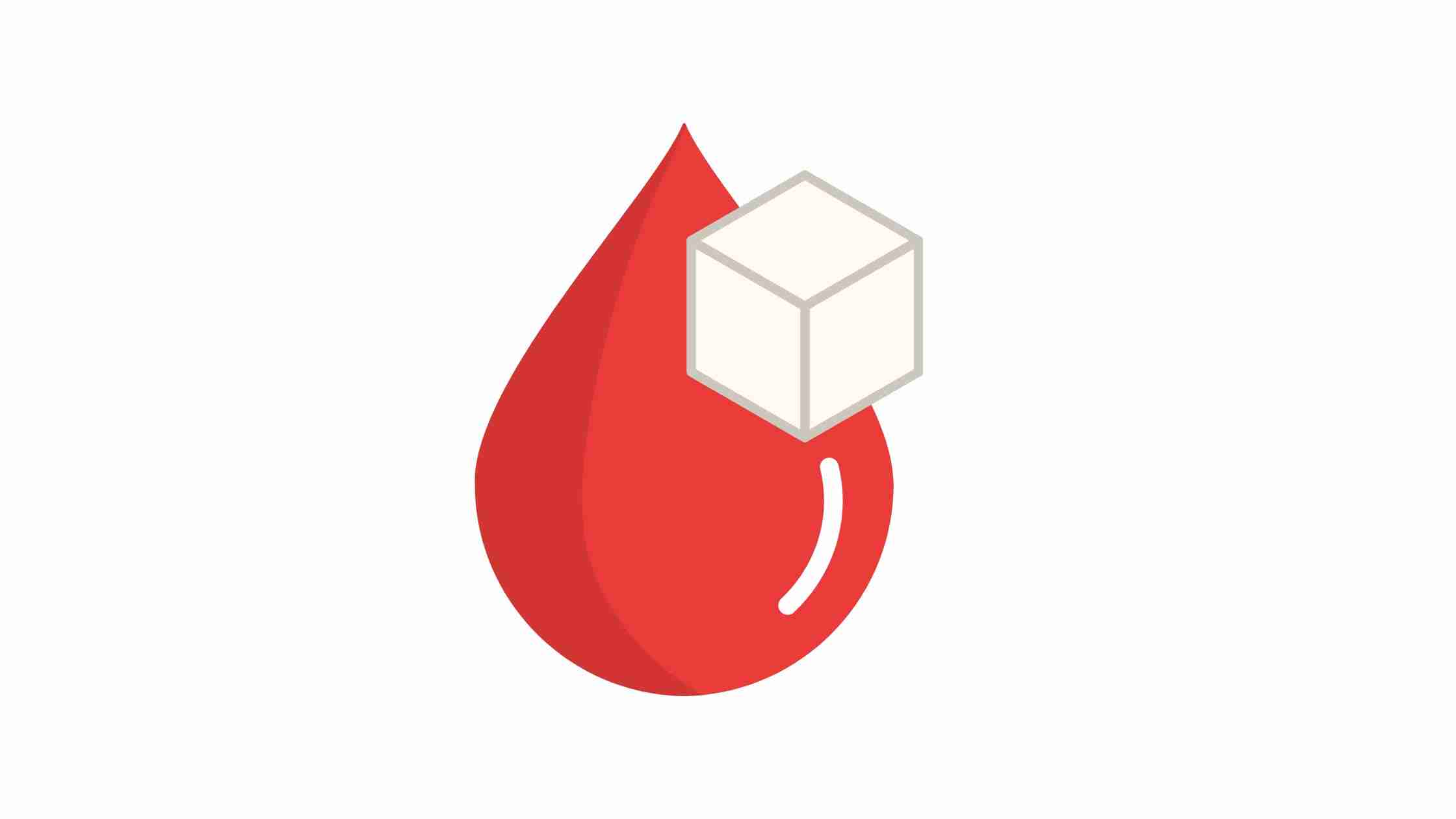
Do your red grape cravings creep in mid-afternoon when your energy feels bottoming out? Sweet foods like red grapes provide natural sugars that give your body a quick energy boost. When blood sugar dips from missed meals or long intervals without snacks, cravings for something sugary are your body’s way of restoring balance.
Unlike processed sweets, red grapes offer a wholesome solution by pairing natural sugars with fiber, which helps prevent sharp sugar spikes and dips. However, habitual sugar cravings could signal a deeper pattern, such as the binge-diet cycle.
If you’ve been restricting certain foods or consuming too few calories, your body might overcompensate with intense cravings later on. Practicing mindfulness with your eating can bring more awareness to these patterns.
Journaling Prompt: “What does my energy typically feel like mid-afternoon? How do I usually respond to low-energy moments?”
D. Seasonal Availability and Freshness
Perhaps your cravings are tied to the seasons. Red grapes hit their peak flavor during warmer months, and our bodies often respond instinctively to the freshness of in-season fruits. There’s something deeply satisfying about enjoying ripe foods; at their best, they carry a vibrancy that’s hard to resist.
Your love for red grapes might be connected to nostalgia, like snacking on cold grapes during summer afternoons as a child. Seasonal eating often taps into our emotions and sensory pleasures in unexpected ways. Try to notice if other in-season fruits spark similar cravings for you.
Journaling Prompt: “Do I notice stronger cravings for certain foods during specific times of the year? What memories do I associate with red grapes?”
E. Emotional or Psychological Connections
Sometimes, cravings like these serve as an emotional balm. Is there something comforting about red grapes that reminds you of more straightforward, happier moments? Food carries emotional weight, and red grapes may be a source of joy, warmth, or even stress relief, especially during challenging times.
Reflection is key to separating an emotional craving from a physical one. If you reach for grapes during moments of worry or restlessness, ask yourself what feelings and needs are bubbling beneath the surface. Journaling is invaluable for identifying the emotional stories behind your cravings and nurturing yourself in deeper ways.
Journaling Prompt: “What feelings or memories come up when I think about eating red grapes? Is this craving tied to comfort or stress relief?”
F. Health Signals from Your Gut Microbiome
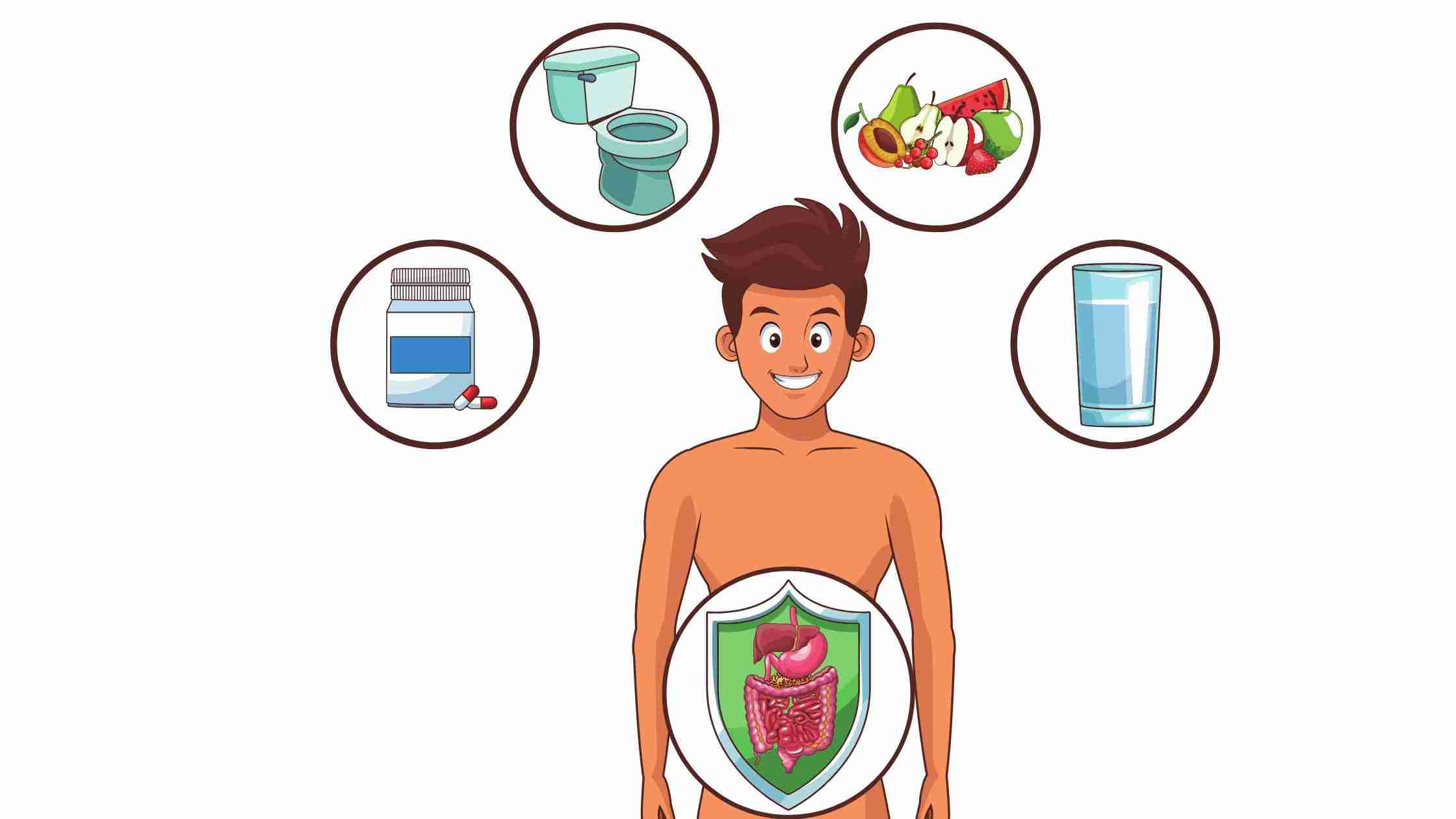
Your gut and brain are constantly communicating, and this interplay could shape your craving for red grapes. Rich in fiber, red grapes nourish the healthy bacteria in your gut microbiome, which plays a major role in overall well-being. A well-fed microbiome can influence everything from digestion to mood regulation.
Pay attention to how your body feels after eating fiber-rich foods like grapes. Do you notice improved digestion or a lifted mood? Mindfulness during meals can help strengthen this connection, while journaling can track how specific foods impact your gut and emotions.
Journaling Prompt: “How do I feel in my body after eating red grapes or similar high-fiber foods? What patterns emerge when I reflect on my gut health?”
How to Satisfy Red Grape Cravings Healthily
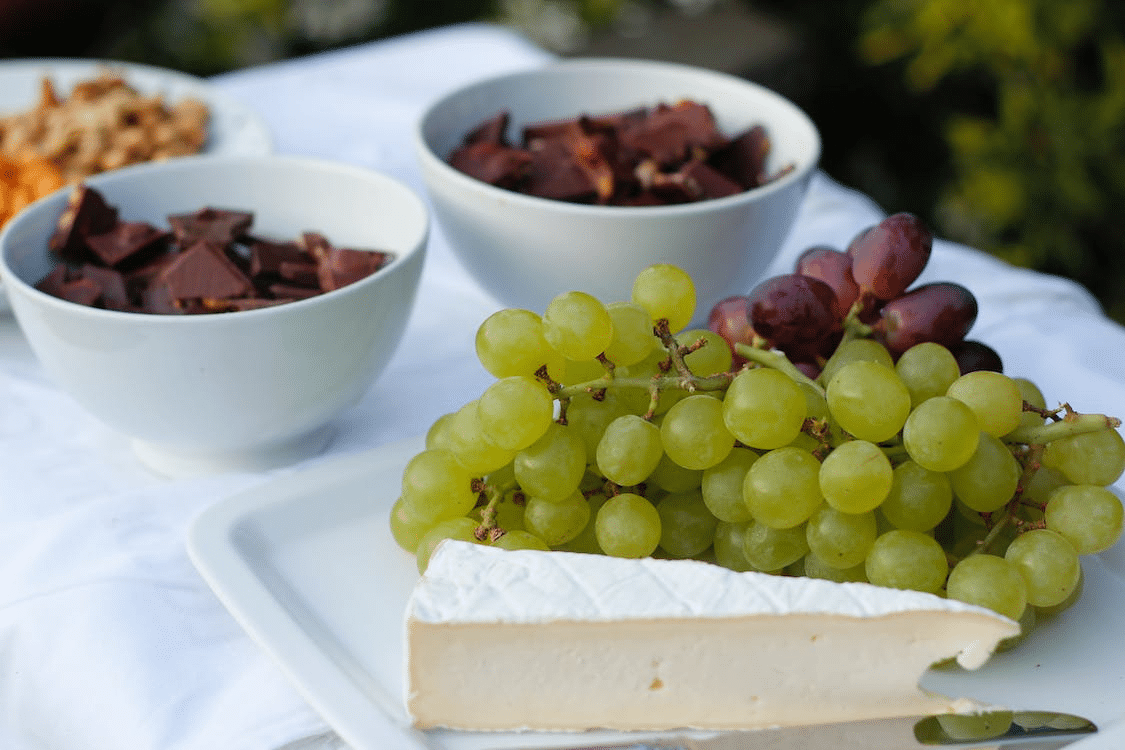
Craving red grapes? They’re a wonderfully versatile and wholesome snack that can easily be incorporated into a balanced diet. Pair red grapes with protein-rich options like almonds, Greek yogurt, or small cheese cubes for a satisfying snack while keeping you feeling full longer. These combinations slow digestion and add variety, making your snack delicious and nutritionally balanced.
Mindful eating plays an essential role as well. Pay attention to your hunger and satiety cues, savoring each grape rather than eating on autopilot, and feel creative. Toss grapes into salads with walnuts and arugula, or freeze them for a refreshing treat. These small additions keep enjoyment high while honoring your health.
Journaling Prompt: “How can I prepare this food to balance my physical and emotional needs while honoring my craving?”
Cravings, Binge Eating Disorder, and the Binge-Diet Cycle
While occasional cravings are natural, persistent or extreme cravings could hint at emotional patterns like the binge-diet cycle. This cycle often begins with restrictive eating or a “diet starts tomorrow” mindset, leading to heightened cravings. Over time, this restriction can trigger overeating, followed by guilt and shame, perpetuating the cycle.
Cravings act as signals from your body or emotions, not as “bad habits.” Instead of resisting, ask what they might mean. For example, do red grape cravings signal a need for sweetness after a stressful day? By approaching these moments with curiosity and compassion, you can break the cycle and gain deeper insight into your emotional and physical needs.
Eating Enlightenment’s 3-Step Process to Address Cravings
Step 1: Nutritional Journaling
Begin by making sure you’re meeting your physical needs. Skipped meals or imbalanced diets can set the stage for intense cravings. Journaling your meals helps you spot patterns, like long hours without eating or a lack of fiber, which might amplify sugar cravings.
Example Prompt: “What have I eaten today, and how do I feel afterward? Do I notice physical hunger or fullness?”
Step 2: Mindfulness of Triggers through Emotional and Food Journaling
Cravings often stem from emotions or environmental cues like stress or nostalgia. Pause and reflect on what’s driving your cravings before acting on them. Journaling can clarify whether the desire is physical or tied to an emotional or situational trigger.
Example Prompt: “Before eating, what thoughts and feelings are present? What might this craving be telling me emotionally or mentally?”
Step 3: Inner Dialogue Healing with Journaling
Cravings may reveal inner conflicts or unmet needs. Engage in a compassionate dialogue with yourself through journaling. For instance, is part of you seeking comfort while another part feels guilt about indulging? These insights facilitate healing and understanding of unresolved emotions.
Example Prompt: “If this craving could speak, what would it say? What is my inner self truly seeking in this moment of craving?”
This three-step approach allows you to address cravings holistically, nourishing your body and mind with intention and care.
Understanding Red Grape Cravings and Taking the Next Step
Craving red grapes can be more than a simple desire for something sweet. As we’ve explored, it could stem from nutritional needs like antioxidants or hydration, emotional connections that offer comfort, or even patterns influenced by your gut health. Every craving comes an opportunity to nourish your body and deepen your awareness of what your cravings may be signaling about your emotional and physical well-being.
We hope these six reasons why you might crave red grapes have sparked curiosity about your eating habits. By listening to your body and reflecting on what lies beneath these cravings, you empower yourself to make more mindful and fulfilling choices. Maybe it’s adding red grapes to a balanced snack with protein, or perhaps it’s taking the time to pause and journal how cravings connect to your emotions.
To turn these insights into action, we invite you to explore the Eating Enlightenment Journal App [Insert Download Link Here]. With our free journaling tools, you can track cravings, discover patterns in your eating habits, and develop self-compassion as you connect with your body’s unique needs. Looking for more guidance? Take our free one-minute quiz or schedule a complimentary chat session to start your path toward food freedom.
Understanding your cravings is the first step toward a healthier, more harmonious relationship with food. You’re addressing what you crave and why—which is where the fundamental transformation begins. Take the first step today, and watch how small moments of self-awareness can significantly change how you nourish and care for yourself.