

Have you ever paused mid-snack and wondered, “Why on earth am I craving celery?” Of all the foods to fixate on, celery might seem like the least glamorous choice. No rich chocolate or salty chips are here—just a crisp, green stalk. But behind every craving is a story, and this one has more layers than it seems. What if your body’s craving for celery is more than a random whim? What if your physical or emotional health sends you a gentle nudge?
Cravings, no matter how simple, are never meaningless. They’re like your body holding up an “out of order” sign, a clue that something might need attention. Understanding why you’re craving celery—not a typical comfort food—could give you deeper insights into your nutrition, hydration, and emotional well-being. It’s not only about the celery; it’s about learning to tune into what your body and mind are trying to tell you.
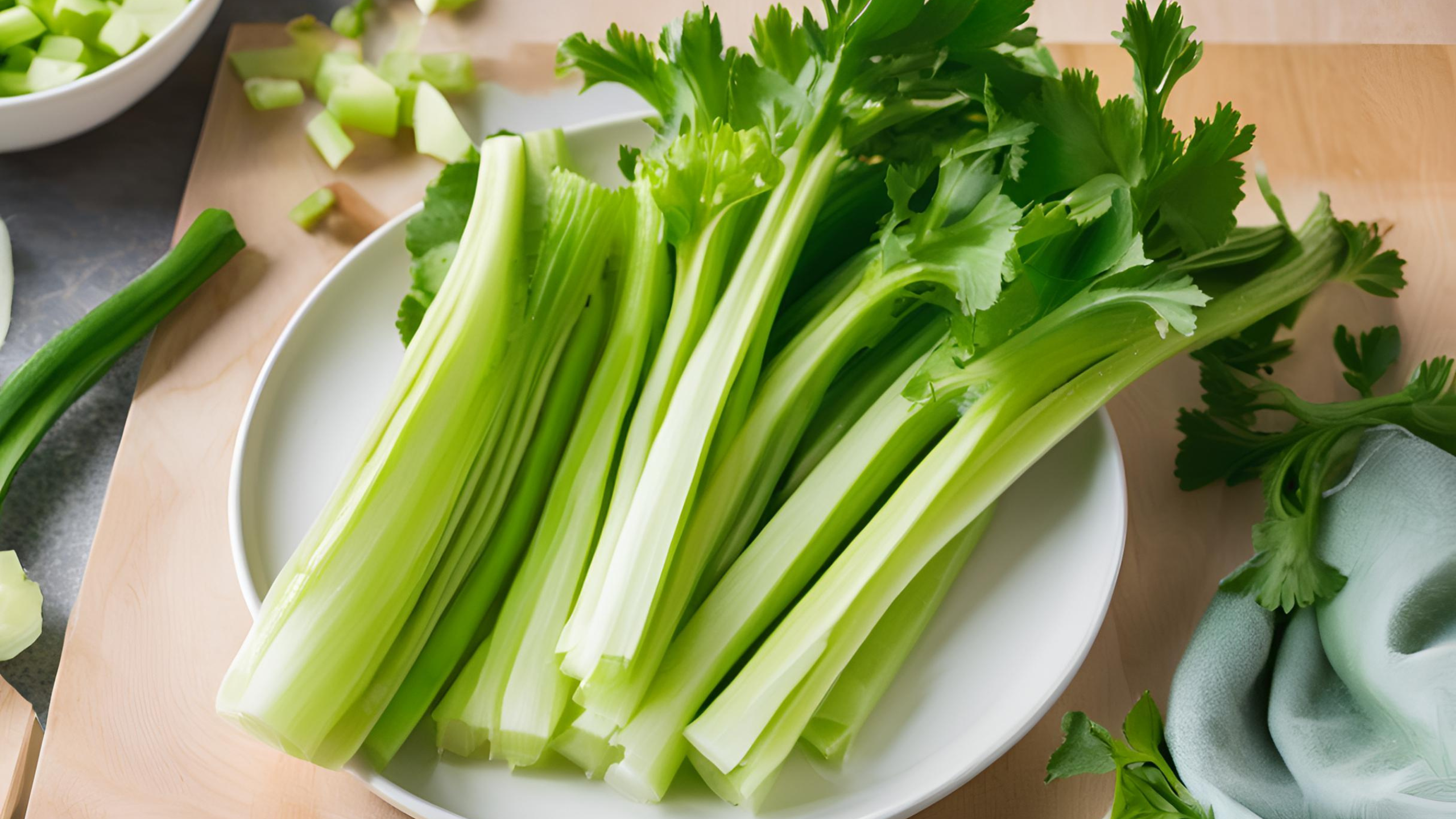
This post is here to help you decode those cravings! Together, we’ll explore seven surprising reasons why celery might be calling your name, from possible nutrient deficiencies to your psychological connections with this crunchy vegetable. You’ll learn the science behind your craving and gain tools to satisfy it in ways that align with your physical and emotional health.
Plus, you’ll discover how to use mindful journaling to track and understand your cravings more deeply. Stick with it—this exploration might lead to more balance and understanding in your food relationship than you expected!
7 Reasons You Might Be Craving Celery
#1. Sodium Deficiency

When you’re craving celery, your body might signal a need for sodium. Celery contains natural salts that can help replenish your body’s sodium levels, especially if you’ve been sweating more due to exercise or heat or if you’ve been avoiding added sodium. Sodium is crucial for keeping your muscles working, sustaining fluid balance, and supporting overall energy levels.
Start by reflecting. Have you recently cut out overly salty foods or drank more water than usual? Consider jotting these observations down in a journal to see patterns in your diet. Next, try adding small amounts of healthy, sodium-rich foods like sea salt or broth to your meals and notice how your body feels.
Journaling prompt: “What foods have I been eating (or avoiding) that might affect my sodium levels? How does my body feel after salty foods?”
#2. Hydration Needs
Did you know celery is about 95% water? When you crave celery, it could simply be your body’s way of reaching for hydration in its natural form. If you’ve been dehydrated—maybe skipping water after a workout or sipping too many caffeinated drinks—your body might draw your attention toward hydrating foods like celery.
Track your daily water intake for a few days. Are you drinking enough, or do you often forget? Pay attention to signs of dehydration, such as dry lips, a fuzzy mind, or tiredness. Adding celery stalks to your meals or snacks can be a hydrating and satisfying solution.
Journaling prompt: “How much water have I consumed recently? What other hydration-rich foods do I enjoy?”
#3. Nutrient Cravings (Antioxidants and Fiber)
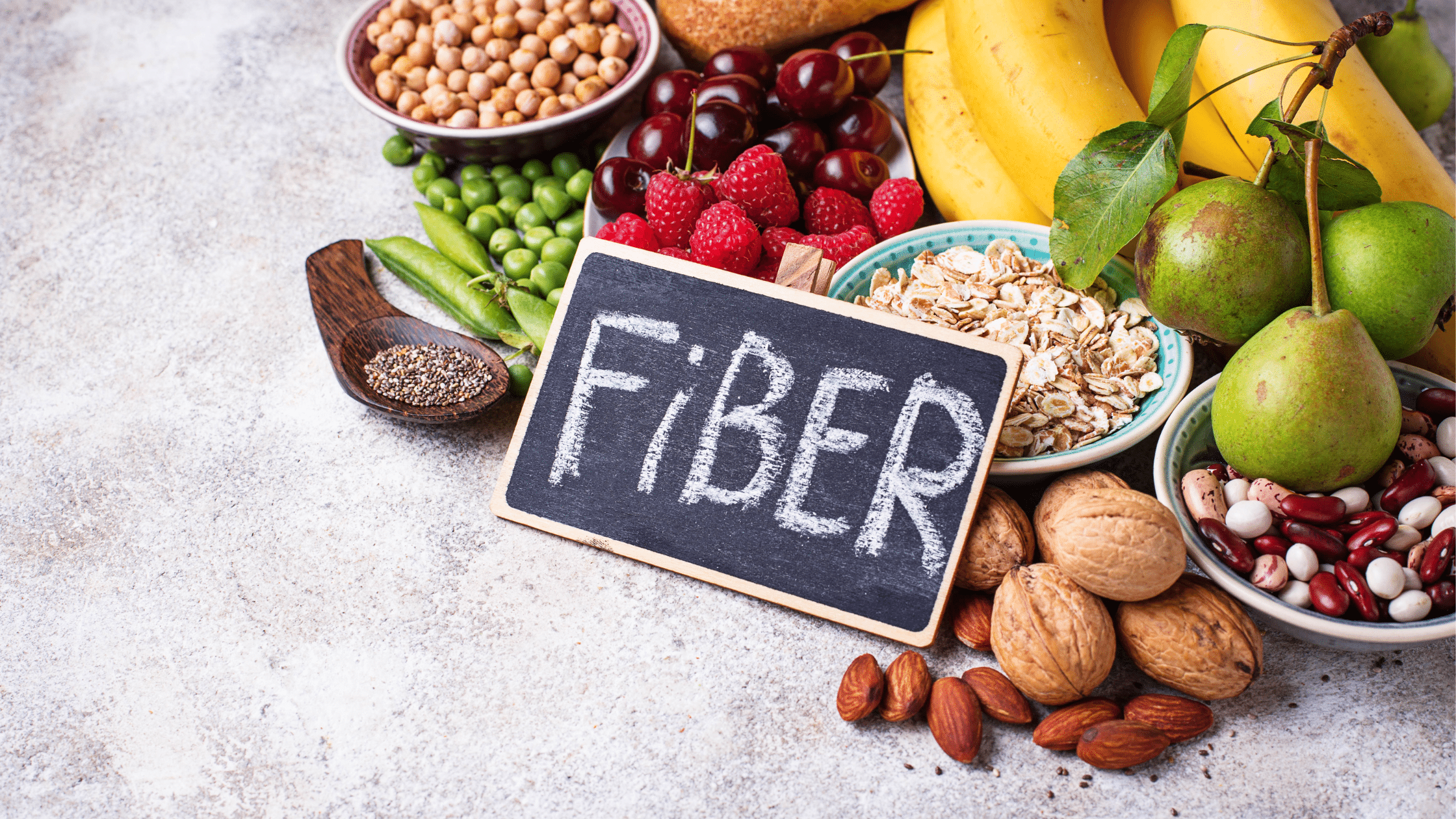
Your celery craving could be linked to a deep need for specific nutrients. Packed with fiber, vitamin K, potassium, and folate, celery offers your body tools to maintain good digestive health and protect against inflammation through antioxidants. If your diet has been missing these key nutrients, your body might be nudging you to balance things out.
Try keeping a food journal to identify any gaps in your diet. Incorporate more colorful veggies, leafy greens, or nuts to diversify your nutrient intake. Exploring foods beyond celery within the same nutritious family will keep your meals vibrant and exciting.
Journaling prompt: “What nutrient-rich foods have I eaten this week? How balanced is my diet?”
#4. Psychological Association or Comfort

Sometimes, a craving isn’t just about biology—it’s about memories. Celery might remind you of healthy habits you were proud of, like dipping it into peanut butter when you were on a health kick. Or maybe it brings you back to childhood afternoons when your grandma served it alongside a steaming bowl of soup. The emotional tie to celery can be surprisingly substantial.
Take some time to reflect. How does celery make you feel emotionally? Is there nostalgia in the crunch? Use mindfulness journaling to explore if eating celery connects to comfort, safety, or simple positive memories.
Journaling prompt: “When I think about celery, what memories or emotions come to mind?”
#5. Detox Desires
Thanks to social media, celery has earned a reputation as a miracle “cleansing” food. Whether justified or not, many of us reach for celery when feeling sluggish, bloated, or unbalanced. If you’ve been craving a reset, celery could symbolize your desire to feel clean and refreshed.
Ask yourself: Has your diet been heavy on indulgence lately? Are you stressed or feeling “off” physically? Note when cravings hit and whether they’re tied to recent choices. Then, rather than focusing solely on celery, aim to integrate more fresh, whole foods and prioritize stress management.
Journaling prompt: “Do I often crave celery when I feel unbalanced? What triggers my thoughts about detox or cleansing?”
#6. Low-Calorie Eating Habits
Celery’s reputation as a low-calorie, diet-friendly food might be at play here. If you’ve followed restrictive eating patterns or often reach for low-calorie snacks, you may crave celery out of habit. However, this could also indicate an imbalance in your nutrition—your body isn’t fully supported and nourished.
This is a chance to evaluate your relationship with food. Are you eating adequately or trying to control your hunger too rigidly? Journaling can help explore deeper motivations behind this craving and help you reconnect with your body’s actual needs.
Journaling prompt: “How do I feel when I crave low-calorie foods? Am I honoring my body’s hunger cues or avoiding certain foods due to fear?”
#7. Gut Health and Microbiome

Your body might be chasing celery for its prebiotic benefits. Its fibers can help feed the good bacteria in your gut, making it a natural choice if you’ve recently taken antibiotics, struggled with digestive discomfort, or had a poor diet. Gut health has a profound impact on both physical and mental well-being.
Keep note of your digestive health over the past weeks. Have you felt bloated after meals? Are you struggling with energy dips or irregularity? Pairing celery with other healthy sources of fiber, like oats or bananas, can help rebalance your gut microbiome.
Journaling prompt: “How has my digestion been lately? Are there any patterns between my cravings and tummy issues?”
Debunking Common Myths About Celery Cravings

Craving celery might sound simple, but food cravings often reveal more than meets the eye. Misunderstandings about why we crave specific foods like celery can obscure what our bodies are signaling. Here’s a concise guide to set the record straight about the most common myths about celery cravings.
1. Myth: Craving Celery Means You’re Dehydrated
The Truth: Celery’s high water content makes it hydrating, but dehydration usually triggers thirst or a craving for water, not celery. Your craving could instead relate to fiber or emotional associations.
2. Myth: Celery Cravings Mean Low Sodium Levels
The Truth: While celery contains natural sodium, its amounts are minimal compared to salty processed foods. Unless you’ve been sweating a lot or restricting salt, sodium deficiency is unlikely the main cause.
3. Myth: Celery Cravings Signify a Need for Detox
The Truth: Despite celery’s detox fame, your liver and kidneys handle detoxification without help. If you’re craving celery, it likely reflects a need for hydration, fiber, or potassium—not necessarily a “cleanse.”
4. Myth: Celery Cravings Always Signal Nutrient Deficiencies
The Truth: Celery contains nutrients like vitamin K and antioxidants but in modest amounts. Cravings for celery may stem from its crunchiness or connection to healthy eating traditions rather than a significant deficiency.
5. Myth: Craving Celery Means Inner Emotional Balance
The Truth: While celery is often linked with calmness or “clean” eating, cravings usually stem from stress, restrictive dieting, or nostalgia. Tracking these feelings in a journal may offer better insights.
6. Myth: People Crave Celery Solely for Its Low Calories
The Truth: Celery’s low-calorie nature plays a role, but its satisfying crunch and refreshing texture might drive the craving more than caloric concerns.
7. Myth: Celery Cravings Are Harmless and Can Be Ignored
The Truth: While celery cravings aren’t alarming, they still offer clues. They may signal a need for hydration, nutrients, or emotional imbalances. Journaling your cravings can help uncover patterns.
8. Myth: They’re Just a Habit, Not a Need
The Truth: While past diet habits might influence celery cravings, it’s worth exploring real psychological or physiological factors driving them, such as a craving for comfort or a crunchy texture.
Are Cravings a Sign of Something Bigger?

Craving celery might seem harmless—just a quirky desire for something crunchy. But like most cravings, it could carry more profound messages about your physical, emotional, or psychological health.
Cravings often signal unmet needs, from nutrient imbalances to emotional stress. Sometimes, though, they hint at a more significant issue, such as binge eating disorder (BED), where cravings feel overwhelming and challenging to control.
Understanding the Binge-Diet Cycle
The binge-diet cycle often starts with restrictive dieting, where food intake or specific foods are limited in pursuit of “control.” While this might seem harmless initially, the body reacts to deprivation by intensifying cravings.
These cravings often lead to binge episodes, a natural response to rebalance nutrient needs and energy. However, bingeing can bring guilt and shame, spurring another round of restriction and creating a frustrating loop.
Celery cravings could emerge as part of this cycle—either during the restriction, when celery serves as a low-calorie option, or afterward, when the body signals specific needs. Though celery isn’t commonly tied to bingeing, its association with dieting and “clean eating” can influence restrictive phases.
The Eating Enlightenment Approach
Breaking the binge-diet cycle starts with compassionate and mindful strategies:
- Nutritional Journaling
Step back and observe your eating patterns. Write down the times you eat, what you consume, and how you feel physically or emotionally. Does your celery craving align with stress, hunger, or dietary gaps? Journaling helps bring clarity. - Mindfulness of Triggers
Explore moments when you crave celery. Are you seeking hydration, comfort, or control? Journaling prompts like “What am I truly craving—physically or emotionally?” can uncover deeper motivations, such as links to dieting habits. - Inner Exploration and Healing
Sometimes, cravings reflect emotional needs or past wounds. Journaling can help uncover patterns tied to self-perception or childhood messages about food and build self-compassion for lasting change.
Tips to Address Celery Cravings and Build Balance
- Listen to Your Body: Treat cravings as meaningful signals to meet your needs.
- Journal Regularly: Use prompts to track patterns in emotions, habits, and food choices.
- Honor Nutritional Needs: If sodium, water, or fiber is missing, include these in balanced snacks.
- Practice Mindfulness: Pause before acting and ask, “What am I craving—physically or emotionally?”
- Seek Support: If cravings feel dominant or confusing, consider contacting a counselor or using tools like the Eating Enlightenment app.
Closing Thoughts
Cravings—even for something as seemingly simple as celery—often carry meaningful messages from your body and mind. They might point to a need for nutrients like sodium or fiber, signal hydration requirements, or even highlight food’s emotional role in your life. Exploring these cravings can lead to a deeper understanding of your unique needs and promote a more balanced, fulfilling relationship with food.
Remember, cravings are not flaws—invitations to listen, reflect, and grow. You can better support your body and mind by slowing down and tuning into these signals.
Are you curious to uncover more about what your cravings are trying to tell you? Download the free Eating Enlightenment Journal App today. With tools to track your cravings, reveal hidden patterns, and learn from your eating habits, you’ll gain the insights to move towards greater well-being—one small yet powerful step at a time. Start your journey to food freedom now!