


Peeling skin on the hands can be more than just a minor annoyance; it might be an essential indicator of underlying health issues such as sexually transmitted diseases (STDs). Recognizing these unusual skin changes early on is crucial for timely medical intervention and effective treatment.
Understanding the potential connection between skin symptoms and STDs empowers individuals to safeguard their health proactively.
The Eating Enlightenment Food Journal App is a valuable ally in the pursuit of overall well-being. The app supports a balanced lifestyle by helping manage cravings, emotional eating, and binges. It enhances one’s general health,
vital for preventing and addressing health concerns. Embrace this holistic approach to wellness by being attentive to the signals your body might be sending.
Possible Causes of Skin Peeling on Hands:
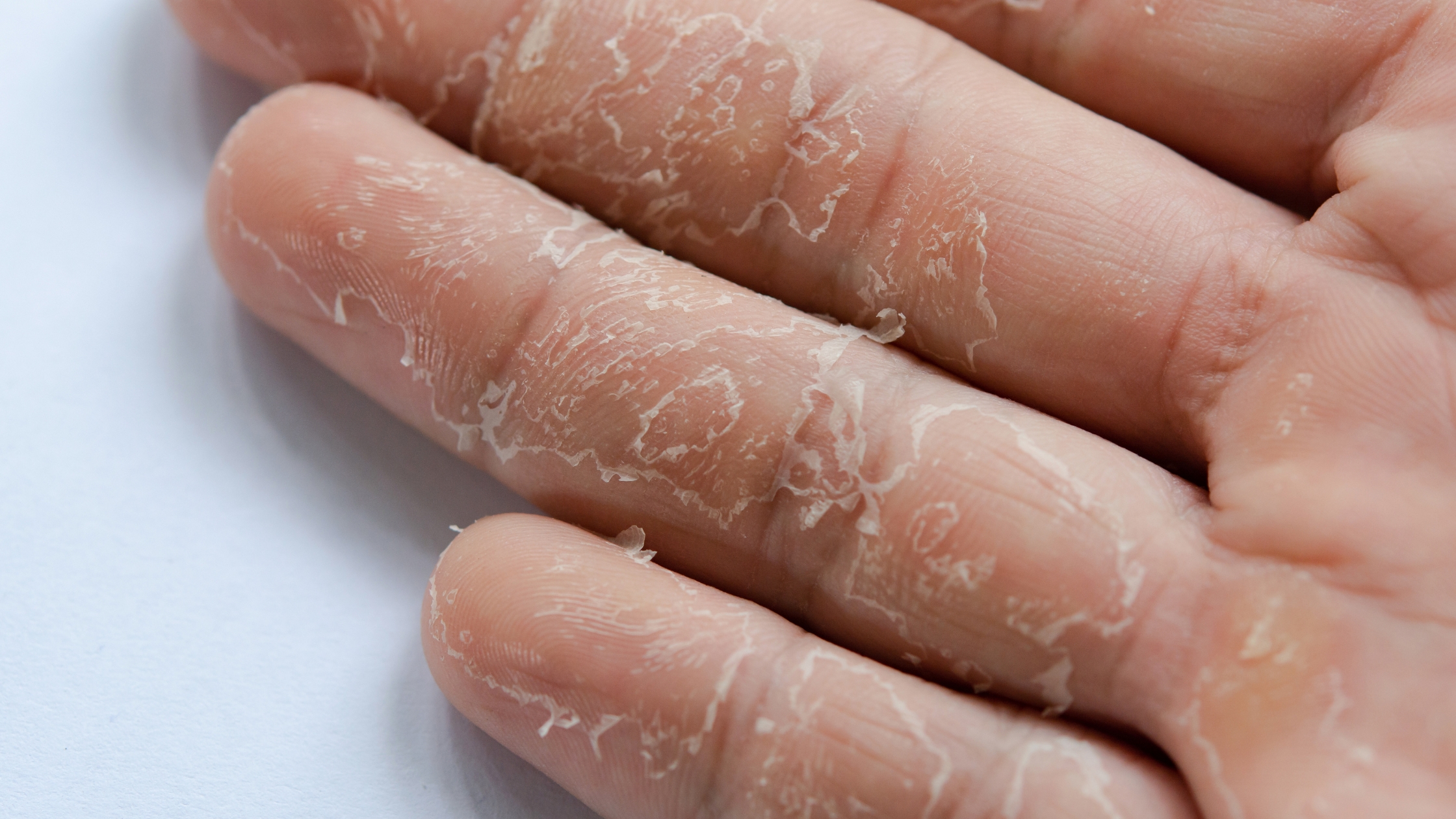
If you’re experiencing skin peeling on your hands, it’s essential to identify the underlying cause and treat your symptoms accordingly. Here are some of the possible causes of skin peeling on hands:
- Sunburns
- Eczema
- Psoriasis
- Contact dermatitis
- Hand fungal infections
- Sexually transmitted diseases (STDs)
How STDs Cause Skin Peeling on Hands:
STDs such as Syphilis, gonorrhea, and herpes can cause dry skin and peel on hands as a secondary symptom.
This skin irritation is usually a sign of secondary Syphilis, which occurs several weeks after the primary stage. Not all STDs cause skin peeling on hands; however, it’s always best to consult with a healthcare professional to get tested and treated.
Treatment for Skin Peeling on Hands:

Treatment for skin peeling on hands will depend on the underlying cause of the symptom. For example, if the cause is an allergic reaction to a particular product, you should avoid the product and use topical creams to reduce inflammation.
Suppose it’s due to an STD such as oral herpes, Syphilis, or herpes. In that case, you should consult a health professional who will prescribe appropriate medication to treat the underlying infection.
Prevention of Skin Peeling on Hands:
Preventing skin peeling on hands involves avoiding things that, through skin-to-skin contact, may cause an allergic reaction, such as harsh chemicals or excessive sun exposure.
Regular hand washing is also essential to prevent the spread of infectious diseases. Practicing safe sex by using protection during sexual activity is also critical in avoiding all sexually transmitted infections and diseases.
Symptoms Of STD Skin Peeling on Hands
• Skin peeling on the hands can sometimes be a symptom of an STD.
• Common symptoms include redness, dryness, cracking, and skin flaking accompanied by itchiness.
• Syphilis, HIV-AIDs, genital herpes, and HPV have all been associated with causing dry skin.
• If you experience these symptoms, don’t ignore them—get medical advice promptly to ensure proper diagnosis and management.
• Many STDs are treatable and can be appropriately managed to enable continued healthy living.
Preventions of sexually transmitted disease

Sexually Transmitted Diseases (STDs) are a serious concern, but did you know that you can take steps to reduce your risk significantly? Let’s dive right in!
- Use Protection: Always use condoms or dental dams during sex. They’re not just for pregnancy prevention – they’re crucial for STD protection, too!
- Get Tested Regularly: This can’t be stressed enough! Regular STD testing keeps you informed about your health status.
- Limit Sexual Partners: The fewer partners you have, the lower your risk of contracting an STD.
- Communication is Key: Talk openly with your partner(s) about your sexual history and STD status. Honesty can save you from a lot of trouble down the line.
- Vaccination: Get vaccinated against HPV and Hepatitis B – two common STDs with available vaccines.
Remember, it’s your body and your health. You have the power to protect yourself! Stay informed, stay safe!
STDs that cause dry skin: Skin Peeling on Hands
Did you know that certain sexually transmitted diseases (STDs) can indeed cause skin peeling on your hands? It’s not the most common symptom, but it can occur.
The primary STDs that may lead to skin changes and noticeable symptoms like dryness and peeling are AIDS, herpes, and Syphilis. For instance, the secondary stage of Syphilis can cause a dry rash to appear on various parts of your body, including the palms of your hands.
It’s essential to remember that similar symptoms can be due to other conditions, such as eczema or allergies. If you’re noticing these or other symptoms often, don’t panic, but contact a healthcare professional for evaluation and testing.
Remember, many STDs are treatable, and all require management, so it’s essential to get tested and stay informed about your health!
Do any STDS affect your hands?
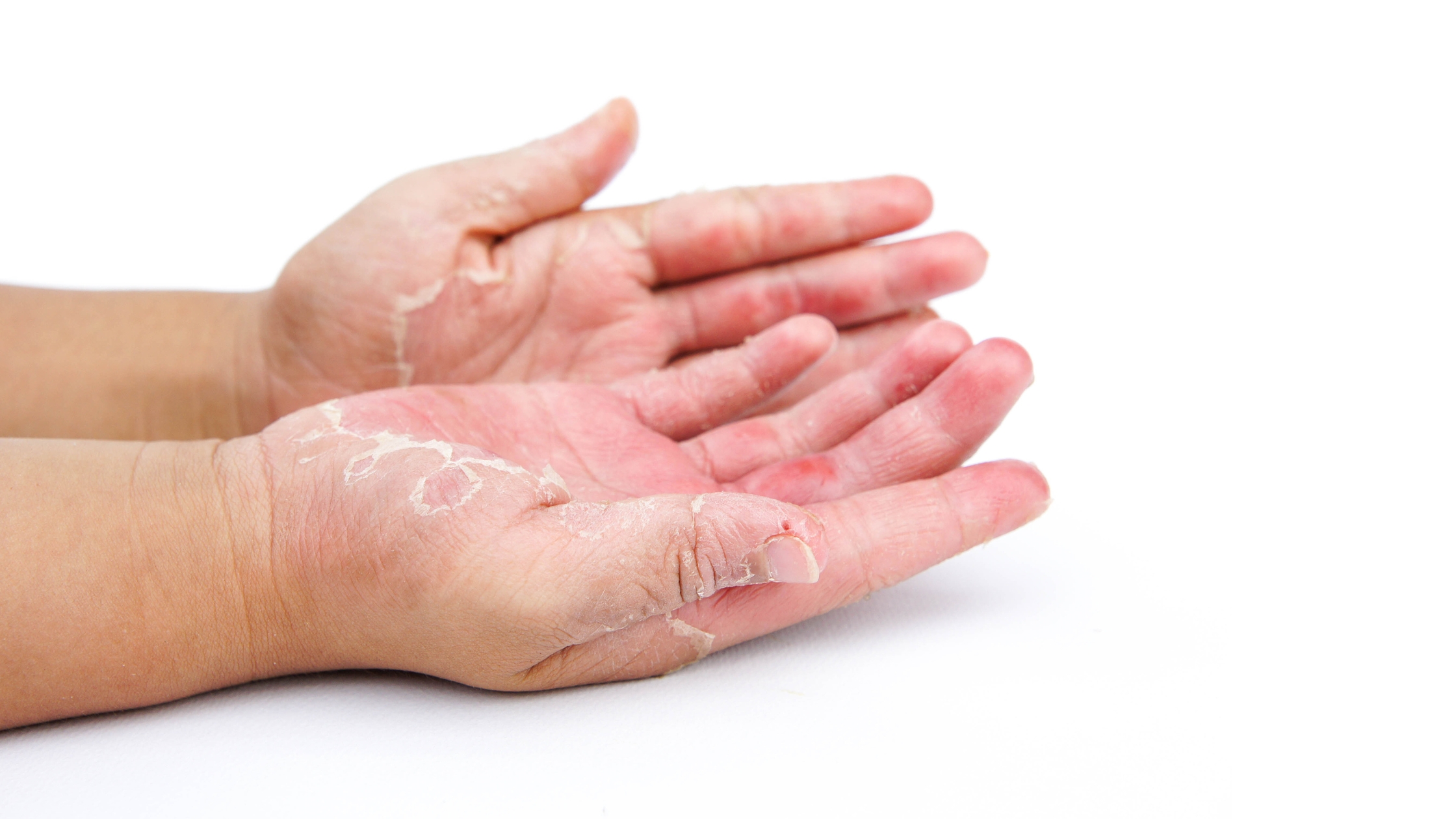
Yes, certain sexually transmitted diseases (STDs) can affect your hands. These include herpes, human papillomavirus (HPV), Syphilis, and chlamydia. For instance, the secondary stage of Syphilis can cause a rash on the palms of your hands.
Similarly, HPV can lead to warts on the fingers. If you’re experiencing unusual symptoms in your genital area or your hands, it’s crucial to seek medical advice, as these STDs are manageable with appropriate treatment.
Top 12 STD Treatments

Let’s delve into the top 12 treatments for sexually transmitted diseases (STDs). Remember, your health is your wealth, and taking care of it should always be a priority.
- Antibiotics: Isn’t it amazing how antibiotics can effectively treat bacterial STDs like chlamydia, gonorrhea, and Syphilis?
- Antiviral Medication: Don’t worry if you’re dealing with viral STDs like herpes or HIV; antiviral medications can help manage these conditions.
- HPV Vaccination: Did you know that getting vaccinated can prevent certain types of HPV? It’s an empowering step towards self-care.
- Hepatitis B Vaccination: It’s never too late to protect yourself against Hepatitis B with a vaccination.
- Topical Creams: For genital warts, topical creams can be a great solution.
- Cryotherapy: This is another effective treatment for genital warts. It involves freezing the warts off.
- Antiretroviral Therapy (ART): For those living with HIV, ART can drastically improve quality of life and prolong lifespan.
- Interferon Therapy: Used in the treatment of Hepatitis B and C.
- Direct-acting Antivirals: These are used to treat Hepatitis C.
- Microbicides: These are products being developed to reduce or prevent the sexual transmission of HIV and other STDs.
- Pre-exposure Prophylaxis (PrEP): PrEP can reduce the risk of getting HIV from sex by about 99% when taken as prescribed.
- Post-exposure Prophylaxis (PEP): PEP can prevent HIV infection after potential exposure.
Remember, the best defense against STDs is prevention.
Conclusion:
Skin peeling on hands is a common skin condition caused by various factors, from an allergic reaction to a sexually transmitted disease.
If you’re experiencing symptoms of skin peeling on your hands, it is essential to seek medical attention as early as possible to identify the underlying cause and receive appropriate treatment.
If a sexually transmitted infection or disease causes it, it’s crucial to practice safe sex, get tested and treated, and inform your sexual partners to prevent its spread. Remember, prevention is always better than cure. Than cure.