


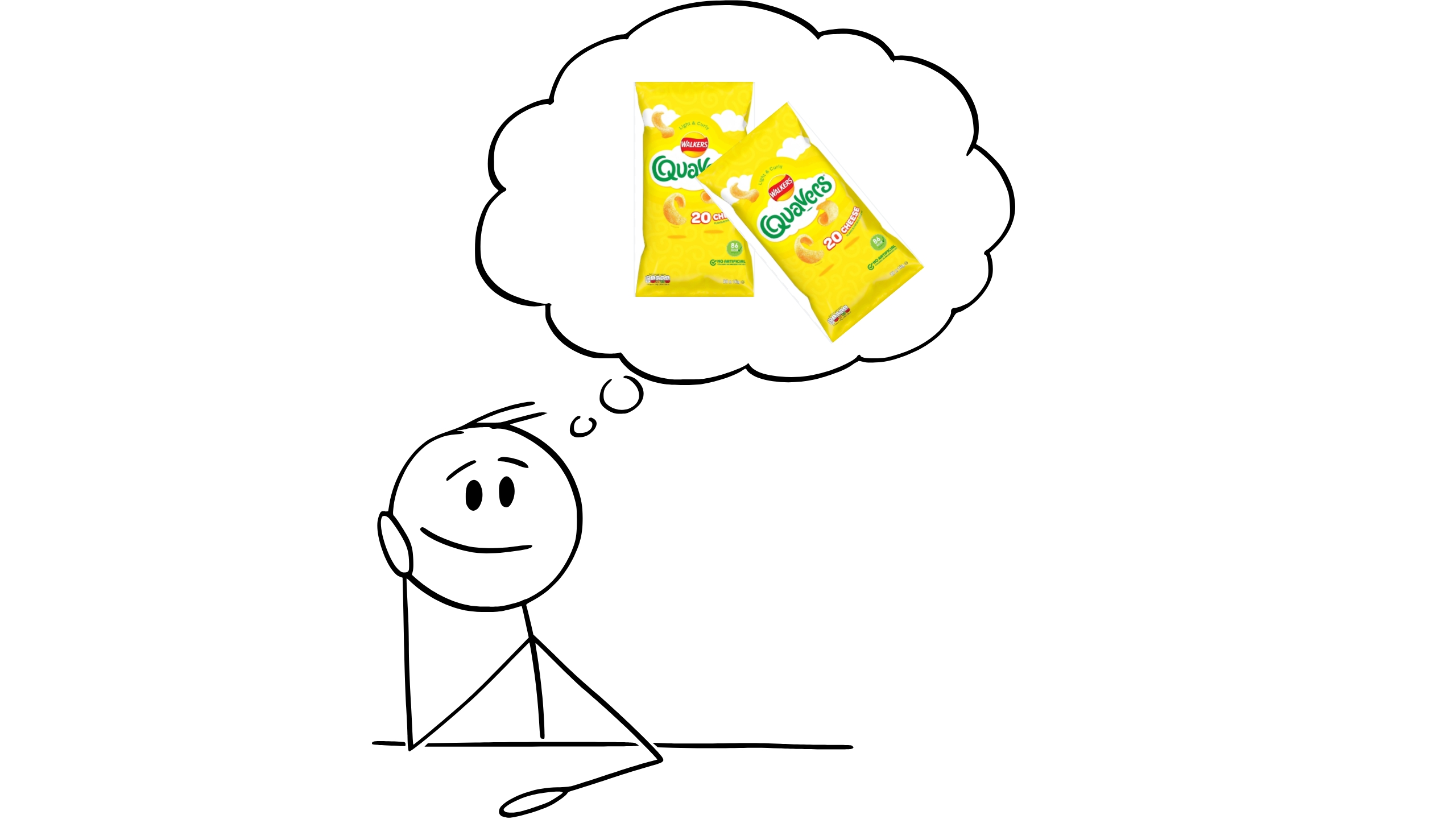
Have you ever reached for a bag of Quavers, practically tasting their signature crispiness in your mouth long before you even opened it? Or maybe you’ve caught yourself wondering why, out of all the food in the world, it’s that salty snack you can’t stop craving.
If this sounds familiar, you’re not alone. Understanding these cravings is the first step to managing them in a mindful, compassionate way.
Cravings aren’t random. They’re meaningful signals from your body, emotions, or even habits. The more you tune into these signals, the better equipped you’ll be to address the real reasons behind your cravings—whether they’re about nutrition, emotions, or old memories.
Using tools like journaling, you can uncover the root causes of your cravings and start responding to them in ways that don’t leave you feeling guilty or out of control.
Let’s explore five common reasons you might be craving Quavers and how gentle self-reflection, mindful awareness, and the Eating Enlightenment approach can help you better understand what’s happening beneath the surface.
Reason #1. Nutritional Deficiencies
Sometimes, a craving for salty snacks, like Quavers, isn’t just about taste—it’s about what your body needs. Our bodies rely on key minerals like sodium and potassium to regulate hydration, muscle function, and more. If you’re deficient, your body might cry out for salt—and Quavers, with their light, crisp texture and satisfying salty flavor, might feel like the perfect answer.
What to Do
Start journaling your meals for a few days. Are you getting enough balanced nutrients throughout the day? Check if foods rich in potassium (like bananas or sweet potatoes) or magnesium (like leafy greens or nuts) are missing from your diet.
Journaling Prompt: Did I crave salty foods today? What did I eat before the craving struck? Could my body be asking for more balance in my nutrients?
Reason #2. Emotional Triggers
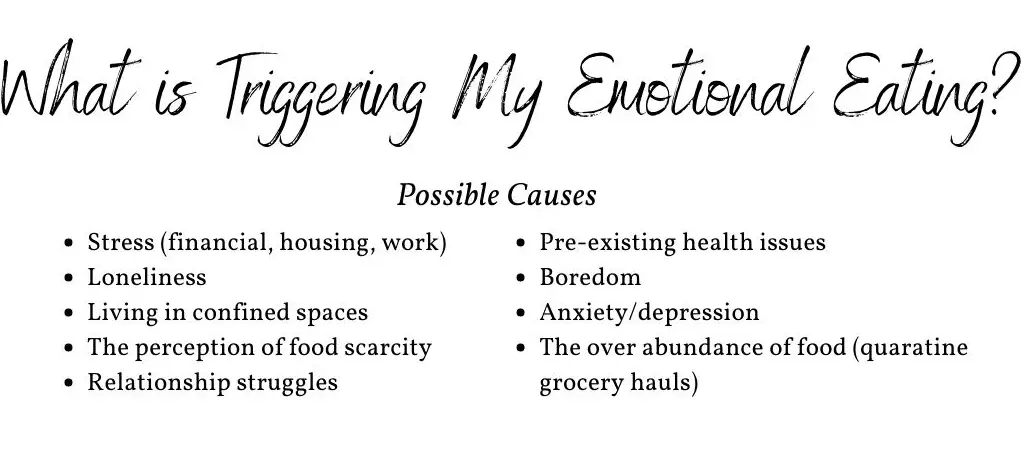
Sometimes, that craving isn’t about hunger but your emotions. Stress, boredom, loneliness… Specific emotional states can leave us turning to comfort foods. Cravings for snacks like Quavers often arise because they offer quick relief—they are familiar, light, and easy to down mindlessly while we distract ourselves or cope with our feelings.
What to Do
Pause and reflect the next time a craving hits. Try this: Before opening the bag, take a mindful moment to journal about how you’re feeling. Are you anxious, sad, or just tired after a long day? Identifying emotions that fuel cravings can help break the autopilot response.
Journaling Prompt: What am I feeling right now? Could this craving be my way of soothing stress or filling emotional discomfort? What might I need instead of Quavers?
Reason #3. Habitual Patterns
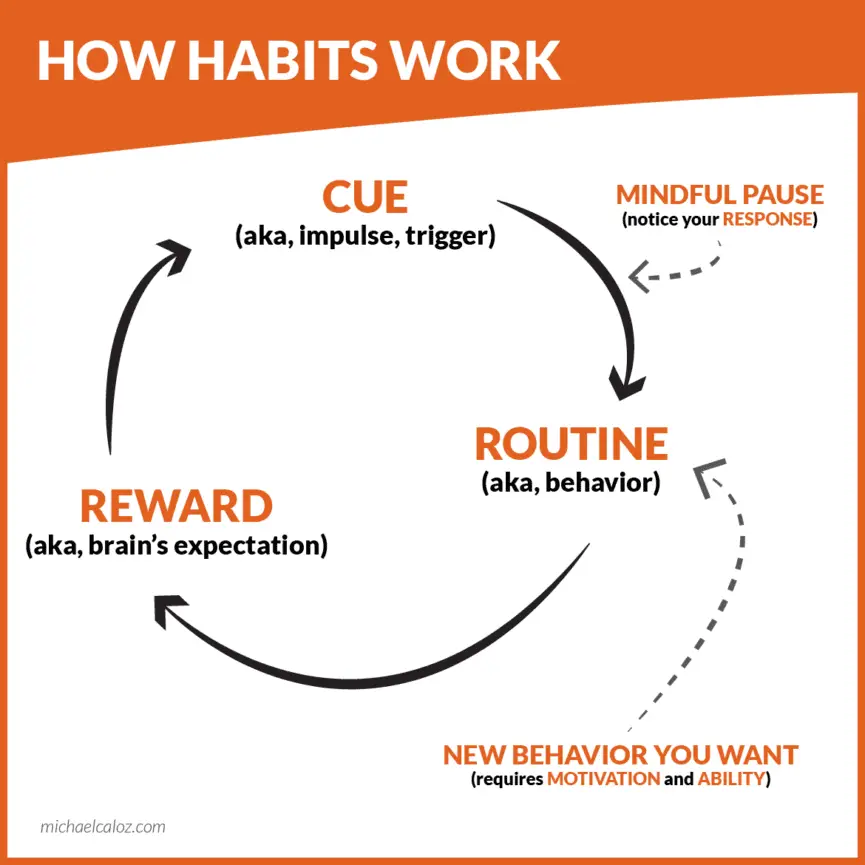
Cravings are sometimes less about your body or emotions and more about patterns you’ve developed. Do you always snack on Quavers while watching TV or working from home? If so, your brain might have wired these two together, automatically signaling for a snack whenever that habit triggers.
What to Do
Use journaling to track the times and places you tend to crave Quavers. Patterns will emerge, and you can interrupt the cycle once they do. Try swapping the snack for something else—a cup of tea, a stretch, or even a different type of food that nourishes you more healthily.
Journaling Prompt: When do I usually crave Quavers? During a specific time of day? During a particular activity? What small change can I make to break that automatic habit?
Reason #4. Psychological Associations

Some cravings bring us back to the past. They’re tied to specific memories or emotional connections—like childhood snacks your parents packed in your lunchbox or treats shared with friends at school. These psychological associations are powerful and deeply comforting. Your Quavers craving might have less to do with the actual food and more with retrieving a feeling of safety, joy, or nostalgia.
What to Do
Reflect on moments from your past that might be tied to the food you crave. Writing about these connections can bring incredible clarity and help you understand why that craving is irresistible.
Journaling Prompt: Does eating Quavers remind me of a specific memory or time? What emotions come up when I think about this?
Reason #5. Physical Hunger or Dehydration
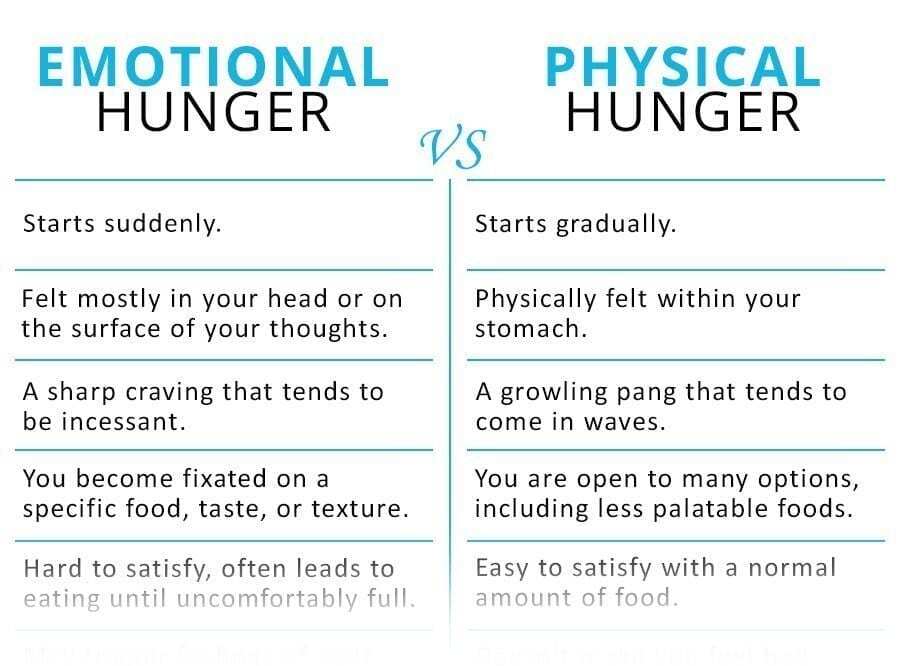
Sometimes, a craving is just a response to biological needs. You might mistake hunger or dehydration for a craving if you’ve gone too long without food or water. With their light but flavorful crunch, quavers seem like a quick fix when your body is crying out for essential nourishment or hydration.
What to Do
Next time you feel a craving, pause and check-in. Are you hungry? When did you last eat? Or could you be dehydrated? Hydration journals can help you track your water intake alongside meals.
Journaling Prompt: Am I physically hungry or thirsty? How can I choose a meal or drink that satisfies my body instead of just my craving now?
5 Fun Facts About Cravings for Quavers

- A Nostalgic Nibble
Craving Quavers might be your inner child longing for those packed lunch memories and carefree school days! - The Texture Temptation
It’s not just the cheesy flavor—your brain loves that airy, crunchy texture. It feels oddly satisfying. - Salt Signals
That irresistible pull towards Quavers could be your body’s sassy way of asking for a salty pick-me-up! - Routine Love Affair
If Quavers are your go-to during movie time, your brain might associate the snacks with cozy, happy vibes. - Cheese Dreams
The cheesy flavor hits a sensory jackpot, sparking joy and a wave of comfort-food feelings in each bite!
Cravings and the Binge-Diet Cycle
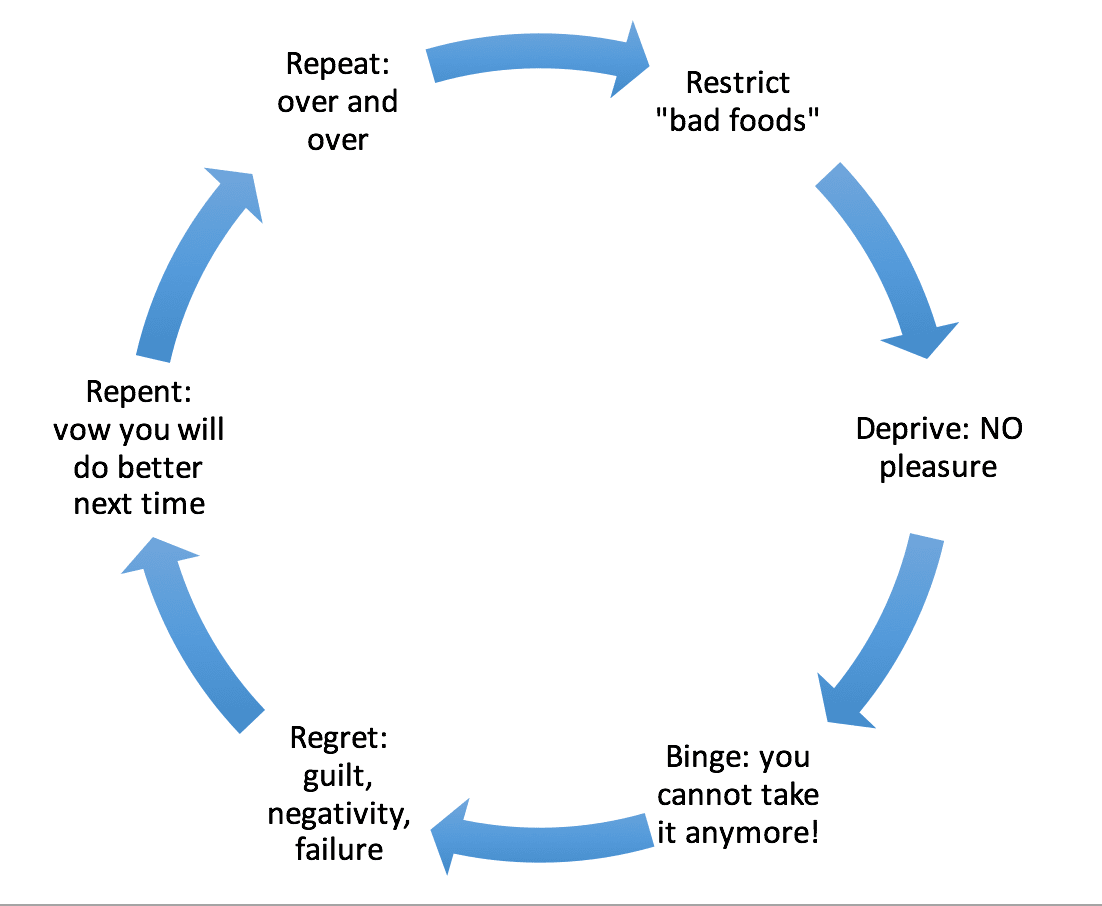
For some, cravings go deeper, taking on a more intense and compulsive role in their daily lives. Suppose your cravings feel overwhelming or tied to cycles of restriction and overeating.
In that case, they might be part of the binge-diet cycle—a pattern where dieting leads to intense cravings, resulting in overeating, followed by guilt and a return to restriction.
If this sounds familiar, know that you’re not alone. This cycle is familiar, and breaking free starts with a compassionate approach to your relationship with food.
The Eating Enlightenment Approach to Managing Cravings
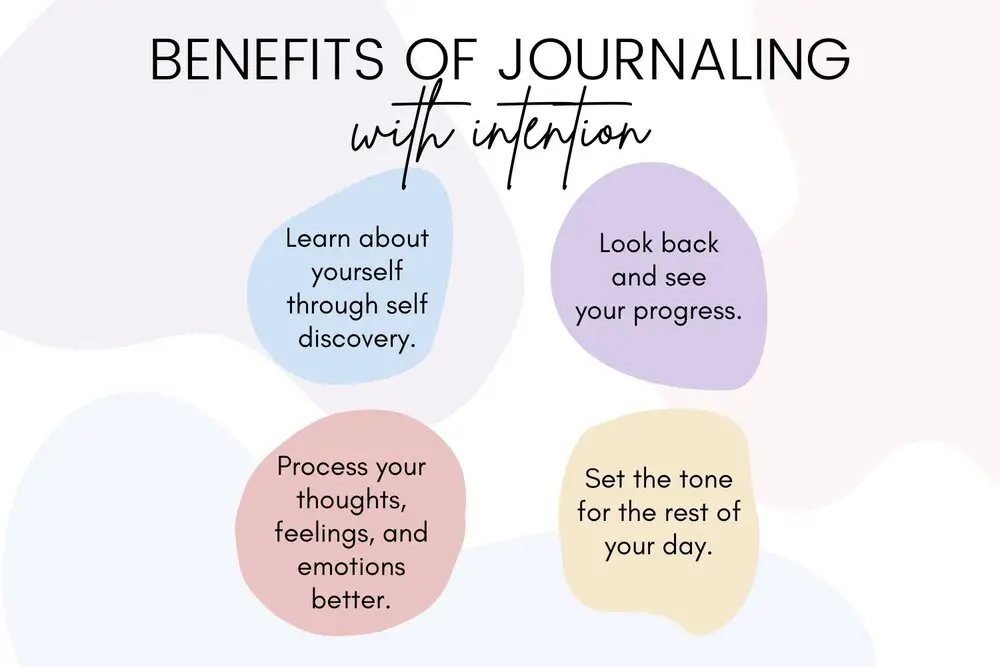
The Eating Enlightenment method is designed to guide you out of the binge-diet cycle and into a place of balance and self-compassion. Here’s how you can use our 3-step process to address cravings like these sustainably.
Step 1: Nutritional Journaling
Start with the basics. Build a solid foundation of nourishment to avoid deprivation-driven cravings. Journal your meals to notice if you’re skipping snacks or meals, and add balanced portions of protein, healthy fats, and veggies as needed.
Step 2: Mindfulness of Triggers
Once you’re on the stable nutritional ground, use food journaling to build awareness of your cravings in real-time. Track how you’re feeling before, during, and after eating. Journaling slows down the process, allowing you to choose intentional responses instead of reacting on autopilot.
Step 3: Healing Inner Parts
Emotional wounds or unhealed traumas sometimes fuel deeper cravings. By journaling about your “inner voices” or emotional parts, you can begin to uncover the real roots of your cravings. Comfort the part of yourself that feels anxious, sad, or nostalgic—offering compassion instead of judgment.
Final Words:

Understanding your cravings is about creating meaningful connections with your body, emotions, and thoughts. Through journaling, mindfulness, and curiosity, you can respond to cravings like Quavers with awareness instead of frustration.
Remember, this isn’t about being “perfect” or eliminating cravings—it’s about listening compassionately to what your body and mind are trying to tell you. Cravings are a chance to pause, reflect, and grow.
Start Your Journaling Journey Today
Are you ready to explore what’s behind your cravings? Download a food journaling app, grab a notebook, or check out Eating Enlightenment’s resources to begin this compassionate and empowering process. Your relationship with food can change—one mindful step at a time.