


Have you ever daydreamed about biting into a juicy, sweet pear and wondered, “Why this sudden craving?” Don’t worry, you’re not alone.
Cravings can feel random—like an unexpected knock at the door—but they often carry a more profound message about your body’s needs.
Whether it’s a gentle nudge signaling something missing in your diet or reflecting your emotional state, these subtle cues are worth paying attention to.
Craving pears, in particular, might reveal fascinating insights about your nutritional needs or even your lifestyle habits.
Packed with fiber, antioxidants, and refreshing hydration, this versatile fruit isn’t just delicious—it’s a powerhouse of health benefits. But what does it mean when your body asks specifically for pears?
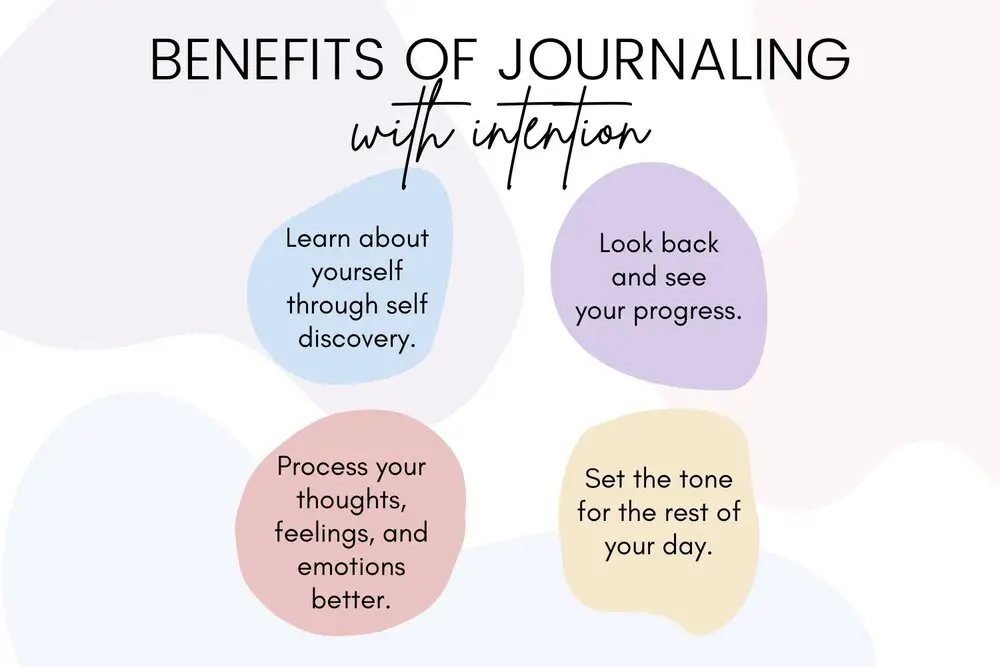
Understanding what drives your cravings can empower you to make more mindful dietary choices. The Eating Enlightenment approach encourages tuning into what your body is saying and perhaps even journaling these experiences to build a deeper connection with your food and yourself.
Get ready to explore six reasons behind your pear cravings—and uncover how peeling back these insights can lead to greater well-being!

Reason #1: Nutritional Deficiencies
Craving pears might indicate a need for nutrients like fiber, vitamin C, antioxidants, and potassium. If you’ve been feeling sluggish or constipated, the high fiber content in pears could be calling you.
Similarly, their natural sweetness and vitamin C might signal a need to boost your immune system or energy levels. To explore these needs further, consider journaling with the prompt, “What nutrients might my body be asking for when I crave pears?”.
Reason #2: Seasonal Factors

The seasonal availability of pears can influence cravings. Pears are fresher and more flavorful during peak harvest times, making them particularly enticing.
Reflect on how seasons may affect your cravings with the journaling prompt, “How do the seasons affect my food preferences?” This can reveal connections between nature’s rhythms and your habits.
Reason #3: Psychological Triggers
Emotions and stress can trigger cravings for comfort foods like pears. Their gentle sweetness and soft texture can be comforting when you feel overwhelmed or nostalgic.
Use the journaling prompt, “What emotions am I experiencing when I crave pears?” to uncover and address emotional triggers with compassion.
Reason #4: Digestive Health

Pears are champions of digestive health due to their high fiber content, which keeps you regular and soothes an irritated digestive system.
If you’ve experienced digestive issues, craving fiber-filled foods like pears might be your body’s way of nudging you to improve gut health. Journaling about “How does my digestive health influence my food cravings?” can help you spot these connections.
Reason #5: Hydration Needs
The high water content in pears provides a refreshing boost, especially on hot days or after intense workouts.
Thirst is often mistaken for hunger, so consider the prompt, “Am I mistaking thirst for hunger?” to notice patterns between your water intake and food choices.
Reason #6: Habitual Eating Patterns

Habits and routines around food can influence cravings. If pears are your go-to snack, these habits can create mental associations between pears and comfort.
Reflect on this relationship with the journaling prompt, “Are my cravings for pears part of a routine or habit?” to decide whether to continue these habits or create new ones that align with your goals.
6 Fun Facts About Cravings for Pears

Cravings for pears may seem simple initially, but there’s often more beneath the surface than meets the eye. From their nutritional value to their cultural and emotional connections, here are six fascinating facts about why you might find yourself reaching for this delicious fruit!
1. A Gentle Nudge for Digestive Health
Pears are one of the most fiber-rich fruits, with a single pear providing about 20% of your daily needs. If your body’s digestive system is out of sync, a craving for pears might be your body’s way of asking for help. Their fiber content supports a healthy gut and eases digestion naturally.
2. Hydration Meets Sweetness
Made up of about 84% water, pears are an excellent source of hydration. If you’re craving them on a hot day or after exercise, it might be your body’s way of balancing water levels while enjoying a sweet, refreshing treat.
3. The Nostalgic Comfort Food
Pears’ soft texture and delicate sweetness often remind people of childhood snacks or comforting homemade desserts. A craving could be tied to emotional needs, offering a subtle way to find peace and familiarity during stressful times.
4. A Seasonal Delight
Pears often taste best in the cooler months, especially in regions like [North America or Europe], where they’re harvested in fall. Seasonal freshness makes their flavor more irresistible, aligning cravings with nature’s calendar and rhythms.
5. Pears for Balanced Blood Sugar
With a naturally low glycemic index, pears release sugar gradually, providing steady energy. If you’re feeling that mid-afternoon slump, your craving might indicate your body is seeking a stable and healthy energy boost.
6. A Traditional Symbol of Luck
Across cultures, pears carry special meanings. For example, in some parts of Asia, they symbolize prosperity and good fortune. A pear craving might unconsciously connect with your desire for positivity or success—a fun twist to an otherwise simple fruit craving!
The next time you long for a juicy pear, take a moment to enjoy its layers of meaning and benefits. Whether it’s your body, emotions, or history speaking, pears offer much more than a satisfying bite! Which fact resonated with you most? Share your thoughts!
Understanding Cravings and Binge Eating Disorder

Have you ever wondered why specific cravings strike out of nowhere, leaving you powerless? Often, cravings are tied to deeper patterns like the binge eating cycle.
This cycle, fueled by restrictive behaviors and emotional triggers, can leave you stuck, struggling with food. But what if there was a way to break free—with understanding, mindfulness, and compassion?
The Binge Diet Cycle and Why It Matters
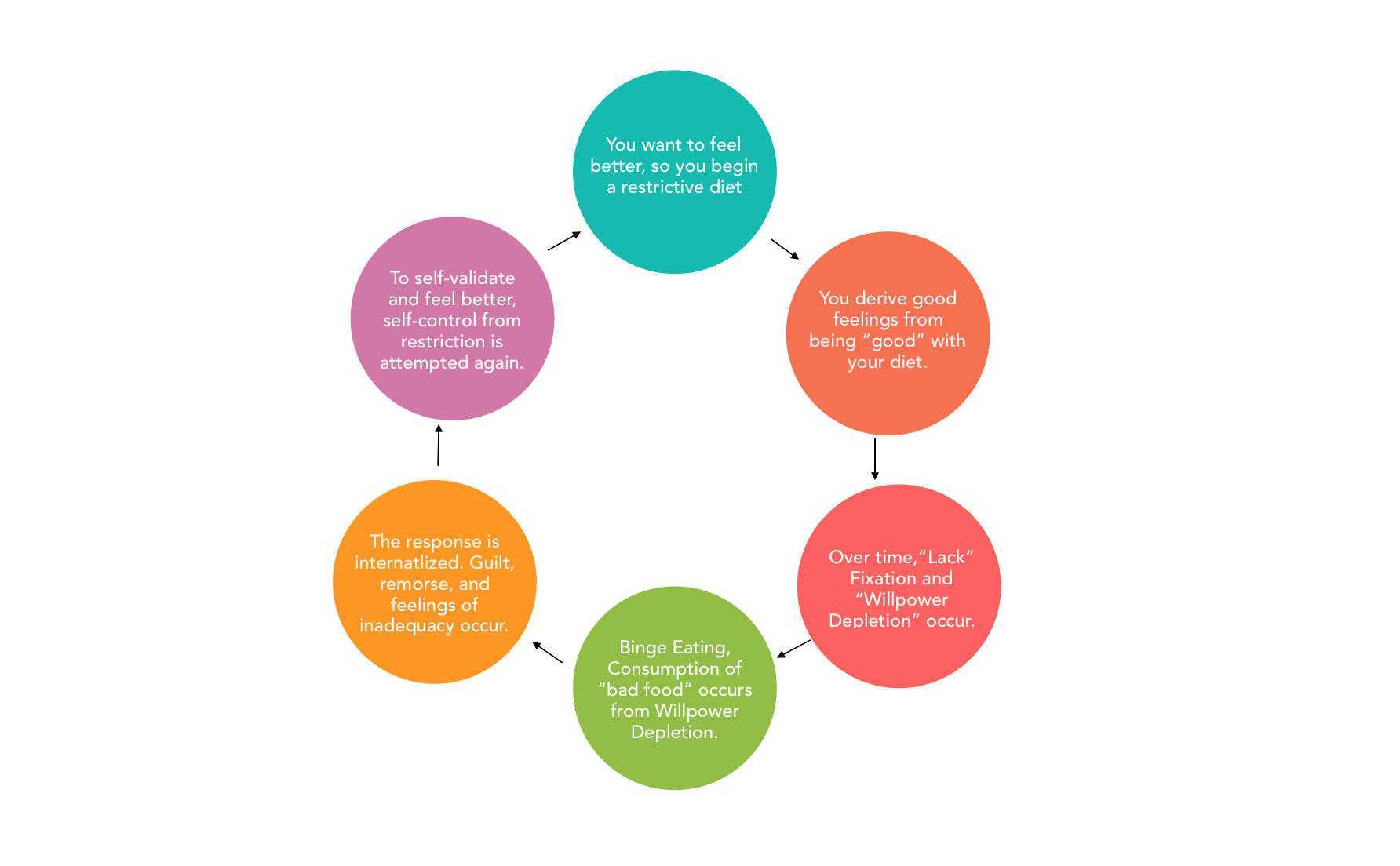
Cravings often play a significant role in the binge—diet cycle. Imagine someone who decides to diet, cutting out favorite foods or drastically lowering calories for quick results.
At first, it feels empowering, but over time, deprivation sets in. Hunger and the denial of “forbidden” foods trigger powerful cravings, leading to overeating or binge episodes. Afterward, guilt takes over, usually followed by stricter dieting, repeating the exhausting cycle.
These cravings aren’t just about food; they signal that something in your body or emotions needs attention. Recognizing this can help you break the cycle. The Eating Enlightenment process takes a mindful, compassionate approach to helping you transform how you respond to cravings.
Breaking the Cycle with the Eating Enlightenment Approach
The three-step Eating Enlightenment process aims to shift one’s relationship with food away from control and toward self-awareness and care.
1. Nutritional Journaling
Start by addressing physical hunger. Skipping meals or restrictive eating often drives cravings, so this step focuses on feeding your body consistently. Nutritional journaling highlights when and what you’re eating, helping you pinpoint gaps in nutrition. For instance, noticing that skipping breakfast leads to uncontrollable evening cravings can inspire positive changes, like eating balanced meals throughout the day.
2. Mindfulness of Triggers
Cravings often stem from emotions rather than hunger—stress, boredom, or loneliness. Mindfulness comes into play here. Journaling your thoughts and feelings when cravings strike lets you pause and reflect. Are you hungry, or are you overwhelmed by a tough day? Over time, recognizing these triggers provides new ways to cope that align with your needs, rather than turning to food as the only source of comfort.
3. Inner Awareness and Healing
Persistent food struggles often reveal deeper emotional wounds. The final step invites you to explore inner dialogues—like an inner critic or a part of you seeking soothing from past hurt. Journaling here helps uncover these voices with compassion, giving space to understand and heal. Instead of fighting cravings, you learn to listen deeply and nurture yourself meaningfully.
Taking the First Step
Breaking the binge diet cycle takes time and patience, but even small steps—like journaling after a craving—build momentum. Cravings are not the enemy; they’re messages asking for care and attention. Addressing them through the Eating Enlightenment process allows you to find food freedom and a deeper connection to yourself. Begin today—your path to healing starts with a single entry.
Conclusion

Cravings for pears—or any food—hold valuable insights into your body’s needs, emotions, and habits. By reflecting on these cravings through journaling, you can uncover patterns and better understand your relationship with food.
Journaling helps make sense of your cravings and empowers you to make mindful choices that support your well-being.
We recommend the free Eating Enlightenment Journal App to take the guesswork out of starting. This easy-to-use tool provides guided journaling prompts tailored to help you explore your cravings, uncover triggers, and build healthier dietary habits.
Remember, cravings are not just whims; they’re messages from your body. Download the Eating Enlightenment Journal App today to start understanding them. Your path to a more balanced and insightful relationship with food begins with a single step!