


Breastfeeding is a beautiful and natural way to nourish your baby, providing essential nutrients and fostering a deep bond. However, managing the storage of breast milk can be a challenge for new parents.
Proper storage is crucial to maintain its health benefits and ensure your baby gets the best nutrition possible. In this guide, we’ll explore how long refrigerated breast milk can sit out, ensuring your little one always has safe and healthy milk.
The 4-Hour Rule
Understanding the guidelines for breast milk storage is essential for every breastfeeding mom. One widely accepted rule is the 4-hour guideline. This means that once you take refrigerated breast milk out, it should be used within 4 hours if kept at room temperature.
Why 4 hours? This timeframe ensures that the milk remains fresh and safe for your baby to consume. Bacteria can start to grow if breast milk is left out for too long, potentially causing harm to your baby. By adhering strictly to the 4-hour rule, you minimize these risks and keep your baby’s health a priority.
When you’re on the go or at work, always remember this guideline to ensure your baby’s milk is as fresh as possible. Planning and being mindful of timing can make all the difference.
Factors Affecting Storage Time

Several factors can affect how long refrigerated breast milk can safely sit out. Understanding these can help you make informed decisions about milk storage.
Room Temperature
The temperature of the room where the milk is stored is a critical factor. Ideally, breast milk should be kept in a room that is no warmer than 77°F (25°C). Warmer temperatures accelerate bacterial growth, reducing the time breast milk can safely sit out.
Fridge Temperature
The temperature inside your refrigerator also plays a significant role. Breast milk stored at a consistent fridge temperature of 39°F (4°C) or colder will stay fresher longer once it’s taken out. Ensure your fridge is set correctly to maintain this optimal temperature.
Cleanliness
Cleanliness during pumping and storage is vital. Using clean bottles and pump parts helps prevent contamination, which can spoil the milk faster. Always wash your hands before handling breast milk to keep it as sterile as possible.
Signs of Spoilage
Knowing how to identify spoiled breast milk is crucial for your baby’s safety. Here are some signs to watch out for:
Sour Smell
Fresh breast milk typically has a mild, pleasant aroma. If it begins to smell sour or rancid, it’s a clear indicator that the milk has gone bad and should be discarded immediately.
Unusual Consistency
Spoiled breast milk may develop a thick, clumpy texture. While some separation is normal, and shaking can mix it back together, persistent lumps or a thickened consistency often signal spoilage.
Off Taste
If you’re unsure, taste a small amount of the milk. Spoiled breast milk will taste sour or unpleasant. While tasting may not be common, this method can help confirm if the milk is still good.
Storage Tips
Maximizing the shelf life and nutritional value of your breast milk requires some best practices. Here are a few tips to help:
Use Proper Containers
Store breast milk in BPA-free bottles or breast milk storage bags specifically designed for this purpose. These containers help maintain the milk’s quality and prevent contamination.
Label Everything
Always label your milk containers with the date and time of pumping. This practice ensures you use the oldest milk first and helps you keep track of how long the milk has been stored.
Freeze If Needed
If you won’t use the milk within a few days, consider freezing it. Frozen breast milk can last up to 6 months or even longer in a deep freezer. Just be sure to thaw it properly when needed.
Frequently Asked Questions
New parents often have many questions about breast milk storage. Here are some common concerns and answers:
Can I mix freshly pumped milk with refrigerated milk?
Yes, you can mix freshly pumped milk with already refrigerated milk, but you need to cool the fresh milk first. Add it to the refrigerated milk only after it has been chilled to avoid raising the temperature of the stored milk.
How do I warm up refrigerated breast milk?
Warm breast milk by placing the bottle or bag in a bowl of warm water or using a bottle warmer. Avoid microwaving, as it can create hot spots and destroy valuable nutrients.
What if my baby doesn’t finish the bottle?
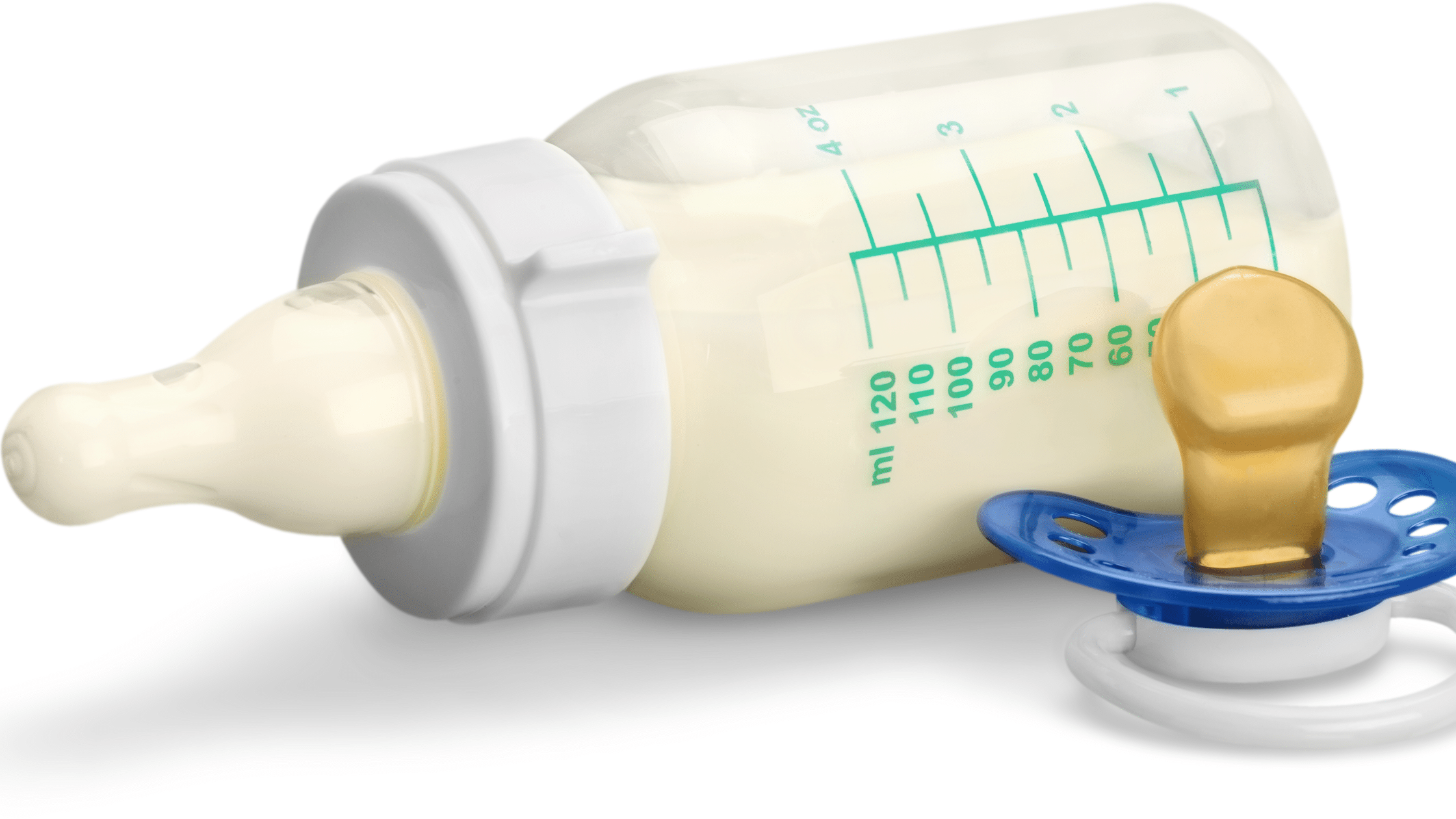
If your baby doesn’t finish the bottle within 2 hours, discard any leftover milk. Bacteria from your baby’s mouth can contaminate the milk, making it unsafe for later use.
When taken out of the refrigerator, how long is breast milk good for?
Breast milk can be stored in the refrigerator for up to 4 days before it should be used or frozen. However, it is best to use it within 2-3 days for optimal freshness and nutrients. Always check the date on the container and follow proper storage guidelines to ensure your baby receives the best quality breast milk. If you need to store milk for longer periods, freezing is recommended for up to 6 months. Remember to thaw frozen milk properly before use. Happy pumping!
For what length of time may NHS patients leave chilled breast milk out at room temperature?
According to the NHS guidelines, freshly expressed breast milk can be left out at room temperature for up to four hours. It’s important to ensure the milk is stored in a clean, sealed container and kept at a stable room temperature to maintain its quality during this period.
If the breast milk has been previously refrigerated or frozen and then thawed, it’s best to use it within one to two hours if left at room temperature.
After warming, how long is breast milk good for?
After warming breast milk, it is best to use it within two hours. This ensures that the milk retains its nutritional value and remains safe for your baby.
Always store the milk in clean, sealed containers, and avoid reheating the same milk more than once. Remember, this is part of nurturing your baby’s well-being through mindful and careful handling of their nourishment, holistically supporting their health.
Conclusion
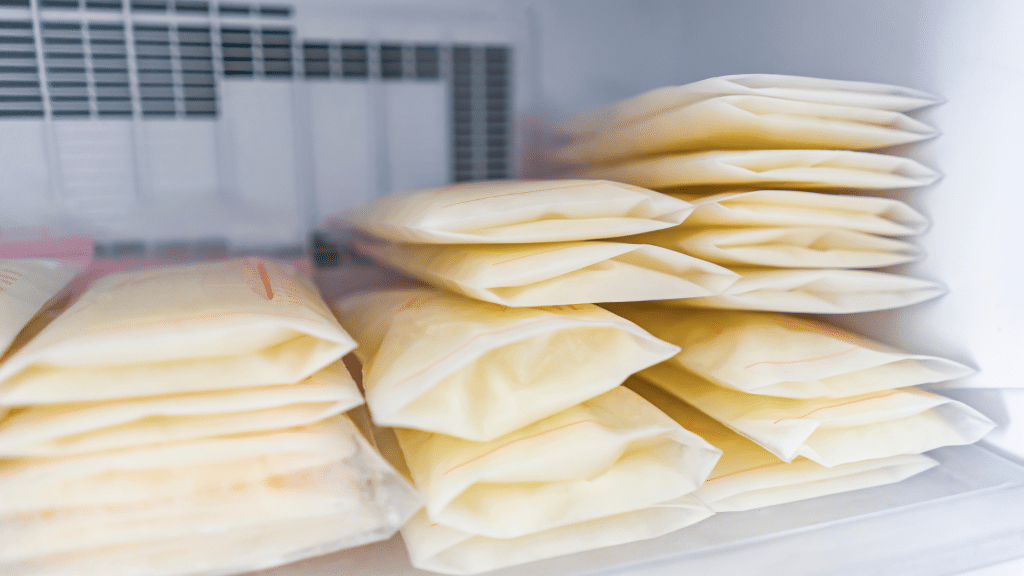
Proper storage of breast milk is essential to ensure your baby receives the best nutrition possible. By understanding the 4-hour rule, recognizing spoilage signs, and following best storage practices, you can confidently provide safe and healthy milk for your little one.
Remember, breast milk is a precious resource that requires careful handling. We hope this guide empowers you to manage your milk storage effectively and supports you on your breastfeeding journey.
For more tips and personalized advice, consider booking a session with our lactation consultants. We’re here to support you every step of the way. Happy breastfeeding!