

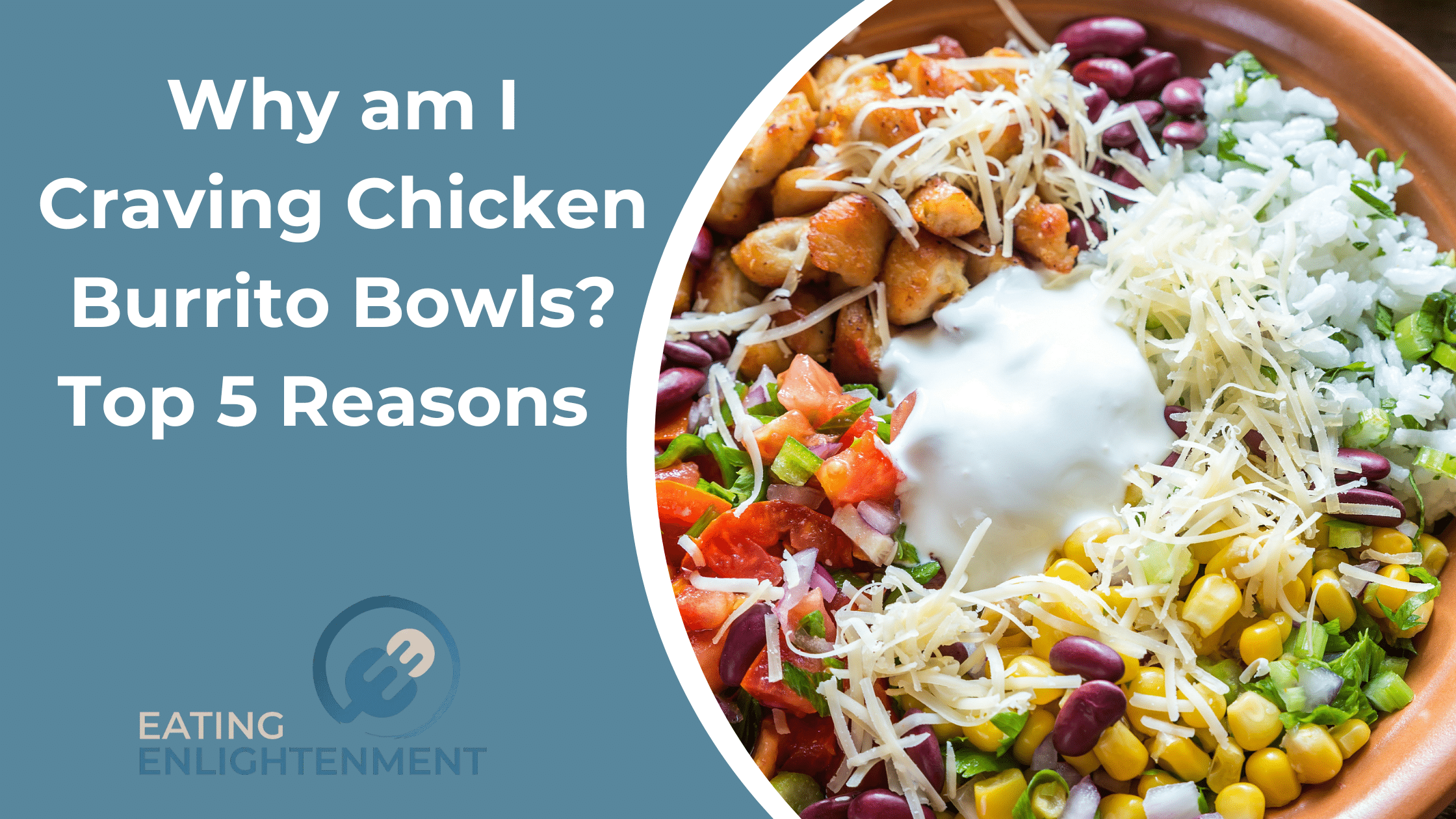
Have you ever daydreamed about the perfect chicken burrito bowl, where smoky, tender chicken mingles with creamy guacamole, zesty pico de gallo, and citrus-kissed rice? The mere thought of its savory aroma, crunchy fresh veggies, and comforting warmth makes your mouth water. This dish doesn’t just satisfy hunger—it soothes the soul.
There’s a reason chicken burrito bowls hold universal appeal. Whether enjoyed as a cultural favorite or a quick, satisfying meal on the go, they hit all the right notes. But why are you craving one so intensely? Is it your body asking for balanced nutrition wrapped in every delicious bite? Or maybe it’s your heart reaching for the comfort they bring—a connection to a fond memory or a moment of joy.
Whatever the reason, craving this bowl of goodness is worth exploring. Together, we’ll uncover the top five reasons behind these urges—nutritional, cultural, or emotional—and I’ll share simple mindfulness tools like journaling to decode what your body is trying to tell you. After all, understanding your cravings leads to a more meaningful, nourishing relationship with food.

Top 5 Reasons for Craving Chicken Burrito Bowls
1: Nutritional Benefits
The protein-packed chicken, fiber-rich beans, and energy-boosting rice make this dish balanced and nourishing. If you’re craving one, it could be your body asking for food that leaves you feeling energized and content. A chicken burrito bowl offers fuel for your day without the sluggishness.
Journaling Prompt: “Am I meeting my nutritional needs? How do I feel after eating meals that balance protein, carbs, and fiber like this one?”
2: Flavor Profile
Burrito bowls are a sensory delight. The smoky chicken, creamy guacamole, spicy salsa, and crunch of fresh veggies create a dynamic eating experience. If your meals feel uninspired, this dish can reignite your taste buds and bring joy to every bite.
Journaling Prompt: “What specific flavors—spicy, savory, creamy—am I drawn to in this craving? How does this craving compare to my usual eating patterns?”
3: Emotional Triggers
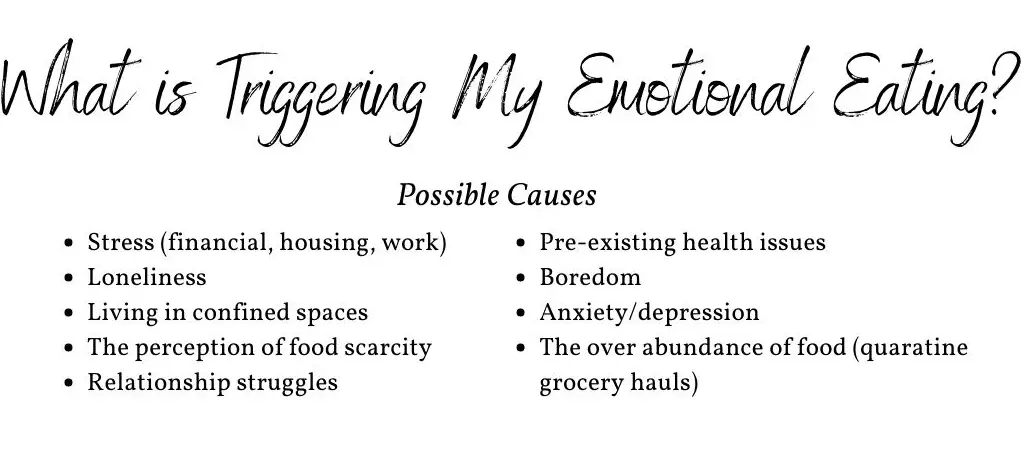
Food is often connected to comfort or nostalgia, and chicken burrito bowls might remind you of a cherished moment—a dinner with loved ones or a favorite restaurant. Craving them could be your way of seeking emotional warmth or a pick-me-up after a hard day.
Journaling Prompt: “What was my emotional state leading up to this craving? Does this food remind me of anyone or a specific memory?”
4: Cultural Influence and Food Trends

The growing popularity of Mexican-inspired dishes has made burrito bowls a staple across the globe. Perhaps you came across a tempting ad or enjoyed a similar meal with friends. Cravings can often be shaped by what we see or share socially—burrito bowls are no exception.
Journaling Prompt: “Is this craving tied to recent food trends I’ve encountered or meals I’ve eaten with friends and family?”
5: Mindful Eating Connection

With their vibrant, customizable ingredients, chicken burrito bowls are great for practicing mindful eating. They encourage you to slow down, savor each bite, and be present with your meal. Craving one could be your body asking you to take a moment and reconnect—not just with food but with yourself.
Journaling Prompt: “When I crave this meal, is it a moment to practice mindfulness? How does being fully present while eating affect how I feel afterward?”
Cravings and Binge Eating Disorder

- Cravings are natural signals from the body, often for fuel, hydration, or indulgence, but ignoring or misunderstanding them can create unhealthy patterns.
- Overwhelming cravings can link to binge eating disorder, masking emotional or psychological struggles.
- The binge-diet cycle works as follows: Deprivation → Overwhelming Craving → Binge → Guilt → Renewed Deprivation, creating a loop driven by unmet needs—not a lack of willpower.
- Example: Skipping meals can lead to overindulging later, not due to a lack of discipline but to the body reacting to deprivation.
- Cravings may reflect unmet emotional needs (e.g., stress or loneliness) rather than physical hunger, with binge eating as a coping mechanism.
- Address cravings by decoding their purpose with curiosity and compassion, avoiding guilt or overly restrictive behaviors.
- Break the binge-diet cycle by consistently meeting physical and emotional needs, eating nourishing meals, and honoring cravings without judgment.
- Seek support through tools like journaling, therapy, or mindful eating to resolve the emotional triggers behind cravings.
- Reframe cravings as valuable signals, fostering a healthier, more compassionate relationship with food and your body.
How Eating Enlightenment Guides You Beyond Cravings

Cravings can feel overwhelming, leaving you frustrated and unsure. But what if you could decode these cravings to understand their more profound messages? Eating Enlightenment offers a structured approach to transforming cravings into a path toward clarity and balance. Through reflective journaling and mindfulness, you’ll uncover connections between your physical needs and emotions, developing a more harmonious relationship with food.
Step 1: Nutritional Journaling
Cravings sometimes signal unmet nutritional needs. Journaling what, when, and how you eat helps identify these gaps. Reflect on whether your meals sustain your energy or leave you depleted. For instance, Sarah discovered skipping afternoon snacks triggered junk food cravings in the evening. By nourishing her body earlier, she gained control. Use prompts like, “Are my meals sustaining my energy? What foods leave me balanced versus depleted?” to adjust your habits and better meet your needs.
Step 2: Mindfulness of Triggers
Cravings often hide emotional triggers. Mindfulness helps you observe your cravings without judgment, pinpointing their root causes. Journaling these moments reveals patterns—like Mark, who craved fried food for its comforting connection to childhood family takeout nights. This insight helped him explore healthier ways to find comfort. Consider prompts such as, “What emotions motivated this craving? If guilt wasn’t a factor, what feelings emerge?” Over time, this clarity redefines your cravings as moments of understanding.
Step 3: Healing Inner Voices Through Journaling

Some cravings stem from unmet emotional needs, often tied to subconscious parts of yourself. Treat these cravings as messages, not problems. For example, a craving for ice cream on lonely nights might indicate a desire for connection. Journaling with prompts like, “If my craving could talk, what would it say I need?” can help you address deeper emotional needs. One journal article, Lila, used this approach and began craving social connection instead of ice cream.
By journaling with compassion, you reframe cravings as signals guiding you toward self-care and acceptance. When you listen closely, they can help break cycles of guilt and reaction, leading to greater inner harmony.
Moving Forward
Combining nutritional journaling, mindfulness, and emotional reflection allows Eating Enlightenment to guide you beyond cravings.
This gentle method emphasizes balance and self-discovery over control. Cravings aren’t random; they’re valuable messages from your body and mind. By truly listening, you’ll move closer to a fulfilling relationship with food—and yourself.
7 Fun Facts About Cravings for Chicken Burrito Bowls
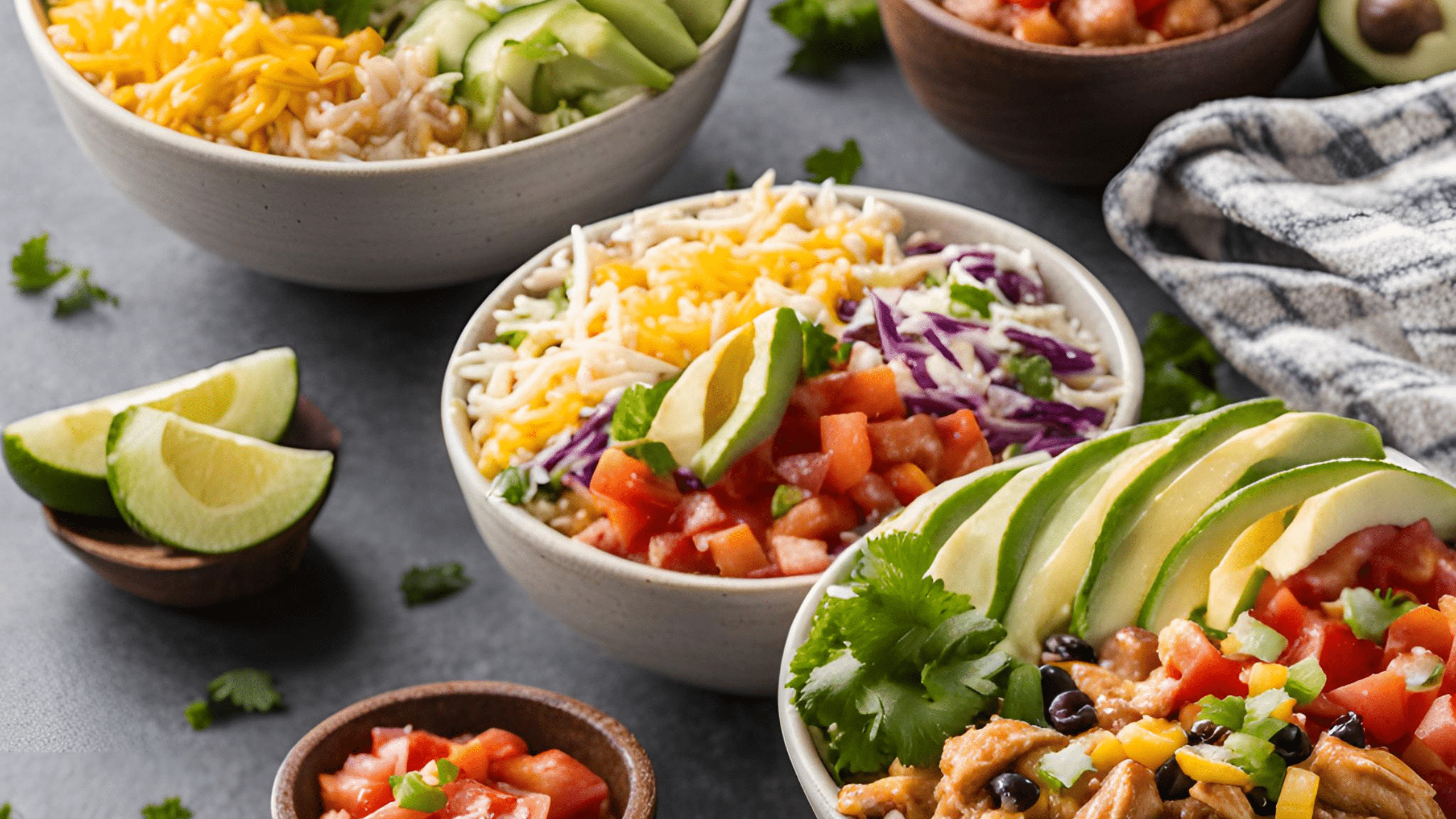
- Protein Powerhouse – Your body might crave chicken burrito bowls for their protein-packed punch to refuel your energy.
- Spicy Signals – Spices in bowls activate pleasure zones in your brain, making them irresistibly tempting.
- Comfort in a Bowl – The warm, hearty mix of ingredients can trigger nostalgic feelings of home-cooked meals.
- Custom Cravings – With endless topping options, they are tailored perfectly to your taste buds’ wishes.
- Brain Boost – Ingredients like avocado and beans are linked to brain health, which might be why you desire them.
- Gut Goals – Your cravings could stem from your gut bacteria screaming for fiber-rich beans and veggies.
- Perfect Balance – Their carbs, protein, and fats blend satisfies your body’s call for balanced nutrition.
Conclusion
Cravings for chicken burrito bowls often go beyond just wanting the food—they may reflect a more profound desire for nourishment, fulfillment, or comfort. These cravings are your body and mind’s way of communicating, and by listening to them, you can uncover insights about yourself that go far beyond what’s on your plate.
Journaling and mindful exploration can help you connect with your physical and emotional needs. It doesn’t have to be overwhelming—start small. Identify one craving, jot it down, and reflect on what it might reveal. Each entry you make clarifies how to nourish both your body and your spirit.
If you’re ready to take that first step, download the free Eating Enlightenment Journal App. It’s designed to guide you toward understanding your cravings, breaking unhealthy cycles, and fostering a healthier relationship with food. Start uncovering the truth behind your cravings—one journal entry at a time. Your path to clarity and balance starts here!