


Pseudomonas bacteria are fascinating yet concerning microorganisms that play a significant role in human health.
While they are commonly found in various environments, including soil, water, and even on the skin, their impact can be profound, especially in healthcare settings.
Understanding the symptoms of Pseudomonas infections is crucial for health professionals.
By recognizing these symptoms early, you can provide timely treatment, thereby improving patient outcomes.
In this blog post, we will explore Pseudomonas bacteria, the types of infections they cause, and how to identify and treat them effectively.
We’ll also discuss strategies for preventing the spread of these bacteria in healthcare settings. By the end of this article, you will be well-equipped with essential knowledge to enhance your practice and safeguard your patients’ health.
What Is Pseudomonas Bacteria
Pseudomonas is a genus of bacteria that includes over 150 species. Among these, Pseudomonas aeruginosa is the most notorious for causing human infections.
This bacteria thrives in moist environments and is known for its resilience against antibiotics and disinfectants, making it a significant concern in clinical settings.
Most people encounter Pseudomonas without any harm. Our immune systems are typically strong enough to fend off these bacteria.
However, for individuals with weakened immune systems or underlying health conditions, Pseudomonas can lead to severe infections.
These infections often occur in hospitals or long-term care facilities, where vulnerable patients are at higher risk.
The unique characteristics of Pseudomonas bacteria make them particularly dangerous. They can survive in various conditions, resist many forms of treatment, and rapidly adapt to environmental changes.
This adaptability poses challenges in infection control and highlights the importance of vigilance among healthcare providers.
Understanding Pseudomonas Infections
Pseudomonas infections can manifest in various forms, affecting different body parts. The most common types include:
- Respiratory Infections
Pseudomonas aeruginosa frequently causes pneumonia, especially in patients with chronic lung diseases like cystic fibrosis or COPD. Symptoms include:
- Coughing that may produce green or yellow mucus.
- Chest pain that worsens with breathing or coughing.
- Shortness of breath or wheezing, indicating compromised lung function.
In immunocompromised patients, pneumonia can develop rapidly and require immediate medical intervention.
- Wound Infections
Wounds, especially those from surgical procedures or pressure ulcers, can become infected with Pseudomonas. Signs of infection include:
- Increased redness and warmth around the wound site.
- Swelling and pain that intensifies over time.
- Discharge that may appear green or blue, a characteristic feature of the bacteria.
Proper wound care and hygiene are essential to prevent these infections.
- Urinary Tract Infections (UTIs)
Pseudomonas can also lead to urinary tract infections, particularly in patients with urinary catheters. Symptoms may include:
- Frequent urination accompanied by a burning sensation.
- Cloudy or foul-smelling urine.
- Lower abdominal discomfort or fever.
Prompt diagnosis and treatment are vital to avoid complications associated with UTIs.
- Bloodstream Infections
Sepsis is a severe and life-threatening condition caused by Pseudomonas bacteremia. Symptoms may include:
- Fever and chills indicate an inflammatory response.
- Rapid heartbeat or low blood pressure, signaling shock.
- Confusion or disorientation reflects the body’s systemic response.
Healthcare professionals must act swiftly when sepsis is suspected to improve survival rates.
Identifying Pseudomonas Infections
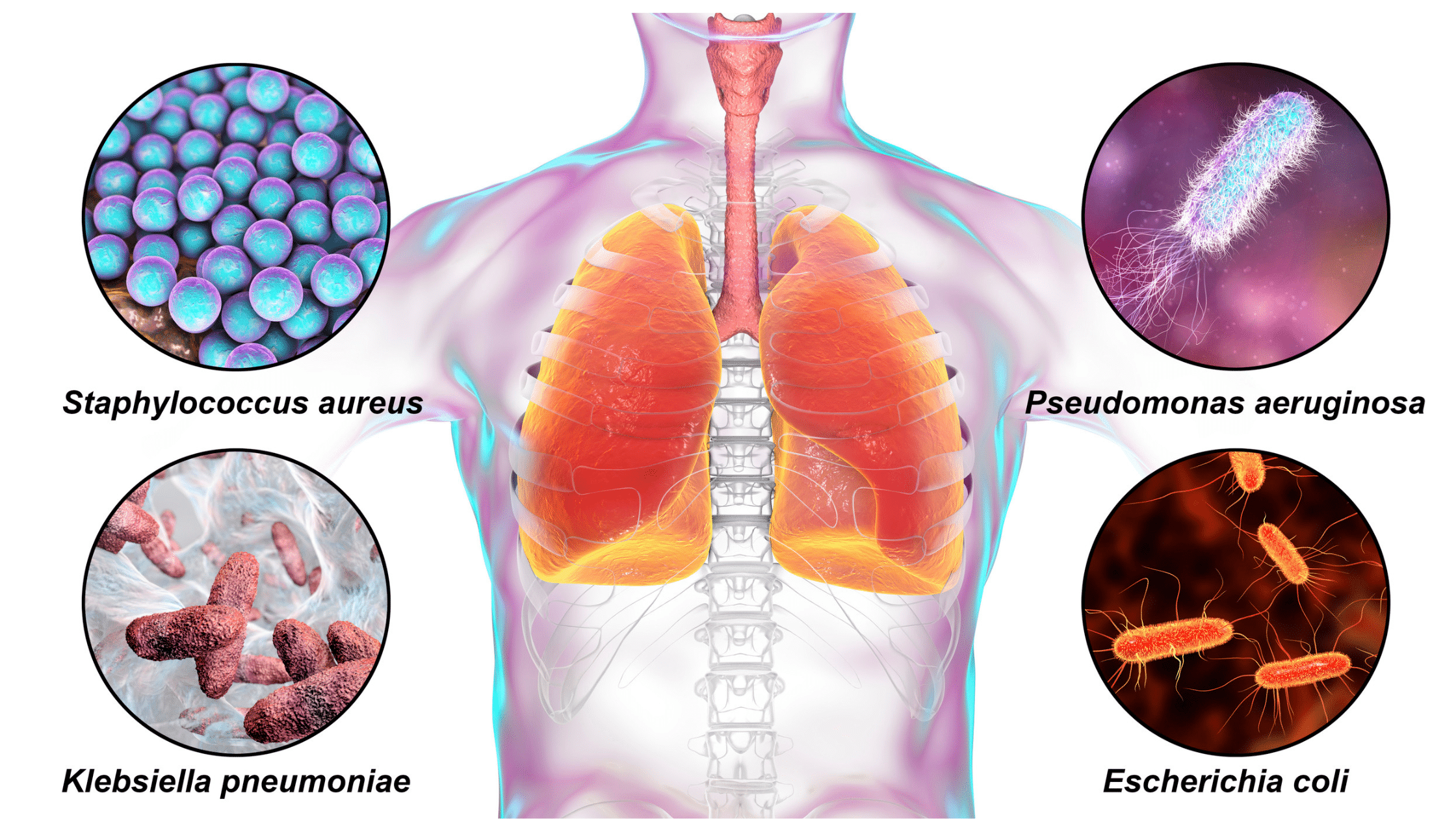
Recognizing the symptoms of Pseudomonas infections is critical for timely intervention. Health professionals should be aware of the following common symptoms associated with Pseudomonas-related illnesses:
Respiratory Symptoms
If patients present with respiratory complaints, it’s essential to assess for the following:
- Persistent cough with colored sputum.
- Fever alongside respiratory distress.
- Signs of worsening asthma or COPD.
Wound Assessment
For patients with wounds, a thorough examination is necessary to identify:
- Changes in wound appearance, including increased drainage or discoloration.
- Signs of systemic infection, such as fever or chills.
- Patient-reported pain that is disproportionate to the visible injury.
Urinary Symptoms
In patients with UTIs, look for:
- Changes in urinary habits, such as increased urgency or frequency.
- Discomfort during urination, which can indicate infection.
- Presence of blood in urine or changes in urine color.
It’s essential to maintain a high index of suspicion, especially in immunocompromised individuals or those with existing health issues.
Diagnosis and Treatment
Diagnosing Pseudomonas infections involves clinical evaluation and laboratory testing. Key steps include:
- Clinical Evaluation
Health professionals should thoroughly assess patient history, presenting symptoms, and risk factors. Understanding the patient’s environment, history of hospitalization, and prior antibiotic use can provide valuable context.
- Laboratory Tests
Confirmatory testing is crucial for accurate diagnosis. Common tests include:
- Culture and sensitivity testing to identify the specific strain of bacteria and determine its antibiotic resistance.
- Blood tests to detect markers of infection, such as elevated white blood cell counts or inflammatory markers.
- Imaging studies (e.g., X-rays or CT scans) may be necessary to assess lung involvement in respiratory infections.
- Treatment Options
Once diagnosed, treatment options for Pseudomonas infections may include:
- Antibiotics are tailored to the specific strain identified through culture tests. Common choices include piperacillin-tazobactam and ceftazidime.
- Combination therapy may be employed in severe cases to combat resistance.
- Supportive care, such as oxygen therapy for pneumonia or fluid resuscitation in cases of sepsis, is also crucial.
Collaboration among healthcare teams ensures patients receive comprehensive care tailored to their needs.
Preventing Pseudomonas Infections

Prevention is critical in controlling the spread of Pseudomonas bacteria, especially in healthcare settings. Here are some best practices:
- Hand Hygiene
Encourage rigorous hand hygiene protocols among healthcare staff, patients, and visitors. Regular and effective handwashing significantly reduces the transmission of infections.
- Environmental Controls
Maintain clean and dry environments, as Pseudomonas thrives in moist settings. Regular disinfection of surfaces, especially in shared spaces, is vital.
- Proper Wound Care
Ensure that wounds are cleaned and appropriately dressed. Educating patients about the importance of keeping surgical sites clean can prevent infections.
- Catheter Management
Implement strict protocols for urinary catheter usage and maintenance. Limiting catheter use will reduce the risk of UTIs caused by Pseudomonas.
- Antibiotic Stewardship
Encourage judicious use of antibiotics to help prevent resistance. This includes ensuring that antibiotics are prescribed only when necessary and that the correct course is followed.
By fostering a culture of prevention, healthcare professionals can mitigate the impact of Pseudomonas infections.
How can I tell whether I have a bacteria called Pseudomonas?
Identifying Pseudomonas bacteria often involves recognizing symptoms like skin rashes, ear infections, or respiratory issues.
Visit a healthcare provider for an accurate diagnosis through lab tests. Prioritize holistic wellness and seek professional guidance for effective treatment.
Is there a cure for pseudomonas bacteria?
Treatment for Pseudomonas bacteria typically involves antibiotics, but the specific approach depends on the infection’s location and severity.
Working closely with a healthcare provider to create a tailored treatment plan is essential. Embrace a holistic approach to wellness for overall healing and prevention.
How can I determine whether my body is infected with bacteria?

To determine if your body is infected with bacteria, look for signs like fever, fatigue, swelling, or localized pain.
Consult a healthcare professional for accurate testing and diagnosis. Embrace a holistic approach to supporting your body’s natural defenses and overall wellness.
Which seven factors lead to infection?
- Poor Hygiene: Regular handwashing and cleanliness are essential to prevent infections.
- Weakened Immune System: Chronic illness or stress can impair your body’s defenses.
- Close Contact with Infected Individuals: Proximity to sick people increases the risk of transmission.
- Contaminated Food or Water: Consuming unsafe food or water can introduce harmful bacteria into your body.
- Environmental Factors: Polluted air or unsanitary conditions can harbor infectious agents.
- Compromised Skin Integrity: Cuts, wounds, or surgical sites can become entry points for bacteria.
- Lack of Vaccination: Skipping vaccines can leave you vulnerable to certain infections.
Conclusion
Understanding Pseudomonas bacteria and their symptoms is crucial for health professionals. These bacteria can lead to severe infections that pose significant risks, particularly in vulnerable populations.
Recognizing the signs early and implementing effective diagnostic and treatment strategies can enhance patient care.
Preventing the spread of Pseudomonas is equally essential. By adopting best practices in hygiene, environmental control, and wound management, healthcare facilities can create safer environments for patients.
If you want to educate yourself on infectious diseases further or improve your facility’s protocols, consider exploring additional resources.
You have a crucial role in safeguarding public health, and your dedication to learning is the first step toward making a difference.