


Have you caught yourself daydreaming about the creamy swirl of a matcha latte, its vibrant green hue almost too pretty to drink? Maybe you’ve passed a café and felt drawn to the chalkboard sign boasting “Artisan Matcha” or scrolled past countless Instagram posts of frothy, jade-colored beverages adorned with heart-shaped foam.
If so, you’re not alone. Matcha has captivated the hearts (and cravings) of wellness seekers and tea lovers alike—and there’s something deeper at play here than just trendy aesthetics.
This vibrant powdered green tea isn’t just about looks; it’s a cultural icon, a calming ritual, and a source of feel-good energy that resonates in our fast-moving world. Like many others, it’s no wonder you might find yourself craving it—whether for its earthy flavor, promises of health benefits, or simply the mindful escape it seems to offer.
But what’s behind these cravings? What is your body—or maybe even your mind—telling you when matcha calls your name?
In this article, we’ll explore five reasons you might be craving matcha and uncover its unique qualities, which make it irresistible.
We’ll also introduce journaling, a powerful tool for profoundly understanding your cravings. Turn that next matcha desire into an opportunity for insight, self-discovery, and mindful indulgence.

Reason #1: Matcha’s Unique Nutritional Profile
Matcha is well-known as a nutritional powerhouse. It is packed with antioxidants, including the mighty EGCG (epigallocatechin gallate), which helps the body combat free radicals and reduce inflammation.
Another standout feature is its natural caffeine content combined with L-theanine, an amino acid that promotes relaxation and sustained focus without the jitters commonly associated with coffee. It provides a steady stream of calm yet energized clarity, which your body may crave if you’re tired, stressed, or mentally sluggish.
Journaling Prompt:
“What brings me to crave matcha? Am I seeking more energy, calmness, or a moment to care for myself?”
This prompt can help you understand why your body or mind craves matcha, clarifying how to nourish yourself more effectively.
Reason #2: Emotional Comfort and Mindful Rituals
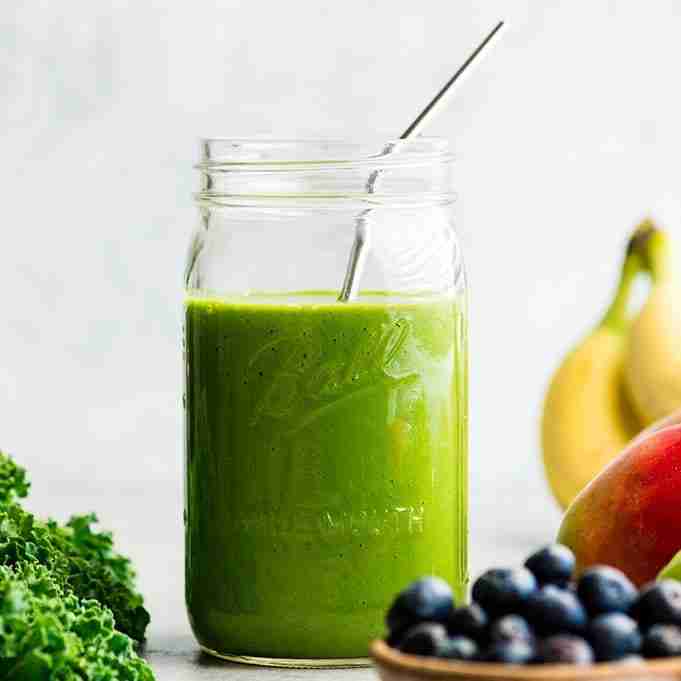
The act of preparing matcha isn’t just a means to an end; it’s often a ritual in itself. The meditative process of whisking matcha into its creamy, frothy form and savoring its warmth engages multiple senses.
Many find this process grounding, a form of mindfulness that creates a calm escape from life’s busyness. Your craving might reflect a desire for this moment of peace—a small ritual of care that feels indulgent yet deeply restorative.
Imagine Karin, a busy professional who whisks her matcha for five minutes each morning. “It’s my moment to reset,” she says. Preparing the drink helps me feel centered before the chaos of my day starts.”
Journaling Prompt:
“How do I feel when I take time to prepare a matcha drink? What emotions come up during this process?”
Reflecting on these feelings might help uncover how such rituals express your emotional needs for calm, focus, or presence.
Reason #3: The Flavor Connection

Matcha’s earthy, umami-rich flavor is anything but ordinary. For some, this unique taste bridges the gap between sweet and savory, refreshingly diversioning from overly processed or monotonous food choices.
If you’ve been stuck in a routine or consuming repetitive flavors, your taste buds might nudge you toward variety and vibrancy. Matcha offers a sensory break—an exciting and grounding flavor.
Journaling Prompt:
“Is my craving for matcha about the taste, or is it my body asking for something different from what I typically consume?”
Tuning into the role of flavor in your cravings might encourage you to explore how your diet can be both nutritionally sound and satisfying.
Reason #4: Matcha as a Wellness Trend
These days, matcha is more than just a drink; it’s a cultural icon woven into the fabric of modern wellness trends. Whether showcased in Instagram-worthy lattes or in routines of influencers you admire, matcha has become a symbol of balance and self-care.
Your craving might have less to do with the drink and more with what it represents—a lifestyle or community that prioritizes mindfulness, creativity, and health.
Journaling Prompt:
“Am I craving matcha because I desire connection with a certain lifestyle or community?”
This reflection allows you to evaluate how external influences, such as social media and culture, shape your choices and how to align those choices with your more profound goals and values.
Reason #5: Nutritional Needs and Lore of Balance

Sometimes, cravings act as signals from your body about imbalances or unmet needs. With its high antioxidant content, gentle energy boost, and calming properties, Matcha might appear in your thoughts when your body craves balance or relief from stress.
Matcha’s holistic benefits—nutrients and soothing qualities—might make it a beacon for achieving harmony between body and mind.
Journaling Prompt:
“What might my body be asking for when I crave matcha? Nutrients, calmness, or grounding?”
Explore how your cravings align with broader dietary patterns or lifestyle changes that may help bring balance and stability.
5 Common Myths About Cravings for Matcha

Matcha is loved for its unique flavor and calming energy, but misconceptions about cravings for this green tea powder persist. Here’s the truth about five common matcha myths, clarified and simplified.
Myth 1: Craving Matcha Means a Caffeine Addiction
Reality: Matcha contains caffeine, but its calming L-theanine balances the effect, promoting focus without jitters. Your craving may signify a preference for matcha’s smooth energy boost, not addiction.
Tip: Begin with a smaller serving to enjoy the benefits without overdoing it.
Myth 2: It’s Just a Trendy Craving
Reality: While matcha is trendy, its cultural roots go back centuries. Cravings often reflect an appreciation for its soothing preparation ritual, not just its popularity on Instagram.
Tip: Treat matcha cravings as a chance for a mindful, calming moment.
Myth 3: Cravings Mean Nutrient Deficiency
Reality: Matcha is nutrient-rich, but cravings don’t always indicate a deficiency. You may enjoy matcha’s antioxidants, like EGCG, which support health and reduce inflammation.
Tip: Incorporate matcha into a balanced diet—try smoothies or lattes.
Myth 4: Matcha Cravings Lead to Overconsumption
Reality: Unlike sugary treats, matcha’s steady energy rarely triggers binge-like habits. Its naturally mild sweetness satisfies without excess.
Tip: Opt for unsweetened or lightly sweetened matcha to stay in control.
Myth 5: Cravings Are Always Emotional
Reality: While stress or emotions may spark matcha cravings, they can also reflect a desire for balance or calm in your routine.
Tip: Reflect on your body’s needs—energy, calm, or a comforting ritual.
Matcha cravings often lead to opportunities for self-care and mindful habits. Sip, savor, and enjoy!
What Your Matcha Cravings Might Be Telling You
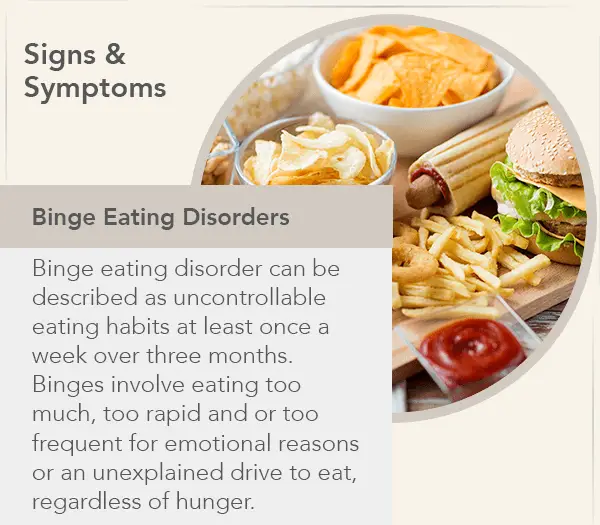
Craving matcha isn’t just about its soothing flavor or gentle energy boost—it might also carry more profound messages about what your body or emotions need. Whether it’s physical nourishment, a moment of calm, or even a stress reaction, matcha cravings have layers worth exploring.
Cravings can sometimes reflect patterns beyond hunger, like the binge-diet cycle. This cycle starts with restrictive eating, triggering intense cravings when deprivation sets in.
For some, matcha represents balance or relief, yet if cravings feel compulsive or urgent, they could signal underlying stress or even tie into binge eating behaviors.
Signs to Look Out For
- Frequent, uncontrollable cravings.
- Turning to matcha as a comfort or escape from emotions.
- Guilt or stress if you can’t have it.
How Eating Enlightenment Addresses These Patterns
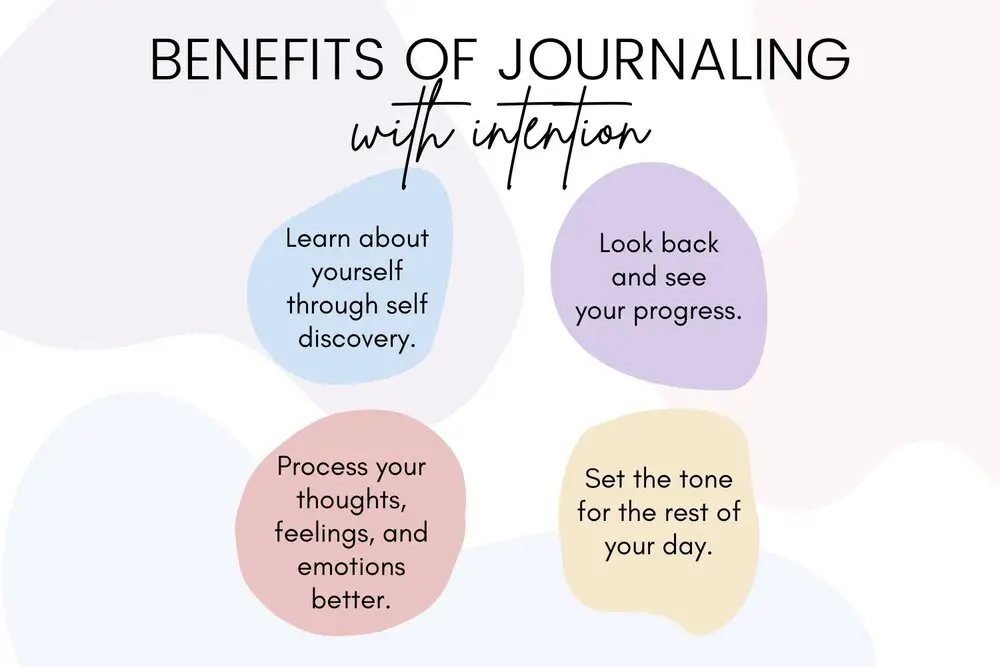
Eating Enlightenment helps develop mindful eating habits in three reflective steps to handle cravings compassionately.
Step 1) Nutritional Journaling
Track your matcha consumption and how it affects your energy. Notice if it addresses physical hunger or still leaves you seeking more.
Prompt: “How does my energy feel before and after having matcha?”
Step 2) Mindfulness of Triggers
Journal when cravings hit to uncover emotional links or external triggers.
Prompt: “What was happening or how was I feeling before I craved matcha?”
Step 3) Heal Emotional Connections
Through journaling, listen to what your craving might be trying to tell you. Explore unmet needs or emotional patterns tied to matcha.
Prompt: “If this craving had a voice, what would it ask for right now?”
By peeling back the layers of matcha cravings, you can uncover insights about your deeper needs and develop a more balanced and intuitive approach to eating.
Conclusion:
Cravings are more than desires—insights into your body and mind. Matcha, with its calming ritual and health benefits, can nurture both. By reflecting on these cravings, you can connect more deeply with yourself while enjoying matcha’s energy and antioxidant boost.
Use the Eating Enlightenment Journal App to track cravings, uncover patterns, and foster mindful habits. Try matcha recipes, take the free food relationship quiz, or book a complimentary Enlighten Chat for guidance. Start your mindful eating journey with matcha as your first step.