

Have you ever caught yourself pouring ketchup onto almost everything, wondering, “Why can’t I get enough of this stuff?” Don’t worry—you’re not the only one to experience this tangy obsession! Food cravings like these may seem random, but they often hold clues about what your body or mind is trying to tell you.
Whether it’s the sweet and savory kick, a comforting childhood habit, or something more profound, there’s a reason behind your sudden urge for ketchup.
Join me as we explore five surprising reasons for ketchup cravings and how they might reveal more about your nutrient needs, emotions, and habits.
Together, we’ll break it down so you can uncover what’s going on—and learn some simple ways to manage those cravings while staying in tune with your body. After all, every craving has a story; let’s find out yours!

Reason #1: Nutritional Deficiency
- Explanation: Cravings for tomato-based products like ketchup might indicate a deficiency in specific nutrients, such as vitamins A, C, or iron.
- Scientific Insight: According to Healthline, a craving for tomatoes can be linked to a need for these nutrients.
- Journaling Prompt: Reflect on your recent diet. Are you getting enough of these essential nutrients?
Reason #2: Psychological Factors

- Explanation: Sometimes, cravings are more about emotions than physical needs. Stress or emotional eating can lead to a desire for comfort foods like ketchup.
- Expert Opinion: The Nutrition Source suggests that emotional triggers can significantly affect food cravings.
- Journaling Prompt: When you reach for ketchup, what emotions do you feel? Is it comfort, nostalgia, or something else?
Reason #3: Habitual Preferences
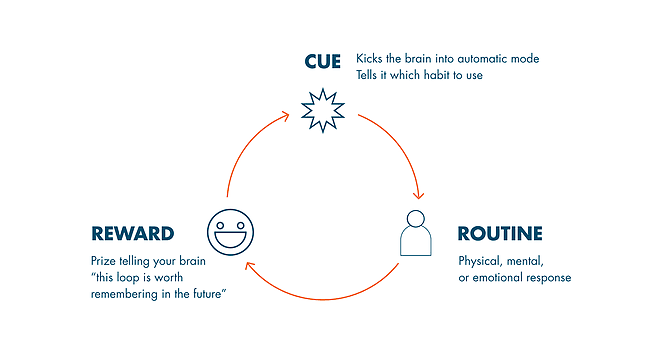
- Explanation: If ketchup has been a staple in your meals since childhood, your craving might be a matter of habit.
- Insight: Habits can strongly influence our food choices, often without us realizing it.
- Journaling Prompt: Track your ketchup consumption over a week. Is it a habit or a genuine craving?
Reason #4: Sensory Appeal
- Explanation: Ketchup’s tangy, sweet, and savory flavors can be incredibly appealing, making it a go-to condiment for enhancing meals.
- Insight: Sensory cravings are common and can be satisfied by exploring similar flavors in healthier options.
- Journaling Prompt: Explore other foods with similar flavors. How do they compare to your ketchup craving?
Reason #5: Binge Eating Disorder
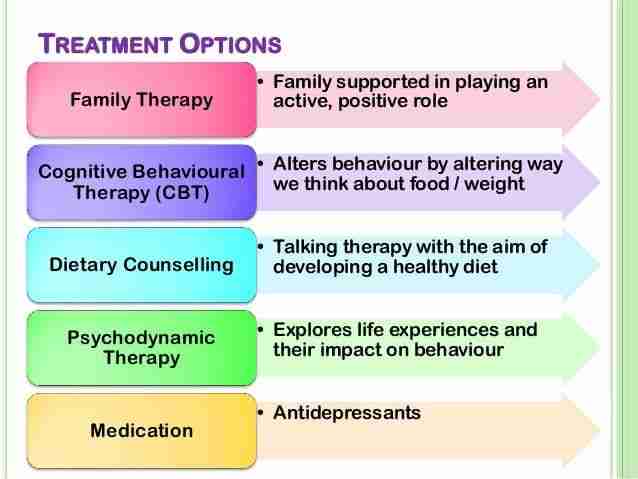
- Explanation: Persistent cravings might be a sign of a deeper issue, such as binge eating disorder, where cravings are part of a cycle of restriction and bingeing.
- Insight: Understanding the binge diet cycle can help address these cravings more effectively.
- Journaling Prompt: Reflect on your eating patterns. Do you notice a cycle of restriction and bingeing?
Fun Facts About Ketchup Cravings

Ketchup is more than just a simple condiment—it’s a worldwide obsession, inspiring everything from cravings to historical intrigue.
If you’ve found yourself squeezing that bottle too often or are just curious about this saucy staple, here’s a list of fun facts about ketchup cravings that will surprise and delight you.
1. Your Cravings Might Mean You Need Nutrients
Craving ketchup isn’t just about taste. It could be your body telling you it needs specific nutrients. Tomatoes in ketchup are packed with vitamin C, potassium, and even a little iron. If you’re low on these, you might pour ketchup onto just about everything to fill the gap.
Did You Know?
Ketchup also contains lycopene, a powerful antioxidant that promotes heart health—a solid excuse for that extra dollop!
2. Ketchup Used to Be Medicine
Believe it or not, ketchup had its big moment in the medical world. In the 1830s, an Ohio physician named Dr. John Cook Bennett claimed that tomatoes (and ketchup by association) could cure ailments like indigestion and diarrhea. He even sold it as a “tomato pill.”
Curious Historical Tidbit
Although its medicinal claims didn’t last, ketchup’s popularity skyrocketed, paving the way for major producers like [Brand] to dominate the market.
3. Cravings Can Be Linked to Sweetness
The hidden sugar might be hooking you if you can’t stop dipping your fries. Most ketchup recipes contain added sugar, making it sweet and addictive. Our brains love sweet and savory combos, so it’s no wonder ketchup hits the spot.
Regional Quirks
While the U.S. prefers its ketchup sweeter, in [Country], versions with a tangier, spicier profile often dominate. Could you swap your ketchup for a regional variety? It’s worth tasting!
4. Not Just For Fries—Ketchup Gets Creative
Your ketchup cravings, like burgers and fries, may have you reaching beyond the usual suspects. Across the globe, chefs and food enthusiasts have creatively used ketchup in recipes ranging from sweet glazes to the base for unique cocktails. Some even use ketchup as a hair treatment in a pinch (yes, really)!
Global Twist
This condiment knows no bounds, from ketchup-slathered omelets in Japan to tangy dips paired with plantains in [Country].
5. Did You Know It Wasn’t Always Red?
When ketchup first appeared, it wasn’t made from tomatoes. Its origins trace back to Southeast Asia, where fermented fish sauces—known as “kê-chiap”—were the starting point. The iconic red tomato ketchup wasn’t introduced until the 19th century in the Western world.
Fun Fact for Foodies
[Country] still uses variations of the original fermented variety, giving ketchup an exciting cultural twist for those willing to explore beyond its modern tomato foundation.
6. Ketchup Cravings Can Be Emotional
Craving ketchup could also be about nostalgia. If ketchup was a staple in your childhood—think school lunches, family BBQs, or favorite snacks—your brain might connect it with comfort and joy. Emotional eating is actual, and comforting memories can amplify your craving.
Journaling Exercise
Next time a craving strikes, journal about your feelings. Are you overwhelmed, homesick, or stressed? Recognizing these patterns can help deepen the relationship between your cravings and emotions.
7. It’s the Best-Selling Condiment (in Some Places)
Depending on where you live, ketchup might reign as the top-selling condiment. However, in places like [Country], preferences lean toward mayonnaise or chili sauce, making ketchup a second choice. Still, brands like [Brand] have ensured ketchup’s spot in households across continents.
Consumer Love
Fun fact—a ketchup bottle is sold every second in the U.S. alone! That’s a whole lot of tomato sauce.
8. The Rise of Fancy Ketchup
If you’re part of the ketchup-craving crowd, you’ve probably noticed a rise in gourmet ketchup lately. Brands offer varieties infused with truffle oil, spicy sriracha, or even mango for a fancier twist on your go-to condiment. These can satisfy a wide range of cravings, from sweet to spicy.
Culinary Suggestion
Spice up your burger game with a smoky chipotle ketchup, or swap your usual fries for zucchini sticks with a tangy ketchup dip.
Conclusion:
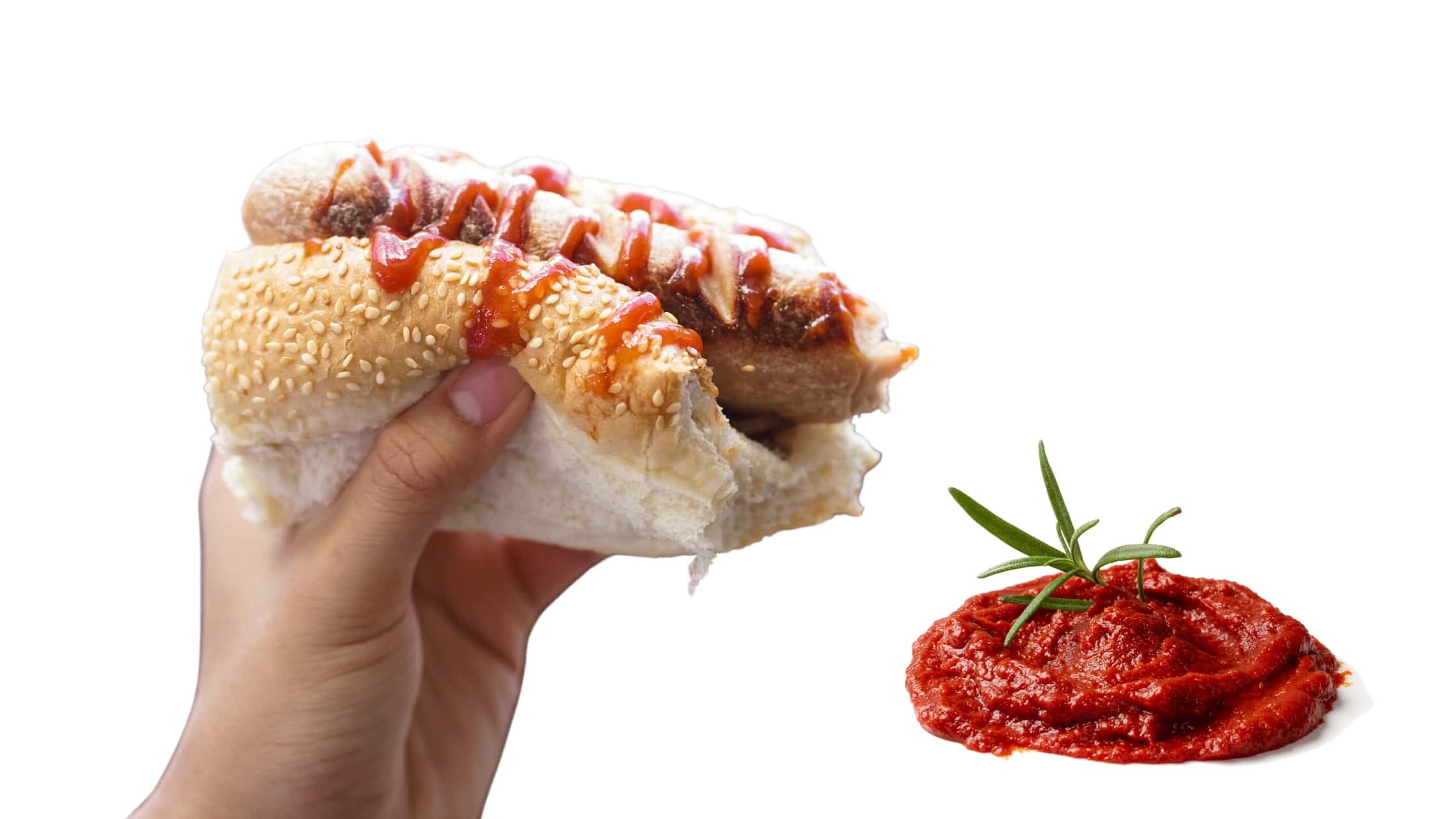
Craving ketchup might seem like a simple desire, but as we’ve uncovered, there’s often much more beneath the surface.
Understanding these cravings can reveal valuable insights about your health, habits, and well-being, whether it’s your body signaling nutritional needs, emotional comfort rooted in nostalgic flavors, or the appeal of ketchup’s irresistible sweetness.
Exploring these signals means listening to your body and meeting its needs meaningfully.
Now, it’s your turn to take control and uncover the stories behind your cravings. The Eating Enlightenment Journal App is the perfect companion on this journey. You’ll see the connections between your cravings and overall lifestyle by journaling your meals, emotions, and daily patterns.
This step-by-step process helps manage cravings and gives you the tools to cultivate balance, mindfulness, and a healthier relationship with food.
Don’t ignore your cravings—embrace them as opportunities for self-discovery and growth! Download the Eating Enlightenment Journal App today to gain deep insights into your eating habits and build the clarity and confidence you need for a nourishing, stress-free food relationship.
Understanding your cravings is the first step toward reclaiming your wellness and balance. You’ve got this—happy journaling!