

The crackling of sizzling meat on a grill, the fiery red of gochujang-infused sauces, the addictive crunch of crispy Korean fried chicken. Can you smell it? Can you almost taste it? Korean food can grab hold of your cravings and not let go. This perfect mix of bold flavors, comforting warmth, and vibrant colors makes it impossible to ignore.
I remember the first time I stumbled into a Korean BBQ restaurant with a friend, not knowing what to expect. The aroma of grilled sesame-topped beef filled the air as servers brought out banchan—tiny plates of kimchi, pickled radish, and seasoned spinach. Each bite was an explosion of flavor, from the satisfying tang of fermented cabbage to the smoky sweetness of bulgogi. I left with a belly full of food and a mind full of questions. Why did I instantly crave more?
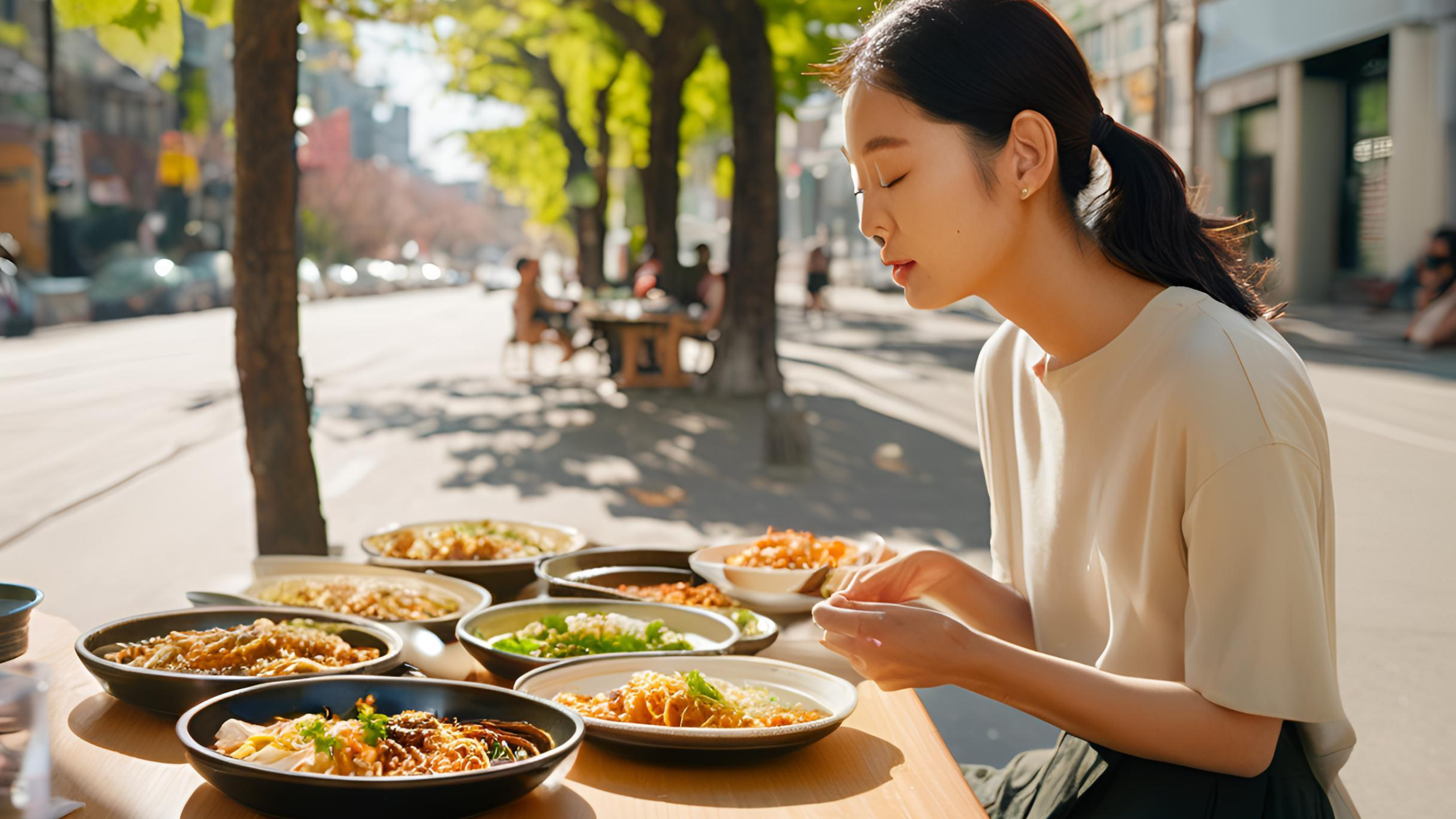
Food cravings are powerful. They can feel like a sudden urge or a longing you can’t quite explain. Whether it’s the spicy kick of the umami-packed depth of doenjang jjigae or the healing nourishment, Korean cuisine seems tailor-made to trigger a mix of curiosity, nostalgia, and even physical need.
But cravings don’t just come out of nowhere. They often try to tell us something—whether about our bodies, emotions, or memories. And that’s what this blog post is about—exploring the why behind your Korean food cravings. Together, we’ll uncover 11 compelling reasons, from cultural connections to nutritional insights. Along the way, I’ll introduce simple journaling techniques inspired by the Eating Enlightenment approach to help you better understand these cravings and what they mean for your overall well-being.
You might be here because you love the adventure of Korean flavors or because you’ve been binge-watching K-dramas that always make food look irresistibly good. Maybe you’re seeking warmth and comfort—or just that perfect sweet-and-spicy balance. Whatever brought you here, get ready to discover the secrets behind your cravings and how to explore them with mindfulness and a little self-discovery.
Grab your favorite snack (or that jar of kimchi in the fridge)—this might be the first step toward understanding your cravings better and enjoying Korean food even more. Let’s dig in!
#1 The Comfort of Warm, Savory Flavors
Have you felt that pull toward something warm, savory, and utterly satisfying? Korean dishes like kimchi jjigae (spicy kimchi stew) or bibimbap (mixed rice bowls) are the epitome of comfort. The tangy, fermented notes of kimchi blend with the rich broth and tender tofu in a steaming bowl of stew—it’s like a hug in culinary form.
Cravings like these often arise when we’re seeking nourishment not just for our stomachs but for our emotions. Maybe it’s been a tough week, or the weather has turned chilly, leaving you yearning for the soothing warmth of a hearty dish. These cravings thrive on nostalgia and a desire for self-care through food.
Journaling Prompt: What feelings or memories about hearty, comforting meals come to mind? How might your current mood or stress levels connect to this craving?
#2 A Desire for Spicy Heat
Is your craving all about that fiery punch with Korean chili pastes and spices? Think about toktokkie, those plump rice cakes swimming in a vibrant red, spicy-sweet sauce. The star ingredient here, gochujang, delivers a zesty kick that wakes your taste buds and keeps you coming back for more. Scientifically, spicy foods release endorphins, your body’s feel-good chemicals, which might explain why you reach for heat during dull or stressful moments.
Spicy cravings can symbolize a need to inject excitement or energy into your life, especially if things have felt repetitive or bland.
Journaling Prompt: What role does excitement or stimulation play in your life? Are you craving any sense of “adrenaline” beyond food?
#3 The Famous Korean Harmony of Flavors
Korean food strikes a harmonious balance rarely found elsewhere. Dishes like galbi (marinated short ribs) or japchae (stir-fried glass noodles) seamlessly blend sweet, salty, sour, spicy, and umami flavors. This perfect equilibrium might echo a subconscious longing for balance in your own life.
Perhaps you’re juggling too many responsibilities or feel spread thin—much like dishes that need numerous components to work together. Your craving for balance in cuisine might reflect your desire for equilibrium in other areas.
Journaling Prompt: What areas in your life feel off-balance? Could this craving reflect something more profound than food?
#4 Exploring a Love for Fermented Foods
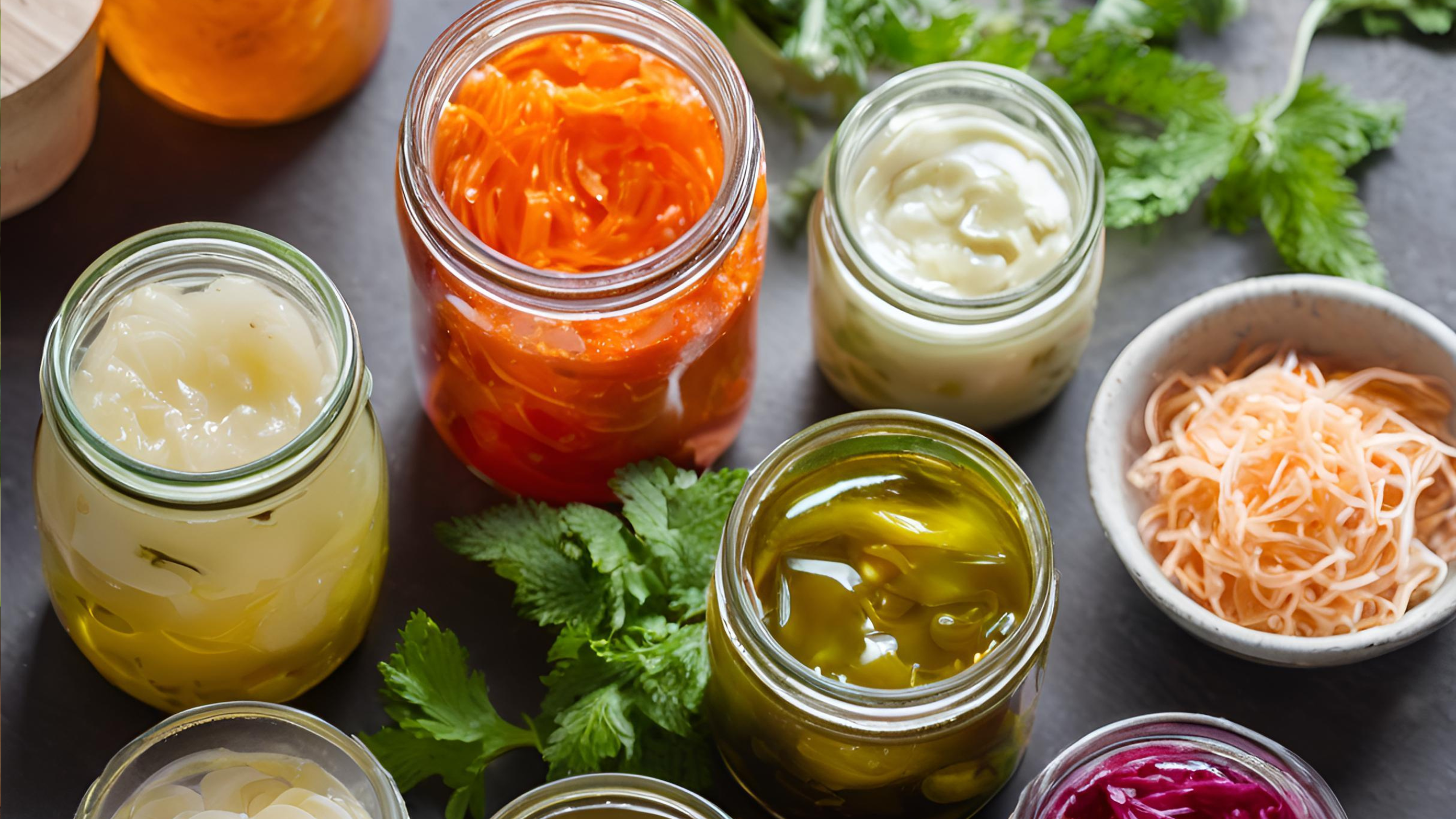
Fermented ingredients like kimchi and doenjang (fermented soybean paste) are Korean cuisine’s superheroes. Beyond their bold flavor, they come packed with probiotics, boosting digestive health and immune function. If you’re drawn to these tangy and slightly funky flavors, your body might signal a need to improve gut health.
Gut-brain connection research shows that what’s happening in your gut might influence your mood and vice-versa. Listening to your cravings for fermented foods can offer valuable insights into your physical health.
Journaling Prompt: How has your digestion been lately? Do you notice changes based on stress, diet, or other habits?
#5 Cultural Curiosity and Nostalgia
Have you recently binged a K-drama, marveling at the steaming bowls of noodles or sizzling grills? Korean cuisine often carries a sense of adventure, cultural intrigue, or even nostalgia for travelers who’ve experienced authentic Korean dishes firsthand.
For example, when I visited Seoul, I’ll never forget the bustling street markets where vendors handed me hotteok (sweet pancakes) fresh from the pan. Cravings linked to cultural elements like food or travel often refer to joyous memories or a wish to create new ones.
Journaling Prompt: What feelings of curiosity or nostalgia come up when you think about this craving? Are there experiences or memories you’re longing to recreate?
#6 The Allure of Korean Barbecue
There’s something magnetic about the sizzle of samgyeopsal (grilled pork belly) or the smoky char of marinated bulgogi beef cooked right at your table. Korean BBQ isn’t just about the food but the communal experience. Sharing side dishes, wrapping grilled meats in lettuce leaves—it creates a sense of connection and celebration.
Cravings for Korean BBQ might reveal a longing for togetherness and bonding. Food isn’t just sustenance; it’s a way to bring people together and make memories.
Journaling Prompt: When did you last share a meal with loved ones? Could this craving reflect a longing for togetherness?
#7 Umami Cravings and Nutrient Needs

Korean cuisine boasts rich, umami-packed ingredients like seaweed, anchovy stock, and gochujang. If you’ve been drawn to these savory, mouth-filling flavors, there’s a chance your body is trying to tell you it’s craving essential minerals like iodine or protein-packed foods.
Tuning into nutrient-based cravings can be an extraordinary step toward understanding your body’s needs.
Journaling Prompt: What did your meals look like this past week? Are there nutrients you might be missing out on? How can you identify patterns in your journaling?
#8 Seeking Texture Variety
Are you craving the chewy, doughy bite of tteokbokki or the ultra-crispy skin of Korean fried chicken slathered in sticky-sweet sauce? Korean food delivers a sensory hit with its impressive range of textures, from crunchy to soft and everything in between.
This craving often points to sensory satisfaction beyond just flavor. Texture can provide comfort, excitement, or even catharsis when battling overstimulation or monotony in other areas of life.
Journaling Prompt: Does texture play a big role in your food preferences? What does this craving say about your emotional landscape?
#9 Cravings for Bold and Unique Flavors

Korean cuisine’s intense, unapologetically bold taste might mirror a thirst for adventure. Dishes like fiery ramyeon (Korean instant noodles) or tangy bossam (boiled pork wraps) flood your senses with complexity, making every bite an experience.
Food this daring can evoke freedom and unpredictability—qualities we might find missing in our daily routines.
Journaling Prompt: What other ways you can invite boldness or variety into your life?
#10 Healing Properties in Korean Food
Did you know many Korean dishes feature medicinal ingredients? From soothing ginseng teas to samgyetang (chicken ginseng soup), these meals emphasize nourishment and healing. If you’re drawn to these foods, your cravings might reveal a need for comforting, healthful sustenance during stressful times.
Even garlic-loaded recipes, like those drenched in black garlic glaze, offer anti-inflammatory benefits while keeping your taste buds happy.
Journaling Prompt: How do self-care practices extend into your eating habits? What speaks to you in terms of healing foods?
#11 Curiosity About Popular Dishes Worldwide
Korean food is having its moment, from K-pop-driven trends to street food videos that rack up millions of views. If you’ve noticed this craving grow alongside exposure to cultural media, your curiosity—and appetite—might simply be catching up with global trends.
This is the perfect opportunity to explore new recipes or support local Korean restaurants to fuel that fascination while relishing authentic dishes.
Journaling Prompt: What new experiences are you open to exploring?
From fiery flavors to the comfort of a warm bowl of stew, your cravings for Korean food tell a story that begins on your plate and unfolds in your body, emotions, and mind. By blending journaling with mindful eating, you can understand and satisfy these cravings and nurture a deeper relationship with yourself—one delicious bite at a time.
Understanding the Role of Cravings in Binge Eating Disorder

Have you ever found yourself overwhelmed by a craving and wondered if there’s more to it? While cravings are regular, extreme or repetitive ones might signal something deeper, like binge eating disorder (BED). BED often goes beyond a simple desire for a favorite treat—it involves emotional triggers and unmet physical needs.
At the heart of BED lies the binge-diet cycle: restriction followed by intense cravings, leading to binge episodes filled with guilt and shame. This cycle doesn’t just involve behaviors—it reflects underlying stress, trauma, or unmet emotional needs. Breaking free requires curiosity, not judgment, and that’s where the Eating Enlightenment approach provides guidance.
How the Eating Enlightenment Approach Can Help
Cravings offer clues about your physical and emotional well-being. The Eating Enlightenment approach uses journaling to decode them and transform your relationship with food.
- Nutritional Journaling
Cravings are often rooted in unmet physical needs. Are you eating enough or prioritizing balance? Journaling illuminates gaps like skipped meals or poor nourishment.
- Questions to ask: “Am I eating consistently? Do my meals include protein, fats, and carbs?”
Fulfilling your body’s nutritional needs can dramatically reduce cravings.
- Mindfulness of Triggers
Cravings often respond to emotions or situations. Journaling helps explore these triggers—like stress or loneliness—without judgment.
- Tips: Pause, write down the emotion driving your craving, and ask, “What am I really seeking—comfort, calm, or energy?”
This builds awareness, showing cravings as emotional signals rather than flaws.
- Healing Inner Parts Through Journaling
Deeper cravings often stem from unresolved internal struggles. Journaling can identify inner voices like the critic or emotional eater, helping heal their roles.
- Prompts: “Who is speaking—my critic or nurturer? What does this part want me to know?”
Over time, you can respond with compassion, meeting your needs in healthier ways.
Closing Thoughts
With its vibrant flavors, cultural depth, and nutritious ingredients, cravings for Korean food are more than just a fleeting desire—they’re an invitation to connect with yourself. Whether it’s the warmth of a savory stew, the zing of fermented kimchi, or the communal joy of Korean BBQ, exploring these cravings can open the door to delicious discoveries and personal insights. Korean cuisine doesn’t just satisfy your taste buds; it nurtures your body and spirit through its harmonious balance and health-conscious traditions.
It’s important to remember that cravings are a natural part of life. Rather than viewing them as a challenge to overcome, consider them a pathway to better understanding your emotions, nutritional needs, and memories. The Eating Enlightenment philosophy empowers you to turn these moments into opportunities, inviting you to explore your relationship with food mindfully and compassionately.
Take this craving for Korean food as your first step toward more profound self-awareness. Cook a new dish at home, visit a local Korean restaurant, or even share the experience with friends—each interaction deepens your understanding of what sparks joy and fulfillment in your eating habits. And to take it further, why not try the Eating Enlightenment Journal App? Track your cravings, uncover patterns, and explore the emotional and physical roots behind your food choices. With this free app, you’re enhancing your culinary adventure and gaining meaningful insights into your overall well-being.
To make your journey more engaging, download our complimentary “Mindful Craving Tracker” template or read inspiring testimonials from individuals who have used journaling to transform their cravings into clarity. Craving Korean cuisine might have brought you here, but this exploration can guide you toward a mindful, balanced, and enriched relationship with both food and yourself. Bon appétit, and happy journaling!