

Kimchi—a vibrant Korean staple that bursts with spicy, tangy, and deeply savory notes—has an uncanny way of leaving its mark on your taste buds. If you’ve tried it, you know what I’m talking about.
One bite and it’s easy to see why this tangy treasure has taken the culinary world by storm. From the satisfying crunch of fermented napa cabbage to the warming kick of chili paste, kimchi is more than just a food; it’s an experience.
But here’s something fascinating—not just its addictive flavor or cultural significance as a beloved Korean dish drawing you in. Maybe it’s a craving that strikes out of nowhere, leaving you wondering,
“Why can’t I stop thinking about kimchi?” Well, cravings almost always have something to say. What if that desire for kimchi is your body or soul’s way of whispering—or shouting—at you about something it needs?
Those cravings are your clue to look deeper, whether it’s about gut health, stress, or an emotional connection to food.
This post will help you unravel your kimchi cravings one reason at a time. We’ll explore six potential causes and show how simple practices like journaling and mindfulness can give you valuable insights.
Using the Eating Enlightenment approach, we’ll help you understand why you might dream about kimchi and how to respond with kindness and curiosity.
If you’re ready to dig into the “why” behind your cravings (and maybe learn new ways to enjoy kimchi), you’re in the right place.
#1 Your Gut is Asking for Probiotics

Craving kimchi might be your gut’s way of reaching out. This fermented dish is packed with probiotics—live bacteria critical in maintaining a healthy gut microbiome. When your gut is out of balance, you might experience symptoms like bloating, sluggish digestion, or even low immunity. The probiotics in kimchi, which come from the fermentation process, can replenish the good bacteria in your gut, improving overall digestion and boosting immune health.
Take a moment to ask yourself how your body feels. Have you felt off lately—perhaps low energy, heavy, or prone to stomach trouble? Your body may be trying to nudge you toward kimchi to restore balance. A practical way to explore this is by starting a gut health journal. Record when you have kimchi and note any visible changes in digestion, energy levels, or overall wellness. Observing these patterns could reveal why your system craves probiotic-rich foods like kimchi.
#2 You Might Be Lacking Essential Nutrients
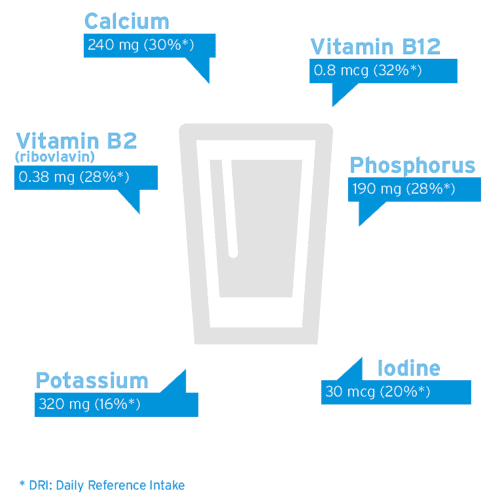
Kimchi is more than probiotic-rich; it’s also a nutritional powerhouse. Bursting with Vitamins A and C, potassium, and antioxidants, this fermented dish supports the immune system, skin health, and more. If your diet relies too heavily on processed or less colorful foods, your body might crave kimchi’s vibrant nutrition.
Think about your recent meals and your nutritional intake. Have you been skimping on fresh vegetables or avoiding nutrient-dense options? To find out, use a food journal to track your meals. Write down what you’re eating and explore whether you’ve reached for convenience foods over balanced meals. It’s a simple way to connect the dots between your diet and those kimchi cravings.
#3 Your Gut-Brain Connection is Speaking
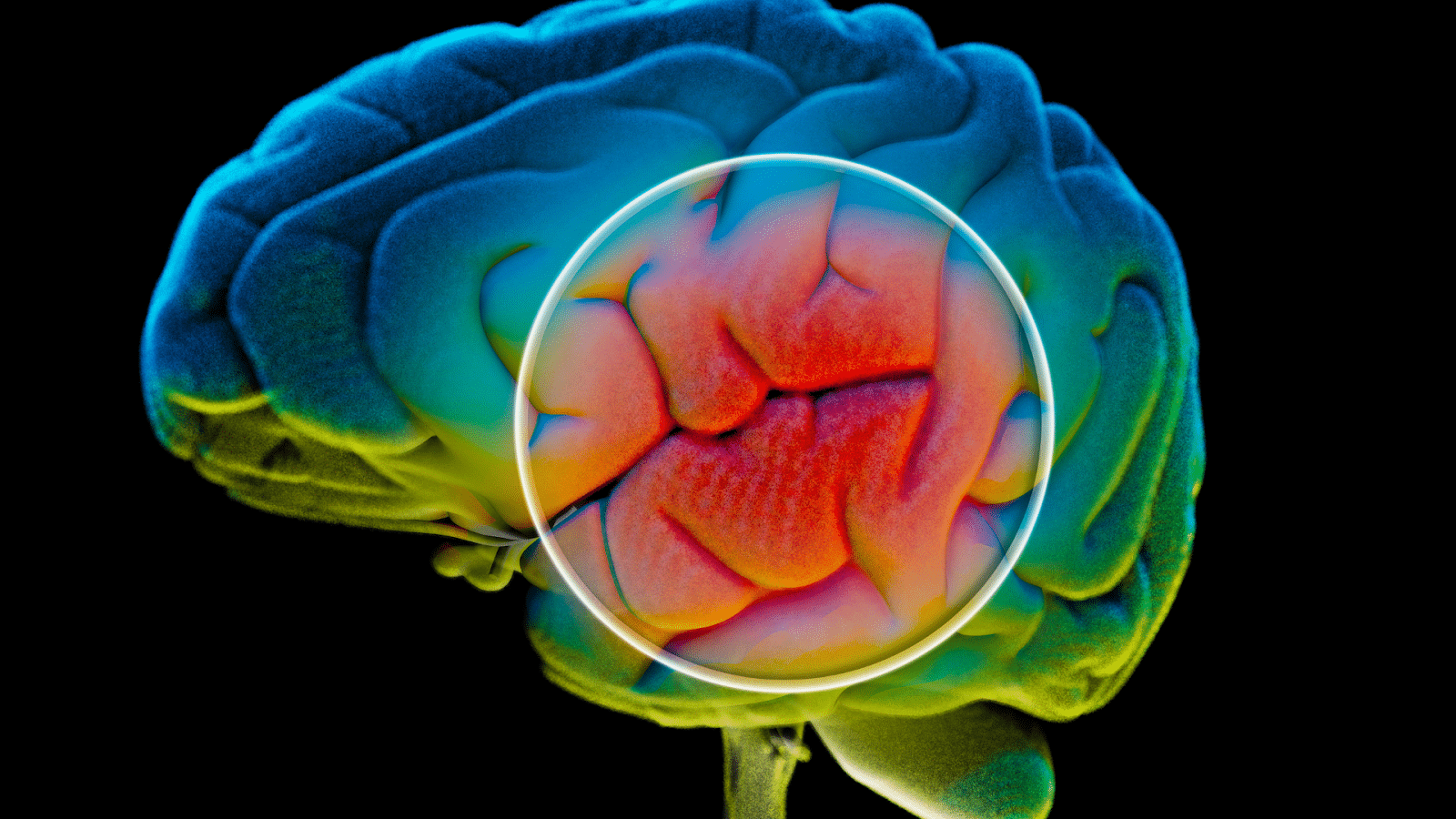
Your body and mind are more closely aligned than you might think. Your gut, often called your “second brain,” communicates directly with your mind. When you’re feeling stressed, anxious, or running low on energy, you might crave kimchi because of its impact on mood and clarity. Kimchi contains beneficial compounds that can support gut health and positively affect your brain.
The next time you feel a kimchi craving, pause for a moment. Ask yourself how you’re feeling emotionally. Are you stressed from work, drained after a long day, or seeking energy to help you feel more grounded? Try journaling about your emotions to uncover what might drive your desire for kimchi. This practice of mindful reflection can help you address not just the craving but also the emotional needs behind it.
#4 You’ve Been Exposed to New Flavors and Cultures
Sometimes, cravings can be tied to memories, new experiences, or even curiosity. If you’ve recently found yourself at a Korean barbeque or spent hours watching cooking shows on fermented foods, your brain might link these experiences to enjoyment. Kimchi has a way of standing out with its bold, spicy, and sour flavors that linger—comforting yet thrilling.
Think back to your recent experiences. Did you try a new dish or rediscover an old favorite? Food is a sensory experience tied to nostalgia or curiosity for new tastes. Use your journal to reflect on these exposures. Understanding this connection might help you see your cravings as a more profound emotional resonance than just food lust, whether it’s curiosity about cooking and cultures or simply enjoyable moments.
#5 Your Body is Adjusting to Lifestyle Changes
Kimchi cravings may be linked to physical or lifestyle changes. If you’ve started a new exercise routine or shifted toward a healthier diet, your body might signal the need for energizing and hydrating foods. Fermented foods like kimchi can replenish and support energy levels during these transitions with their hydrating vegetables and electrolyte content mix.
Pay attention to how your cravings change as your lifestyle does. Is the new routine leaving you feeling drained, or are you craving more nourishing meals? By tracking these shifts in your daily journal, you can connect your body’s needs with the foods you crave—like kimchi—as signals for growth and balance in your evolving habits.
#6 Cultural and Sensory Comfort

Kimchi’s flavor profile is comfort food for many—it awakens the palate with its layered mix of spice, tang, and umami. Spicy foods also release endorphins, delivering tiny sparks of joy and relaxation. Suppose food represents emotional safety or sensory joy. In that case, kimchi might be the grounding treat you crave, even if you crave excitement or relief from day-to-day monotony.
Consider how certain foods comfort you. Does spice excite you? Or maybe fermented flavors remind you of cherished childhood meals or cultural gatherings. In your journal, try reflecting on the sensory and emotional experiences kimchi evokes. Exploring these triggers can help you understand and appreciate what this craving might mean beyond food.
Are Cravings a Sign of Binge Eating Disorder?

Cravings are a normal part of life. They often signal that your body needs energy, nutrients, or comfort. But when cravings feel overwhelming, uncontrollable, or tied to cycles of guilt, they may indicate a deeper issue, such as binge eating disorder (BED).
Intense cravings for foods like kimchi might be your body asking you to explore what lies beneath.
Understanding Binge Eating Disorder and the Binge-Diet Cycle
BED involves recurring episodes of eating large amounts of food uncontrollably, often leaving emotional distress in its wake. At the root of BED is the binge-diet cycle, where strict dieting or food avoidance leads to deprivation,
heightening cravings that eventually result in binge eating and guilt. This cycle reinforces negative emotions and complicates the relationship with food, making it difficult to break free.
The Eating Enlightenment Approach
To address cravings and break the binge-diet cycle, the Eating Enlightenment approach focuses on three empowering steps:
- Nutritional Journaling
Begin by building a strong foundation. Journaling your meals and snacks lets you track what you eat, when, and how you feel physically—whether hungry, complete, or bloated. This process helps you identify nutritional gaps, such as a need for probiotics from fermented foods like kimchi and ensures your body’s needs are satisfied before emotional triggers take over. - Mindfulness of Triggers
After stabilizing your nutrition, focus on what’s fueling your cravings. Write about when cravings arise—what were you doing, feeling, or thinking now? For example, craving kimchi after a stressful day might signal an emotional need. This mindfulness can help you uncover triggers and respond in healthier ways. - Healing Inner Parts
Explore the emotional layers behind your cravings. Inner “parts” of yourself, shaped by past experiences, may prompt you to seek comfort in food. Journaling dialogue with these parts can reveal what they need—comfort, safety, or attention—and empower you to meet those needs compassionately, reducing the power of your cravings.
How to Incorporate Kimchi Into Your Life
Kimchi is a versatile and nutritious addition to your meals. Here are simple ways to enjoy it:
- Kimchi Fried Rice – Stir-fry it with rice and top it with a fried egg.
- Probiotic Power Bowl – Combine kimchi with quinoa, greens, and protein for a balanced meal.
- Kimchi Grilled Cheese – Add kimchi to sandwiches for a tangy twist.
- Soup Add-In – Boost miso or chicken stew with a spoonful of kimchi.
- Snack It Straight – Enjoy kimchi as a flavorful side dish or snack.
Myths and Facts About Kimchi Craving

- [Myth] Craving Kimchi Means You’re Addicted to Spicy Food
[Fact] While kimchi often has a fiery kick, cravings likely stem from its fermented qualities and probiotic content rather than an addiction to spiciness. Your gut might be guiding you toward its digestive benefits! - [Myth] Only People with a Strict Korean Diet Crave Kimchi
[Fact] Cravings for kimchi aren’t limited to fans of Korean food. Its tangy, umami-packed flavor profile can appeal to anyone looking for variety or gut-friendly meal options. - [Myth] Craving Kimchi is Just a Salt Craving in Disguise
[Fact] While kimchi does contain salt, it’s more than a salty fix. Kimchi cravings often indicate a need for probiotics, nutrients like Vitamin C, or a taste for its bold, fermented complexity. - [Myth] Cravings for Kimchi Are Just a Pregnancy Thing
[Fact] Although pregnancy cravings are famous, anyone can crave kimchi. Its health benefits, unique flavor, and refreshing crunch make it universally appealing, regardless of life stage. - [Myth] Eating Kimchi Cravings Will Make You Gain Weight
[Fact] Kimchi is incredibly low in calories and high in nutritional value. It’s packed with fiber and aids digestion, making it a healthy choice in moderation. - [Myth] Craving Cravings Signal Unhealthy Habits
[Fact] Cravings are your body’s way of communicating. A desire for kimchi may signal your need for gut health, better digestion, or even a longing for comforting, familiar flavors. - [Myth] You’re Only Craving Kimchi Because You’ve Overeaten Junk Food
[Fact] While poor diets can trigger cravings for balance, kimchi cravings can also arise from positive lifestyle changes, such as starting a fitness routine or eating more mindfully. - [Myth] Craving Kimchi Is a Sign of Salt Overload
[Fact] Kimchi’s sodium content is balanced with abundant nutrients, antioxidants, and gut-friendly organisms. It’s a nutrient-rich option for a well-rounded diet. - [Myth] Cravings for Kimchi Are Purely Psychological
[Fact] Although psychological reasons like nostalgia can play a role, the fermentation process in kimchi provides chemical benefits like mood-enhancing compounds that influence your cravings physiologically. - [Myth] You Need to Ignore Cravings for Kimchi to Avoid Overeating
[Fact] Listening to your cravings and incorporating kimchi into your meals can enhance your diet with probiotics, antioxidants, and vibrant flavors—all while maintaining balance
Final Thoughts
Cravings are not your enemy. When understood, they can be invaluable guides to your body’s needs and emotional well-being. With its rich history and a nutritional powerhouse, Kimchi offers an excellent example of how cravings can connect us to health and culture. Whether the probiotics support your gut, the vitamins boost your immune system, or the bold flavors energize your taste buds, craving kimchi reminds you to listen and respond to your body’s cues with care and curiosity.
Understanding these cravings allows you to make dietary choices that nourish your body and spirit. Journaling and mindfulness can help you decode your food patterns, uncover emotional triggers, and create a healthier relationship with food.
Explore the free Eating Enlightenment Journal App by taking your first step toward mindful eating. This easy-to-use tool helps you track cravings, understand your eating habits, and develop balanced food choices. Download the app today and start your journey to a more enriched and harmonious diet!