

Have you ever been in the middle of your day when, out of nowhere, a craving hits you? Not just any craving, but a deep, undeniable yearning for something creamy, savory, and downright comforting—hummus. Maybe you picture a smooth, garlicky spread paired with freshly sliced veggies or perfectly crispy pita chips. If that’s you, trust me, you’re not alone.
Hummus has this incredible way of sneaking into our hearts (and stomachs). It’s a simple blend of chickpeas, tahini, garlic, lemon juice, and olive oil—yet its magic lies in elevating almost any snack or meal. Whether slathering it on a wrap, using it as a dip, or even spooning it straight from the container (no judgment here), hummus feels like a treat and a wholesome choice. Beyond its irresistible taste, its balance of healthy fats, plant-based protein, and dish versatility makes it a global favorite.
But why, exactly, do we crave it so much? Is our body seeking certain nutrients, emotional comfort, or nostalgia for the Mediterranean flavors we’ve come to love? There’s likely more to this craving than meets the eye. And understanding it can offer not just answers but also a way to connect more meaningfully with your body and needs.
Please stick with me as we explore the reasons behind your hummus cravings. Along the way, you’ll discover how paying attention to these cravings—perhaps through journaling or mindfulness—could reveal valuable insights about your diet, emotions, and overall well-being. Trust me, you’re about to see your love for hummus in a whole new light.
9 Reasons You’re Craving Hummus
Reason#1 Protein Deficiency
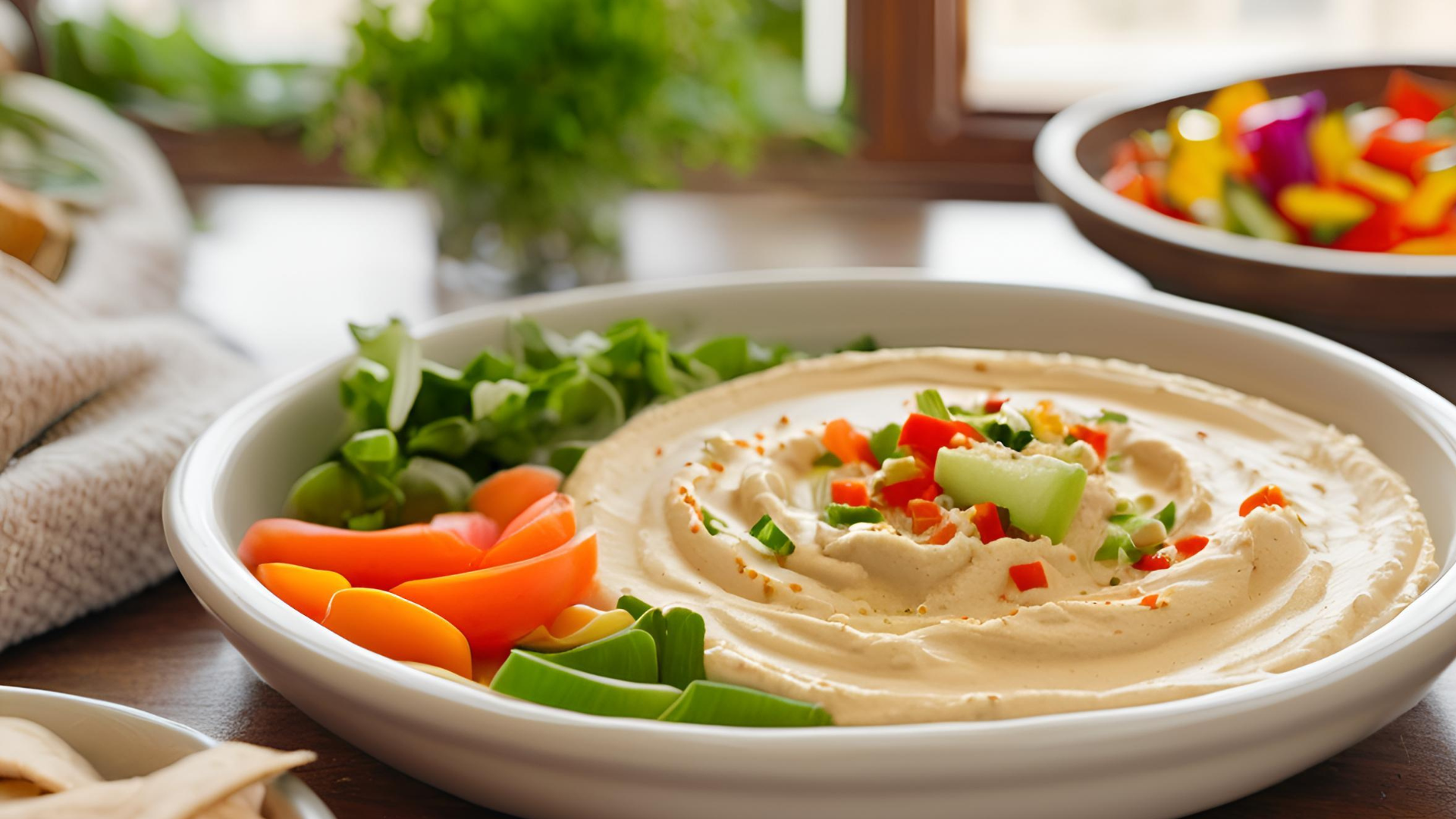
Your craving for hummus might indicate that your body needs protein, one of its primary building blocks. Chickpeas, the star ingredient in hummus, are a fantastic source of plant-based protein. If you’ve skipped meals, eaten lightly, or followed a diet low in protein, your body could be steering you toward hummus as a satisfying way to fill that gap. Protein helps keep you full, supports muscle repair, and stabilizes energy levels, making it essential for daily function.
Try adding more balanced protein sources to your other meals, like quinoa, lentils, or eggs to work through this. If journaling feels right, explore this question in your reflections: “Did I find myself craving something rich and hearty because I wasn’t getting enough protein earlier today?”
Reason#2 Choosing Beneficial Fats
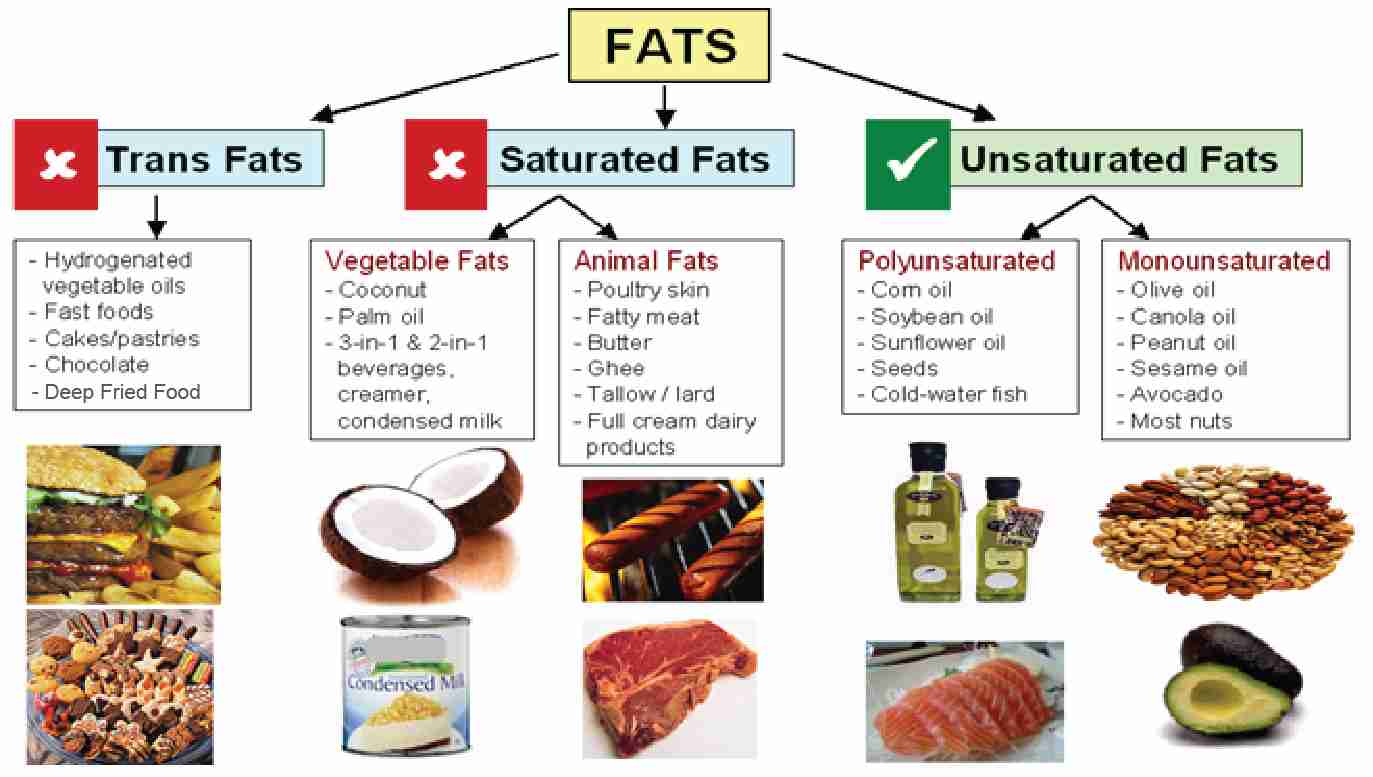
Hummus isn’t just about chickpeas—it’s also loaded with tahini and olive oil, rich in healthy fats. These fats are vital for brain health, hormone production, and general well-being. If your diet lacks these beneficial fats, you might naturally crave a food like hummus to make up for it.
Take stock of your meals to see if you’ve been skimping on fats like avocado, nuts, seeds, or even fatty fish. Incorporate more of these into your diet, and take a moment to evaluate how they impact your cravings. A helpful question might be, “Do I feel my cravings for hummus lessen when I incorporate healthy fats elsewhere?”
Reason#3 Low Fiber Intake
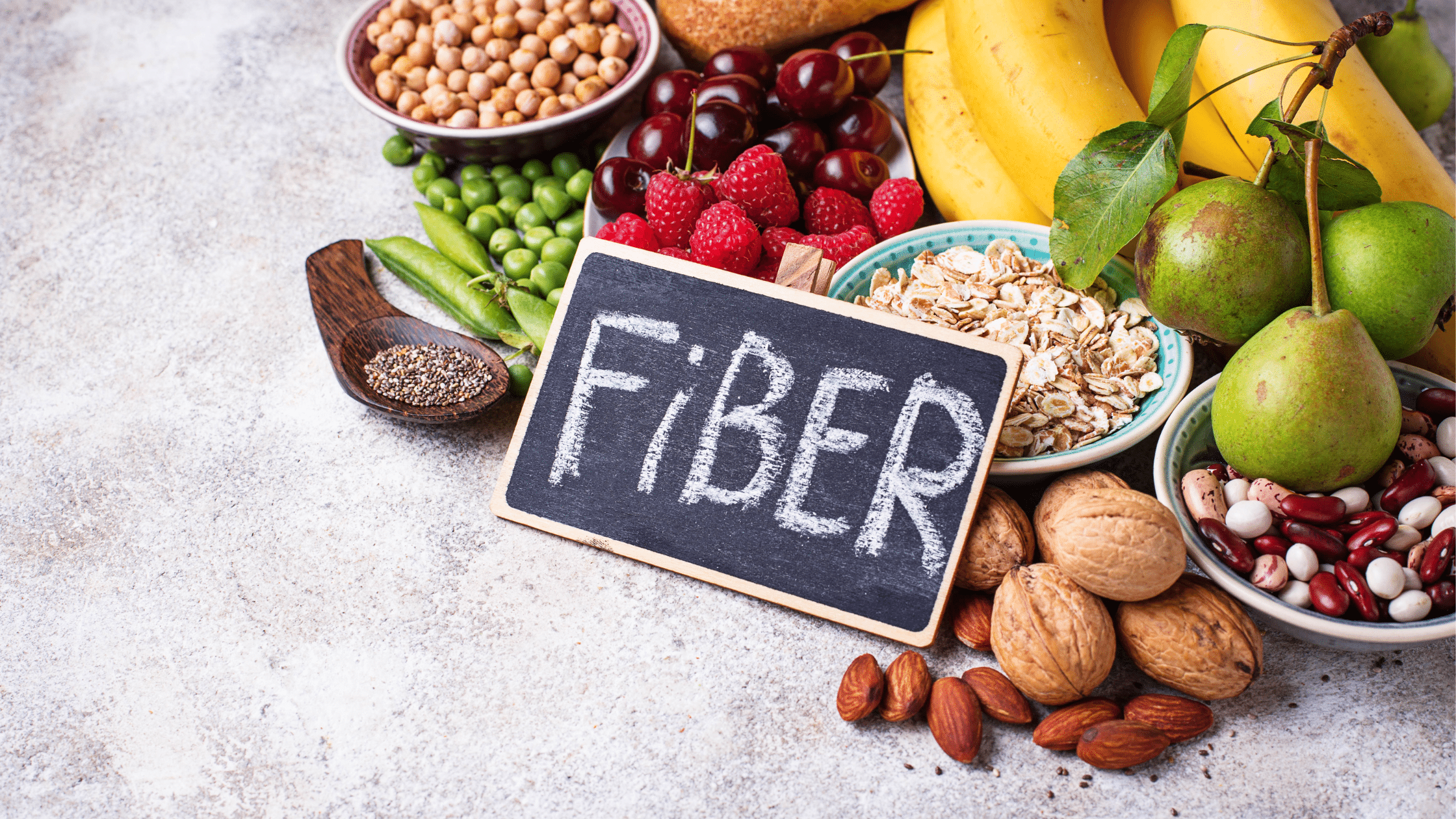
Fiber is another nutritional element that chickpeas bring to the table. Fiber assists digestion, keeps your blood sugar levels stable, and checks hunger. If you’ve been eating more processed foods or skipping veggies, your body might guide you toward hummus as a high-fiber option.
Tracking your meals and assessing your fiber intake can provide clarity. Ask yourself through journaling, “How does eating fiber-rich foods, like hummus, change how I feel?” You may find this craving offers clues about how adjusting your diet could improve your digestion and energy.
Reason#4 Salt Cravings from Electrolyte Imbalance
Have you been unusually active or sweating more? Hummus’s subtle saltiness might feel precisely what you need—and that’s no coincidence. Sodium is key in maintaining hydration and electrolyte balance, particularly after a workout or long summer day.
Pair hummus with hydrating snacks like cucumbers or watermelon to replenish sodium and water levels. Reflect on the timing of your cravings by asking, “Do my hummus cravings tend to follow times of physical exertion or dehydration?”
Reason#5 Comfort Food for Stress or Anxiety
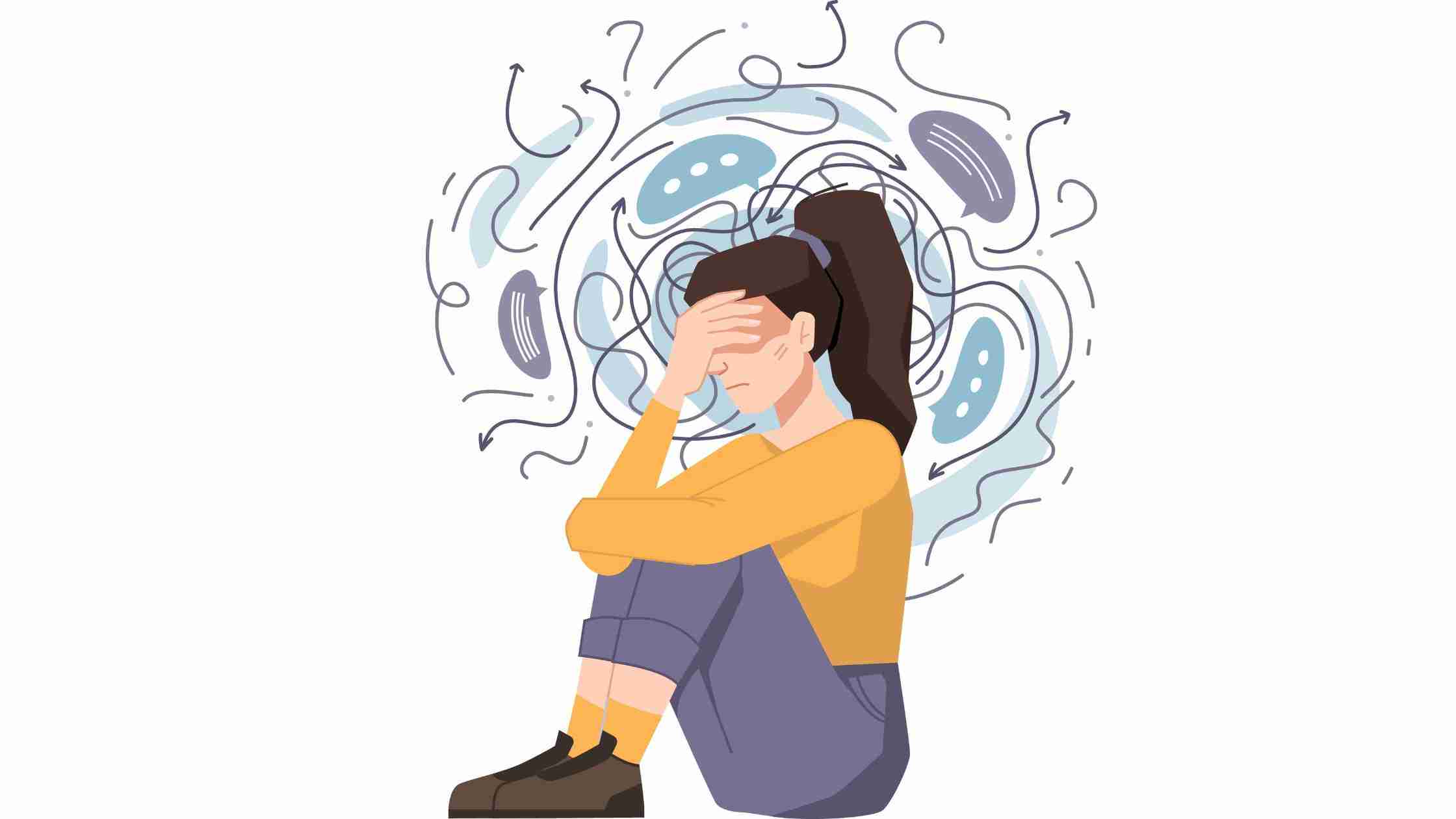
Stress eating is accurate; sometimes, we reach for foods that offer comfort and warmth. Hummus’s creamy texture and healthful reputation might trigger a feeling of calm during emotionally overwhelming moments.
Identifying these emotional triggers is critical. Try journaling about what happens when you crave hummus. Questions like, “Am I stressed or anxious right now? What about hummus feels comforting to me today?” can help uncover deeper emotional layers, allowing for a gentler, more compassionate response to stress.
Reason#6 Iron Deficiency or Anemia
Iron is essential for energy, and chickpeas are a good source of plant-based iron. If your body is low on iron, it’s no surprise that it might lead you straight to a container of hummus, especially if fatigue has been dragging you down.
Consider pairing hummus with vitamin C-rich foods like bell peppers oranges to improve iron absorption. Journal about your energy levels and cravings with a prompt like, “Am I drawn to hummus when I’m feeling tired or low-energy, and could low iron be part of the reason?”
Reason#7 Need for Digestive Relief
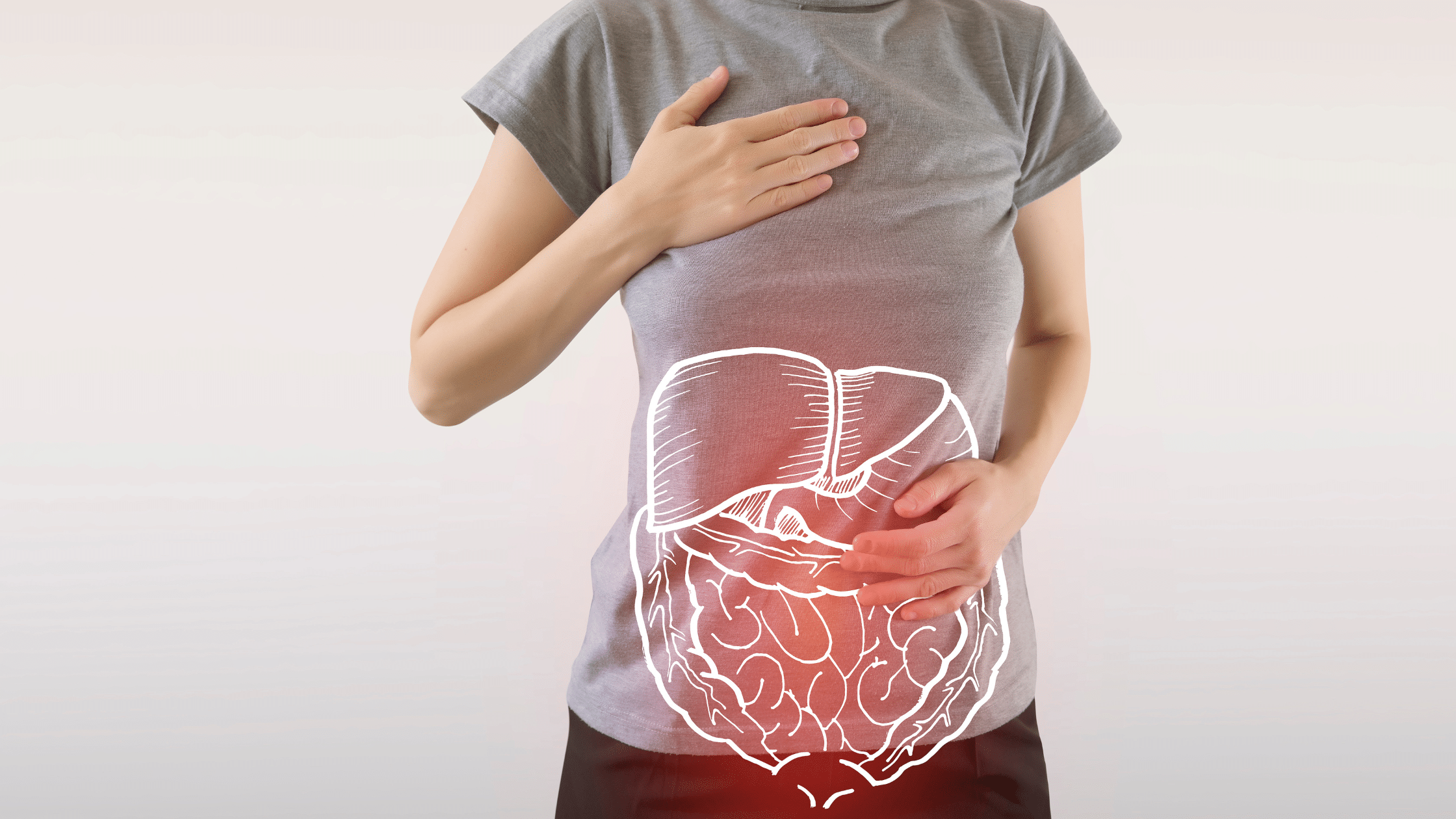
If your digestion has been off, your body might crave something gentle yet beneficial for your gut—enter hummus. Tahini and chickpeas support gut health by providing magnesium and prebiotics, which feed helpful gut bacteria.
Notice how your body feels after enjoying hummus. Journaling about this experience can highlight patterns, such as, “Does my stomach feel soothed and balanced after eating hummus?” This reflection can deepen your understanding of what your gut needs to thrive.
Reason#8 Habitual or Cultural Connection
For many people, hummus has roots in family traditions or cultural celebrations. A familiar dish like hummus can evoke memories, comfort, and a sense of connection. You might crave it because it reminds you of gathering around a table with loved ones or celebrating special occasions.
Recognize and honor these ties by approaching your craving with gratitude rather than judgment. Ask yourself, “Does my desire for hummus today connect to a cherished memory or tradition?” Exploring this can deepen your connection to the food and the memory it invokes.
Reason#9 Physical Hunger or Energy Deficit
Sometimes, it’s as simple as being hungry. Hummus provides a balanced mix of protein, fat, and carbohydrates, making it a quick, nutritious way to refuel. When your energy is low, it’s no wonder that hummus seems like the perfect solution.
Next time you crave hummus, pair it with fresh veggies or whole-grain crackers for a delightful combination. Reflect on your craving by asking, “Was my craving for hummus just my body asking for a hearty snack to recharge?”
Debunking Common Myths About Cravings for Hummus

Hummus cravings are more fascinating than they seem—and often misunderstood. While the creamy, nutrient-rich dip has gained global popularity, many myths exist about why people yearn for it. To debunk these common misconceptions, let’s use science, nutrition, and cultural insight.
Myth 1: Craving Hummus Means You’re Hungry
The Truth: While hunger can trigger hummus cravings, they often stem from other needs like a desire for specific nutrients, emotional comfort, or hydration. Chickpeas provide protein and fiber, which keep you full. But hummus might call your name if your body lacks healthy fats from foods like tahini or olive oil—even if you just ate.
Myth 2: Hummus Cravings Are All About Salt
The Truth: It’s easy to assume that hummus cravings are all about sodium, but it’s not that simple. Hummus is more balanced than many salty snacks, offering a low-to-moderate sodium level paired with fiber, protein, and healthy fats. Craving hummus could indicate your body needs a combination of these nutrients, not just salt.
Myth 3: It’s Just a Comfort Food Craving
The Truth: Sure, the creamy texture of hummus can be comforting, but it’s not purely emotional. Scientific insights suggest that cravings can also signal physiological imbalances. For example, if your body is low on magnesium, often found in tahini, you may instinctively crave hummus.
Myth 4: Cravings for Hummus Always Mean Nutrient Deficiency

The Truth: While cravings can point to nutrient gaps, that’s not always true. Sometimes, they’re associated with habits or cultural ties. If hummus reminds you of family dinners or a sense of tradition, that’s a valid reason for the craving—it’s not all about your body needing nutrients!
Myth 5: Hummus Isn’t a “Crave-Worthy” Food
The Truth: Many think only unhealthy or sugary foods are crave-worthy, but hummus proves otherwise. Its rich flavor, creamy consistency, and mix of savory elements make it just as likely to spark cravings as chips or chocolate. Plus, it’s a much healthier pick.
Myth 6: Only Vegans or Vegetarians Crave Hummus
The Truth: While hummus is a staple for plant-based eaters, its cravings aren’t limited to specific diets. Thanks to its universal appeal and versatility, anyone can crave hummus—whether it’s used as a dip, spread, or salad topping.
Myth 7: Craving Hummus Is a Sign of Overeating Healthy Foods
The Truth: This idea is entirely misleading. Cravings for hummus often align with your body’s natural need for wholesome nutrients like protein or healthy fats. It’s your body asking for nourishment, not a warning sign.
Myth 8: Cravings Always Indicate an Imbalance
The Truth: While cravings are sometimes associated with deficiencies, they can also arise from simple enjoyment. A craving for hummus might mean you love how it tastes and how well it pairs with your favorite veggies or crackers.
Myth 9: Hummus is Craved for Its Carb Content
The Truth: Despite its creamy and fulfilling nature, hummus isn’t carb-heavy. Its base ingredient, chickpeas, provides complex carbs—but not the kind that spikes your blood sugar. Instead, they release energy slowly, stabilizing your cravings.
How Cravings Relate to Binge Eating Disorder (BED)
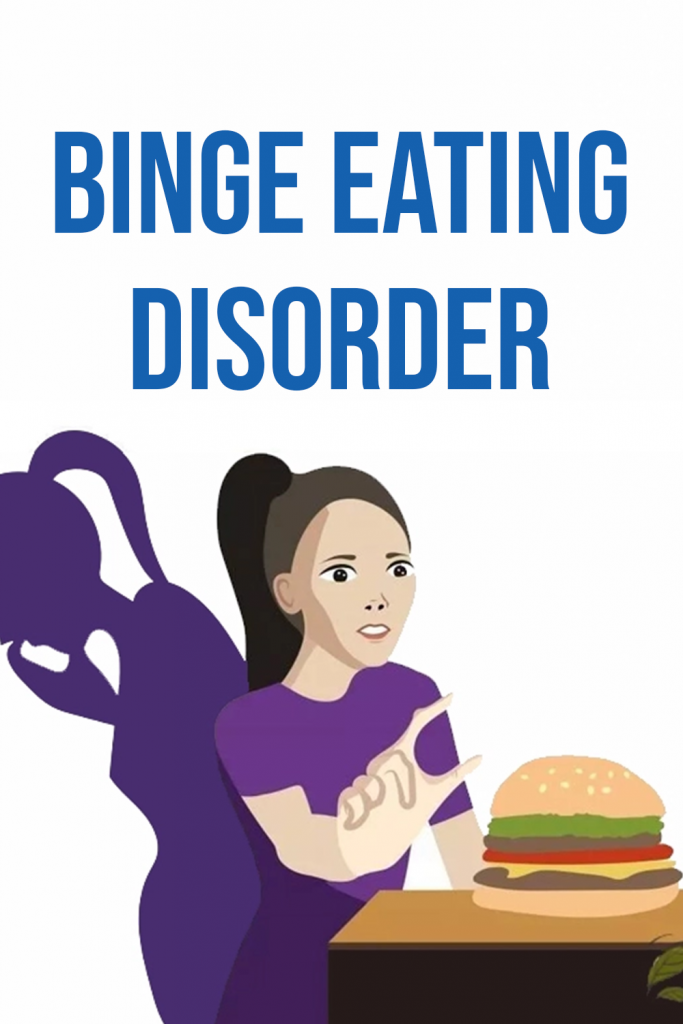
Cravings often feel uncontrollable, pulling us toward certain foods for reasons we don’t fully understand. Sometimes, they’re harmless—a response to hunger or stress. But when cravings become frequent and overwhelming, they could indicate a deeper issue like Binge Eating Disorder (BED).
For those struggling with BED, food often becomes part of a relentless binge diet cycle. This cycle involves strict restriction, leading to cravings that spiral into binging, followed by guilt and another attempt at restriction. Cravings, especially recurring ones, often show unmet physical or emotional needs begging attention. Understanding cravings’ role in this cycle is the first step to breaking free.
Breaking Down the Binge-Diet Cycle
Consider the familiar pattern of dieting. At first, everything seems manageable—you eat less and stick to the rules. But then deprivation sets in, your body rebels, and cravings become louder. Something familiar and satisfying, like creamy hummus, feels irresistible. You give in, binge, and are left drowning in guilt. This cycle continues, trapping you in a loop of restriction, cravings, and shame.
These cycles aren’t about weak willpower—they stem from how deprivation forces your body into survival mode. Cravings act as your body’s plea for balance and care. The key is to approach them as messengers, not enemies.
How Eating Enlightenment Offers a Way Out
Breaking this cycle begins with understanding your cravings through Eating Enlightenment’s three-step process, transforming how you relate to food and your emotions.
Step 1 – Build a Nutritional Foundation
Many cravings arise from physical imbalances, such as hunger or nutrient deficiencies. Journaling what and when you eat can help you identify patterns. For example, if you notice hummus cravings after skipping meals, this reveals the need for consistent, balanced nourishment. Reflective prompts like “Did a skipped meal trigger this craving?” can bring clarity and prevent binges.
Step 2 – Practice Mindfulness
Mindfulness helps uncover the emotional triggers behind cravings. When journaling intentionally, ask, “Was I feeling stressed or overwhelmed before this craving?” These reflections create a pause between the craving and your reaction, giving you space to respond instead of react.
Step 3 – Heal Emotional Roots
Some cravings stem from unresolved emotional wounds. Through deeper journaling, explore questions like, “What comfort am I seeking from this food?” You might discover feelings of loneliness or stress influencing your actions. Awareness allows you to address these emotions directly, reducing dependence on food for coping.
Finding Harmony with Your Cravings
Cravings are not the enemy but signals worth listening to. By understanding their roots, particularly in BED, you can shift from self-blame to self-compassion. Using Eating Enlightenment’s approach of journaling and mindfulness, cravings become opportunities for balance and care rather than sources of guilt.
Next time a craving strikes, pause and reflect. With time, you’ll learn that cravings, even strong ones, can guide you toward meeting your actual needs. This understanding builds the foundation for lasting peace with food and your emotions.
Summary and Next Steps

Your craving for hummus is far more than just a random desire—your body sends signals. This article uncovered how hummus cravings could hint at nutritional needs like protein, fiber, and healthy fats or emotional factors like comfort and stress. By paying attention to these signals, you unlock valuable insights supporting better eating habits and a deeper understanding of your mental and physical health.
Take this opportunity to reconnect with your body and mind. Reflect on your food choices and consider how emotions, habits, or nutritional gaps might affect your cravings. Starting small is key. Use the journaling prompts shared here and explore the Eating Enlightenment process to cultivate a mindful, compassionate relationship with food.
If you notice your cravings falling into repetitive patterns or feel they’re tied to a cycle of guilt and restriction, don’t hesitate to seek support. Whether through mindful journaling, therapy, or working with a nutrition expert, every step forward can empower you to regain balance.
Take the First Step
Turn your cravings into a source of self-discovery! Download the free Eating Enlightenment Journal App today. It’s a simple, powerful tool to help you track your hummus cravings, discover patterns in your eating habits, and make thoughtful dietary choices.
Your cravings are guiding you toward a healthier, more mindful path. Start today—you deserve a nourishing relationship with food and yourself.