


Have you ever found yourself yearning for honey’s golden, sticky sweetness? You’re not alone! Cravings are your body’s way of signaling something it needs—or desires—and honey cravings can have deeper meanings than just a sweet tooth. From nutritional needs to emotional triggers, there are several reasons why honey might be on your mind. Let’s dive into the top five reasons behind your honey craving and what they might mean for your body and mind.
1.Your Body Needs Energy

Honey is a natural source of simple carbohydrates, primarily glucose and fructose, which are quickly absorbed by the body to boost energy. If you’re tired or low on energy, your body might crave honey as a fast-acting solution to replenish your glycogen stores. This is particularly common after intense physical activity or prolonged fasting.
2. Nutritional Deficiencies
While honey is primarily known for its sweetness, it contains trace amounts of essential nutrients like B vitamins, calcium, potassium, and antioxidants. These nutrients support various bodily functions, such as metabolism and immune health. A craving for honey could indicate a subtle deficiency in these nutrients, prompting your body to seek a nutrient-rich food source.
3. Blood Sugar Imbalance
When your blood sugar levels drop too low, your body triggers cravings for quick-digesting carbohydrates to stabilize them. Honey, with its natural sugars, offers an immediate energy source that your brain and body can use to correct this imbalance. This might happen if you’ve skipped meals, eaten too few carbohydrates, or have conditions like hypoglycemia.
4. Stress or Emotional Eating
Emotional stress can increase your desire for comfort foods that provide immediate satisfaction, and honey’s sweetness makes it a popular choice. Honey also contains compounds like tryptophan, which may promote relaxation and help improve mood. Craving honey during stressful times might be your brain’s way of seeking relief from emotional tension.
5. Hormonal Changes

Fluctuating hormones, especially during pregnancy, menstruation, or menopause, can intensify cravings for sweet and energy-dense foods like honey. During these times, your body might work harder to regulate energy, support reproductive processes, or combat mood swings, which could drive your desire for honey’s natural sugars and nutrients.
How to Stop Honey Cravings with Journaling and Mindfulness
Honey cravings can be managed by addressing both physical and emotional triggers. Start with nutrition: balance your meals with protein, healthy fats, and complex carbs to stabilize blood sugar. Hydrate well and avoid skipping meals to nourish your brain and body thoroughly.
Next, practice mindful journaling before eating. Pause when cravings strike and jot down your hunger, emotions, and triggers. This helps uncover the “why” behind cravings. Over time, patterns will emerge, enabling you to respond mindfully rather than impulsively.
Mindful food journaling is a core part of Cognitive Behavioral Therapy (CBT) and can transform how you relate to food. Explore tools like the Eating Enlightenment App to effectively enhance your journaling practice and curb cravings.
Should You Eat Honey Every Day?
Eating honey daily can be beneficial, but it depends on your health goals, dietary needs, and how much you consume. Here’s a breakdown of the pros and cons to help you decide:
Benefits of Eating Honey Daily
- Rich in Antioxidants: Honey contains antioxidants like flavonoids and phenolic compounds that support heart health and reduce inflammation.
- Natural Energy Source: Its natural sugars provide a quick energy boost, making it a great pre-workout snack.
- Supports Digestion: Raw honey contains enzymes and prebiotics that promote gut health.
- Soothes Sore Throats: Honey has antimicrobial properties and can ease throat irritation.
- Boosts Immunity: Its antibacterial and antifungal properties can support your immune system.
Moderation is Key
While honey is natural, it’s still high in sugar and calories. Overconsumption can lead to:
- Blood sugar spikes, especially for those with diabetes.
- Increased calorie intake, potentially leading to weight gain.
How Much Honey is Safe?
For most people, 1-2 teaspoons of honey daily is healthy. Always choose raw, unprocessed honey for maximum benefits.
Who Should Avoid Daily Honey?
- Individuals with diabetes or insulin resistance should consume honey cautiously.
- Infants under one year old should never eat honey due to the risk of botulism.
In summary, eating honey daily can be part of a healthy diet when consumed in moderation and balanced with other nutrient-dense foods.
How to Stop Honey Cravings by Healing Trauma and Inner Parts

Honey cravings can sometimes stem from unresolved trauma, with inner “parts” using sweet foods to cope. Addressing these cravings starts with a strong foundation:
- Nourish Your Body: Eat balanced meals with protein, healthy fats, and carbs to stabilize blood sugar.
- Practice Mindful CBT Journaling: Explore cravings by noting emotions, triggers, and hunger cues, helping you understand their root causes.
Once you’ve established this foundation, evolve into IFS Journaling to explore the inner parts tied to cravings. Identify the part seeking honey, understand its needs, and provide compassion. Over time, this practice can heal emotional wounds and reduce cravings.
Learn more about healing trauma and inner parts with the Eating Enlightenment Course.
Conclusion: Understanding Your Honey Cravings
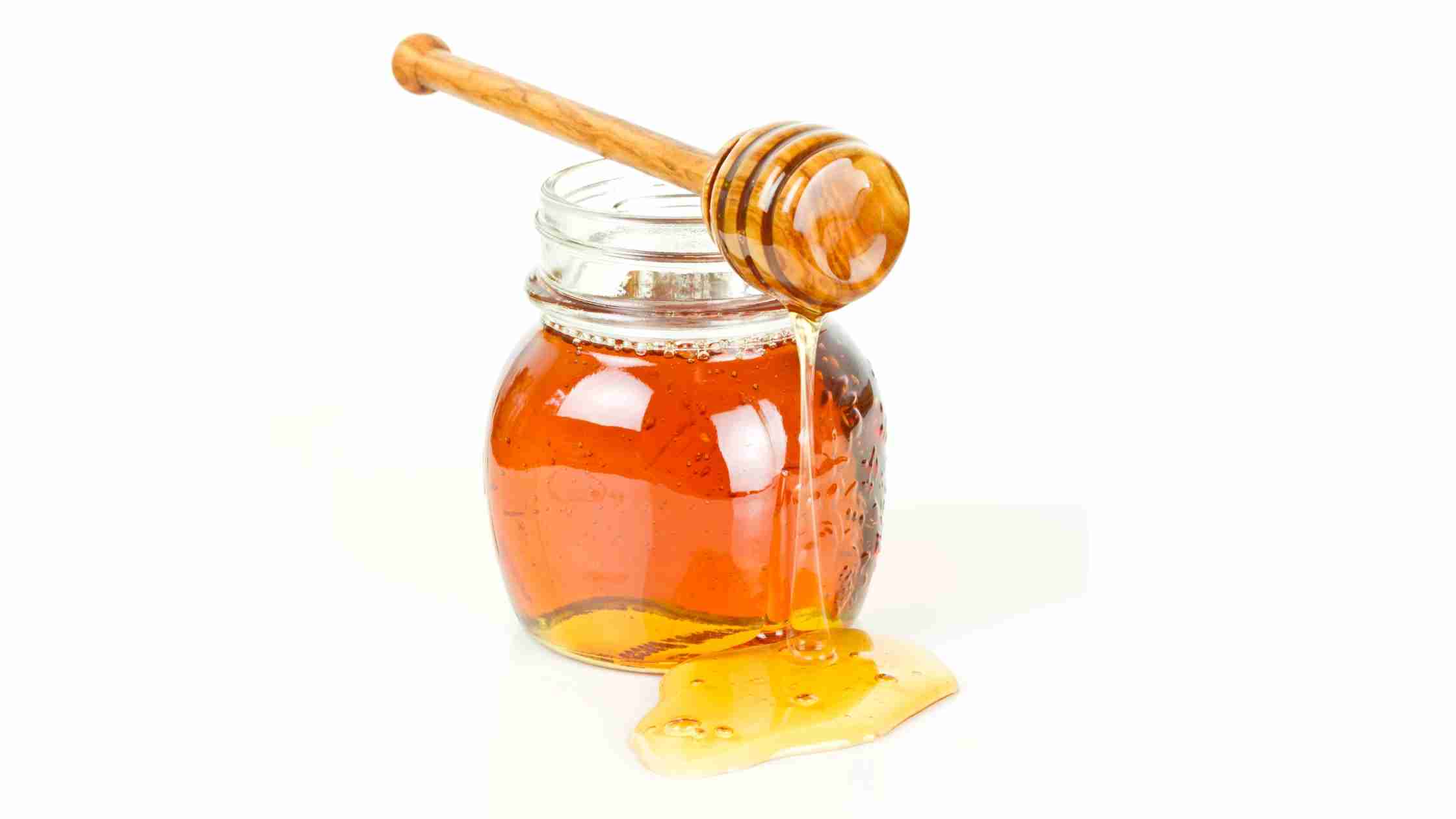
Craving honey might seem like a simple desire for something sweet, but it often holds a deeper meaning. From your body signaling a need for quick energy or nutrients to emotional triggers like stress or hormonal changes, honey cravings can be your body’s way of communicating.
You can better understand and manage your cravings by addressing these reasons—through balanced nutrition, mindful journaling, or exploring emotional patterns.
Remember, cravings are natural, and with awareness and self-care, you can satisfy your body’s needs without feeling controlled.