

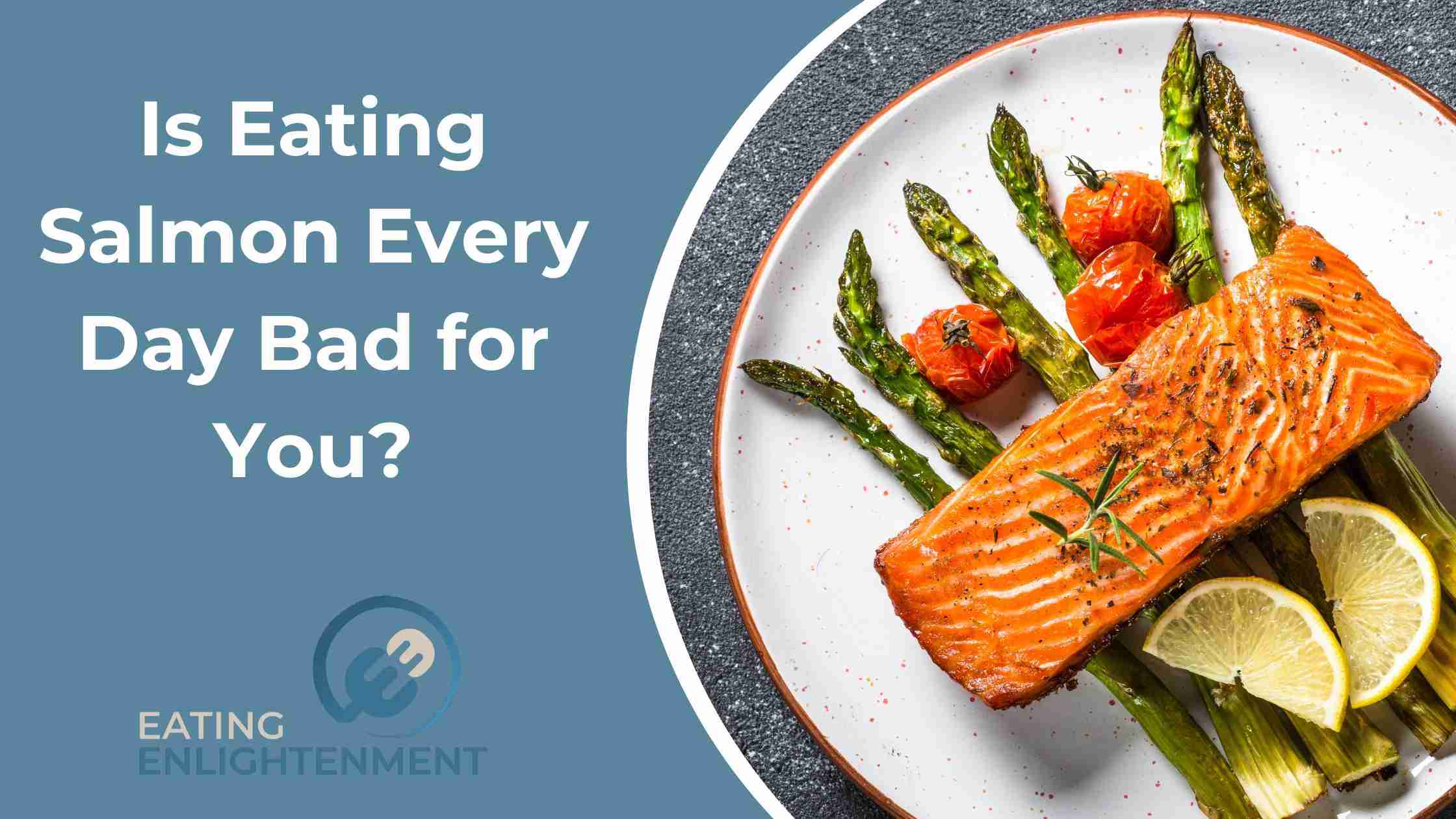
Salmon has long been prominent in the conversation around healthy eating. Packed with omega-3 fatty acids, high-quality protein, and essential nutrients, it’s often hailed as a superfood.
But what happens if you find yourself reaching for salmon every day?
Is it still beneficial, or could it be detrimental to your health? In this post, we will explore the implications of consuming salmon daily.
You’ll discover the nutritional benefits of salmon, potential risks associated with daily consumption, and tips on balancing your diet.
Whether you’re a devoted salmon lover or simply curious about its health effects, this blog will provide valuable insights to help you make informed decisions about your diet.
The Nutritional Benefits of Salmon
Rich in Omega-3 Fatty Acids
Salmon is renowned for its impressive omega-3 fatty acid content, particularly EPA and DHA. These healthy fats are crucial for brain health, reducing inflammation, and supporting heart health.
Studies have shown that omega-3s can lower triglycerides, reduce the risk of heart disease, and even improve mental health by alleviating symptoms of depression.
Incorporating salmon into your diet can help you reach the recommended intake of fatty acids. The American Heart Association suggests eating at least two servings of fatty fish per week to reap these benefits. By enjoying salmon regularly, you can significantly boost your omega-3 levels.
High-Quality Protein Source
Salmon is also an excellent source of high-quality protein. Proteins are essential for building and repairing tissues, making hormones, and supporting immune function. A serving of salmon typically contains around 25 grams of protein, which can help you meet your daily protein needs.
Protein is essential for individuals who exercise frequently or want to build muscle. Including salmon in your meals can help you achieve optimal protein intake while enjoying delicious flavors.
Packed with Essential Nutrients
In addition to omega-3s and protein, salmon provides a wealth of essential nutrients. It is rich in B vitamins, including B12, which are vital for energy production and nerve function. Salmon contains selenium, an antioxidant that protects cells from damage and supports thyroid function.
Consuming a variety of nutrients is vital for overall health. By incorporating salmon into your diet, you can enjoy a nutrient-dense food that supports your well-being.
Potential Risks of Eating Salmon Daily

Mercury and Contaminants
While salmon is a nutritious choice, it’s essential to consider the potential risks of consuming it every day. One significant concern is mercury exposure.
Certain types of fish, particularly more significant predatory species, can accumulate mercury in their bodies. However, salmon generally contains lower levels of mercury than other fish, such as swordfish and sharks.
That said, monitoring the source is wise if you consume salmon daily. Wild-caught salmon tend to have lower levels of contaminants than farmed salmon. Opting for wild salmon may help mitigate exposure to harmful substances.
Imbalance in Nutrient Intake
Another consideration is dietary balance. While salmon is undeniably healthy, relying on it as your primary protein source may limit the variety of nutrients you receive.
A diverse diet is crucial for achieving optimal health. If salmon becomes the star of your meals every day, you might miss out on the benefits of other protein sources like legumes, poultry, and lean meats.
It’s essential to maintain a balanced approach to nutrition. Incorporating various foods into your diet can ensure you receive a wide range of nutrients necessary for overall well-being.
Allergies and Sensitivities
Some individuals may develop allergies or sensitivities to fish, including salmon. If you experience any adverse reactions after consuming salmon, such as skin rashes, digestive issues, or respiratory problems, it’s essential to consult with a healthcare professional.
Eating salmon every day might not be suitable for everyone. Listen to your body’s signals and adjust your diet to prioritize health and comfort.
How to Enjoy Salmon Responsibly

Limit Your Consumption
If you’re a fan of salmon, it’s perfectly fine to enjoy it regularly, but moderation is key. Instead of eating salmon daily, consider incorporating it into your weekly meal plan as part of various protein sources. Aim for two to three servings per week, allowing your body to reap the benefits without overdoing it.
Balancing your diet with other nutritious foods, such as chicken, beans, or tofu, can provide a broader spectrum of nutrients while keeping meals exciting.
ALSO READ – Is Fried Catfish Healthy? Discover the Truth About This Southern Delicacy
Choose Quality Over Quantity
Quality matters when it comes to salmon; opt for wild-caught salmon over farmed varieties whenever possible. Wild salmon tends to have better flavor and fewer contaminants, making it a healthier choice for regular consumption.
Look for reputable sources to ensure you’re getting the best quality salmon. Support local fisheries or trusted brands that prioritize sustainability to make informed choices about your meals.
Try Different Preparation Methods
There are countless ways to prepare and enjoy salmon, keeping your meals interesting while enjoying the health benefits. Whether grilling, baking, or pan-searing, experimenting with different cooking techniques can elevate your culinary experience.
Consider pairing salmon with various sides, like fresh vegetables, whole grains, or salads, to create wholesome, balanced meals. Mixing up your meal combinations can help you avoid monotony while ensuring you receive a range of nutrients.
Final Thoughts on Eating Salmon Daily

Salmon is undoubtedly nutritious and rich in omega-3 fatty acids, high-quality protein, and essential nutrients. However, moderation is crucial to avoid potential risks associated with daily consumption, such as mercury exposure and nutrient imbalance.
By enjoying salmon a few times a week, selecting high-quality options, and diversifying your protein sources, you can maintain a healthy and balanced diet that supports your overall well-being.
If you cherish salmon and want to include it in your meals regularly, follow the tips outlined in this blog. Listen to your body, and don’t hesitate to seek personalized advice if needed.
By taking a holistic approach to your nutrition, you can savor the benefits of salmon while promoting your health and vitality.
FAQ:
How often may I eat salmon in a week?
Salmon can be enjoyed two to three times a week. It provides essential omega-3 fatty acids and supports overall health. Balance it with other nutrient-rich foods for a holistic diet.
When is too much salmon in your diet?
Eating salmon more than four times a week may increase your intake of specific contaminants. Moderation ensures you reap its benefits without potential harm. Always aim for a balanced and varied diet.
Which fish is the worst for you to eat?
Certain fish species, like king mackerel, are high in mercury, which can be harmful if consumed frequently. It’s best to limit these kinds and choose safer options. Always prioritize your overall well-being and diverse nutrition.
Is eating salmon every day safe?
Eating salmon daily can be safe in moderation, but it’s wise to vary your diet. This approach provides balanced nutrition and reduces the risk of contaminants. Embrace a diverse, nutrient-rich diet for optimal health.