


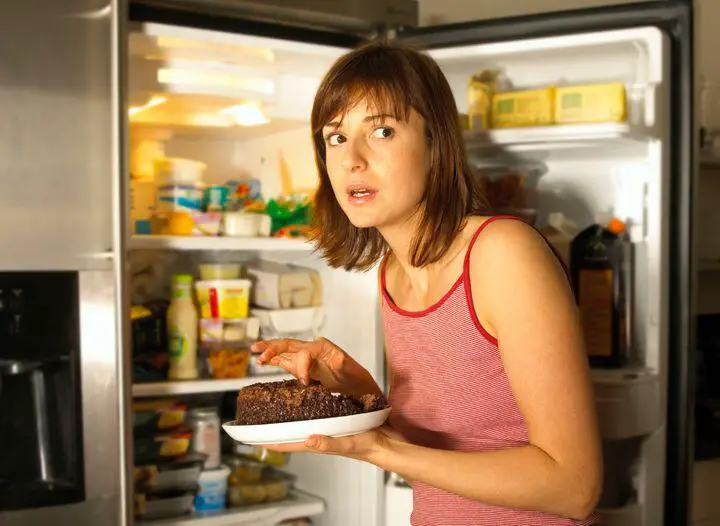
Ever find yourself standing in front of the fridge at midnight, searching for something to snack on? Maybe it’s leftover pizza, a handful of chips, or that tempting tub of ice cream in the freezer.
You’re not alone—late-night cravings are something many of us grapple with, and they can wreak havoc on our healthy eating goals. After all, those spontaneous snacks often come with a hefty side of guilt and frustration the next day.
But here’s the thing—those cravings aren’t random. Whether they show up as an unstoppable urge for sweets, salty snacks, or comfort foods, there’s usually a reason they’re happening. Understanding why your body and mind are calling for food after dark can unlock powerful insights and help you regain control—without willpower battles or shame.
From fluctuating blood sugar levels to unresolved emotional stress and poor sleep habits to deeply ingrained routines, several factors could be fueling those cravings.
Curious to find out what’s driving yours? Stick with me as we explore the top five reasons behind nighttime food cravings—and, even better, easy and practical solutions you can start using today. Taking charge doesn’t mean deprivation; it’s about tuning in and giving your body what it needs. Let’s figure this out together.
Reason#1: Nutritional Deficiencies
One of the most significant contributors to nighttime cravings is missing vital nutrients during the day. Skipping meals or eating unbalanced foods can lead your body to signal hunger later to compensate. These cravings often target sugary or high-calorie snacks because your body seeks a quick energy boost to compensate for its lack.
Why It Happens: Without balanced meals throughout the day, your body doesn’t get the fuel for steady energy. This creates nutritional “gaps” and triggers those urges for quick-fix foods at night.
Practical Tip: Start tracking what you eat throughout your day with a food journal. This can help you identify patterns, like meals that lack protein or snacks that are too carb-heavy without balance. Aim for protein, healthy fats, and fiber-filled meals—grilled chicken and avocado on whole-grain toast or a hearty lentil soup. These meals fuel your body slowly and steadily, reducing the chances of nighttime cravings.
Reason#2: Emotional Eating and Stress

Stress doesn’t just stay in your thoughts—it can influence your eating habits, too. Have you noticed how comfort foods like ice cream and chips call to you when you’ve had a tough day? Cortisol, the stress hormone, can increase appetite and push you toward crave-worthy, high-calorie foods that provide quick emotional relief.
Why It Happens: Your brain sees food as an easy way to soothe yourself when stress levels are high. It tricks you into thinking you need extra energy to “cope,” even if you’re not hungry.
Practical Tip: When you feel the urge to snack, pause and check in with yourself. Write down how you’re feeling in a mindfulness journal. Are you stressed, sad, or anxious? This can help you identify the emotional triggers behind your cravings. Once you pinpoint the emotion, use coping strategies like deep breathing, going for a walk, or even a quick yoga session. Over time, journaling will help you recognize when your cravings stem from emotions—not hunger.
Reason#3: Sleep Deprivation
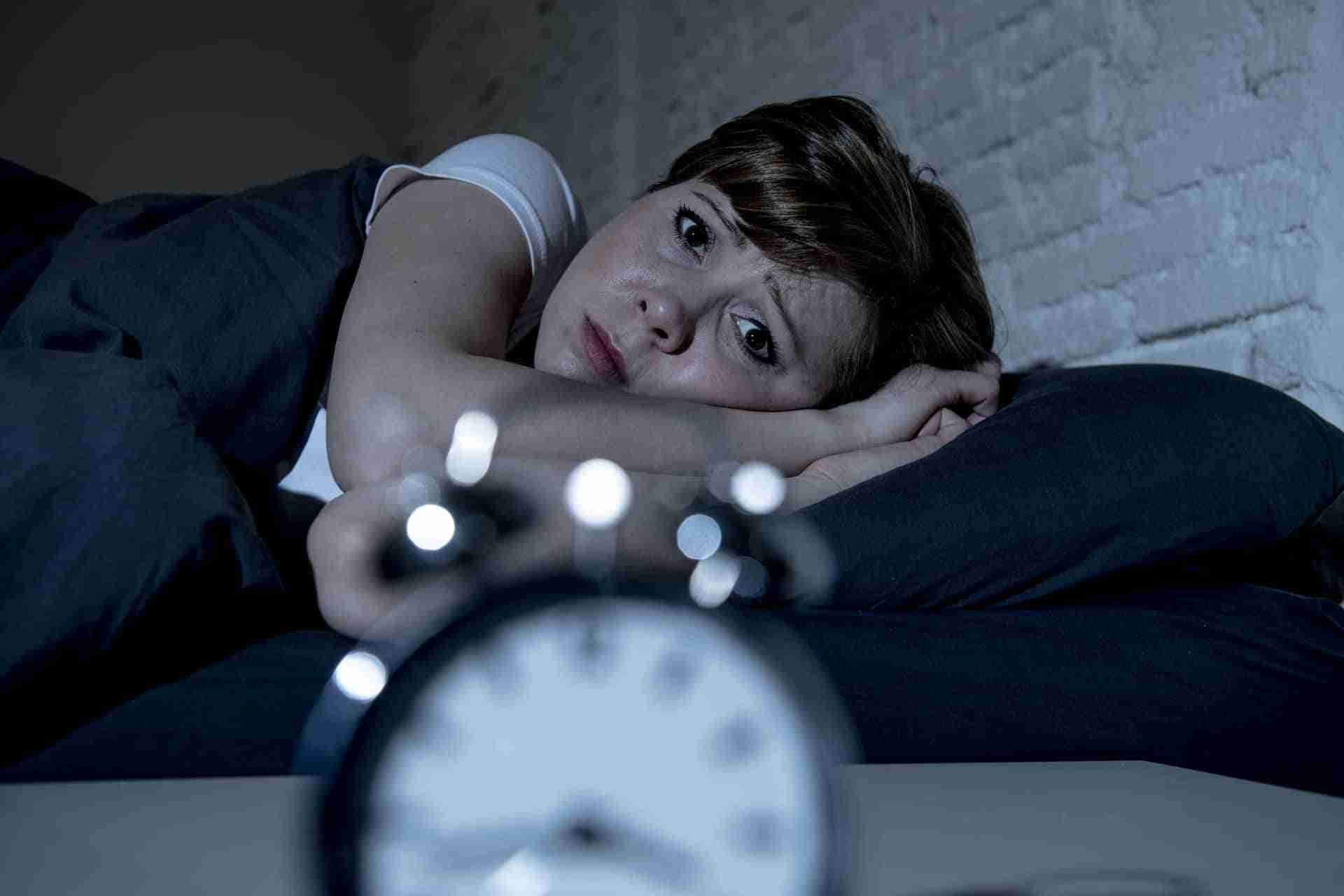
If you’re consistently burning the candle at both ends, it could contribute to your late-night snack habits. Lack of sleep disrupts the balance of two key hunger hormones—ghrelin and leptin. Ghrelin, which increases hunger, spikes when you’re exhausted, while leptin, which tells your brain you’re full, decreases.
Why It Happens: Sleep deprivation confuses your body’s natural hunger signals, often leading to nighttime cravings for high-energy foods.
Practical Tip: Commit to prioritizing sleep—your body and mind need it. Aim for 7-8 hours of quality sleep each night. If your nighttime routine is filled with distractions, like late-night scrolling or TV binging, create habits that promote better rest. For example, set a wind-down period with calming activities like reading or meditating. Additionally, use your journal to track your sleep patterns alongside cravings to see the connection more clearly.
Reason#4: Habitual Behaviors
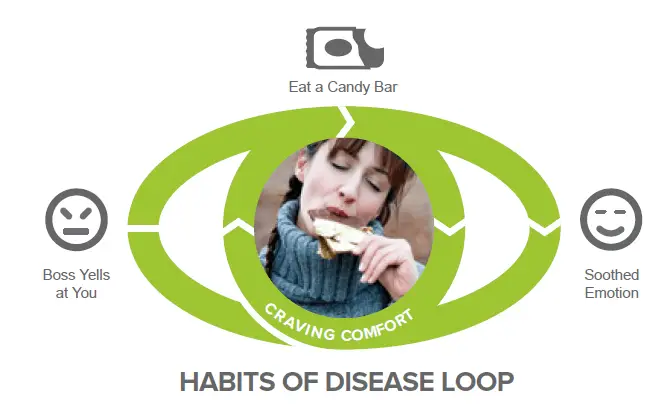
Sometimes, nighttime cravings are simply the result of a habit. If you’ve gotten used to pairing certain activities, like watching TV or scrolling social media, with snacking, your brain starts associating those routines with food. Even if you’re not hungry, your body feels like something is missing if you’re not munching.
Why It Happens: Repeated behaviors build neural pathways in the brain, making the habit feel automatic—like reaching for popcorn during a movie.
Practical Tip: To break the cycle, start by creating intentional alternatives. For example, if you usually snack in front of the TV, replace it with sipping herbal tea or chewing sugar-free gum. These small swaps can help “rewire” the brain’s connection between relaxation and eating. Reflect on your habits in your journal and write down a plan for new evening routines that bring you joy without involving food.
Reason#5: Blood Sugar Fluctuations
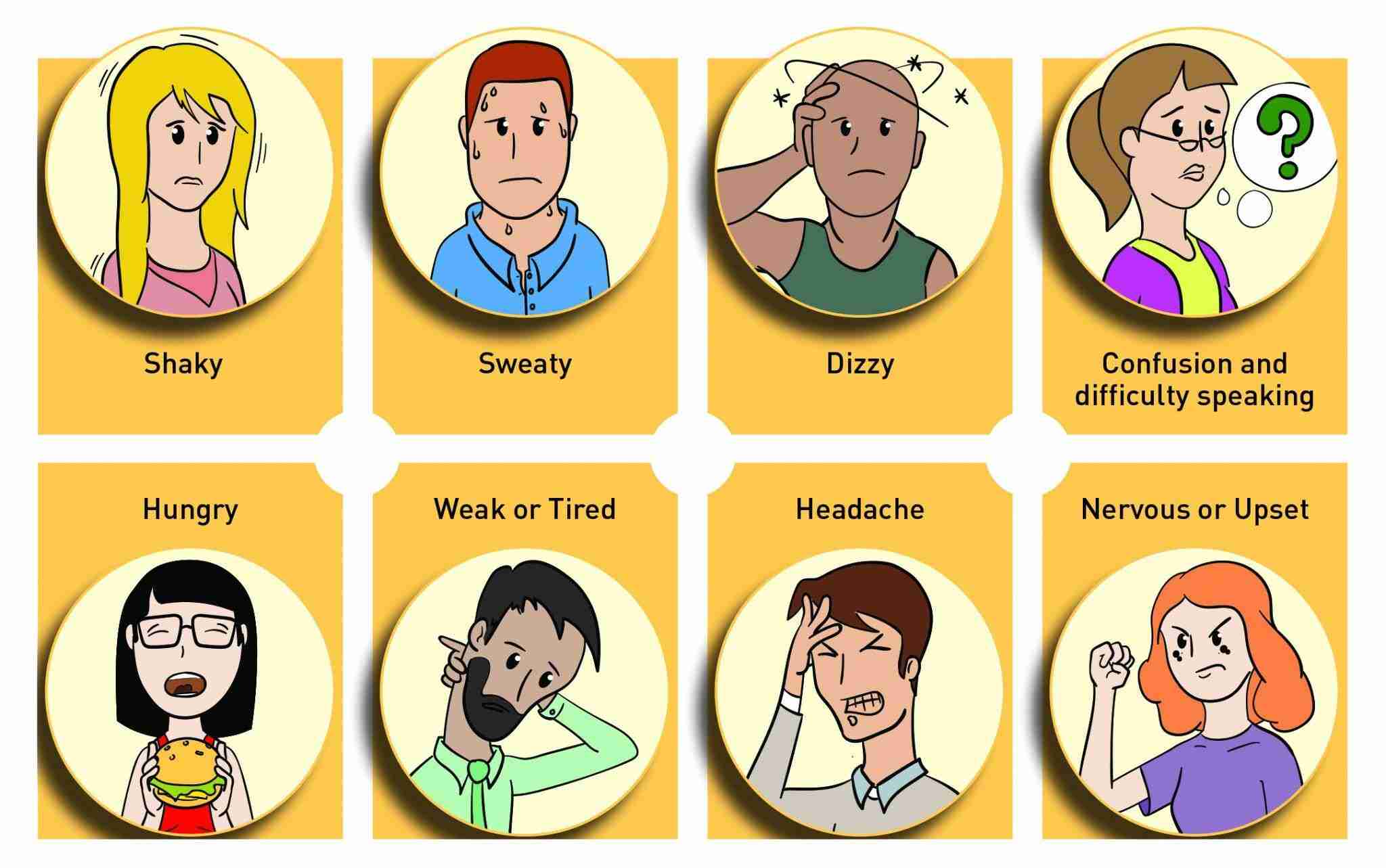
Skipping meals, limiting carbs too strictly, or indulging heavily in refined carbohydrates can create dramatic blood sugar spikes and crashes. When blood sugar plummets, especially in the evening, your body craves quick sources of energy—hello, late-night cravings!
Why It Happens: Irregular blood sugar levels create a rollercoaster effect, leaving you feeling drained and hungry just before bed.
Practical Tip: Focus on stabilizing your blood sugar during the day. Avoid refined carbs like white bread or sugary snacks, and opt for complex carbs instead—like sweet potatoes, quinoa, or brown rice—paired with protein and healthy fats. Keep track of how different food combinations affect your energy levels by journaling your meals and noting your body’s response in the hours afterward. Balanced meals can help create sustained energy and ward off the crashes that lead to nighttime hunger.
5 Fun Facts About Nighttime Food Cravings
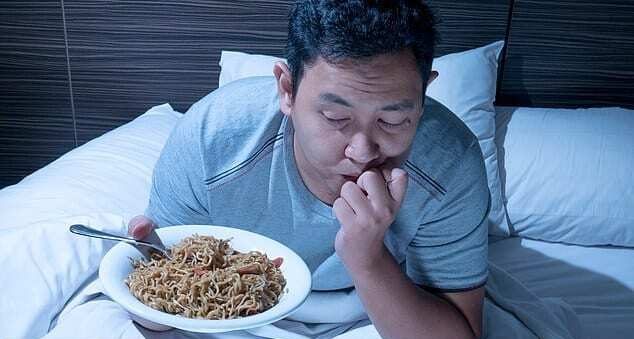
1. It’s All About Your Hormones
Your late-night sweet tooth isn’t a personal failing—it’s biology! Hormones like ghrelin (hunger hormone) can rise at night, while leptin (satiety hormone) dips, making you hungrier. Add in fluctuating cortisol levels from stress, and it’s no wonder those cookies are calling your name.
2. Cravings Differ Around the World
Did you know nighttime cravings are as cultural as they are personal? While many Americans opt for ice cream or chips, savory snacks like rice crackers take center stage in Japan. Meanwhile, a late-night indulgence in Sweden might mean a slice of buttered crispbread with cheese.
3. Your Brain Seeks Comfort Foods
Nighttime cravings often target comfort foods like chocolate or pizza for a reason—they stimulate the release of dopamine, the “feel-good” chemical. This makes them a go-to choice when you’re feeling stressed or down. But don’t forget that healthy alternatives can give your brain a dopamine boost.
4. Common Foods Have Hidden Triggers
Specific cravings, like chocolate, might be your body asking for magnesium! Similarly, if salty snacks are your thing, dehydration or low electrolytes may be behind the urge. Your cravings often have messages—are you listening?
5. Your Sleep Cycle Plays a Role
Lack of sleep doesn’t just leave you tired—it messes with hunger-regulating hormones, too! Poor sleep can amplify cravings for calorie-dense foods, making it harder to resist late-night snacks. Consistent, quality sleep could be your secret weapon against those midnight munchies.
Late-night cravings aren’t just about food; they tell a story of biology, emotions, and cultural habits. Next time the snack attack hits, consider what your body might be trying to say!
Cravings and the Binge-Diet Cycle

Late-night cravings often feel overpowering, leaving you trapped in a cycle of overeating and guilt. This cycle, known as the binge-diet cycle, begins with restrictive dieting that deprives your body of nutrients. Over time, this triggers intense cravings that escalate into binge eating, followed by guilt and a return to restrictive habits.
The pattern looks like this:
- Restrictive dieting
- Intense cravings
- Binge eating
- Guilt and shame
- Restarting the restriction
How Eating Enlightenment Can Help

Eating Enlightenment offers a compassionate way out. Through nutritional journaling, you build a balanced eating foundation to prevent over-restriction. By practicing mindfulness of triggers, you uncover the emotions or situations driving cravings. Finally, with inner healing, you address buried emotional wounds contributing to the cycle. Together, these steps create a lasting, healthier relationship with food.
Conclusion:
Nighttime cravings are more than just a passing moment—they’re a signal from your body, often rooted in stress, dietary habits, or hormonal imbalances. Understanding these triggers is key to transforming what feels like a struggle into an opportunity for better health and well-being.
You can take actionable steps toward positive change by approaching your cravings with curiosity and compassion. The Eating Enlightenment Journal App is a perfect place to start. It allows you to track your eating patterns, identify triggers, and make mindful choices that align with your goals.

Why wait? Take the first step today. Download the Eating Enlightenment Journal App and begin your journey toward a healthier relationship with food. Every mindful entry brings you closer to balance and peace with your eating habits—one snack at a time.