


With its sugary, fizzy appeal, Soda has been a go-to beverage for millions worldwide. Whether paired with snacks like chips and popcorn or enjoyed alone, Soda is often associated with comfort, social gatherings, and indulgence.
However, this sweet drink carries a nutritional burden that can significantly affect your health when consumed excessively.
This blog post will examine Soda’s nutritional profile, potential health impacts, and how mindful journaling can help moderate your soda intake.
We’ll also provide some practical tips on reducing soda consumption and address frequently asked questions.
What Makes Soda Sugary and Fizzy?

Soda is primarily sugary and fizzy due to two key components: high-fructose corn syrup (or other sweeteners) and carbon dioxide.
The sugar content of sweet sodas soda, Sodale carbonation—created by dissolving carbon dioxide under pressure—provides a fizzy, bubbly sensation. Some sodas also contain added flavorings and preservatives, enhancing the taste and prolonging shelf life.
Why Is Soda Often Paired with Snacks?
Soda is often paired with snacks like chips, popcorn, or fast food because its sweetness and acidity help enhance and balance salty, savory flavors. The carbonation in soda can refreshes the palate, making it more enjoyable when eating greasy or fatty foods.
The fizzy sensation also adds a layer of sensory enjoyment to the eating experience. This combination is trendy in social settings, like movie theaters or parties.
How Soda Affects Your Health: Key Considerations
Regular consumption of Soda negatively impacts your health in several ways. Excess sugar intake from Soda is related to weight gain, obesity, type 2 diabetes, and metabolic syndrome. Additionally, Soda Contributes to dental problems, as its sugar feeds harmful bacteria into your mouth, leading to tooth decay.
High levels of caffeine in certain sodas can cause sleep disturbances and anxiety. Lastly, Soda is associated with an increased risk of heart disease due to its sugar content and its role in promoting insulin resistance and inflammation.
Soda and Your Energy Levels: The Sugar Crash Effect
While soda gives you a quick energy boost due to its high sugar content, it is often followed by a “sugar crash.” This occurs because Soda causes a rapid spike in blood sugar levels, which prompts the body to release a large amount of insulin.
The insulin quickly reduces blood sugar, leaving you tired and craving more sugar to regain energy. Over time, these repeated spikes and crashes can lead to insulin resistance and a greater risk of type 2 diabetes.
Nutritional Breakdown of Soda: What’s Inside?

The nutritional value of Soda is relatively low. A typical 12-ounce can of Soda contains around 150 calories, mostly from sugar. Most sodas also include caffeine (in some varieties), artificial colorings, and preservatives.
With around 40 grams of sugar per serving (about 9-10 teaspoons), Soda contains more than the daily recommended limit set by health organizations. Importantly, these calories are considered “empty” because they offer no vitamins, minerals, or other nutrients—just sugar and calories.
The Health Impact of Regular Soda Consumption
While soda is a delightful treat, its long-term consumption can have several adverse health consequences.
Weight Gain and Obesity
Sugary sodas are a significant contributor to weight gain. Since they are loaded with sugar and calories but don’t make you feel full, people drink large quantities without compensating by eating less. This can lead to a calorie surplus, increasing the risk of obesity. Studies have shown that individuals who consume sugary drinks regularly have a higher likelihood of gaining weight compared to those who do not.
Increased Risk of Diabetes
The regular consumption of sugary sodas has been linked to a heightened risk of developing type 2 diabetes. Excess sugar in the bloodstream leads to insulin resistance over time, a precursor to diabetes. Soda drinkers also have a higher likelihood of developing metabolic syndrome, a cluster of conditions that include increased blood pressure, high blood sugar, excess body fat, and abnormal cholesterol levels.
Dental Health Problems
Soda is notorious for causing tooth decay. Its high sugar content feeds bacteria in the mouth, leading to the production of acid that can erode tooth enamel. This increases the risk of cavities and other dental issues, particularly when Soda is consumed frequently.
Bone Health
Sodas, especially colas, contain phosphoric acid, which has been linked to reduced calcium absorption. Some studies suggest that soda consumption may lead to weaker bones and an increased risk of fractures, particularly in those who do not consume enough calcium in their diet.
Download the Eating Enlightenment Course to discover the most critical question for yo-yo dieters, food addicts, and restrictive eaters. Take control of your eating habits today!
Mindful Journaling and Soda Consumption

Mindful journaling can be a powerful tool if you’re trying to cut back on Soda, be more aware of how much you’re drinking. By tracking when, why, and how often you reach for Soda, Soda can gain insights into your drinking habits and find ways to make healthier choices.
How Mindful Journaling Can Help:
- Identify Triggers: Many people drink soda Soda habit for boredom or stress. Journaling helps you recognize the emotions and situations that lead you to grab a can of Soda. Soda’s identified your triggers; you can replace the soda habit with healthier alternatives.
- Track Consumption: Writing down the number of sodas you drink each day or week helps you stay aware of your consumption levels. Seeing your intake on paper can motivate you to reduce the amount over time.
- Set Goals: Mindful journaling allows you to set realistic goals for reducing soda consumption. Whether cutting back on one Soda or witching to water for one meal, journaling provides a framework for making gradual changes.
- Reflect on the Experience: After tracking your soda consumption, journaling about how you feel afterward can be eye-opening. Do you feel energized or sluggish? Does Soda your thirst, or do you end up wanting more? These reflections can help you build healthier relationships with soda-soda sugary drinks.
Ready to take control of your eating? Download the Eating Enlightenment App today and embark on your journey toward a healthier, more mindful you!
Conclusion
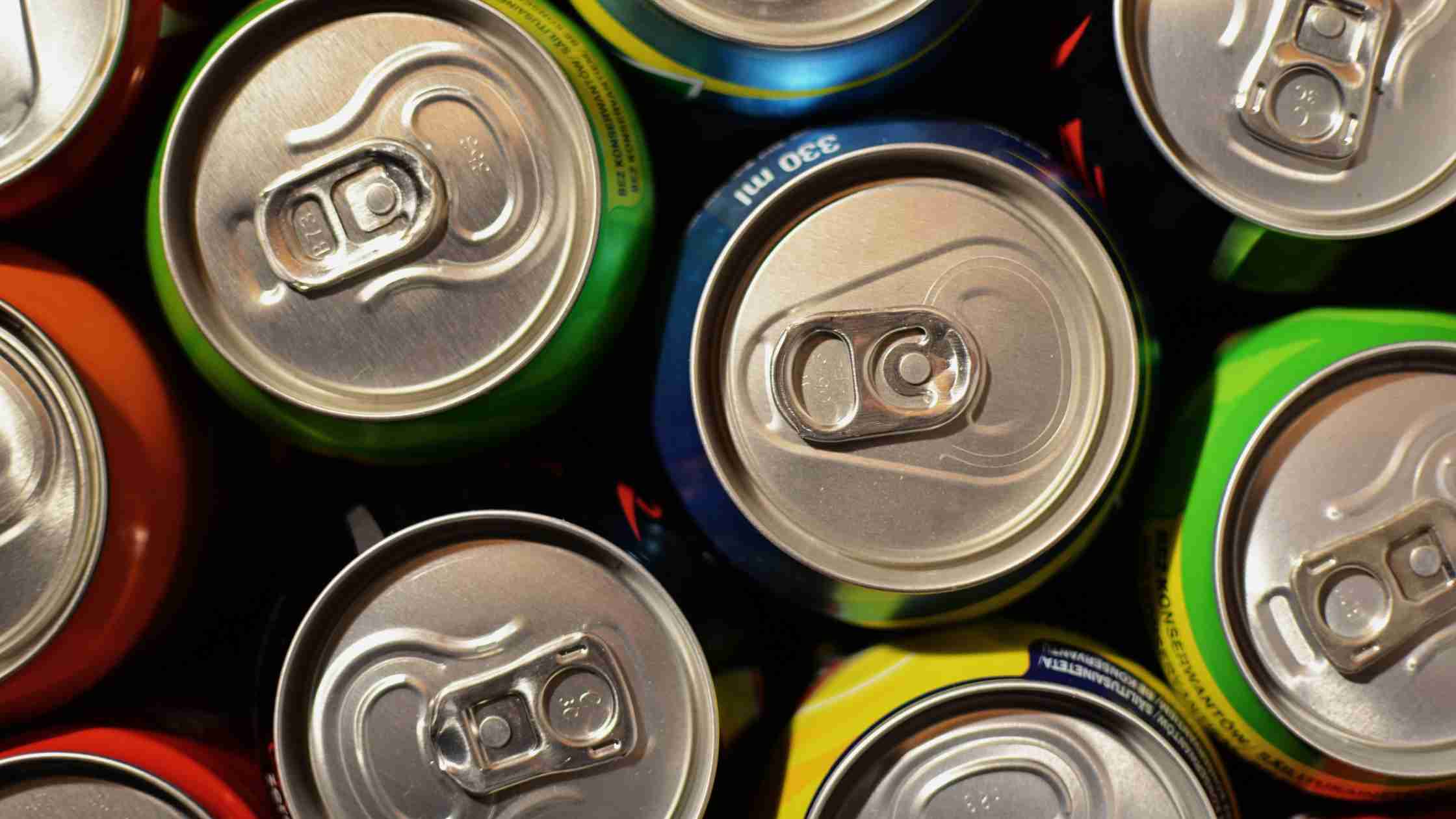
While soda Sodabe is a fun and fizzy treat, it is best enjoyed in moderation due to its high sugar content and lack of nutritional benefits. Regular consumption of Soda leads to a variety of health issues, including weight gain, diabetes, and dental problems.
By practicing mindful drinking and journaling about your soda habits, you can become more conscious of your intake and work toward healthier alternatives.
If you enjoy the occasional Soda, balances it with other hydrating, nutrient-rich beverages like water, herbal teas, or freshly squeezed juices. Remember, moderation is vital to enjoying Soda; Sodah soda sacrifices your health.
FAQs About Soda and Its Health Impact

1. How much Soda is soda soda drink?
Limiting Soda consumption to an occasional treat rather than a daily habit is best. Drinking soda in moderation, such as once or twice a week, can help reduce the health risks associated with excessive sugar intake.
2. Can diet soda be a healthier alternative?
Diet sodas are lower in sugar and calories but often contain artificial sweeteners, which can have health concerns. Some studies suggest that artificial sweeteners may disrupt metabolism and increase cravings for sugary foods, leading to overeating.
3. What are some healthier alternatives to Soda?
Alternatives to Soda water are sparkling water with a splash of fruit juice, herbal teas, or infused water with fresh fruits and herbs. These options provide hydration without the added sugars and calories.
4. Does Soda Sodae dehydrate?
While soda-sodaedes water has a high sugar content, it can dehydrate the body. Caffeine-containing sodas may also have a mild diuretic effect, which can increase fluid loss.
5. Can soda Sodaribute be used for kidney problems?
Some studies have linked the regular consumption of sugary sodas to an increased risk of kidney disease. This is due to the high levels of fructose, which can contribute to metabolic problems that may affect kidney function over time.