

Have you found yourself daydreaming about snacking on edamame? That satisfying pop of a perfectly salted soybean pod, the subtle nuttiness—no wonder it’s on your mind. But here’s the surprising part—your craving for edamame might tell you something important about your body and its needs.
Cravings aren’t random. They’re your body’s way of sending messages—whether it’s a nudge that you’re missing certain nutrients, a need for emotional comfort, or even a reaction to lifestyle changes. Understanding these signals can help you decipher what your body is asking for and make healthier, more mindful choices in your diet.
If edamame has been on your must-snack list lately, don’t worry—you’re not alone. Packed with protein, fiber, and essential vitamins, it’s a powerhouse ingredient that fits beautifully into diets of all kinds, from plant-based to keto-friendly. But why this craving now? That’s where it gets fascinating.
If this resonates with you, here’s a quick tip to level up your food self-awareness—journaling. By writing down when and why these cravings hit, you can start uncovering patterns, whether they’re tied to nutrition, emotions, or how you’re feeling. Think of it as a way to connect with your body and mind while enjoying the process of self-discovery.
Are you curious to learn the eight possible reasons behind your edamame cravings? Stick around—you might just uncover insights that could transform your approach to food (and maybe even yourself).

8 Reasons You Crave Edamame
Reason #1. Rich Source of Protein
Craving edamame? Your body might be calling out for a protein boost. Edamame is a fantastic source of high-quality plant protein, essential for repairing cells, building muscle, and keeping your energy levels stable throughout the day. It’s especially great if you follow a plant-based diet. Snacking on a bowl of edamame gives your body the tools it needs to thrive.
Tip: Include edamame in a balanced meal with whole grains and healthy fats for optimal nutrient intake.
Journaling Prompt: “When was the last time I ate a meal that was high in protein? How does my energy feel after eating snacks with protein like edamame?”
Reason #2. Magnesium Deficiency

Did you know edamame is an excellent source of magnesium? This mineral helps calm your nervous system, relax muscles, and regulate stress. If you’ve been feeling overwhelmed or tense, your craving for edamame may signal a magnesium deficiency. Stress often depletes magnesium levels, making this craving your body’s way of asking for a natural stress reliever.
Tip: Pair a handful of edamame with other magnesium-rich foods such as almonds, spinach, or dark chocolate.
Journaling Prompt: “Have I been feeling stressed recently? Am I eating enough magnesium-rich foods to support my well-being?”
Reason #3. Low Energy Levels

Edamame offers more than just protein—it also provides complex carbohydrates. Unlike sugary snacks, these carbs deliver a steady, long-lasting energy boost to keep you alert without the sugar crash. If you’re tired or sluggish, your craving could mean your body is looking for a reliable energy source.
Tip: Snack on edamame between meals, or toss it into a salad or stir-fry to maintain steady energy throughout the day.
Journaling Prompt: “When do I feel most tired during the day? Are my food choices contributing to energy slumps or steady energy?”
Reason #4. Hormonal Changes

If you’re pregnant, experiencing PMS, or going through any hormonal changes, your body might naturally crave foods high in folate—and edamame fits the bill. Folate is crucial for cell growth and hormonal regulation. Craving edamame could be your body’s way of signaling it needs extra support for overall hormonal balance.
Tip: Incorporate cooked edamame into a nutrient-dense meal with leafy greens and citrus fruits for a folate boost.
Journaling Prompt: “Do my cravings or appetite change during certain times of the month? How does my mood influence my food choices?”
Reason #5. Gut Health Support

Edamame is packed with fiber, significantly supporting gut health by feeding good bacteria and promoting digestion. If you’re dealing with irregularity or digestive discomfort, a craving for fiber-rich edamame may be your body’s way of encouraging better gut function.
Tip: Mix edamame with fermented soy products like miso or tempeh for a gut-friendly, probiotic-rich meal.
Journaling Prompt: “Am I experiencing any digestive issues? How can I add fiber to my diet to support my gut health?”
Reason #6. Comfort and Texture

Sometimes, we crave specific foods for their emotional comfort—and edamame is no exception. The warm, salty, and slightly nutty flavor, combined with the soothing ritual of popping each pod, can be incredibly satisfying. If you’re turning to edamame for comfort, you may be feeding more than just your appetite—you’re addressing emotional needs, too.
Tip: Enjoy the mindful act of eating edamame, which can also double as a simple form of stress relief. Try deep breathing as you snack to enhance the calming experience.
Journaling Prompt: “How do I feel emotionally when I eat edamame? What emotions am I trying to soothe or satisfy?”
Reason #7. Adapting to a Vegetarian or Vegan Lifestyle
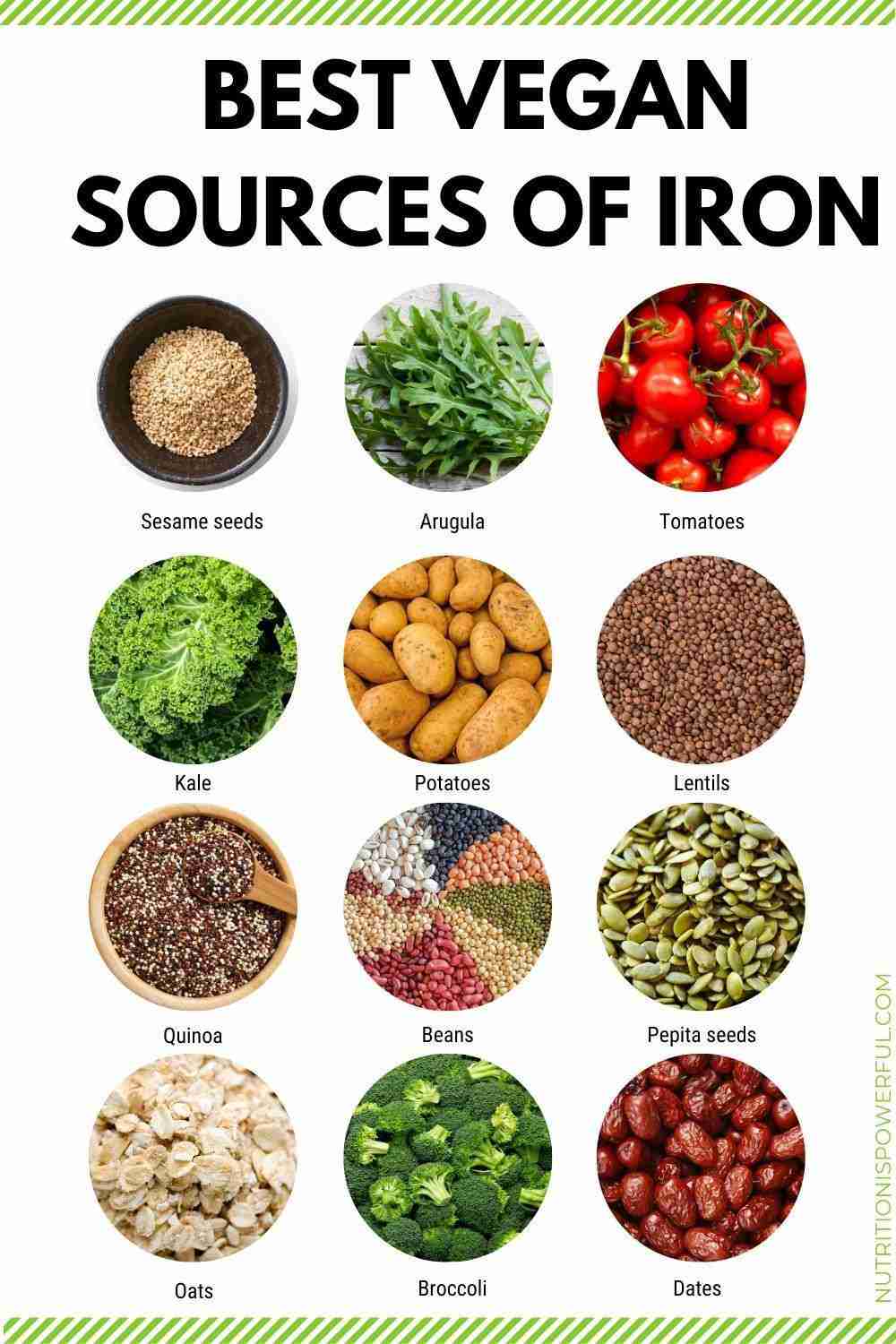
If you’ve recently transitioned to a vegetarian or vegan diet, cravings for edamame might indicate your body is adjusting to new protein sources. Plant-based proteins like edamame serve as complete proteins, meaning they contain all the essential amino acids your body needs—ideal for keeping you nourished while cutting down on meat.
Tip: To meet your protein needs, create a balanced plate with edamame, quinoa, and a mix of roasted vegetables.
Journaling Prompt: “Are my food choices aligned with my dietary goals? Am I getting enough protein and variety in my meals?”
Reason #8. Cultural or Flavor Cravings

Your craving might not just be about nutrients—it could be tied to flavors and memories. If you’ve tried and loved Japanese or Asian cuisine, where edamame is a popular appetizer, your taste buds might seek the comforting, familiar flavors of that cultural experience.
Tip: Sprinkle edamame with sea salt or sesame seeds for a subtle nod to the traditional way it’s served in Asian cuisines.
Journaling Prompt: “What memories or feelings are tied to craving and eating edamame? How do these flavors make me feel connected to experiences or culture?”
Cravings and the Binge Diet Cycle
Cravings are often viewed as signals from our bodies, but if left unchecked or misunderstood, they can point to larger emotional patterns or even underlying disorders.
One of the most common patterns triggered by cravings is the binge-diet cycle, which can be especially difficult to break.
This cycle involves a constant back-and-forth between periods of restriction and indulgence, often leading to feelings of guilt and shame. This vicious loop can disrupt our physical nutrition, mental health, and sense of well-being.
Understanding the Binge-Diet Cycle
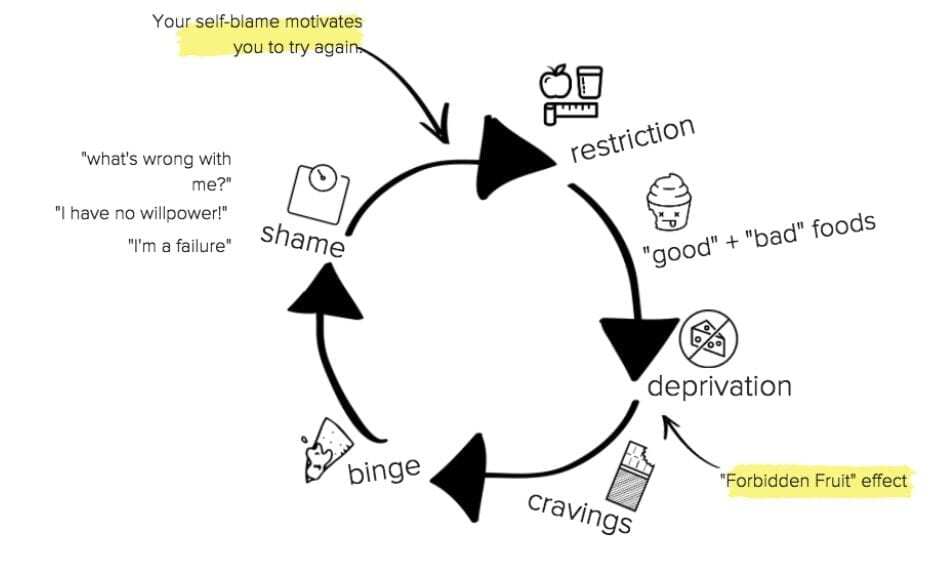
At the heart of the binge diet cycle is restriction. It begins when we restrict our food intake, consciously through dieting or unconsciously by denying ourselves foods we enjoy.
While this may seem like an attempt to gain control over our eating habits, it often sets the stage for cravings to build. When we restrict too much, our bodies and minds may react by intensifying our cravings for the foods we avoid.
These cravings, if left unresolved, often lead to overeating. The binge, although momentary, might feel like a relief from the hunger or emotional discomfort created by restriction. However, once the binge is over, guilt typically follows.
Feelings of shame and regret may surface, leading to a decision to restrict food once again, thus restarting the cycle. This ongoing loop of restriction, cravings, overeating, and guilt not only disrupts balanced nutrition but also has significant impacts on mental health.
It fosters a cycle of self-punishment that makes healthy eating feel unattainable, and it can lead to further emotional distress.
The Eating Enlightenment Approach
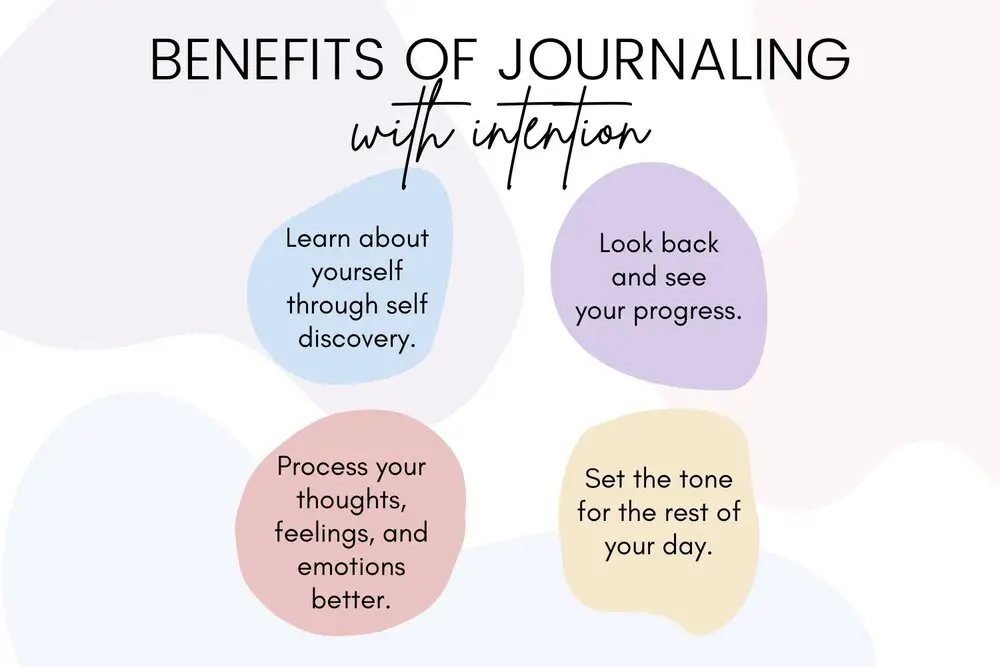
Breaking free from the binge-diet cycle requires more than willpower; it involves a holistic approach that nurtures both the mind and body. The Eating Enlightenment Approach introduces a series of mindful steps to help individuals develop a healthier relationship with food and understand the deeper root causes of cravings.
Step 1 – Nutritional Journaling: The first step involves tracking what you eat, not just the calorie count. This step focuses on the quality of your meals, encouraging you to log the protein, carbohydrates, fiber, and nutrients in each meal. By paying attention to these aspects, you can ask yourself, “Am I eating enough to meet my body’s needs?” This simple yet powerful question can help you identify whether your body is lacking the nourishment it requires, which can prevent cravings triggered by nutrient deficiencies.
Step 2 – Mindfulness of Triggers: Cravings are not always about hunger. They are often linked to emotions, environments, or other psychological triggers. Practicing mindfulness through journaling is a powerful tool for identifying these connections. By reflecting on your cravings, you can explore what’s behind them—stress, boredom, or even a memory. For example, you might feel the urge to snack on edamame. Instead of just satisfying the craving, journal your thoughts: What did I think when the craving hit? This helps you recognize patterns and gain control over your emotional eating.
Step 3 – Exploring Inner Voices: Sometimes, cravings point to deeper emotional needs. By continuing to journal, you can start to explore your inner narratives. These are often influenced by unresolved traumas or emotional voids that may be pushing you toward certain foods for comfort. For instance, if you’re craving edamame, you might ask yourself, “What part of me feels unfulfilled, and how does this food address that feeling?” By uncovering these internal drivers, you can address the root cause of your cravings and work on healing the more profound emotional wounds that may be fueling the cycle.
Through the Eating Enlightenment Approach, cravings no longer have to dictate your eating habits. By understanding the underlying causes, embracing mindfulness, and nurturing your body with balanced nutrition, you can break free from the binge-diet cycle and foster a more positive, nourishing relationship with food.
Final Thoughts:

Cravings are your body’s way of talking to you—and edamame cravings could hold valuable clues about what your body truly needs.
With curiosity, mindfulness, and tools like journaling, you can turn this craving into an opportunity for nourishment and self-discovery.
Download the [Eating Enlightenment Journal App] today to start your personal food journal and unlock a healthier, more mindful relationship with your diet.”