


Have you ever found yourself daydreaming about a buttery cob of corn or a warm bowl of popcorn? Maybe it’s that sweet crunch you’re chasing—or just the comforting aroma of grilled corn fresh off the barbecue.
Sound familiar? Don’t worry, you’re not alone! Cravings often appear unexpectedly, leaving us curious (and maybe slightly bewildered) about their origins.
Food cravings aren’t random—we often crave certain things for a reason. They could be your body asking for more of a specific nutrient, a mental nudge tied to personal memories, or even your brain reacting to stress or emotions.
These cravings, whether physical or emotional, matter, and understanding them is key to developing a healthier connection with food.
But here’s the exciting part. What if you could use cravings as a tool for self-discovery? Instead of fighting them off, what if you paused and explored what they’re trying to reveal? This is where journaling comes into play.
Taking simple notes on when you crave corn and how you feel in the moment can help you uncover powerful insights into your nutritional patterns, emotions, and everyday habits.
Curious about what your craving for corn might mean? Stick with me as we explore five reasons this golden grain has been on your mind—and how turning to mindful journaling can give you the answers you want.

Reason #1: Nutritional Deficiencies
Corn is packed with essential nutrients like magnesium, fiber, and B vitamins (folate and B6), which support energy levels, digestion, and overall health. If your body runs low on these nutrients, it might signal you to reach for something like corn to fill the gap. For instance, fiber aids in healthy digestion, while B vitamins keep your energy humming.
Take a moment to journal about your recent meals and ask yourself, “What have I eaten today? Could my body be asking for more magnesium or fiber?” Once you have clarity, you can adjust your meals to help meet those needs. Incorporate corn into a balanced diet by adding it to a hearty quinoa salad with black beans and fresh cilantro or whipping up a comforting corn and vegetable soup loaded with flavorful herbs.
Reason #2: Blood Sugar Regulation
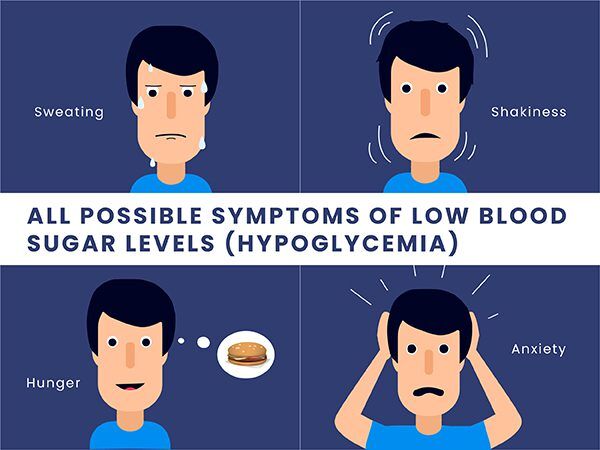
Corn’s low glycemic index makes it an excellent choice for maintaining steady blood sugar levels. If you’ve been skipping meals or had a sugary snack that led to a blood sugar crash, your craving for corn might indicate that your body is seeking stabilization.
Reflect on when your corn cravings tend to strike. Journaling can help pinpoint patterns with questions like, “Am I craving corn after a sugary snack or a long gap between meals?” Try pairing corn with protein or healthy fat to maintain steady energy throughout the day. For example, enjoy grilled chicken with a side of corn salsa or mashed avocado with roasted corn for a satisfying combination that sustains you.
Reason #3: Emotional Comfort and Habits

For many people, corn is tied to nostalgic or cultural traditions, like family barbecues, holiday meals, or summers filled with buttery corn on the cob. Cravings might arise from wanting to tap into those positive memories and emotions. Food has an excellent way of connecting us, even from years ago.
Explore these feelings by asking yourself, “Does this craving remind me of a specific memory or feeling?” Use these emotions as an opportunity to savor and celebrate. Prepare corn comfortingly, like grilling it and adding lime for a summer cookout vibe or baking cornbread to indulge in warm, nostalgic flavors. Reliving these traditions through food can be both satisfying and emotionally fulfilling.
Reason #4: Seasonal Influences

Corn cravings are often heightened during its peak season, typically late summer. Fresh, golden ears fill markets, and their vibrant appearance can nudge your tastebuds. Seeing corn in advertisements, recipes, or social media posts could fan your craving, linking it to the season’s abundance.
Consider how the season might influence your cravings by journaling, “Am I craving corn because it’s in season and I’ve seen it at the market?” Celebrate this natural rhythm by enjoying seasonal recipes like fire-roasted corn soup or a bright summer salad featuring grilled corn, avocado, and tomatoes with a zesty vinaigrette. Seasonal eating honors your body and the world around you.
Reason #5: Psychological Triggers
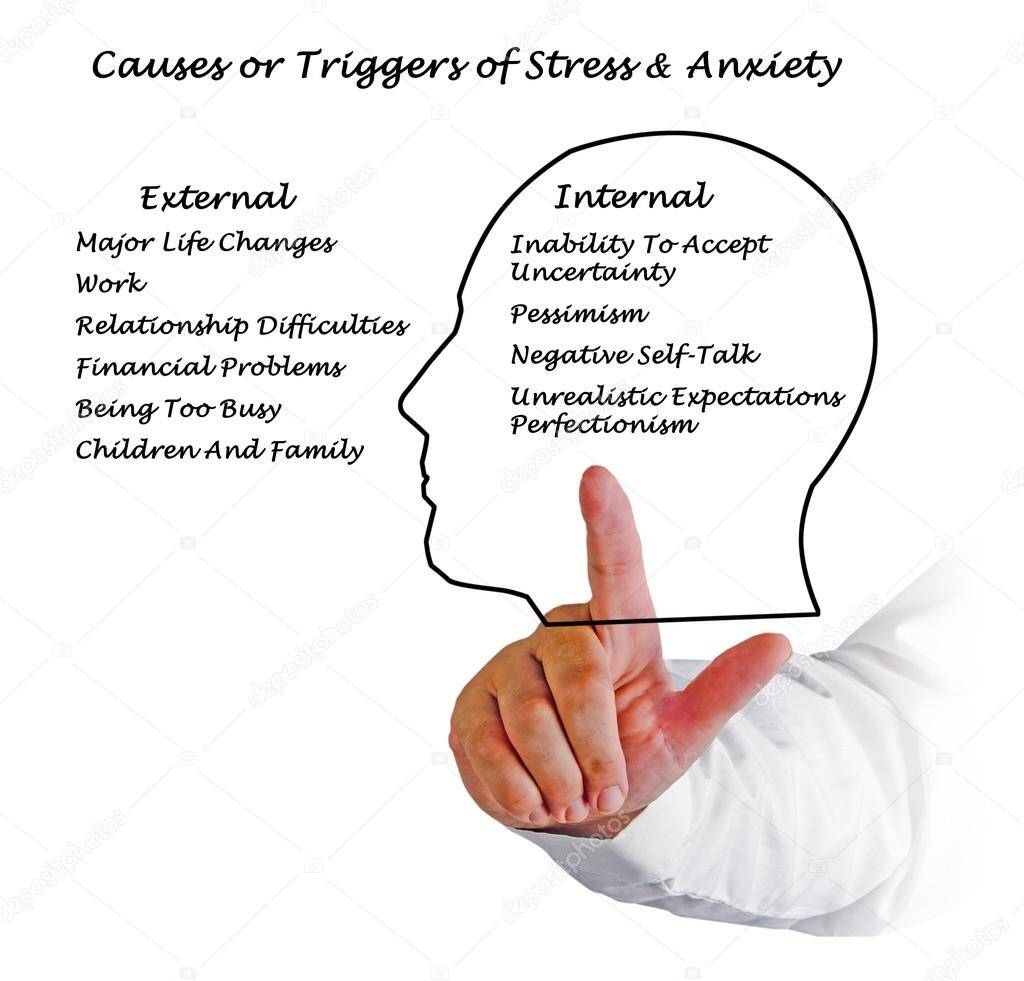
Stress, boredom, or loneliness can lead to cravings for comforting, starchy foods like corn. These feelings often drive us toward something familiar and grounding to fill an emotional void or provide a temporary sense of relief.
Pause when you feel the craving and reflect on your emotional state with the journaling prompt, “Am I feeling stressed or seeking comfort right now?” Practicing mindfulness before eating allows you to connect with your emotions without judgment. If the craving is stress-driven, take a moment to breathe deeply or engage in a short, calming activity. When you satisfy the craving, enjoy the corn mindfully, pairing it with balanced ingredients to create a nourishing meal, like roasted corn with a sprinkle of feta and fresh greens.
5 Myths About Corn Cravings: You Need to Stop Believing

Craving corn might feel puzzling, but misunderstandings about why it happens often lead to myths. Let’s debunk these misconceptions and uncover the truth about your body’s signals and this versatile grain.
Myth 1: Craving Corn Means You’re Addicted to Carbs
The Truth: A corn craving doesn’t mean you’re carb-addicted—it’s more likely your body is signaling a need for energy or nutrient balance. Corn contains complex carbohydrates, which provide a steady release of energy. Your body may want this nutrient-dense, easy-to-digest energy source, especially after intense activity or skipped meals.
Myth 2: Corn Cravings Always Indicate a Nutritional Deficiency
The Truth: While corn contains vitamins like B6 and minerals like magnesium, craving it isn’t a sure sign of a deficiency. Physical needs influence cravings but also have psychological and sensory origins, such as associations with comfort or enjoyable memories.
Myth 3: Corn Isn’t Nutritious and Should Be Avoided
The Truth: Corn is far from “empty calories.” It’s packed with fiber, antioxidants like lutein and zeaxanthin (great for eye health), and essential nutrients that promote digestion and metabolic health. Corn can be nourishing and satisfying when eaten as a balanced diet.
Myth 4: Craving Corn Means You’re Eating Too Much Processed Food
The Truth: While corn is a common ingredient in processed snacks, craving fresh or whole corn—like grilled corn or popcorn—isn’t linked to poor dietary habits. The natural sweetness and texture of entire corn can stimulate cravings, especially if you want something wholesome yet flavorful.
Myth 5: Cravings Are Just in Your Head
The Truth: Cravings often have a biological basis. For example, when your body craves corn, it may seek its carbohydrates, minerals, or even the hydration it provides. However, emotional and sensory factors, like cultural associations or a nostalgic memory tied to corn dishes, also shape cravings.
Cravings and the Binge-Diet Cycle

Unchecked cravings can lead to a vicious cycle of binge eating and restrictive dieting. When cravings are ignored or misinterpreted, they often escalate, resulting in overindulgence.
The guilt that follows pushes many to resort to restrictive diets, which only intensifies future cravings. This exhausting pattern isn’t about a lack of willpower—it’s a misunderstanding of the deeper signals your body and mind send.
The Eating Enlightenment 3-Step Process offers a way out. First, Nutritional Journaling helps you decode your body’s needs by tracking meals and ensuring balanced nutrition. Missing meals or unbalanced diets are key triggers for cravings, and journaling brings clarity.
Next, Mindfulness of Triggers helps you pause and reflect on emotional or situational influences. Whether it’s stress or a sensory memory tied to food, journaling allows you to understand and respond to your needs.
Lastly, Healing Inner Parts involves delving deeper into emotional patterns or unresolved pain. By nurturing these inner parts with compassion, you can reduce the emotional hold cravings can have on you.
Breaking free from this cycle begins with small steps. Start with a journal—track your meals, reflect on triggers, and explore your emotions. Each step uncovers your unique pathway to food freedom and self-awareness. Take the first step today and see where it leads.
Embrace Your Cravings

Corn cravings might initially seem mysterious, but as we’ve explored, they often carry more profound meanings. Whether they stem from your body’s need for nutrients, emotional connections to comfort foods, or seasonal cues, cravings are a natural part of the human experience—and an opportunity to better understand yourself.
By tuning into these cravings, you can uncover patterns in your eating habits and make healthier, more intentional choices. Rather than feeling guilty about craving corn, treat it as your body’s way of communicating with you. And the good news? You don’t have to figure it all out alone.
The free Eating Enlightenment Journal App makes it easy to track your cravings, reflect on emotional or situational triggers, and gain clarity on your dietary patterns. It’s a powerful tool for reconnecting with your body and making food decisions that nurture your physical and emotional well-being.
What’s your favorite way to enjoy corn? Grilled, popped, or added to a hearty soup? Share your story in the comments, or start your journaling journey today! Your cravings are waiting to teach you something remarkable—are you ready to listen?