


Have you ever daydreamed about the velvety richness of coconut milk in a creamy curry, the crisp crunch of perfectly toasted coconut flakes, or the revitalizing sip of ice-cold coconut water on a hot day? If so, you’re not alone. In all its forms, coconut has captivated taste buds and hearts worldwide.
From tropical beaches to bustling urban cafes, coconut has become a staple in global cuisines and wellness routines. Whether it’s the nourishing goodness of coconut oil, the hydrating power of coconut water, or the indulgence of a coconut-infused dessert, this simple fruit carries a versatile charm that speaks to tradition and modern health trends.
But have you ever wondered why this craving hits you so strongly? What is it about coconut that draws you in? Cravings often carry deeper meanings, whether they stem from a nutritional need, an emotional cue, or even a memory waiting to resurface. Together, we’ll explore five fascinating reasons behind your love for coconut and uncover the hidden signals your body and mind might be sending.
Journey with me as we dig into the rich, nourishing layers of coconut cravings—you might discover there’s more to it than meets the eye.

5 Reasons You’re Craving Coconut
Reason #1: Nutritional Deficiencies
Your craving might be your body waving a little red flag for help. Coconut meat and water are jam-packed with potassium, magnesium, and healthy fats—nutrients critical to keeping your body running smoothly.
Potassium and magnesium, for instance, play vital roles in muscle function and energy regulation. If you’ve been skimping on these, your body might turn to coconut’s abundance of electrolytes and minerals to replenish its stores.
A great way to investigate is to journal about your meals. Ask yourself, “What have I eaten today? “Could I be missing key nutrients like potassium or magnesium?” The Eating Enlightenment philosophy suggests keeping a food journal to help you spot nutritional gaps and guide your choices.
To address this craving healthfully, try savoring fresh coconut meat, unsweetened coconut flakes, or incorporating coconut water into your routine. Products like [coconut hydration drinks] are convenient and nutrient-rich options.
Reason #2: Dehydration
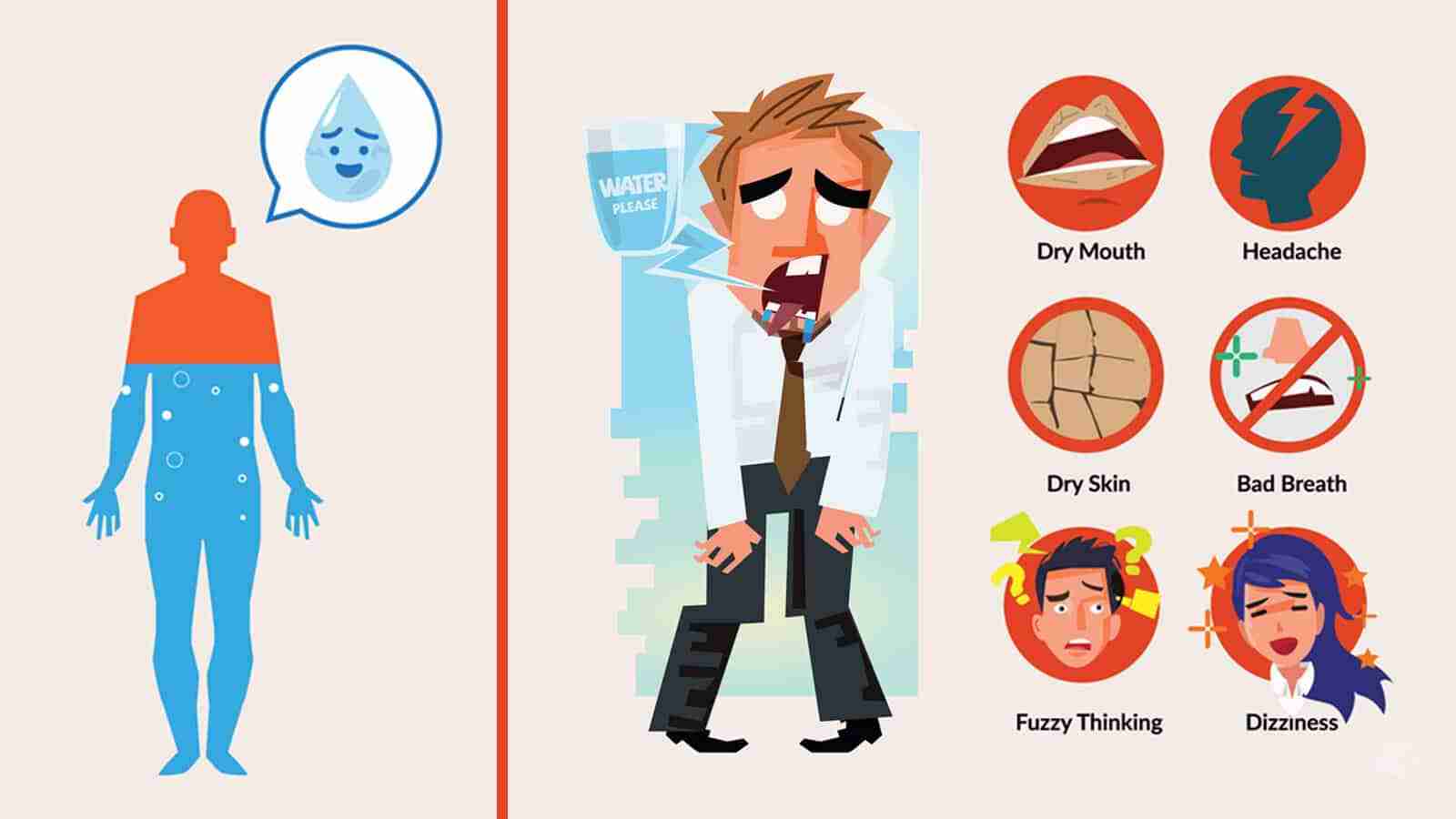
Thanks to its high electrolyte content, coconut water is often lauded as nature’s sports drink. If your inner compass points toward this tropical thirst quencher, it might be for a good reason—your body could cry out for hydration.
Dehydration doesn’t just leave you feeling thirsty; it can also make you tired, foggy, and even hungry when you need fluids.
Take a mindful moment to reflect on this journaling prompt: “How much water have I had today? Am I feeling thirsty or fatigued?” If the answer is less than enough, try hydrating with pure coconut water for its electrolytes and natural sweetness.
Pro tip: Choose an unsweetened variety to avoid added sugars. Staying hydrated will nourish your body, making cravings less likely to spring up unexpectedly.
Reason #3: Emotional Comfort
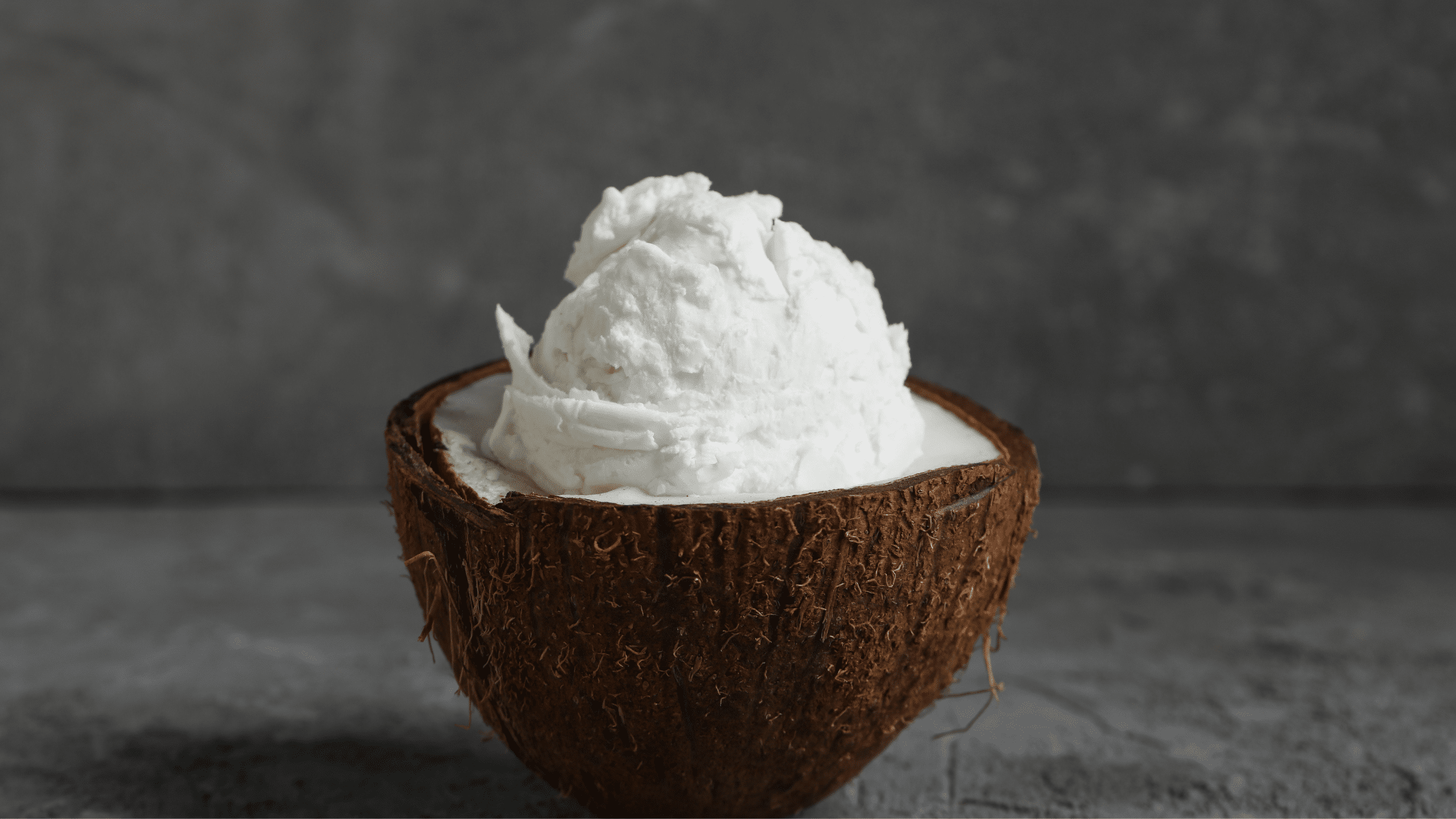
Coconut’s creamy texture and lush, tropical flavor can do more than satisfy a sweet tooth—they can transport you to a mental paradise of warmth, relaxation, and comfort—no wonder you might turn to coconut during emotional highs and lows.
Cravings for comforting foods often stem from stress, nostalgia, or fatigue. Think of it as your body saying, “I need a little extra care right now.”
Ask yourself, “What emotions am I feeling right now? Could I be seeking comfort through food?” This question can help you connect the dots between your cravings and emotions, a key principle of Eating Enlightenment’s approach.
Next time you long for coconut, try channeling that craving into a delicious and balanced treat like a coconut smoothie blended with banana and almond milk or sprinkling unsweetened flakes over yogurt. These options give you the indulgence you desire while maintaining a steady path toward nourishment.
Reason #4: Cultural or Habitual Influences
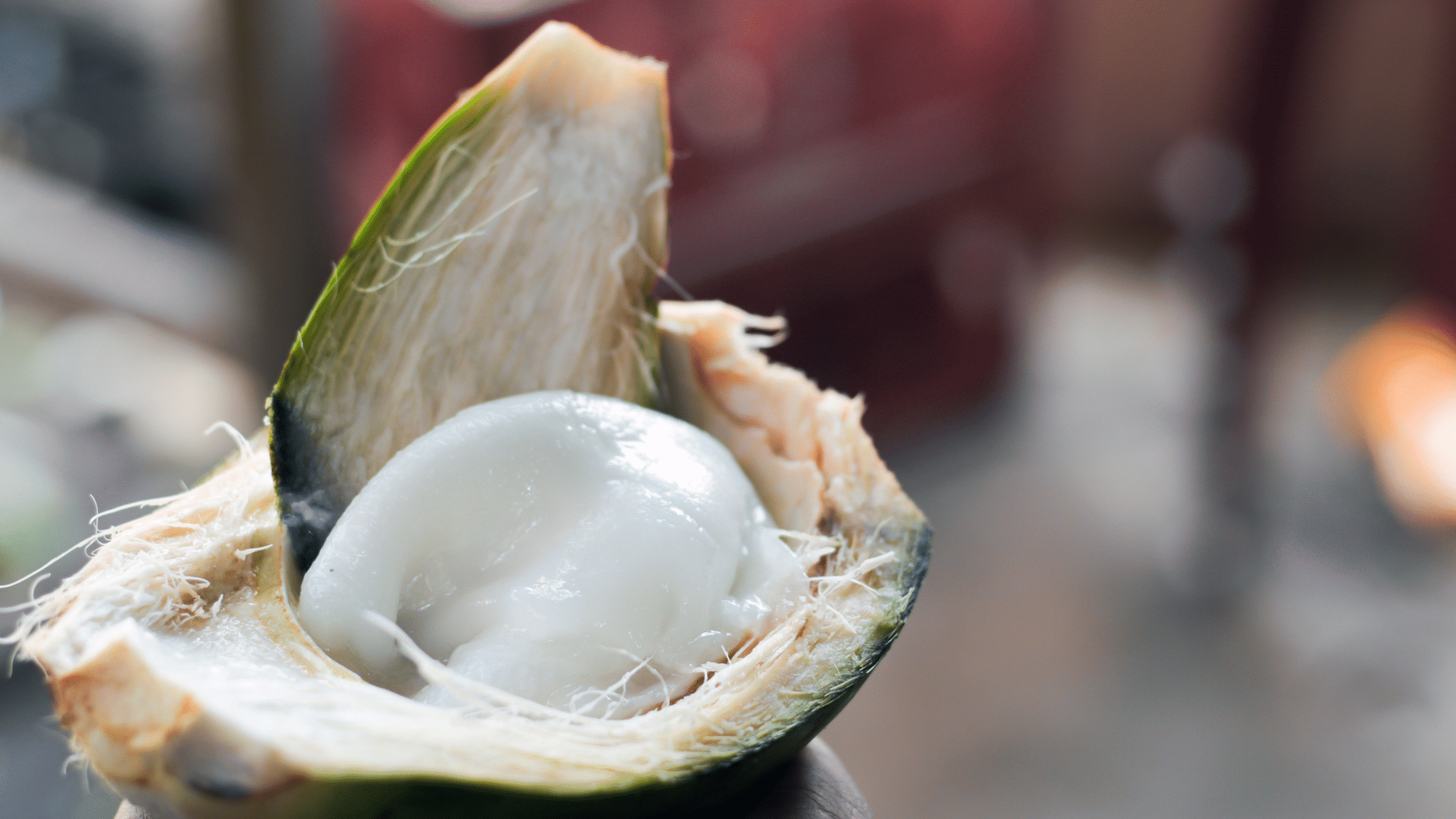
Does your coconut craving remind you of home? If coconut played a key role in the cuisine you grew up with—or is tied to special memories like vacations or family gatherings—your craving might be a beautiful example of food tied to tradition.
Food carries a deep sense of identity, and longing for familiar flavors could be your way of finding comfort or nostalgia in the middle of your day.
Use journaling to explore this connection. Ask yourself, “Does this craving remind me of a specific time, place, or person?” Reliving these positive memories can bring satisfaction even without eating.
But when the craving does call for action, lean into recipes from your childhood or cultural dishes. Whether it’s a warm coconut curry, Filipino bibingka, or Caribbean-style coconut rice, these meals can provide a rich sense of connection to your roots or cherished traditions.
Reason #5: Energy Boost

Feeling sluggish? Your craving might be less about flavor and more about your body seeking an energy boost. Coconut oil and meat are rich in medium-chain triglycerides (MCTs), a type of fat quickly absorbed and metabolized into energy—like jet fuel for your body and brain.
If you’re running on empty, your craving for coconut might come from your body’s need for fast, efficient energy.
Take stock of your energy levels with this journaling prompt: “Am I feeling low? Could I be seeking a quick pick-me-up?” If you need a boost, incorporate coconut in small, mindful ways—add a teaspoon of coconut oil to your morning smoothie or try a coconut-based energy bar. These choices will fuel your body sustainably without derailing your overall diet.
Cravings and the Binge-Diet Cycle

Ever wonder why cravings sometimes feel overwhelming? While occasional cravings are usual, persistent ones can hint at more profound issues, like stress or binge eating disorder (BED).
BED often follows a Binge-Diet Cycle—a loop of restrictive dieting, intense cravings, binge eating, guilt, and a return to restriction. Restricting certain foods can backfire, heightening their appeal and setting the stage for cycles of overindulgence and regret.
Journaling Prompt: “Am I restricting certain foods? How does this affect my cravings?”
The Eating Enlightenment Approach
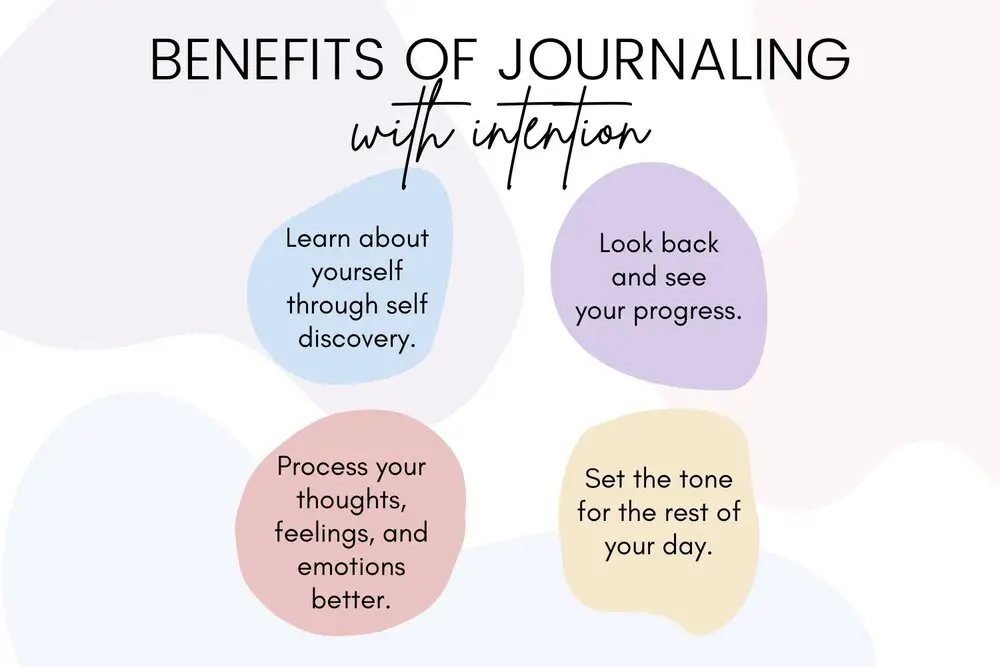
Breaking the cycle involves addressing physical, emotional, and psychological triggers through these steps:
Step 1: Nutritional Journaling
Track your meals to uncover patterns and nutritional gaps. Skipping meals or eating low-protein foods could explain unbalanced cravings. Awareness helps you adjust your choices.
Example Prompt: “What did I eat today, and how did it make me feel?”
Step 2: Mindfulness of Triggers
Cravings are often emotional signals, not just hunger. Reflect on when and why cravings arise—stress or boredom may be key triggers.
Example Prompt: “What was happening around me when I started craving coconut?”
Step 3: Healing Inner Parts
Cravings may represent emotional needs like comfort or connection. Journaling can help you identify these unmet desires and create healthier coping strategies.
Example Prompt: “What does this craving say about my inner needs or unresolved emotions?”
Cravings aren’t enemies but signals guiding you toward balance. Start journaling and listening to the deeper needs behind them. You can transform how you nourish your body and emotions.
Practical Tips to Satisfy Coconut Cravings

- Hydrate Smartly: Opt for unsweetened coconut water to replenish electrolytes.
- Snack Wisely: Choose unsweetened coconut flakes or coconut yogurt for a healthy treat.
- Cook Creatively: Incorporate coconut milk into curries or smoothies for a nutritious boost.
- Balance Your Diet: Ensure you get enough magnesium, potassium, and healthy fats from other sources, such as avocados and nuts.
Embrace Your Cravings
Cravings are not just random impulses—they are your body’s way of communicating needs. By taking the time to understand why you might be craving coconut, whether it’s due to nutritional deficiencies, dehydration, or even emotional comfort, you’re already on the path to making more informed, healthier choices. Recognizing and responding to your body’s needs is vital to a more balanced and fulfilling lifestyle.
Mindful journaling is one of the most effective ways to decode your cravings. Keeping track of what you eat, how you feel, and when cravings strike can provide powerful insights into your nutritional and emotional patterns.
The Eating Enlightenment Journal App is an excellent tool for this journey. This free app allows you to dig deeper into your cravings, understand your eating habits, and compassionately and effectively regain control of your health.

What’s your favorite way to enjoy coconut? Share your story in the comments, or take the next step toward a healthier you by downloading the Eating Enlightenment Journal App today! Start your journaling practice, uncover the messages behind your cravings, and transform your relationship with food for the better. Your path to mindful eating begins here.