

Have you ever caught yourself daydreaming about that satisfying crunch of almonds, only to wonder, “Why can’t I stop thinking about them?” Food cravings can feel random and mysterious, but they often hold deeper insights about what your body and mind truly need. Almond cravings, in particular, are worth exploring. After all, almonds have gained a reputation as the perfect snack—their wholesome blend of nutrients makes them both delicious and nutritious.
But here’s the thing: while it’s easy to chalk cravings up to habit or hunger, there’s often more beneath the surface. From nutrient imbalances to emotional cues, your sudden desire for almonds might carry a message you haven’t yet uncovered. That’s the purpose of this blog—to go beyond the surface and help you understand why these cravings strike, and what they might mean for you.
Cravings aren’t just about food; they can reveal much about your health, emotions, and daily habits. By taking a closer look through the lens of journaling, we’ll uncover five surprising reasons you might be reaching for those almonds. Together, we’ll explore how mindfulness and curiosity can turn these cravings into opportunities for self-understanding and growth.
Grab your journal (or download Eating Enlightenment’s free app) and join me as we crack open the mystery of almond cravings. You might be surprised by what you discover!

#1 Nutritional Deficiency
One of the most common reasons for almond cravings is a nutritional deficiency. Almonds are packed with magnesium, vitamin E, healthy fats, and protein—all essential nutrients for your body to function well. Magnesium, in particular, is key for energy production, muscle relaxation, and maintaining a positive mood. If you’re not getting enough magnesium in your daily diet, your body might draw your attention toward foods that provide it naturally, like almonds.
Instead of suppressing this craving, view it as a signal to check in with your overall nutrition. Adding magnesium-rich foods like spinach, legumes, or sunflower seeds to your meals may help curb these cravings while ensuring your body gets what it needs. Jot down your eating patterns with a journaling prompt like, “What has my diet been missing recently? Are there nutrients I might not be getting enough of?”
#2 Dietary Habits and Restrictions
Sometimes, cravings arise as a response to restrictive dietary habits. If you’ve been cutting back on fats or calories, your body may rebel by steering you toward energy-dense, nutrient-rich snacks like almonds. This is especially true if your diet doesn’t include enough healthy fats or satisfying meals.
Your body’s wisdom is often louder than any food rule—it craves what it needs for balance and nourishment. Rather than labeling your cravings as “bad,” you can focus on incorporating whole, satisfying meals with balanced protein, fats, and carbs. Mindful eating is key here, as it helps you savor and enjoy your food without guilt. Keep a journal to explore this relationship with prompts like, “Am I unintentionally restricting essential nutrients that my body needs?”
#3 Emotional Comfort and Stress

Almonds might also appeal to you on an emotional level. Maybe they remind you of comforting moments—like holiday treats or shared family snacks. Or perhaps you find their crunch satisfying when trying to soothe stress. Crunchy foods like almonds can subconsciously support emotional relief, as chewing tends to release tension.
If you notice these cravings during tough times, it’s worth pausing for a moment of reflection. Take a deep breath and ask yourself, “Am I hungry or stressed?” Sometimes, replacing snacking with stress-relief methods like journaling, a short walk, or even a warm drink provides the grounding you’re truly seeking. Write about your experience with a journaling question like, “What emotional needs am I seeking to fulfill right now?”
#4 Habitual Behavior
On the other hand, your craving might be rooted in habit. Have almonds become your trusty snack simply because they’re convenient and healthy? While this habit isn’t inherently harmful, cravings rooted in routine rather than intuition can lead you to eat on autopilot.
Paying attention to your habits can help determine whether you’re eating out of genuine hunger or just out of habit. Try diversifying your snack options with cashews, dried fruit, or yogurt to break the routine cycle and introduce more variety. Reflect on your patterns with the journaling question, “Am I eating because I’m hungry, or is it just part of my routine?”
#5 Hormonal Changes

Finally, hormonal changes can also increase your cravings for nutrient-dense foods like almonds. During menstruation, pregnancy, or menopause, your body undergoes shifts that can create specific cravings, particularly for foods rich in magnesium, healthy fats, and other nutrients almonds naturally contain.
These cravings are your body’s way of maintaining balance amid change. Instead of resisting, lean into this awareness by pairing almonds with yogurt or a small fruit to keep your blood sugar steady. Journaling can help you uncover patterns during these times. Try asking yourself, “How do my cravings relate to changes in my mood, energy, or hormonal cycle?”
Debunking 5 Myths About Cravings for Almonds
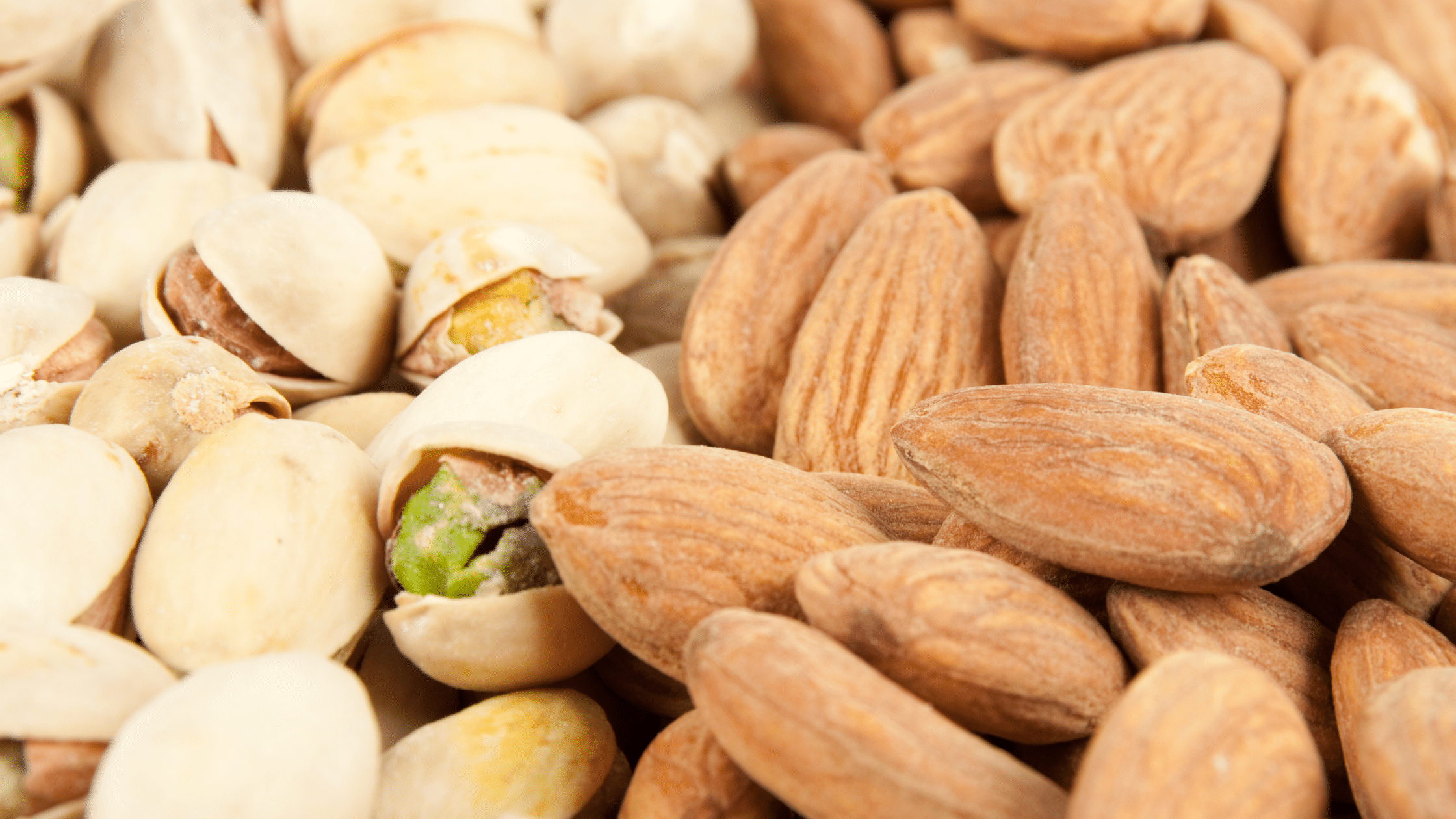
Almond cravings often spark curiosity but come with many misconceptions. Here’s a simplified breakdown to separate myth from fact:
- Myth: Almonds are unhealthy.
Truth: Almonds are nutrient-dense, full of vitamin E, magnesium, and healthy fats that boost heart and brain health.
Reassess: Enjoy almonds in moderation for their health benefits and satisfying energy. - Myth: Almonds cause weight gain.
Truth: While calorie-dense, almonds help control hunger thanks to their protein, fiber, and fats, which also support weight management.
Reassess: Stick to a handful (23 almonds) as a balanced snack. - Myth: Craving almonds means addiction.
Truth: Cravings are triggered by stress or deficiencies, not addiction. Crunchy, satisfying almonds might just be your go-to comfort food.
Reassess: Address cravings mindfully and pair almonds with other healthy options. - Myth: Cravings always mean deficiencies.
Truth: Almond cravings may reflect stress, emotions, or taste preferences, not necessarily nutrient gaps.
Reassess: Reflect on whether cravings stem from hunger, habits, or emotions. - Myth: Eating almonds at night is terrible.
Truth: Almonds, which are gentle on digestion and rich in tryptophan, make a great late-night snack that supports relaxation.
Reassess: A small handful of almonds is a healthy choice if you’re hungry before bedtime.
The Bottom Line
Almonds are nutritious, versatile, and not the villains myths suggest. With mindfulness and balance, enjoy your almond cravings guilt-free!
Could Almond Cravings Be Linked to Binge Eating?

Cravings can feel like regular, fleeting moments—your body calling for something salty, sweet, or crunchy. But some cravings, even for seemingly healthy foods like almonds, may hint at something deeper. They could signal emotional eating patterns or even be a part of the binge-diet cycle—a pattern many people unknowingly become trapped in. This cycle isn’t just about indulging or overeating; it’s rooted in the ways we respond to hunger, emotions, and restrictions.
The binge-diet cycle often begins with food restrictions, whether from dieting, stress, or busy schedules that leave meals skipped or incomplete. Restriction deprives your body and mind of what it needs, setting off intense cravings. Eventually, these cravings can overpower your willpower, leading to a binge episode—a moment when your body tries to compensate for the extreme deprivation by consuming as much as it can, often without awareness. Afterward, guilt and shame settle in, convincing you to restrict yourself again. That’s how the cycle continues, leaving people feeling disconnected from their bodies and out of control with food.
Almond cravings may contribute to this cycle for some. While almonds are nutritious and a balanced snack in moderation, they can evoke the same emotional and physical patterns as a binge episode when consumed excessively in response to stress or restriction. For example, someone restricting calories during the day might find themselves mindlessly eating handfuls of almonds in the evening, not because of hunger but as a way to cope with unmet needs—be they physical or emotional.
The good news is that there’s a compassionate way to interrupt and heal this cycle. The Eating Enlightenment approach offers a path of mindful self-discovery to help you reconnect with your body and food. Rather than battling cravings, you learn to see them as messengers, guiding you toward balance and awareness. Through a simple yet powerful three-step process, Eating Enlightenment transforms how you approach cravings and food.
Step 1 – Nutritional Journaling:
Start with the basics—nourishing your body’s physical hunger. Cravings intensify as a biological response when your body isn’t fed consistently or adequately. Use journaling to track your meals and notice patterns, such as skipping meals or not eating enough throughout the day. For example, if you regularly crave almonds mid-afternoon, ask yourself, “Am I eating balanced meals that sustain my energy?” Journaling these moments can spotlight gaps in your nutrition and help you make necessary adjustments, like adding more satisfying snacks between meals.
Step 2 – Mindful Awareness of Triggers:
Once you’ve addressed your physical hunger, it’s time to tune into the emotional triggers. Cravings often surface from hunger, stress, sadness, or other emotions. Journaling is a tool to document when and where your cravings happen and the feelings tied to them. For example, do almond cravings arise after a fight with a loved one or during stressful work hours? Exploring these triggers can bring you closer to understanding the emotional wisdom of your cravings. Prompt yourself with thoughts like, “What emotions or situations commonly lead to this craving?” Over time, you’ll begin noticing patterns that reveal profound insights.
Step 3 – Inner Healing with Journaling:
The most potent part of the Eating Enlightenment process involves going deeper. This step involves uncovering the underlying narratives, wounds, or childhood experiences that might influence how you relate to food today. Through reflective prompts like, “If my craving could speak, what would it tell me about what I need emotionally?” you permit yourself to acknowledge inner struggles while nurturing yourself with kindness. For some, almond cravings might whisper, “I need comfort,” pointing to unmet emotional needs. Releasing the judgment around these feelings and addressing them in healthier ways, like mindfulness or connection, can be immensely healing.
At its core, Eating Enlightenment encourages you to move from fighting cravings to understanding them. Binge eating or emotional eating isn’t about willpower—it’s a complex response to deprivation and emotional cues. By choosing curiosity and compassion, you replace unhealthy cycles with balance, peace, and empowerment.
If almond cravings—or any food cravings—have felt overwhelming, now is the time to take the first small step toward change. Download a journal app, pick up a notebook, and explore the story behind your cravings. By embarking on this reflective practice, you’re giving yourself the gift of awareness, which can lead to profound shifts in your relationship with food and emotions. Take charge of your eating enlightenment today—feel free, balanced, and at peace with every bite.
8. Takeaway and Empowerment

Almond cravings are more than just a fleeting desire; they’re your body’s way of communicating its needs. Whether they point to nutritional gaps, like a need for magnesium or healthy fats, reflect emotional stress, or even stem from routine habits, these cravings hold valuable insights about your well-being. Recognizing and decoding these signals allows you to meet your body’s needs with intentionality and care.
Start by pausing when the craving arises. Ask yourself, “Is this about hunger, comfort, or routine?” Document your thoughts and feelings, and don’t judge yourself—view it as an opportunity to learn. Tools like the Eating Enlightenment Journal App [App link] can help you uncover patterns in your cravings, connect them to underlying needs, and support healthier, more balanced eating habits.
Your almond cravings are an invitation to grow—be curious, be reflective, and take that first step toward food freedom. Download the free journal app today and begin your Eating Enlightenment. What insights will your next craving unlock?