


Regarding snacking, nuts often top the list for their unbeatable crunch, rich flavors, and versatility. The range of flavors and textures can satisfy any craving, from salted almonds to spiced cashews.
But beyond their taste, nuts are nutritional powerhouses packed with essential nutrients, making them a perfect option for mindful eating.
In this blog post, we’ll explore the dietary principles of nuts, the importance of mindful snacking, and how to incorporate them into your diet.
Nutritional Benefits of Nuts
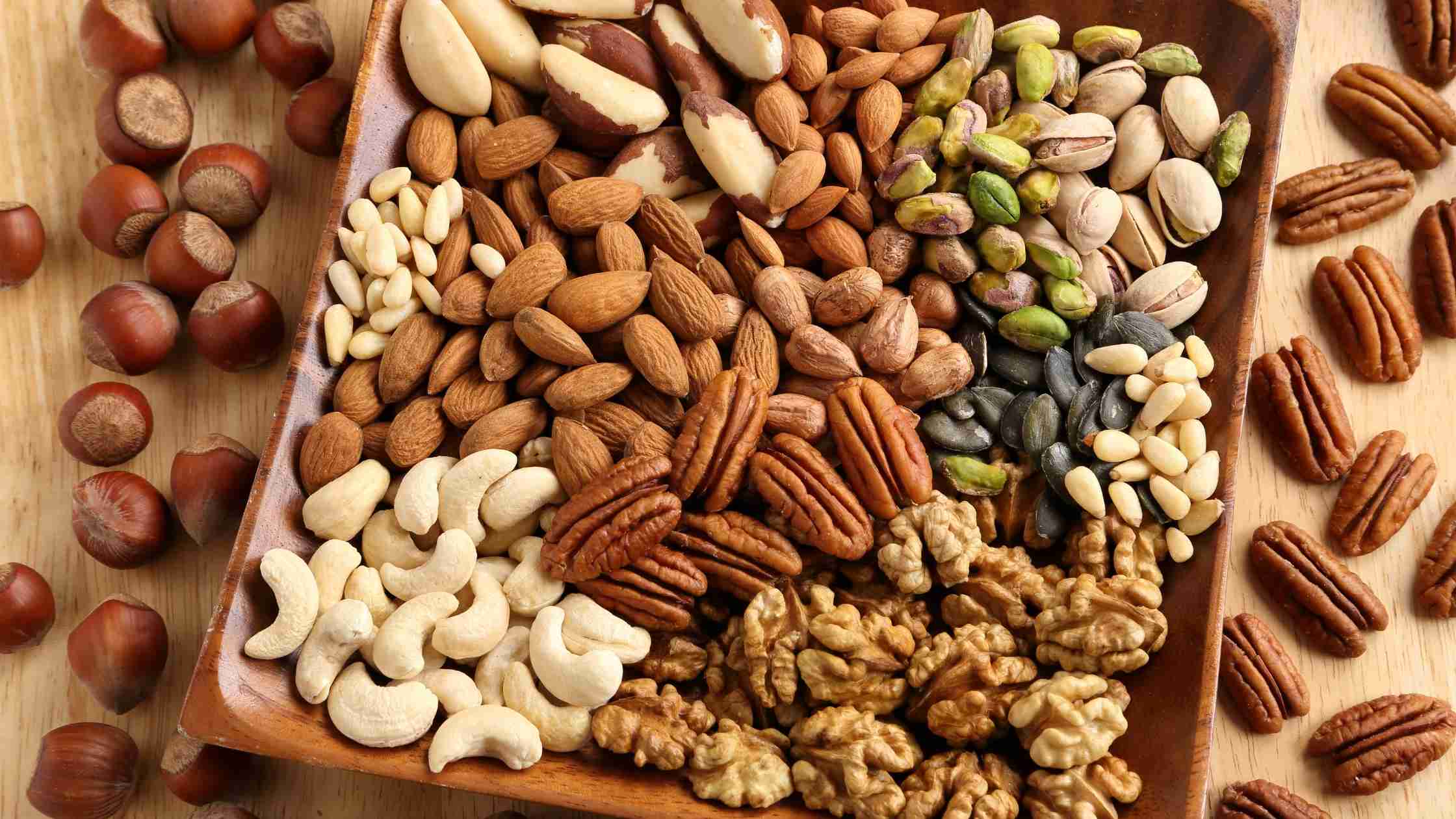
Nuts come in various shapes, sizes, and flavors but share impressive nutritional benefits. Here’s a breakdown of why these crunchy and salty treats are worth adding to your daily diet:
Rich in Healthy Fats
Most nuts are loaded with heart-healthy unsaturated fats. These good fats help reduce harmful cholesterol levels, lowering your risk of heart disease. Almonds, walnuts, and pistachios are exceptionally high in omega-3 fatty acids, which support brain health and reduce inflammation.
High in Protein
Nuts are a great plant-based protein source, essential for muscle repair and overall body function. A handful of nuts can provide 5-7 grams of protein, making them an ideal snack for vegetarians and vegans.
Packed with Fiber
Fiber is crucial for digestion and maintaining a healthy gut. Nuts like almonds, pistachios, and hazelnuts contain significant amounts of fiber, helping to keep you fuller for longer and supporting weight management.
Vitamins and Minerals
Nuts are rich in essential vitamins and minerals, including vitamin E, magnesium, and zinc. Vitamin E is a potent antioxidant that protects cells from damage, while magnesium supports bone health and muscle function. Zinc plays a role in immune health, making nuts a great addition to your diet for overall well-being.
Antioxidant Properties
Some nuts, particularly walnuts and pecans, contain antioxidants that help fight oxidative stress and reduce inflammation. These antioxidants are linked to a lower risk of chronic diseases like cancer and heart disease.
Low in Carbs
Nuts offer a low-carb, satisfying option for those watching their carbohydrate intake. This makes them a perfect snack for those following keto or low-carb diets.
The Importance of Mindful Snacking

In today’s fast-paced world, it’s easy to mindlessly munch on snacks without considering what we eat or how much we consume. This is where mindful journaling comes into play—a technique that encourages you to be fully present while eating, paying attention to your food’s taste, texture, and nutritional value.
By combining mindful eating with a daily journaling habit, you can track your food choices and how they make you feel, leading to healthier eating patterns over time.
Tips for Mindful Snacking with Nuts:
- Portion Control: Nuts are calorie-dense, so enjoying them in moderation is essential. A small handful (about 1 ounce) is a satisfying, nutrient-packed snack.
- Savor the Flavor: Take your time to enjoy each bite, noticing the different flavors and textures. Whether eating roasted, salted, or spiced nuts, being mindful of the experience can help prevent overeating.
- Mix It Up: Try different nut varieties and flavors to keep your snack routine interesting. Combining nuts with seeds, dried fruits, or dark chocolate can enhance the taste while providing additional nutrients.
Get Started Today! Don’t snack mindlessly—turn every bite into a mindful experience. Download the Eating Enlightenment App now to start tracking your meals, practicing mindful journaling, and improving your overall well-being through thoughtful eating habits.
Conclusion:
Nuts—whether crunchy, salty, or coated with delicious flavors—are much more than a tasty snack. They are nutritional powerhouses packed with healthy fats, protein, fiber, and essential vitamins and minerals.
By incorporating mindful journaling into your snacking routine, you can enjoy these benefits while being more conscious of your eating habits. Whether you prefer roasted, spiced, or salted nuts, there’s no denying that they are a satisfying and healthy option for any time of day.
FAQs About Nuts and Nutrition

1. Are salted nuts healthy?
When consumed in moderation, salted nuts can be part of a healthy diet. However, watching the sodium content is essential, as too much salt can lead to health issues like high blood pressure. Opt for lightly salted or unsalted versions whenever possible.
2. How many nuts should I eat per day?
A recommended serving size is about 1 ounce of nuts, roughly a small handful. This provides a good balance of nutrients without overloading calories.
3. Can I eat flavored nuts if I’m on a diet?
Yes, flavored nuts can be enjoyed on a diet, but be mindful of added sugars or unhealthy oils used in some coatings. Opt for natural flavors, such as spices or herbs, and avoid heavily sweetened or fried varieties.
4. What are the best nuts for weight loss?
Almonds, walnuts, and pistachios are excellent options for weight loss due to their high fiber and protein content, which help keep you full and satisfied.
5. Can nuts help lower cholesterol?
Yes, nuts like almonds and walnuts are rich in unsaturated fats, which help lower LDL (bad) cholesterol levels while raising HDL (good) cholesterol.