


Understanding your body is crucial to maintaining your health, especially as you age.
For women over 40, it’s essential to be aware of certain conditions that might go unnoticed but could have significant health implications.
One such condition is Paget’s Disease of the Nipple.
This blog post aims to illuminate this often misunderstood ailment, helping you recognize symptoms, seek timely diagnosis, and understand treatment options.
Introduction to Paget’s Disease of the Nipple
Paget’s Disease of the Nipple is a rare form of breast cancer. It affects the skin of the nipple and often extends to the areola.
Unlike other breast cancers, which manifest as lumps, Paget’s Disease presents itself through changes in the nipple and surrounding skin. Understanding these changes can help in early detection, leading to better outcomes.
Understanding the Symptoms and Early Signs
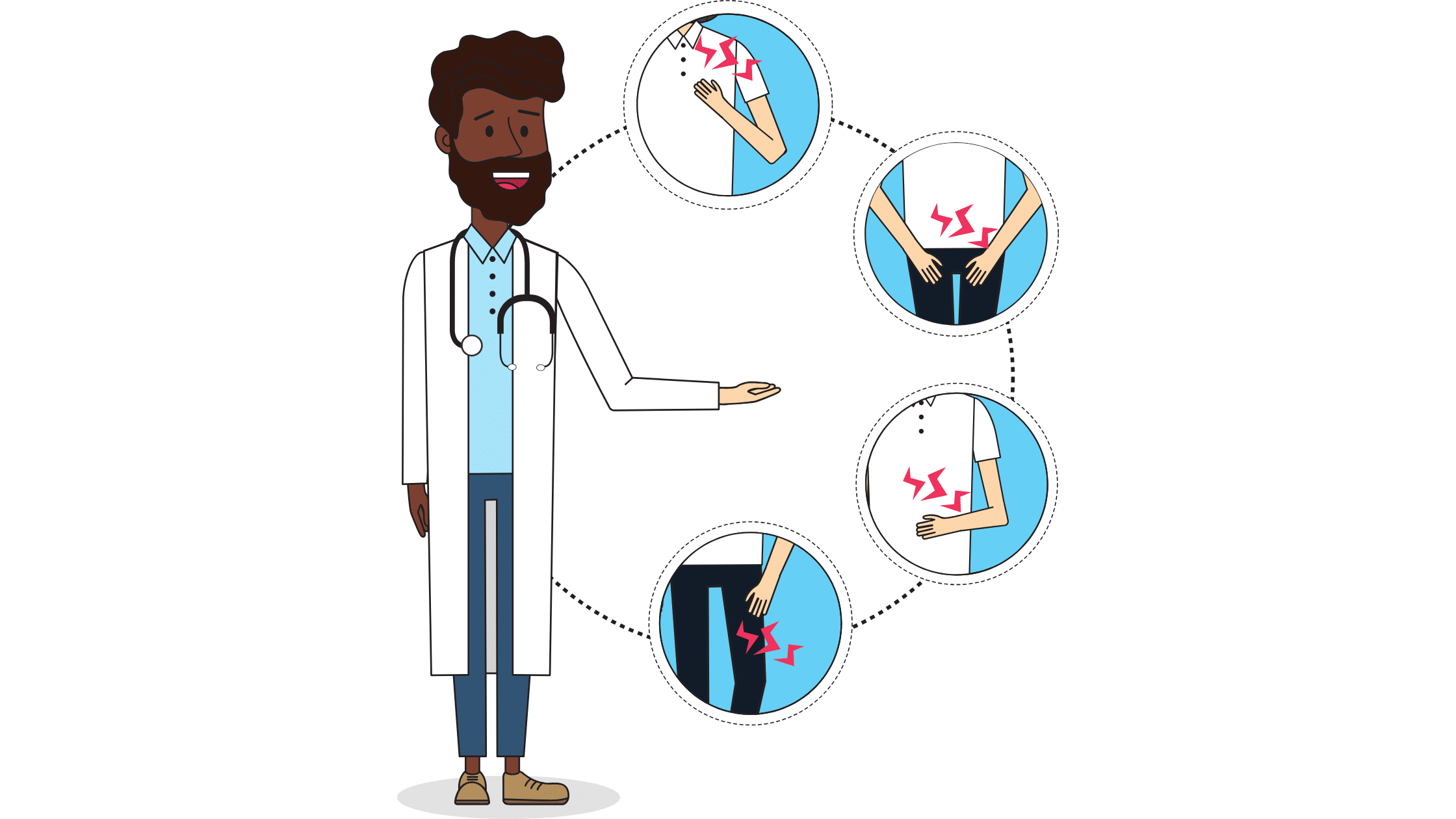
Nipple Changes
One of the first signs of Paget’s Disease is noticeable changes in the nipple. These subtle but important changes can include flattening, inversion, or a shift in position. The nipple might also appear crusted or scaly.
Skin Redness and Flaking
The skin around the nipple might become red and flaky. This can be mistaken for eczema or another skin condition. The redness may extend to the areola, making the entire area look inflamed and irritated.
Nipple Discharge
Another symptom to watch for is discharge from the nipple. This discharge can be clear, yellow, or even bloody. A healthcare provider should evaluate any unexplained nipple discharge.
Itching or Burning Sensation
Another symptom is an itching or burning sensation in the nipple area. This discomfort can vary in intensity but is persistent and unusual. It shouldn’tshouldn’t be ignored.
Risk Factors and Common Misdiagnoses
Age and Gender
Paget’s Disease primarily affects women over 50, but it can occur at any age. Men are rarely affected, but it’s not impossible.
Family History
A family history of breast cancer can increase the risk. If close relatives have experienced breast cancer, it’s essential to be vigilant about any changes in your breasts.
Breastfeeding History
There’s no direct link between breastfeeding and Paget’s Disease, but changes in breast tissue due to breastfeeding can sometimes complicate diagnosis.
Differentiating from Other Conditions
Symptoms of Paget’s Disease can be confused with dermatitis or eczema. However, unlike these skin conditions, Paget’s disease doesn’t respond to topical treatments. Persistent symptoms should prompt further investigation.
Diagnosis and Treatment Options

Diagnostic Tests
Early detection relies on a combination of self-examination and professional medical tests. Mammograms, ultrasounds, and biopsies are commonly used to diagnose Paget’s Disease.
Staging Paget’s Disease
Staging helps determine the extent of the Disease. This involves assessing whether cancer has spread beyond the nipple and areola to other body parts.
Surgical and Non-Surgical Treatments
Treatment options include surgery, radiation, and chemotherapy. Lumpectomies and mastectomies are standard surgical procedures. Treatment plans are tailored to the individual’s health needs and the stage of the Disease.
Coping with the Emotional and Physical Impact
Support Groups and Resources
Dealing with a cancer diagnosis can be emotionally taxing. Support groups provide a platform for sharing experiences and gaining emotional support.
Personal Stories and Testimonials
Hearing from others who have faced the same diagnosis can be empowering. Personal testimonials provide hope and practical advice for managing the Disease.
Importance of Early Detection and Advocacy
Raising Awareness
Raising awareness about Paget’s Disease can lead to early detection and better outcomes. Sharing information within your community helps spread knowledge.
Encouraging Regular Breast Self-Exams
Regular self-exams are crucial. Knowing what’s normal for your breasts helps you notice any changes early. Make it a habit to perform self-exams monthly.
Engaging with Healthcare Providers
Regular check-ups with your healthcare provider are essential. Don’t hesitate to discuss any changes you’ve noticed, no matter how small they seem.
What is the appearance of Paget’s Disease of the nipples?

Paget’s Disease of the nipple is a rare condition, often linked with underlying breast cancer. It typically presents with several notable changes in the nipple area. The appearance can include:
- Redness and crusting: The skin on the nipple and the areola may appear red and scaly, with flaky or crusty patches.
- Itching or tingling: A persistent itch or a tingling sensation around the nipple is common.
- Discharge: Sometimes, there might be a straightforward or bloody discharge from the nipple.
- Thickened skin: The skin may thicken and appear rough.
- Flattening or inversion: The nipple may flatten out or turn inward.
Attention to these symptoms and seeking medical advice if you notice any changes is essential. Early detection and diagnosis are crucial for managing Paget’s Disease effectively.
Always consult with a healthcare professional to understand and address any health concerns.
What is the appearance of Paget’s Disease of the nipples?
Paget’s Disease of the nipple can manifest through distinct and noticeable changes that require attention. The appearance often includes:
- Redness and scaling: The skin on the nipple and areola may become red, flaky, and scaly, signaling irritation.
- Persistent itchiness or burning: You might feel a constant itch or a burning sensation in the affected area.
- Discharge: There could be a discharge from the nipple, which may be transparent or blood-tinged.
- Thickened or hardened skin: The skin around the nipple might thicken and become rough.
- Nipple changes: The nipple itself may flatten, invert, or change shape.
If you notice these changes, consult with a healthcare professional. Early detection and understanding are key steps toward addressing any underlying concerns. Your well-being is essential, and seeking professional advice can guide you toward the right path for your health.
How quickly does Paget’s Disease cause Disease to spread?
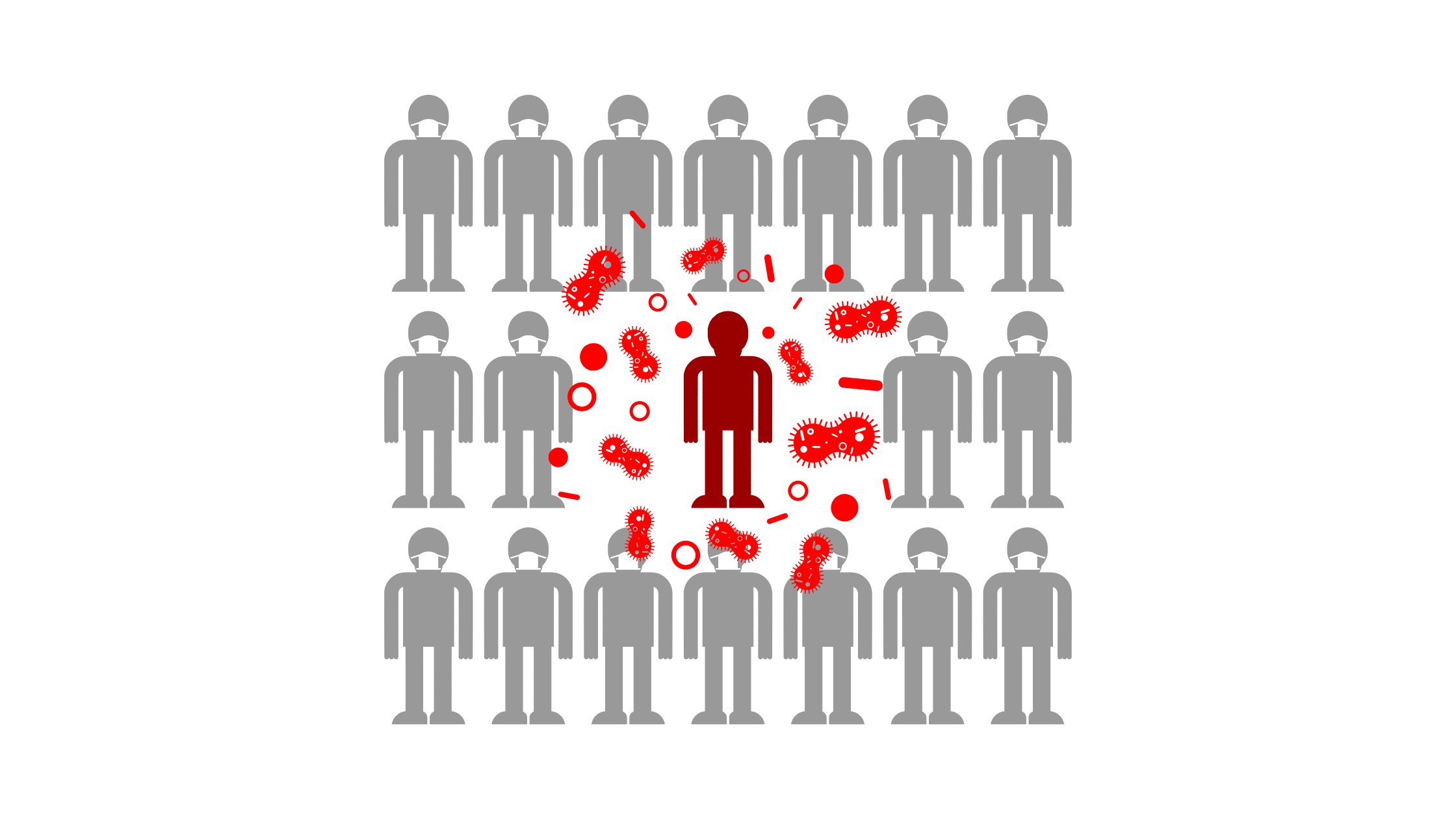
Disease of the nipple typically develops slowly, often over several months or even years. The progression can vary from person to person, influenced by individual health conditions and underlying factors.
One of the critical aspects of Paget’s disease is that it is frequently associated with underlying breast cancer. This means that while changes in the nipple area might appear gradually, the underlying condition could be more aggressive.
If you notice persistent changes such as redness, scaling, discharge, or any other unusual symptoms in your nipple area, it is essential to seek medical advice promptly. Early detection and intervention are crucial for effective treatment and better outcomes.
Your journey towards health matters. If you have concerns, speaking with a healthcare professional can help clarify and guide you through the steps needed for your well-being.
Is there a cure for Paget’disease of the nipple?
Paget’s disease of the nipple is a condition often associated with underlying breast cancer. Treatment typically involves a comprehensive approach to address both the symptoms and any related cancer.
The primary treatment for Paget’sPaget’sisease of the nipple often includes surgery. This may involve removing the affected tissue or even a mastectomy, depending on the extent of the Disease. In many cases, additional treatments such as radiation therapy, chemotherapy, or hormone therapy might be recommended to target any underlying cancer cells.
Early diagnosis and intervention are crucial. If you notice persistent changes in your nipple or areola, seeking medical advice can help you get the right treatment plan tailored to your needs.
Remember, every health journey is unique, and understanding your options can empower you to make informed decisions for your well-being. Consult with healthcare professionals who can guide you through this process with care and expertise.
Conclusion and Moving Forward
Paget’s disease of the Nipple is rare but impactful. Early detection through awareness of symptoms, regular self-exams, and professional medical advice can lead to better outcomes.
If you notice any unusual changes, seek medical advice promptly. Share this information with your loved ones to spread awareness and encourage proactive health measures.
By staying informed and vigilant, you contribute to your health and the health of those around you.
Remember, you are not alone in this. Resources and communities are ready to support you every step of the way.