

You hide the wrappers.
You delete the delivery history.
You swear: never again.
But then it happens again — quietly, painfully, sometimes mindlessly. Other times, it’s like watching yourself from the outside, powerless to stop.
Binge eating can feel like a secret life. Especially when you’re trying to heal alone.
Maybe therapy feels too expensive, too vulnerable, too hard.
Or maybe you’ve tried it before — and felt unseen, misunderstood, or overwhelmed.
That doesn’t mean you’re out of options.
In this article, you’ll find 9 evidence-based, emotionally grounded steps to support your healing journey. These are steps you can take on your own, at your own pace. No pressure. No perfection.
Just presence. Just possibility.
🧡 Curious about your relationship with food?
Take our free quiz for a compassionate starting point.
What Is Binge Eating Disorder, Really?

Binge eating disorder (BED) isn’t about a lack of willpower. It’s not just “eating too much.”
It’s a complex, multi-layered response to unmet needs, emotional overwhelm, and systemic pressures.
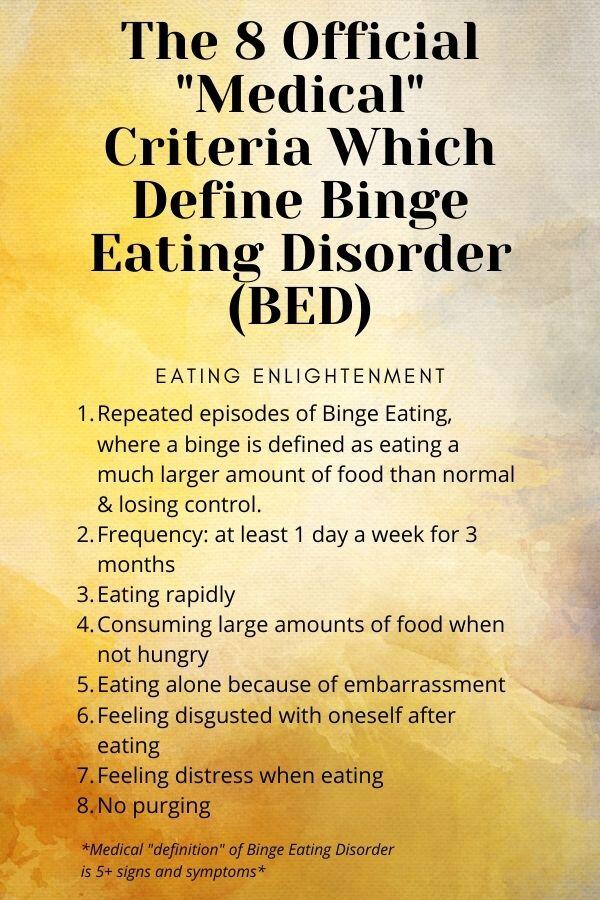
People with BED experience:
- Recurring episodes of eating large amounts of food, often quickly and in secret
- A feeling of loss of control during the episode
- Guilt, shame, or distress afterward
According to the National Eating Disorders Association (NEDA), BED affects an estimated 3.5% of women, 2% of men, and 1.6% of adolescents in the U.S.
But numbers miss the nuance.
BED is often rooted in:
- Early attachment wounds or emotional neglect
- Chronic dieting or restriction
- Perfectionism and internalized shame
- A dysregulated nervous system seeking safety through food
- Cultural messages equating thinness with worth
And most of all? BED is treatable. Even — and especially — when starting with self-help.
Step 1: Understand That This Is Not Your Fault
Let’s begin here.
You are not broken.
You are not weak.
You are not beyond help.
BED is a protective adaptation — not a character defect.
Often, it’s the body and brain trying to soothe themselves in the absence of safe relational connection, consistent nourishment, or emotional expression.
Instead of judgment, try asking:
“What pain is this behavior trying to help me cope with?”
Naming this truth dissolves shame — and opens the door to change.
Step 2: Eat Enough — Regularly

One of the most overlooked forms of self-help?
Not under-eating.
Binge episodes are often triggered by:
- Skipping meals
- Long gaps between eating
- Restricting carbs or fats
- Emotional or cognitive rules around “good” and “bad” food
Regular eating — about every 3–4 hours — helps regulate blood sugar, support nervous system safety, and rebuild trust in your body.
✅ Aim for 3 meals and 2–3 snacks daily
✅ Include protein, fat, and carbs in each meal
✅ Don’t wait until you’re starving to eat
✨ Want a gentle way to track meals and feelings without obsession? Try our Mindful Meal Journal App.
Step 3: Identify Your Emotional Triggers
Most binge episodes don’t come from physical hunger.
They come from:
- Loneliness
- Stress
- Shame
- Boredom
- Unprocessed emotions from earlier in the day (or week… or childhood)
Begin noticing:
“What am I feeling right before the urge hits?”
Even if you still binge afterward — the awareness starts to loosen the pattern.
You might even start seeing a pattern — like bingeing after work, during conflict, or in moments of deep fatigue.
Awareness is the first act of healing.
Step 4: Soothe the Nervous System Before the Binge
You can’t “logic” your way out of a binge when your nervous system is dysregulated.
Try this first:
🧘♀️ 2-Minute Reset:
- Sit or lie down
- Put one hand on your chest, one on your belly
- Inhale for 4, exhale for 6
- Name 3 things you see
- Say gently: “It’s okay to feel this way.”
These actions re-engage the parasympathetic nervous system (your “rest and digest” mode) and offer a sense of internal safety.
Step 5: Let Go of All-Or-Nothing Thinking
“I already messed up. Might as well keep going.”
Sound familiar?
This is binary, perfectionistic thinking — and it fuels the binge cycle.
Instead, try saying:
“This moment still matters. I can stop now, and that’s enough.”
Recovery is made in the micro-moments of return. Not in being perfect.
Step 6: Use Self-Compassion as a Tool, Not a Reward

Many people wait to be kind to themselves until they get it right.
But the shift happens when you offer compassion right in the mess.
“Of course I binged. Today was hard.”
“This part of me is trying to protect me.”
“I’m still worthy of love, even in this moment.”
Self-compassion is the ground from which sustainable change grows.
Step 7: Track Patterns Without Judging
Journaling can become a ritual of understanding rather than control.
Instead of tracking calories or macros, explore:
- Time and context of binge urges
- Preceding emotions
- Bodily sensations
- What the food gave you (relief, distraction, regulation)
- What you needed instead (rest, touch, safety)
📝 Our Mindful Meal Journal App supports this exact approach — with zero shame.
Step 8: Experiment with Alternative Soothing Strategies

You can’t remove the urge — but you can redirect it with care.
Try replacing a binge with one of the following:
- Walking outdoors
- Holding ice or tapping on your arms
- Calling a friend
- Drawing or coloring
- Listening to a favorite song while rocking gently
Not every strategy will work every time. But repeated efforts build capacity — and capacity builds change.
Step 9: Reach Out — Even If It’s Just a Little
You may not want therapy right now. That’s okay.
But healing rarely happens in isolation.
Even a small connection can help your body feel safe enough to release the binge pattern.
Try:
- Telling a trusted friend what you’re going through
- Joining an online support space
- Exploring coaching with Eating Enlightenment
Connection doesn’t require a breakdown. Sometimes it starts with a whisper.
You’re Not Alone — And You Don’t Need to “Fix” Yourself to Begin

Self-help doesn’t mean self-blame.
It means self-partnership.
Recovery is not a straight line.
Some days you’ll forget everything.
Some days you’ll remember just enough.
But each moment of awareness… each pause… each breath…
It counts.
It’s how healing begins.
✨ Curious where you are in your food story? Take our free quiz
📖 Want to reflect with safety? Download the Mindful Meal Journal App
🌱 Ready for guidance? Coaching is here when you’re ready
You’re already on your way.