


In a world where convenience reigns supreme, fast food has become an inseparable part of modern life. The tantalizing aroma of a burger, the satisfying crunch of fries, or the irresistible sweetness of a milkshake can be hard to resist.
But why exactly do people crave fast food? Is it just the convenience, or is there something deeper at play? And more intriguingly, could fast food be more addictive than other types of food? Let’s break down the science behind this.
The Appeal of Fast Food: A Combination of Factors
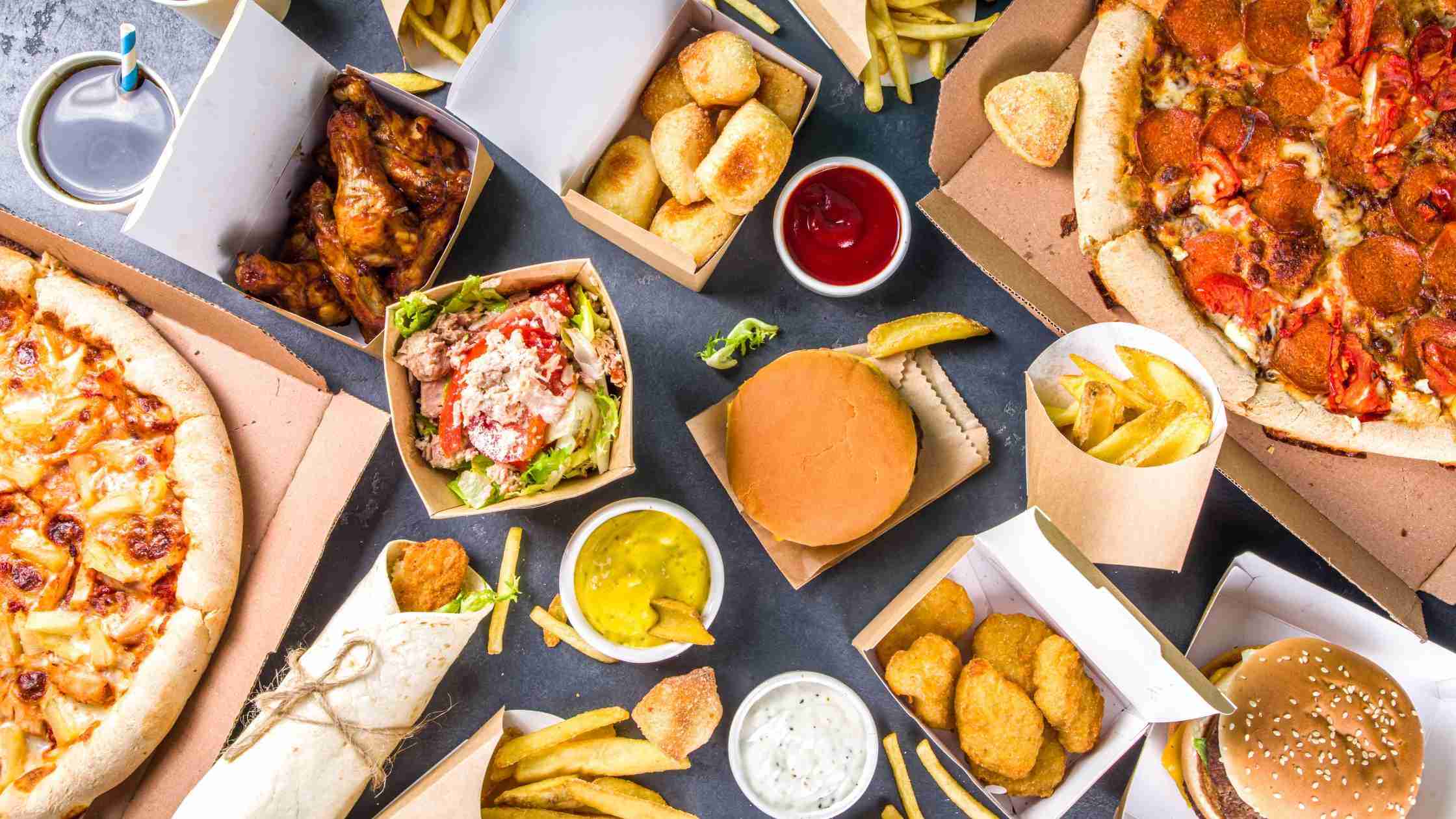
- Convenience and AvailabilityBy its very nature, fast food is designed to be quick and easy. In today’s fast-paced society, getting a hot, filling meal within minutes is a huge draw. Coupled with the fact that fast food outlets are seemingly everywhere, the accessibility of these meals makes them even harder to resist.
- Sensory Appeal: Taste, Smell, and Texture Fast food is meticulously engineered to hit all the right sensory notes. Companies spend millions researching to perfect the combination of flavors, textures, and smells. The “bliss point”—a term used in food science—describes the perfect balance of salt, fat, and sugar, making fast food highly palatable. The crunchy textures, greasy feel, and enticing smells make fast food irresistible.
- Psychological Triggers: Advertising and Branding Fast food brands have become marketing experts. Targeted advertising, catchy jingles, and visually appealing packaging create a psychological association between their food and positive emotions like happiness, satisfaction, or comfort. For many, grabbing fast food becomes an emotional experience tied to nostalgia or moments of indulgence.
- Affordability Fast food is often cheaper than healthier options, making it attractive for those looking to save money. With combo deals and value menus, people can easily feed themselves and their families without breaking the bank.
Is Fast Food More Addictive Than Other Foods?
Now comes the question of addiction. Is fast food more addictive than other types of food? While “addiction” is a strong word, research suggests that fast food can indeed have addictive qualities similar to those seen in drugs or alcohol.
- The Role of Sugar, Fat, and Salt The combination of sugar, fat, and salt in fast food triggers the brain’s reward system. When consumed, these ingredients release dopamine, a neurotransmitter associated with pleasure and reward. Over time, frequent consumption can lead to a pattern of habitual eating, where the brain craves the high that fast food provides. This reaction is similar to how the brain responds to addictive substances.
- Processed Foods and Hyper-Palatability Fast food is often highly processed, meaning it has been refined and stripped of nutrients, with added artificial flavors, colors, and preservatives. This makes it hyper-palatable, meaning the body doesn’t register fullness as quickly, leading to overeating. These processed foods are digested rapidly, causing a spike and subsequent crash in blood sugar, which can prompt further cravings.
- The Science of “Conditioned Hypereating” Some researchers propose the concept of “conditioned hypereating,” where people develop a heightened response to the sensory stimuli of fast food. Essentially, exposure to the pleasurable aspects of fast food (taste, smell, appearance) conditions people to crave it more, often in larger quantities. The body becomes desensitized to standard satiety signals, leading to a cycle of overeating.
- Emotional Eating and Stress Many people take fast food for comfort, especially during stressful or emotional times. The high levels of fat and sugar can provide a temporary mood boost by reducing stress-related hormones like cortisol. This creates a pattern where people associate fast food with emotional relief, reinforcing cravings.
Breaking the Fast Food Habit

While fast food can certainly be addictive, the good news is that awareness and mindful eating can help people break the cycle. Here are a few strategies to consider:
- Cook More at Home: Preparing meals at home gives you control over ingredients and portion sizes.
- Plan Meals: Having a plan can reduce the temptation to rely on fast food in moments of convenience.
- Mindful Eating: Paying attention to what and how much you eat can reduce the likelihood of overeating.
- Healthy Alternatives: Now, more nutritious fast food options are available, and minor substitutions—like grilled instead of fried—can make a big difference over time.
Mindful Journaling:
Cravings for fast food often stem from nutritional imbalances and emotional triggers. Start by nourishing your brain with balanced meals rich in fiber, protein, and healthy fats to reduce cravings.
Once you’re eating better, use mindful journaling to explore why you crave fast food—whether it’s hunger, stress, or habit. Before eating, take a moment to write down how you feel, which helps uncover emotional triggers.
Mindful journaling, a crucial part of Cognitive Behavioral Therapy (CBT), effectively manages eating habits. Apps like Eating Enlightenment can support this process, helping you track emotions and make healthier choices.
Healing Trauma:

Fast food cravings can be linked to unresolved trauma, with certain foods like sour flavors reflecting emotional tension. Trauma often creates “parts” within us that seek comfort through food.
To heal, nourish your body with balanced nutrition and practice mindful CBT journaling, which helps identify the emotional triggers behind cravings.
As you journal, this practice can evolve into IFS journaling, where you explore and heal the inner parts driving your cravings. This mindful approach allows you to understand and integrate these parts for long-term healing.
The Eating Enlightenment Course offers guidance in this process, helping you address the emotional roots of your cravings and heal your relationship with food.
Conclusion:

People crave fast food for many reasons—its convenience, taste, price, and emotional associations. However, the addictive nature of the ingredients, combined with psychological triggers, can create a powerful cycle of cravings that can be difficult to break.
While not everyone who eats fast food will develop an addiction, being aware of its potential to manipulate our brain’s reward system is a crucial step in making healthier choices.
Balancing occasional indulgence with healthier eating habits can help mitigate the addictive pull of fast food and foster a more mindful relationship with food.