

Have you ever stood in the candy aisle, fixated on licorice? Maybe it’s the bold, medicinal flavor of black licorice or the sweet, chewy pull of red licorice calling you. And you can’t help but wonder—why this craving? Food cravings might feel random but are often meaningful clues about your body, emotions, or past.
Cravings like these can uncover what your body or mind is signaling. Licorice is especially intriguing, with its strong, polarizing flavor—a far cry from typical snack cravings. What’s behind this urge?
From nutrition needs to stress or nostalgia, these cravings tell a story. We’ll explore eight reasons you crave licorice and what it might reveal about your health or emotions. You may find these insights unexpectedly enlightening. Ready to dive in? Let’s begin!

#1 Nutritional Deficiency
Your craving might be your body’s way of signaling a need for essential nutrients. Licorice cravings can mimic the demand for minerals like potassium, magnesium, or iron, nutrients vital for energy and balance. Some types of licorice contain salts, which could explain their appeal if you’re experiencing dehydration or an electrolyte imbalance.
Reflect on your recent meals—have they been nutrient-dense and varied? A journaling practice that tracks your dietary patterns can highlight missing nutrients and help you create a more balanced diet.
#2 Hormonal Shifts

Hormonal fluctuations, such as those during PMS, pregnancy, or menopause, can heighten sugar cravings, with licorice often becoming a source of comfort and satisfaction. Hormones like cortisol and serotonin regulate appetite, so shifts can naturally feel a longing for something indulgent.
If this resonates, consider jotting down the timing of your cravings in a journal. Do they occur during particular stages of your menstrual cycle or in response to hormonal changes? Awareness of these patterns can help you prepare healthier snack alternatives.
#3 Stress or Anxiety

Stress or being overwhelmed could also drive your licorice craving. Licorice’s sweet and soothing qualities may act as a temporary escape when life feels heavy. Elevated cortisol levels—your body’s stress hormone—often compel the brain to seek rewarding, sugary foods.
If this sounds familiar, pause and reflect on your current mental state. Journaling about your day-to-day challenges and stressors can give you the clarity needed to explore other ways to find calm, such as mindfulness practices or even a comforting cup of tea.
#4 Sugar Addiction

Sometimes, though, it’s not about stress or hormones—it’s about sugar itself. Licorice can deliver a concentrated sweet hit, triggering the brain’s reward pathways like other sugary snacks. Over time, this creates a feedback loop, making you crave more sugar.
Think back to when these cravings began. Is licorice replacing another sugary treat in your routine? Journaling can help you identify patterns and support you in seeking healthier ways to meet your body’s need for energy and pleasure without relying solely on sugar.
#5 Nostalgia and Emotional Comfort
For many, licorice is associated with warm memories of childhood or family, offering a tangible connection to simpler, happier times. This emotional connection can drive cravings when we yearn for comfort or reassurance.
If licorice reminds you of moments from your past, explore what those memories mean to you. Journaling can help you unpack the emotions behind the craving, allowing you to connect to those feelings more intentionally rather than seeking solace in food.
#6 Gut Microbiota Influence
Your gut health could be influencing your choices without you even realizing it. Certain gut bacteria thrive on sugar and may manipulate your mind and body into craving it—licorice included. If cravings are paired with digestive issues like bloating or irregularity, it’s possible your microbiome needs some attention.
Jot down how your digestion feels on days you crave licorice. Incorporating more fiber, fermented foods, or probiotics into your diet may help balance your gut bacteria, reducing these targeted cravings.
#7 Medicinal and Healing Properties

Did you know that real licorice root has been used medicinally for centuries? If your craving for licorice coincides with physical symptoms such as a sore throat or digestive discomfort, it could signal that your body is looking for relief.
Licorice root is a natural remedy known for its soothing properties. When you feel a craving, take a moment to check in with your body and note any physical ailments in your journal. Could your craving be your body’s intuitive way of seeking a remedy?
#8 Desire for Boldness or Novelty
Finally, your craving could reflect a longing for something bold or exciting. Licorice stands out from other treats with its distinct and polarizing flavor, potentially symbolizing an appetite for novelty in an otherwise monotonous routine.
Ask yourself if this feels true. Are you stuck in your daily life? Journaling about what might be missing, such as creativity, spontaneity, or variety, could help you see the deeper desires behind the craving.
Understanding Cravings and the Binge-Diet Cycle

Cravings can feel overwhelming—a sudden, irresistible urge for chocolate, chips, or licorice that seems impossible to ignore.
While occasional cravings are regular, frequent or uncontrollable urges may signal deeper issues, particularly for those caught in the binge-diet cycle. Recognizing cravings as more than fleeting desires is a key step toward transforming your relationship with food.
Cravings as Clues, Not Weaknesses
Cravings often arise from unmet emotional or nutritional needs, acting as signals rather than failures. For example, an intense craving for licorice might surface during stress or boredom, offering temporary comfort.
These urges aren’t about weakness or indulgence—they’re clues about imbalances in your life that deserve curiosity and compassion.
Breaking Down the Binge-Diet Cycle
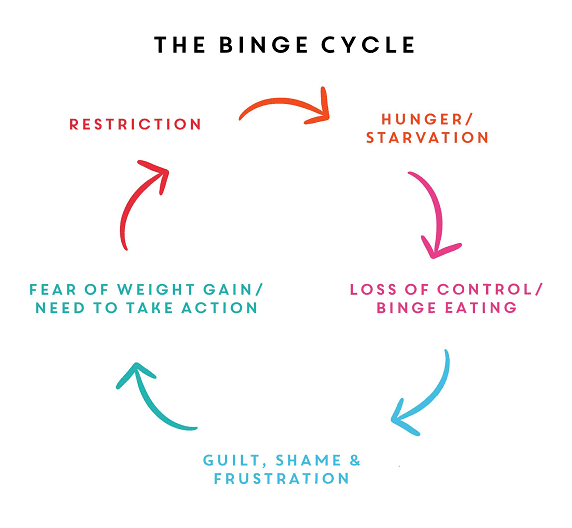
Understanding cravings involves examining the binge-diet cycle, a typical pattern that fuels disordered eating:
- Restricting Food Intake – Dieting or avoiding certain foods creates deprivation.
- Intense Cravings – The body has a heightened desire for “forbidden” items.
- Binge Eating – Cravings lead to overeating, followed by guilt or shame.
- Promise to Restrict Again – To counteract the binge, restriction resumes, perpetuating the cycle.
Escaping this loop means addressing its root causes—your body’s need for nourishment and your mind’s emotional triggers.
Developing Mindful Awareness

Rather than suppressing cravings, approach them with mindful awareness. Pause when cravings hit and ask yourself, What does my body or mind need right now? Are you hungry, stressed, or avoiding emotions? Viewing cravings as important signals can help you respond thoughtfully instead of impulsively.
The Eating Enlightenment Approach to Cravings
Eating Enlightenment offers a three-step process to help you unpack and heal cravings:
- Nutritional Journaling – Track what, when, and why you eat without judgment. Patterns like skipping meals or restricting sugar often lead to stronger cravings. Address these gaps to stabilize your body’s needs.
- Mindfulness of Triggers – Identify emotions or environments tied to cravings. For instance, stress after a long day might trigger your urge for sweets. Writing about these moments builds awareness and offers insights.
- Exploring Inner Voices – Cravings often connect to emotional wounds or unaddressed needs. Journaling prompts like “What part of me craves comfort?” or “What deeper need is food fulfilling?” guide deeper self-reflection and healing.
Practical Tips for Managing Cravings

- Balance Your Meals – Include protein, healthy fats, and complex carbs to reduce sugar spikes.
- Stay Hydrated – Sip water throughout the day to rule out thirst-driven cravings.
- Pause and Reflect – Take deep breaths before reacting to a craving and explore what might be driving it.
- Seek Alternatives – Satisfy sweet cravings with fresh fruit or licorice tea for a healthier option.
Closing Thoughts
Craving licorice may seem like a simple desire for something sweet, but it often signals something deeper. Whether tied to nutritional gaps, heightened stress, or emotional eating patterns, understanding the reasons behind your cravings is a key step toward improved health and well-being.
When you take the time to decode these cravings, you gain valuable insights into your diet and your emotional and physical needs.
This is a process of discovery, not perfection. Every moment of curiosity and reflection brings you closer to a more balanced and peaceful relationship with food.
To help you on this path, consider downloading the free Eating Enlightenment Journal App. This powerful tool allows you to track your eating habits, identify trends, and uncover the emotions driving your cravings.
With mindful journaling, you can turn licorice cravings—and any food craving—into opportunities for growth and better choices. Start today, and take your first step toward a deeper, more compassionate understanding of yourself and your health. Your body, mind, and heart will thank you.