
For years, food ruled my life.
Not just what I ate—but what I thought about, worried about, and punished myself over.
There were days I’d wake up full of resolve and end the night in secret shame. A bag of cookies. A quiet room. A hollow ache I couldn’t name.
If you’ve ever been there—if you’re there now—I want you to know this: healing is possible. And not only possible, but real. Tangible. Lived.
This article is about what comes after the storm.
It’s a compassionate guide to what life can actually look like beyond binge eating disorder. Not just symptom-free, but full—of breath, of body, of meaning.
If you’re curious about your current patterns with food, our free quiz offers a gentle way to explore where you are right now.
What Does Recovery Actually Mean?
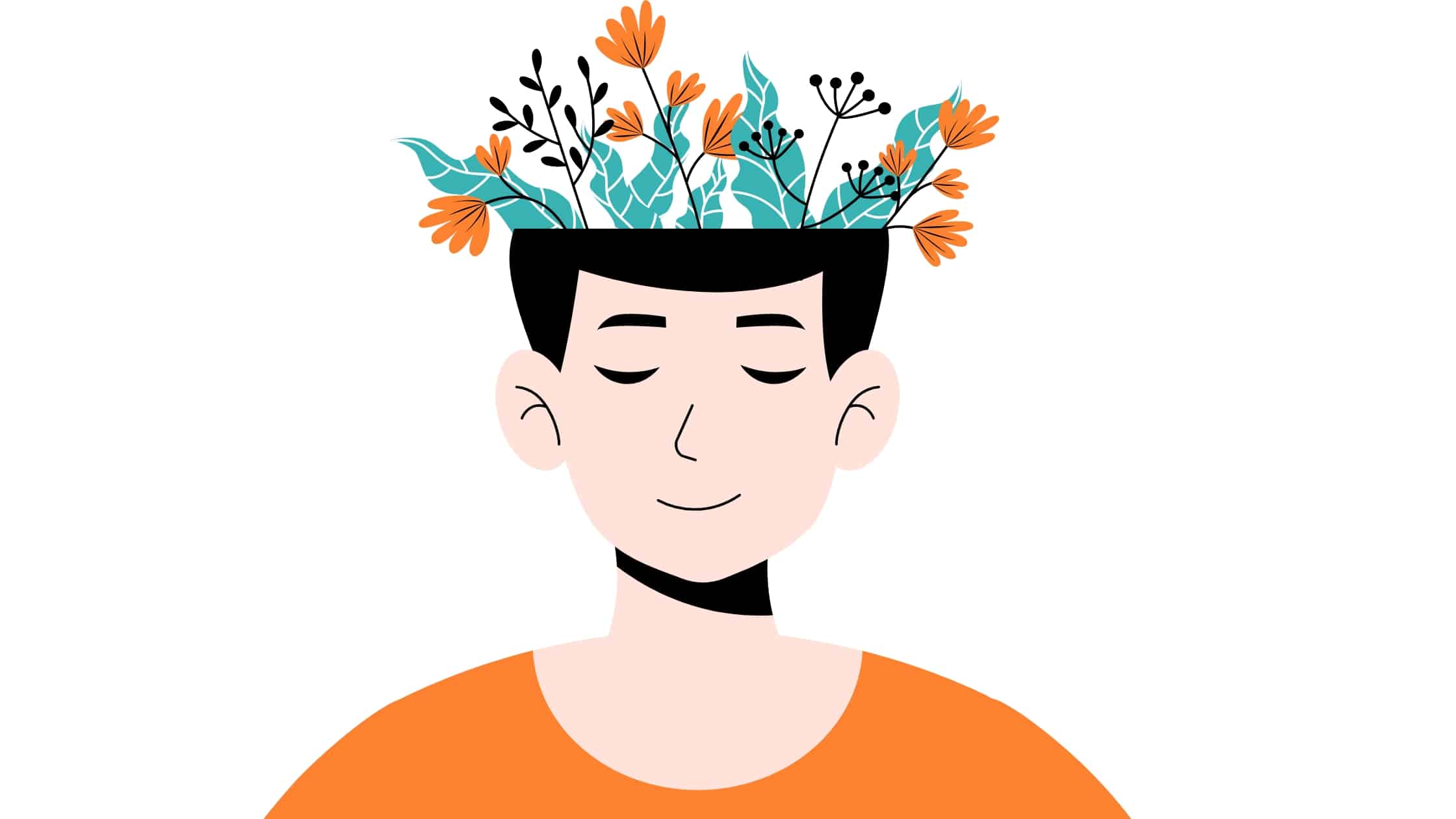
Recovery is not the absence of urges.
It’s the presence of something deeper—something truer—that helps you respond differently.
In the early stages, recovery might look like fewer binges. More pauses. Slightly softer inner voices.
Later, it starts to look like:
- Trusting your hunger without fear
- Choosing food that nourishes, not punishes
- Feeling emotions without needing to numb them
Recovery is also nonlinear.
You might feel free one month and caught the next. That’s not failure—that’s how healing moves: in spirals, not straight lines.
According to the National Eating Disorders Association (NEDA), full recovery from binge eating disorder is absolutely possible—with studies showing that around 60–85% of individuals reach sustained remission with proper support (Hudson et al., 2007).
That support can take many forms: therapy, coaching, self-awareness, community. And sometimes, a single moment of choice repeated over and over
The Unexpected Grief of Letting Go
Here’s something we don’t talk about enough: sometimes, recovery feels like loss.
Food was more than food. It was a buffer. A balm. A break from the pain.
When we stop using it the same way, there can be a void.
Some people call it emptiness. Others, restlessness. Sometimes, it shows up as boredom, or even fear.
This grief is normal.
You’re not just giving up a behavior—you’re giving up a system that worked in its own way.
In my own journey, I remember crying not because I missed the binge—but because I no longer knew who I was without it.
Recovery meant rebuilding not just how I ate, but how I lived.
What Life Feels Like After Binge Eating Disorder

So what does life after binge eating disorder actually feel like?
Here’s how it feels for many:
- More peaceful meals: Eating without the mental noise of guilt or calculation
- Body trust: Learning that hunger isn’t dangerous—and fullness isn’t failure
- Emotional regulation: Facing sadness, anger, or loneliness without using food as a shield
- Authenticity: Saying no, resting, connecting, moving—not to burn calories, but because you want to
It’s not a perfect life. But it’s a real one.
Sometimes, I still overeat. But I don’t spiral. I notice, I breathe, I move forward.
And most days? Food is just food again.
How the Nervous System Plays a Role in Long-Term Healing
For many of us, binge eating wasn’t just about food—it was a nervous system response.
Moments of overwhelm. Emotional shutdown. The need to do something to feel less unsafe.
Our bodies were trying to protect us the only way they knew how.
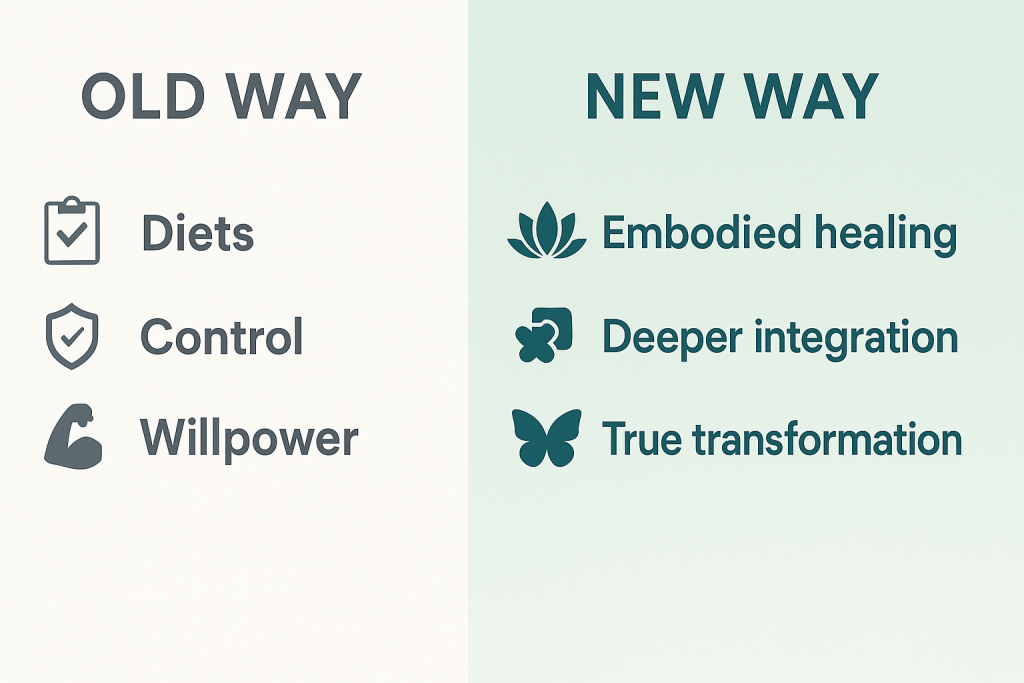
Recovery, then, involves more than willpower. It involves learning safety—again and again.
Safety in stillness. Safety in hunger. Safety in saying “enough.”
Tools that helped me regulate my nervous system included:
- Gentle movement (like walking or stretching)
- Breathing exercises
- Regular meals to prevent crashes
- Co-regulation with others (talking, support groups, therapy)
If your system feels stuck in a loop, you’re not broken. You may just need new tools to help it shift.
Our Mindful Meal Journal & App was designed for exactly this kind of slow, body-informed healing.
Navigating the “What Now?” Phase of Recovery
One of the strangest moments in recovery is when the binges stop… and you don’t know what to do with yourself.
This is often when existential questions arise:
- Who am I without this pattern?
- What do I do with all this space?
- Can I trust myself long term?
Here’s what I’ve found:
This is not the end of recovery. It’s the beginning of becoming.
Now, you get to explore what brings you joy, what gives you meaning, what fills your soul—not just your stomach.
This is a great time to explore deeper layers of healing, which we guide you through in our Enlighten Eats course, from nervous system care to emotional patterns to spiritual integration.
Common Challenges After Recovery—and How to Respond

Even after recovery, certain moments may feel tricky.
Here are a few challenges that may arise:
1. Holiday Triggers
The mix of food, family, and expectations can still stir old patterns.
Response: Set boundaries. Have an exit plan. Eat before you’re ravenous.
2. Body Image Fluctuations
Even when bingeing stops, body acceptance takes longer.
Response: Focus on function. Practice self-compassion. Dress comfortably.
3. “I Should Be Over This” Thinking
You’ll have hard days. That doesn’t mean you’ve failed.
Response: Zoom out. Recovery is a lifelong practice, not a finish line.
Support Systems That Make a Difference
Recovery is hard to sustain alone.
What helped me most was having a team—not of experts, necessarily, but of witnesses.
- A therapist who didn’t flinch at my truth
- A coach who reminded me of my strength
- A friend who texted after hard meals
If you’re looking for that kind of grounded support, our coaching program is designed to meet you with deep care and developmental insight.
You don’t have to figure this out alone. You were never meant to.
Conclusion: You Are Worth the Life That Awaits
Life after binge eating disorder is not perfect—but it is precious.
It’s the deep exhale. The calm dinner. The laughter after dessert. The ability to hear your hunger and your heart.
You are not broken. You are becoming.
If you’d like support as you walk this path, start with our free quiz, download the journaling app, or explore our gentle coaching offers.
You deserve a life that feels like yours again.