

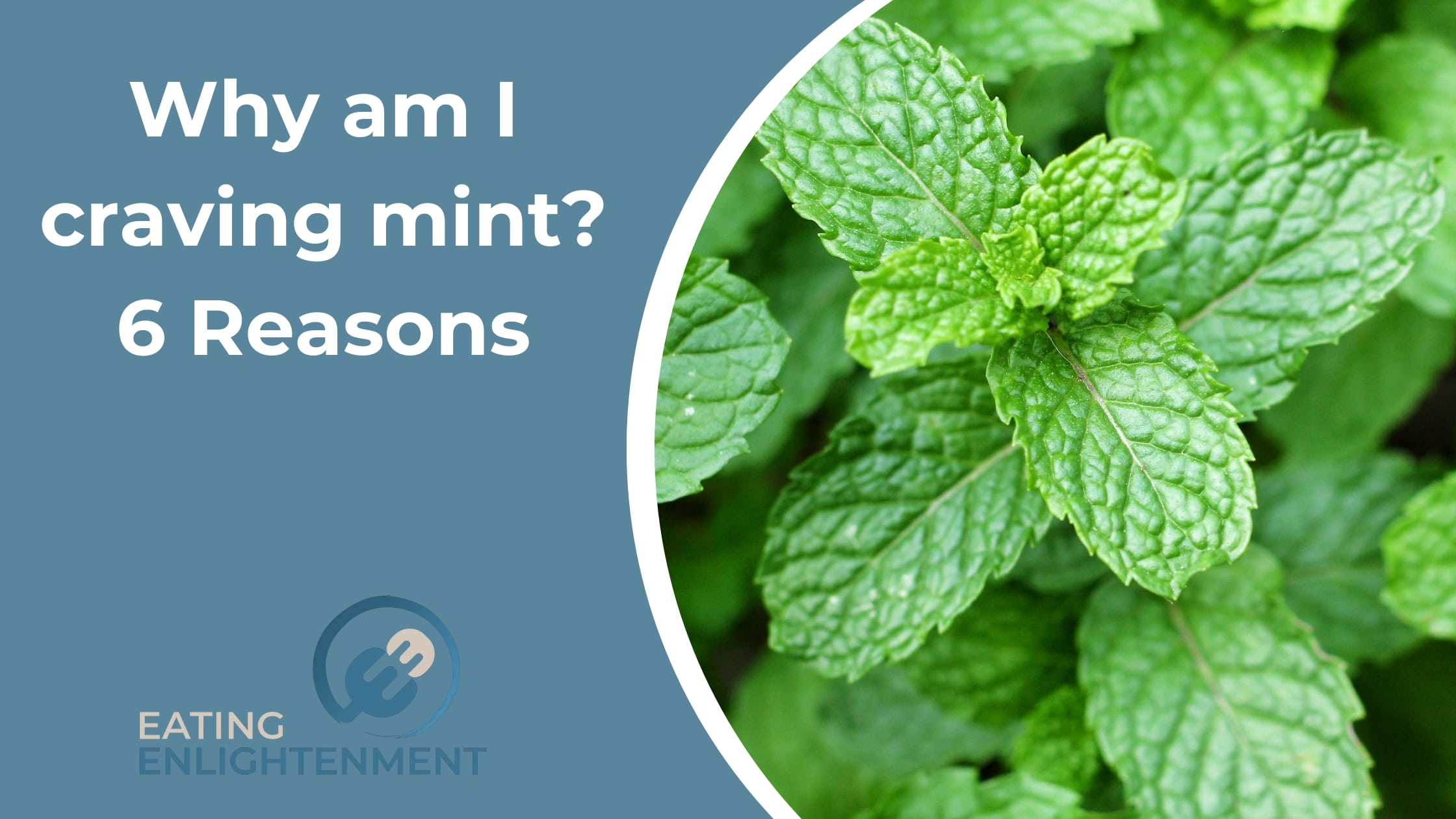
Have you ever reached for anything minty—a refreshing glass of mint tea, a cool scoop of mint chocolate chip ice cream, or even a mint-flavored gum—without knowing exactly why? Something is soothing yet invigorating about mint’s crisp, clean aroma and flavor.
It’s in everything from [toothpaste] to [mojito recipes], making it a familiar, comforting presence in our everyday lives.
But what if your craving for mint feels more intense or frequent lately? Could it be more than just a passing preference? Sometimes, these sudden longings can speak volumes about your body’s needs, dietary habits, or emotional landscape. Understanding these cravings might shine a light on what’s going on beneath the surface.
Before you brush it off as just a random urge, let’s explore the six fascinating reasons you might find yourself drawn to mint, from physical to psychological triggers. Stick with me—this could change how you see your cravings forever.

Reason #1: Nutritional Deficiencies
Craving mint might be your body’s way of signaling a deficiency in essential nutrients like iron or zinc, which play critical roles in oxygen transport and immune function. If this sounds familiar, consider a blood test to check your levels.
To address the root cause, boost nutrient-rich foods like spinach, lentils, or pumpkin seeds. While enjoying mint can be comforting, it won’t resolve deficiencies, and consuming too many sugary mint-flavored treats can cause unnecessary drawbacks.
Reason #2: Digestive Health
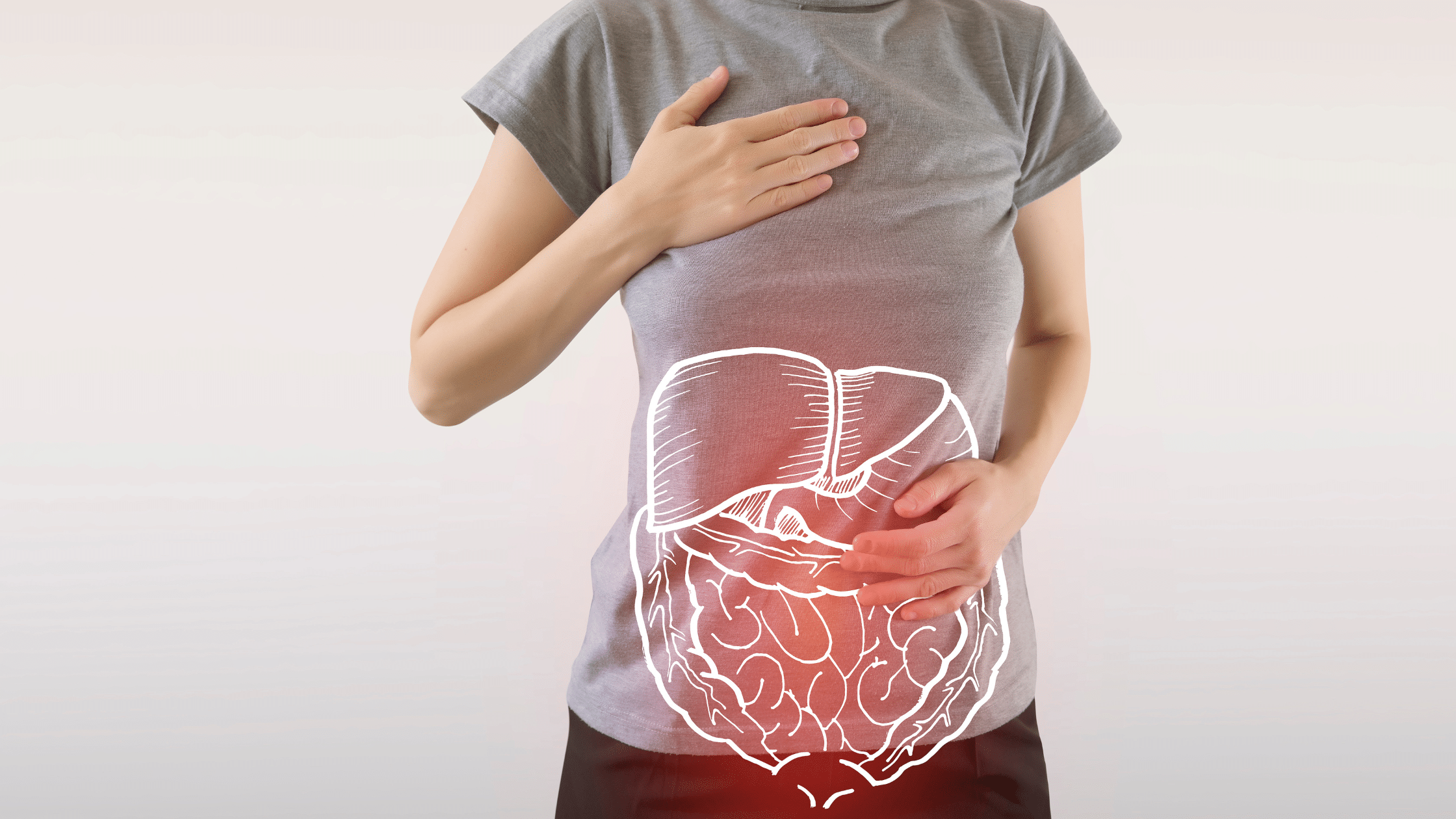
Mint’s soothing properties for the digestive system could explain your craving, especially if you experience bloating or discomfort.
The menthol in mint relaxes digestive muscles and aids conditions like IBS. Sipping mint tea or trying peppermint oil can help, but if you have GERD or acid reflux, use caution, as mint might worsen symptoms. Track how mint affects your digestion through mindful journaling to understand its role in your gut health better.
Reason #3: Psychological Factors
Stress or anxiety might drive your desire for mint, known for its calming aroma. Chewing mint gum or using peppermint oil can quickly relieve tense moments. However, it’s helpful to explore the deeper triggers behind your craving.
When you turn to mint, journaling about your emotions can uncover hidden stressors and guide you to longer-term coping strategies, such as mindfulness practices or breathing exercises.
Reason #4: Cultural Influences
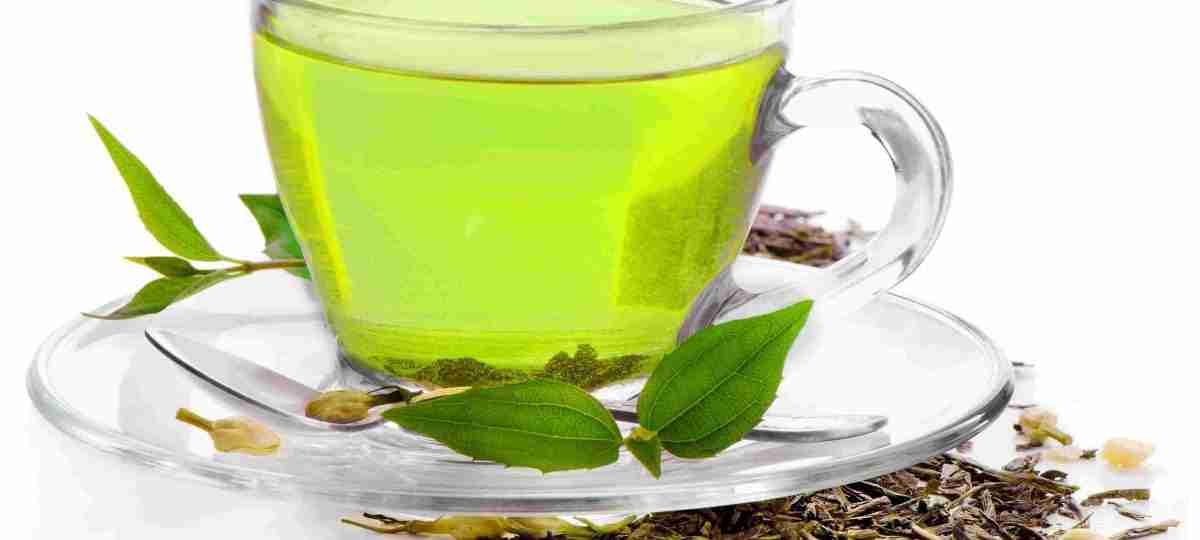
Your craving may stem from nostalgic ties to mint in cultural dishes like tabbouleh or chutney. If mint reminds you of home or cherished memories, try incorporating it into traditional recipes to honor those connections.
But avoid relying on processed mint products, which might not satisfy your craving for meaningful experiences. Fresh mint in homemade meals ensures a more fulfilling way to explore this craving.
Reason #5: Oral Health

Mint’s antibacterial properties may make it your go-to for freshening breath. Reaching for mints or chewing gum often could indicate a need for improved oral care.
Instead, try chewing fresh mint leaves or using natural, sugar-free mint toothpaste to support healthier habits without overindulging in sugary products. Reflecting on these cravings can help ensure they align with your overall well-being.
Reason #6: Binge Eating Disorder

If your craving for mint feels intense or obsessive, it may signal deeper eating patterns tied to binge eating disorder (BED). Cravings like these often point to emotional or physical triggers.
Start by stabilizing your nutrition with balanced meals and journaling about your habits. Seek to heal underlying emotional needs with compassion instead of judgment. Addressing the source of the craving will pave the way for a healthier relationship with food.
Mint cravings can reveal important insights into your nutrition, emotional state, or habits. You can take meaningful steps toward balance and well-being by exploring the “why” behind them with curiosity and care.
5 Cool Facts About Mint Cravings You Didn’t Know
Mint cravings might seem odd or random, but they’re surprisingly fascinating! Here’s a list of fun facts that unwrap the mystery behind this cool and refreshing desire.
1. Your Body Could Be Calling for Nutrition
Sometimes, cravings for mint signal deficiencies in iron or zinc. Both minerals are crucial for energy and immune health, so your brain might connect mint’s “refreshing” properties with a need to revitalize.
2. Mint’s Aroma Does Calm You
Science shows that the smell of mint helps reduce stress and even eases headaches. If you’re feeling frazzled or overwhelmed, the soothing properties of mint might explain why you reach for peppermint tea or gum.
3. A Digestive System SOS?

For centuries, mint has been a natural remedy for digestive discomfort. Its anti-inflammatory properties can ease bloating or nausea, which might explain why people crave it after a heavy or indulgent meal.
4. Mint Has Historical Roots in Medicine
Ancient Egyptians and Greeks used mint to treat various ailments, from upset stomachs to mental fatigue. Craving it could be your body’s clever way of tapping into its age-old wisdom!
5. It’s All in the Mind
Mint cravings can sometimes be tied to psychological associations. If you connect mint with feelings of cleanliness or freshness—think toothpaste or breath mints—you might crave it as a symbolic “reset” after overeating or feeling guilty.
Unlocking Food Freedom with the Eating Enlightenment Approach

Our relationship with food can be deeply intertwined with emotions, stress, and past experiences. If you’ve faced challenges like cravings or binge eating, the Eating Enlightenment Approach offers a gentle, effective way to explore what’s beneath these patterns.
By following its three steps—nutritional journaling, mindfulness of triggers, and inner healing—you can uncover the real “why” behind your eating habits and move toward balance.
Step 1: Nutritional Journaling – Discovering Hidden Patterns
Journaling your food intake isn’t about counting calories but clarity. You can identify patterns by writing down what you eat— like skipping meals or eating low-nutrient snacks. For instance, if you feel drained mid-morning after a light breakfast, adding protein or fiber, like eggs or avocado toast, could make a difference. This step helps you spot nutritional gaps and adjust to reduce physical cravings, setting a solid foundation for change.
Step 2: Mindfulness of Triggers – Connecting Food and Feelings
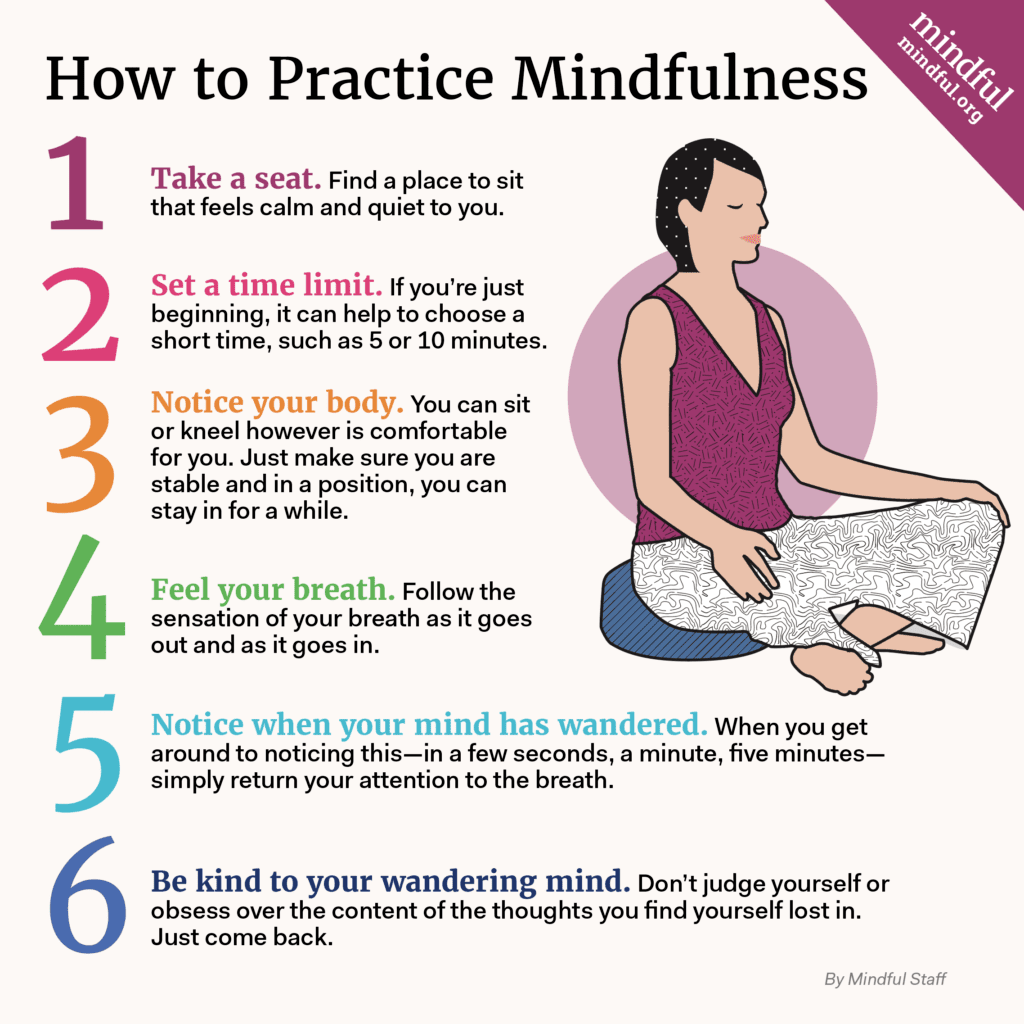
Using your journal to reflect on when and why you eat bridges the link between emotions and food. Do you crave snacks out of boredom, stress, or routine? Journaling these moments offers insight into emotional triggers. For example, a challenging work meeting might lead to a chocolate craving—journaling this awareness lets you pause and ask, “What else can support me right now?” Over time, this practice shifts eating from autopilot to intentional.
Step 3: Inner Parts and Voice – Facing Deeper Needs
This final step dives into the emotional roots of your eating habits. Journaling helps you connect with the “voices” within—like the perfectionist pushing strict diets or the comfort-seeker leaning on food.
Exploring your cravings, such as using treats to soothe sadness, might uncover emotions tied to childhood experiences. Instead of judging, this step invites you to meet these needs differently, perhaps with self-kindness or a calming ritual. Healing these inner parts can transform how you relate to food and yourself.
Conclusion

The Eating Enlightenment Approach isn’t about quick fixes but about creating a more profound, kinder relationship with food.
With these three steps, you’ll explore what you eat and why. Over time, this gentle process will help you uncover the balance and peace that have always been within reach.
Mint cravings offer refreshing insights into your body’s needs and emotions, from potential nutritional gaps to its calming aroma. They might signal digestive relief, emotional associations, or a desire for renewal.
Reflect on what your mint cravings mean for you. Adding mint to your meals—like teas, salads, or as a garnish—can satisfy cravings while promoting a balanced diet.
To explore this deeper, try the free Eating Enlightenment Journal app. It tracks cravings, uncovers patterns, and helps you understand your relationship with food. Download it now to take control of your eating habits—your mindful food journey starts today!